

In a world where nearly 77% of Americans report experiencing stress that affects their physical health, according to a recent survey, it’s no wonder people are seeking better ways to cope. This figure, up from previous years, highlights a growing crisis in our fast-paced lives. But what if incorporating something as straightforward as clarity meditation focus could make a real difference? This practice, blending mindful awareness with intentional focus, isn’t just a trend—it’s a tool for reclaiming calm amid chaos. As we navigate 2025’s demands, from work pressures to personal hurdles, everyday actions rooted in this approach offer practical stress relief. They help sharpen the mind, ease tension, and foster balance without requiring hours of commitment.
1. Start Your Day with Intentional Breathing

Breathing might seem automatic, but turning it into a deliberate act sets a tone of clarity. Imagine waking up and spending just five minutes on deep, focused inhales and exhales. This isn’t about emptying the mind entirely; it’s about anchoring yourself in the present. Research from the National Institutes of Health shows that such practices can lower cortisol levels, the hormone tied to stress. One woman in her forties, juggling a demanding job and family, shared anonymously online how this ritual transformed her mornings from frantic to grounded. She described feeling a fog lift, allowing her to approach tasks with renewed focus. By weaving clarity meditation focus into breathing, you create a buffer against the day’s stressors. Vary your routine—try it seated or while stretching—to keep it fresh. Over time, this simple shift builds resilience, turning potential overwhelm into manageable moments.
It’s not always smooth, though. Distractions creep in, like a buzzing phone or racing thoughts. That’s where persistence pays off. Studies suggest consistent practice enhances neural pathways for attention, making it easier to return to calm. Integrate it with a warm cup of tea, savoring the steam and scent, to engage your senses fully.
2. Incorporate Mindful Movement Breaks
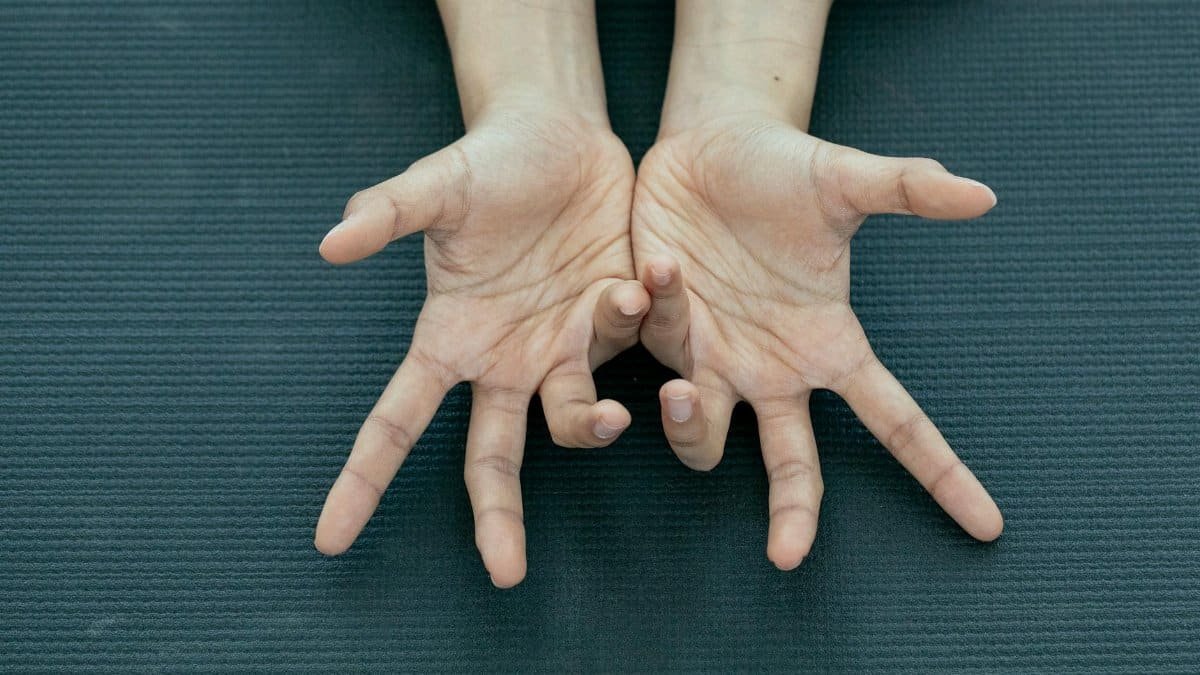
“My legs felt like lead after hours at the desk,” a mid-level manager recounted, capturing a common plight. Yet slipping in short walks with mindful intent can dissolve that heaviness. Clarity meditation focus here means tuning into each step, noticing the ground beneath your feet, without letting the mind wander to to-do lists. A report from the Centers for Disease Control and Prevention emphasizes how even brief activity reduces anxiety. Picture weaving this into your lunch hour: step outside, breathe in the air, and let observations flow—birds chirping, leaves rustling. This isn’t vigorous exercise; it’s gentle recalibration. For those in urban settings, it might mean pacing a hallway with purpose. The key is consistency, turning these breaks into anchors that pull you back from stress’s edge.
Sometimes, the weather or schedule fights back. Adapt by doing seated stretches, focusing on muscle release. This flexibility keeps the practice alive, fostering a sense of control amid unpredictability.
3. Practice Daily Journaling for Reflection

What thoughts crowd your mind at day’s end? Journaling invites you to sift through them, a core element of clarity meditation focus. Set aside ten minutes to jot down gratitudes or worries, letting words flow without judgment. This act clarifies mental clutter, much like decluttering a desk. Evidence from Harvard Medical School links reflective writing to improved emotional regulation, helping process stress more effectively. One anonymous forum post described it as “uncovering hidden gems in the chaos,” where jotting frustrations led to unexpected insights. Make it personal—use a notebook by your bed, or an app if digital suits you better. The ritual builds over time, turning vague anxieties into actionable steps.
Challenges arise when motivation dips. Start small, perhaps with bullet points, to build momentum. This evolves into a dialogue with yourself, revealing patterns that amplify calm.
4. Create Tech-Free Zones in Your Routine

Screens demand constant attention, fueling stress. Establishing tech-free pockets harnesses clarity meditation focus by reclaiming mental space. Begin with meals: put devices away and savor flavors, textures. A study by Pew Research Center found that excessive screen time correlates with heightened anxiety among adults. Envision dinner where conversation flows freely, unmarred by notifications. This boundary-setting fosters presence, easing the pull of digital overload. For night owls, dim lights and read a book instead, letting the mind unwind naturally.
Resistance is common—habits die hard. Ease in by timing these zones, gradually extending them. The payoff? Sharper focus during connected times, and a deeper sense of rest.
5. Engage in Gratitude Rituals

Amid turmoil, pausing for gratitude shifts perspective. This ties into clarity meditation focus by highlighting positives, diluting stress’s grip. List three things you’re thankful for each evening, no matter how small—a kind word, a good meal. Research from the University of California, Davis, via their Greater Good Science Center, demonstrates how this boosts well-being. Someone shared online about starting this during a tough work week, noting how it “lit up the dark corners” of their day. Incorporate it creatively, perhaps whispering thanks during a commute.
Not every day feels grateful. On those, acknowledge the struggle first, then pivot. This honesty deepens the practice, making relief more profound.
6. Focus on Single-Tasking

Multitasking scatters energy, but single-tasking embodies clarity meditation focus. Dedicate full attention to one activity, like reading or cooking, resisting interruptions. A NIH-funded study indicates this improves efficiency and reduces burnout. Recall a busy parent who tried it with laundry: folding clothes mindfully turned drudgery into a meditative pause. The mind quiets, stress fades. Apply it at work by blocking time for emails alone.
Old habits intrude. Use timers to train focus, celebrating small wins. Gradually, this builds a fortress against overwhelm.
7. Immerse in Nature Regularly

Nature’s embrace offers instant clarity. Step into a park, notice the breeze, the rustle of trees—this is clarity meditation focus in action. The U.S. Forest Service promotes forest bathing for its stress-lowering effects, backed by science showing reduced blood pressure. An urban dweller might find solace in a community garden, where soil under fingers grounds racing thoughts. Even a potted plant indoors works wonders.
Weather or access limits? Visualize nature through photos or sounds. This adaptation keeps the benefits flowing.
8. Try Body Scan Techniques

Lie down, scan from toes to head, noting tensions—this technique uncovers hidden stress. Rooted in clarity meditation focus, it promotes release. Mayo Clinic research affirms its role in relaxation response. One account described it as “melting away knots,” revealing emotional ties to physical strain. Do it before bed for better sleep.
Impatience can derail it. Breathe through, starting short. Persistence reveals layers of calm.
9. End with Evening Wind-Down

Cap the day by reviewing highs and lows gently. This reflection, infused with clarity meditation focus, processes emotions without rumination. A American Psychological Association overview notes how such habits prevent stress buildup. Imagine dimming lights, sipping tea, and noting one lesson learned. It seals the day positively.
Fatigue might tempt skipping. Keep it brief, like a mental note. Over weeks, it fosters enduring peace.
These actions, woven into daily life, harness clarity meditation focus to combat stress effectively. In 2025, as pressures mount, such habits empower balance. They’re not quick fixes but building blocks for sustained well-being, inviting a clearer, calmer path forward.