

A recent study from the American Psychological Association revealed that 68% of adults in the South report heightened stress levels, a jump from 52% just five years ago. This surge points to a growing concern in places like North Carolina, where daily pressures from work, family, and even the weather can build silently. What if recognizing subtle emotional cues could head off overload before it derails lives? Enter the concept of emotional, predict, overload—a framework for spotting those early warning signs. In this piece, we’ll unpack nine key cues tailored to the Tar Heel State, drawing on insights from experts and everyday experiences. These signals aren’t just abstract; they reflect real shifts in how North Carolinians navigate modern demands, from coastal storms to urban hustle.
1. Persistent Fatigue Despite Rest

Imagine a Raleigh office worker who collapses into bed each night, only to wake up feeling just as drained. This isn’t mere tiredness. It’s a hallmark of brewing emotional overload, where the mind’s constant churn overrides physical recovery. In North Carolina, with its blend of tech hubs and rural demands, such fatigue often stems from unaddressed stressors like long commutes or seasonal allergies that disrupt sleep patterns.
Experts note that when rest fails to recharge, it’s time to assess deeper issues. A study from the University of North Carolina at Chapel Hill highlights how chronic fatigue correlates with emotional strain in Southern populations. One anonymized account from an online discussion described it vividly: feeling like “running on empty in a state that never slows down.” This cue demands attention, as ignoring it can lead to burnout. Instead, small adjustments—like prioritizing evening wind-down routines—can make a difference.
Shifting gears, consider how this fatigue manifests in daily interactions. Friends might notice a usually energetic person withdrawing from social plans, a subtle but telling sign. Addressing it early fosters resilience, especially in a region prone to hurricane-season anxieties.
2. Heightened Irritability Over Minor Issues

Snapping at a barista for a slightly wrong coffee order? In Charlotte’s bustling cafes, this could signal more than a bad day. Heightened irritability often predicts emotional overload, amplified by North Carolina’s fast-paced urban growth. Traffic jams on I-40 or unexpected humidity spikes can tip the scales, turning small annoyances into flashpoints.
Diving into the science, research from the American Psychological Association’s Stress Resources shows irritability as an early indicator of stress accumulation. It’s not just personal; it affects relationships, eroding patience in family settings. Picture a parent in Durham losing temper over a child’s spilled milk— a moment that reveals underlying pressures from work-life imbalance.
To counter this, mindfulness practices tailored to local vibes, like walks in the Blue Ridge Mountains, offer relief. Recognizing this cue empowers individuals to pause and recalibrate before irritation escalates.
3. Difficulty Concentrating on Tasks

Staring at a computer screen in a Greensboro co-working space, yet nothing sticks. This scattered focus is a classic predictor of emotional overload, particularly in North Carolina’s diverse economy, from agriculture to biotech. The mental fog arises when emotional reserves run low, making simple decisions feel monumental.
A report from the Centers for Disease Control and Prevention’s Mental Health page links concentration lapses to elevated stress, with data showing higher incidences in states like North Carolina due to economic shifts. One local teacher shared anonymously online about zoning out during lessons, attributing it to post-pandemic recovery strains.
Exploring further, this cue often pairs with procrastination, creating a vicious cycle. Breaking it might involve short breaks infused with regional flavor, such as listening to bluegrass music to refocus. Awareness turns this signal into an opportunity for proactive mental health steps.
4. Changes in Appetite or Eating Habits

Suddenly craving comfort foods like barbecue in Asheville, or skipping meals altogether? Appetite shifts frequently herald emotional, predict, overload, reflecting how stress hormones disrupt normal hunger signals. In North Carolina, where food culture runs deep—from Eastern-style pork to mountain trout—these changes can be culturally nuanced.
Insights from a Harvard T.H. Chan School of Public Health resource on stress and nutrition confirm that emotional eating or avoidance spikes during overload precursors. It’s not uncommon in areas hit by natural disasters, where uncertainty fuels these habits.
Reflect on a scenario: a Wilmington resident post-hurricane, bingeing on snacks to cope with rebuilding stress. This cue invites gentler responses, like mindful eating groups that incorporate local produce, helping restore balance without judgment.
5. Social Withdrawal from Loved Ones

Pulling back from beach gatherings in the Outer Banks? Social withdrawal is a subtle yet powerful cue predicting overload, as emotional fatigue makes connections feel exhausting. North Carolina’s community-oriented culture amplifies this, where missing family barbecues signals deeper unrest.
Studies, including those from Pew Research Center’s Social Trends reports, indicate rising isolation trends in the South, tied to work demands and digital overload. An illustrative snippet: a Chapel Hill professional describing to friends a sudden aversion to group texts, masking internal turmoil.
Yet, this withdrawal isn’t inevitable. Reconnecting through low-key activities, like a quiet hike in Pisgah National Forest, can rebuild those bonds. The key lies in spotting the pattern early and extending self-compassion.
6. Unexplained Physical Aches

A nagging headache after a day in Winston-Salem’s tobacco fields or offices? Unexplained aches often manifest as the body’s way of flagging emotional, predict, overload. In North Carolina, where physical labor and desk jobs coexist, these pains bridge mind and body.
Research from the National Institutes of Health underscores psychosomatic links, with findings on stress-induced pain prevalent in varied demographics. One recent public account highlighted a farmer feeling constant back tension amid crop worries, a common regional narrative.
Delving deeper, these symptoms thrive in silence, but awareness prompts action. Techniques like yoga classes in local studios provide relief, turning pain into a prompt for holistic care.
7. Sleep Disturbances Beyond Fatigue
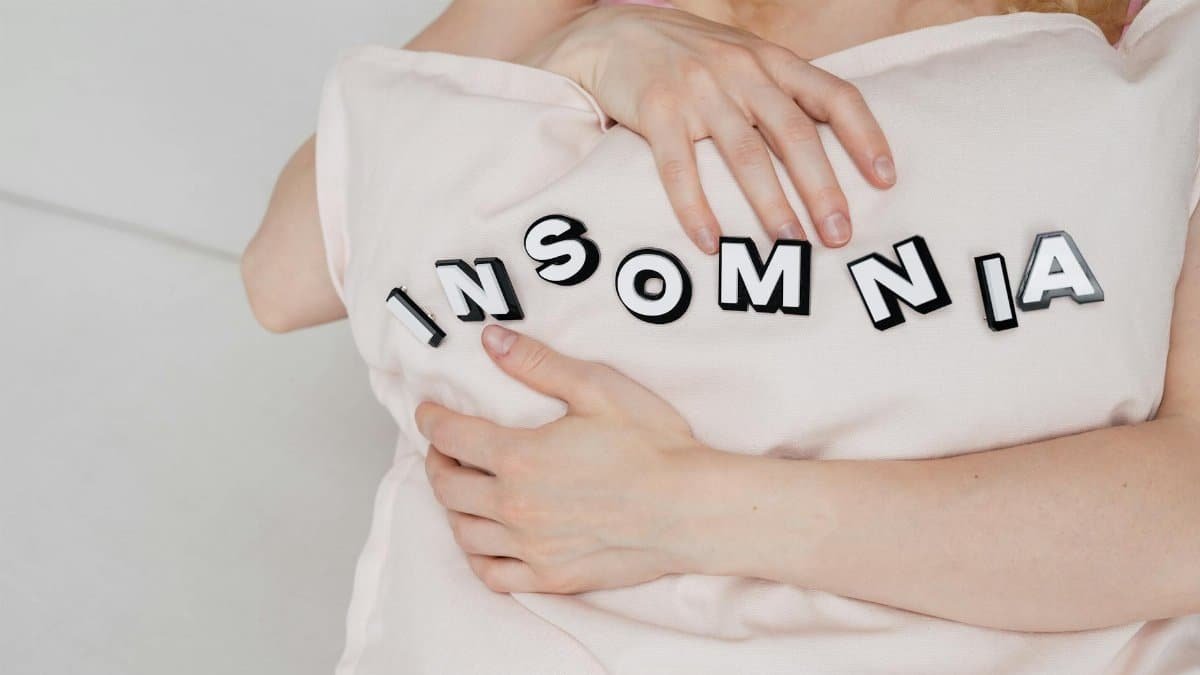
Tossing and turning in a Fayetteville bedroom, replaying the day’s worries? Sleep issues distinct from general tiredness predict overload, exacerbated by North Carolina’s military presence and associated stresses. Nighttime rumination disrupts restorative cycles, leaving one primed for emotional strain.
A comprehensive review from the Sleep Foundation details how emotional factors interfere with sleep architecture, with regional data showing higher rates in the Southeast. It’s a cycle: poor sleep fuels irritability, which worsens overload.
Countering this might involve journaling before bed, capturing thoughts inspired by the state’s storytelling traditions. Such habits transform restless nights into stepping stones toward equilibrium.
8. Overreliance on Coping Mechanisms

Turning to evening drinks more frequently in Boone’s craft beer scene? Overreliance on substances or habits signals impending overload, as temporary fixes mask root causes. In North Carolina, with its vibrant social drinking culture, this cue can blend seamlessly into norms.
Guidance from the Substance Abuse and Mental Health Services Administration warns of escalation risks, particularly in areas with high stress from tourism or education sectors. An anonymized story: someone escalating from one glass to several, tied to job uncertainties.
Shifting focus, healthier alternatives like community support groups offer sustainable paths, emphasizing moderation and self-awareness in a state known for resilience.
9. Loss of Enjoyment in Hobbies

No longer finding joy in fishing off the Crystal Coast? This anhedonia—loss of pleasure—predicts emotional overload, striking at the heart of North Carolina’s recreational lifestyle. When hobbies feel like chores, it’s a red flag for depleted emotional resources.
Psychological insights from the Mayo Clinic connect this to broader mental health patterns, with studies noting upticks in leisure-dense regions. Reflecting on it, one might recall a golfer in Pinehurst dreading the course, a poignant shift from passion to burden.
Reviving interest could start with scaled-back versions, like short outings, rebuilding that spark. In essence, these cues collectively guide toward preventing overload, fostering a more balanced life in the Old North State.