
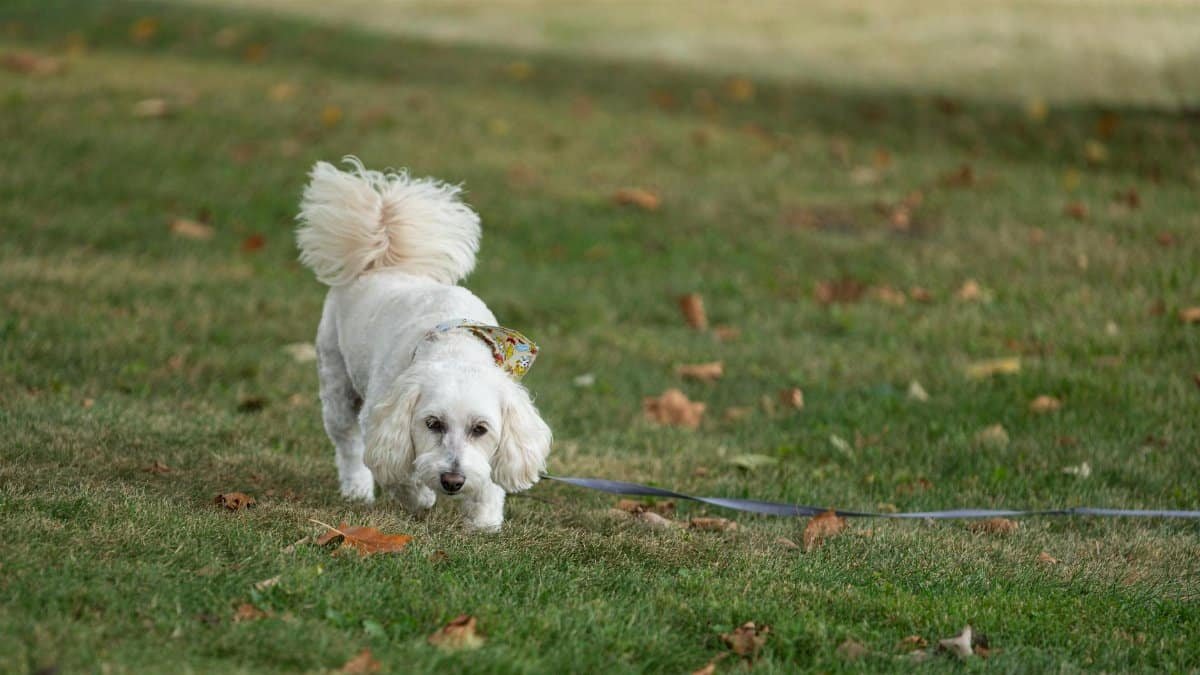
In a surprising twist, a recent survey by the American Kennel Club reveals that 65% of Pennsylvania residents report lower stress levels thanks to their furry companions. As life in the Keystone State ramps up with economic pressures and daily hustle, more folks are discovering how simple dog behaviors can melt away tension. From Philadelphia’s bustling streets to Pittsburgh’s hills, these canine antics are proving to be natural stress-busters. This isn’t just feel-good fluff—experts say these behaviors, reduce, stress in ways backed by science, offering a paws-itive alternative to pills or therapy sessions.
1. Tail Wagging Welcome
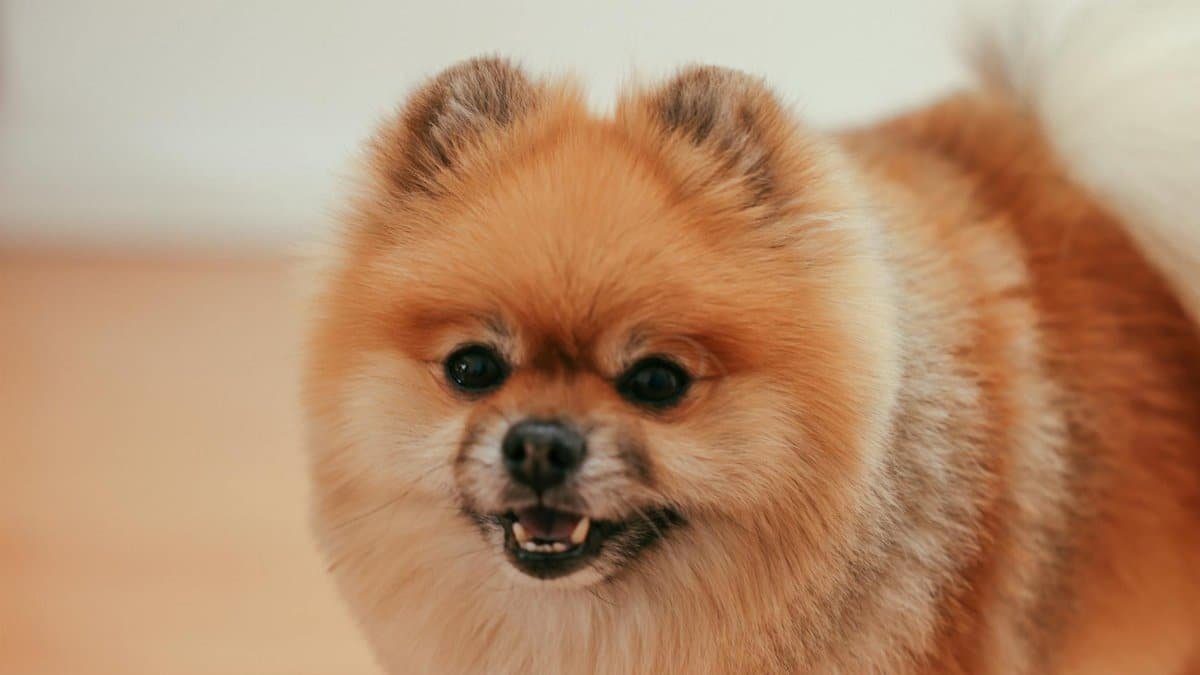
Dogs in Pennsylvania are masters of the enthusiastic tail wag, a behavior that’s more than just cute—it’s a stress reliever. When your pup greets you with that full-body wiggle after a long day at work, it triggers a rush of oxytocin, the feel-good hormone. A study from the University of Pennsylvania’s School of Veterinary Medicine highlights how this simple act can lower cortisol levels by up to 20%. In cities like Harrisburg, where commutes are grueling, owners swear by this daily ritual. It’s free, instant, and beats any app-based meditation. Next time your dog does it, lean in—science says it’s good for you.University of Pennsylvania Veterinary Research
2. Gentle Nuzzling
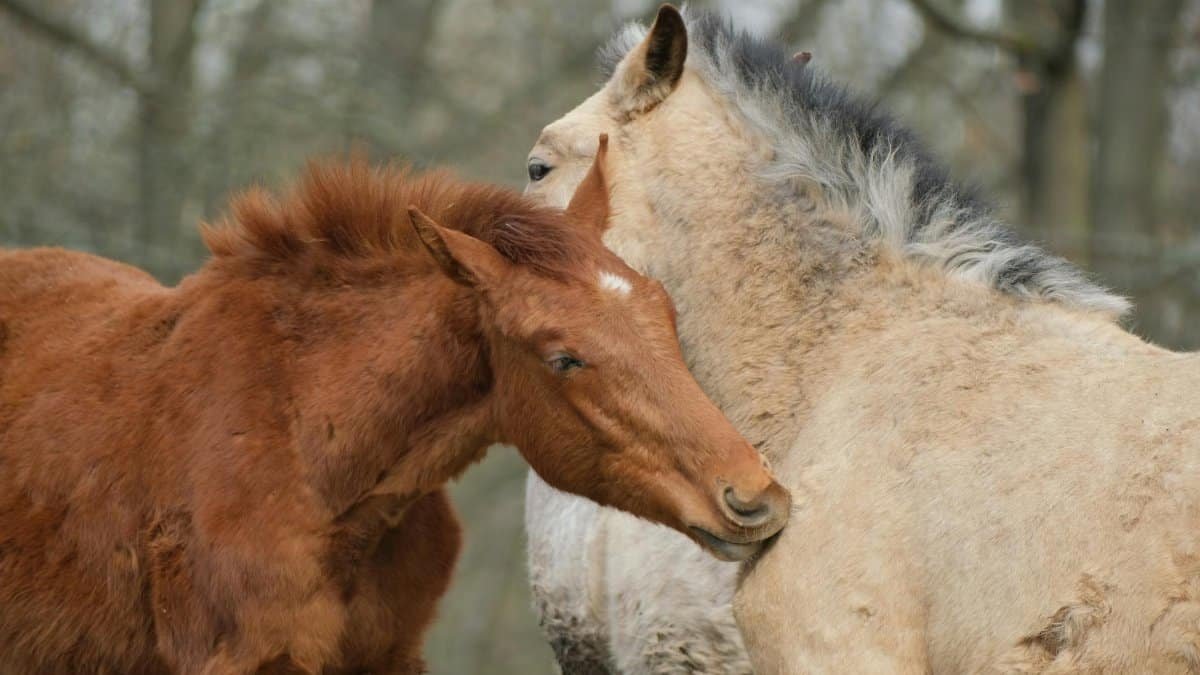
Picture a dog softly nuzzling against your leg during a tense moment—that’s a top stress-reducing behavior gaining traction in Pennsylvania homes. This affectionate nudge promotes bonding and calms the nervous system, according to animal behaviorists. In rural areas like Lancaster County, where farming stresses run high, pet owners note how nuzzling helps them unwind. Research from the ASPCA supports this, showing reduced heart rates in humans after such interactions. It’s subtle but powerful, turning a bad day around without words. Pennsylvania vets recommend encouraging it for mental health boosts in 2025’s fast-paced world.
3. Playful Fetch Sessions
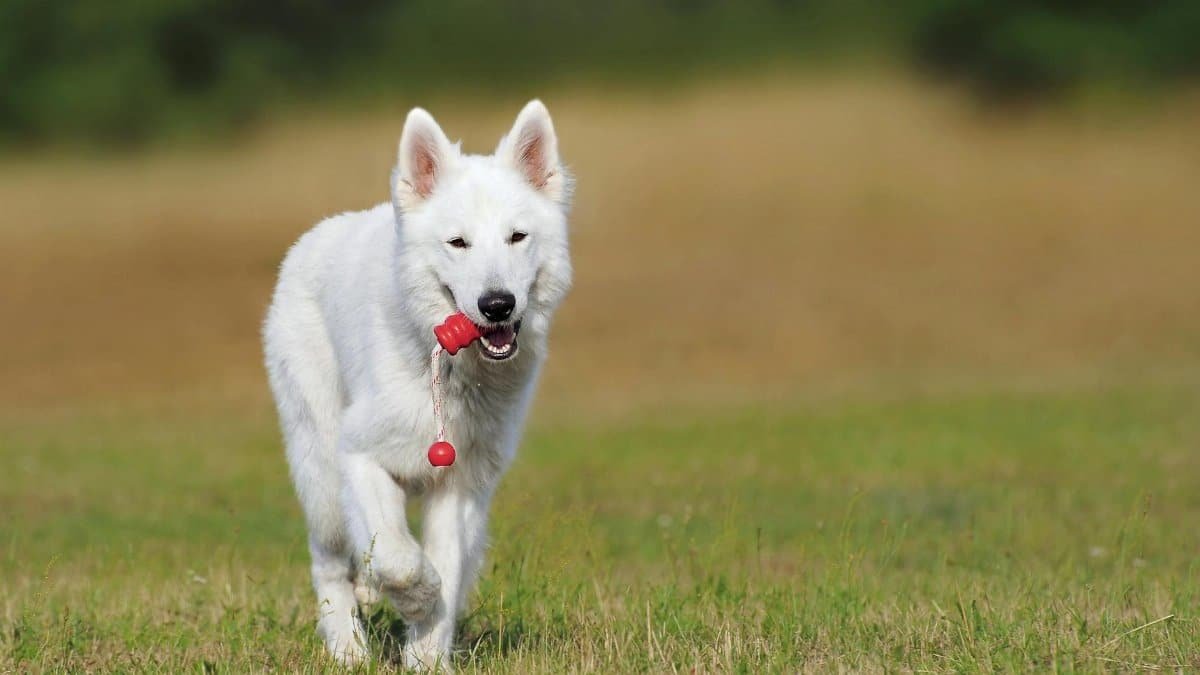
Throwing a ball and watching your dog chase it isn’t just fun—it’s a proven way to slash stress. Pennsylvania parks from Erie to Allentown are filled with owners engaging in fetch, which boosts endorphins for both parties. A report from the Centers for Disease Control and Prevention links pet play to improved mood and lower anxiety. In the state’s urban centers, where job pressures mount, this behavior offers quick relief. It’s exercise disguised as play, helping you forget worries. Experts say even 10 minutes daily can make a difference, making it a go-to for busy Pennsylvanians.
4. Calm Companionship Sitting

Sometimes, the best stress reducer is a dog simply sitting by your side. This quiet companionship behavior is huge in Pennsylvania, where long winters encourage indoor bonding. Studies from Harvard Medical School indicate that pet presence alone can decrease blood pressure. In places like Scranton, residents battling seasonal blues find solace in this. No commands needed—just shared silence that soothes the soul. It’s especially effective for remote workers facing isolation in 2025. Vets note it’s instinctive for breeds like Labs, common in the state, providing effortless emotional support.
5. Alert Barking for Security
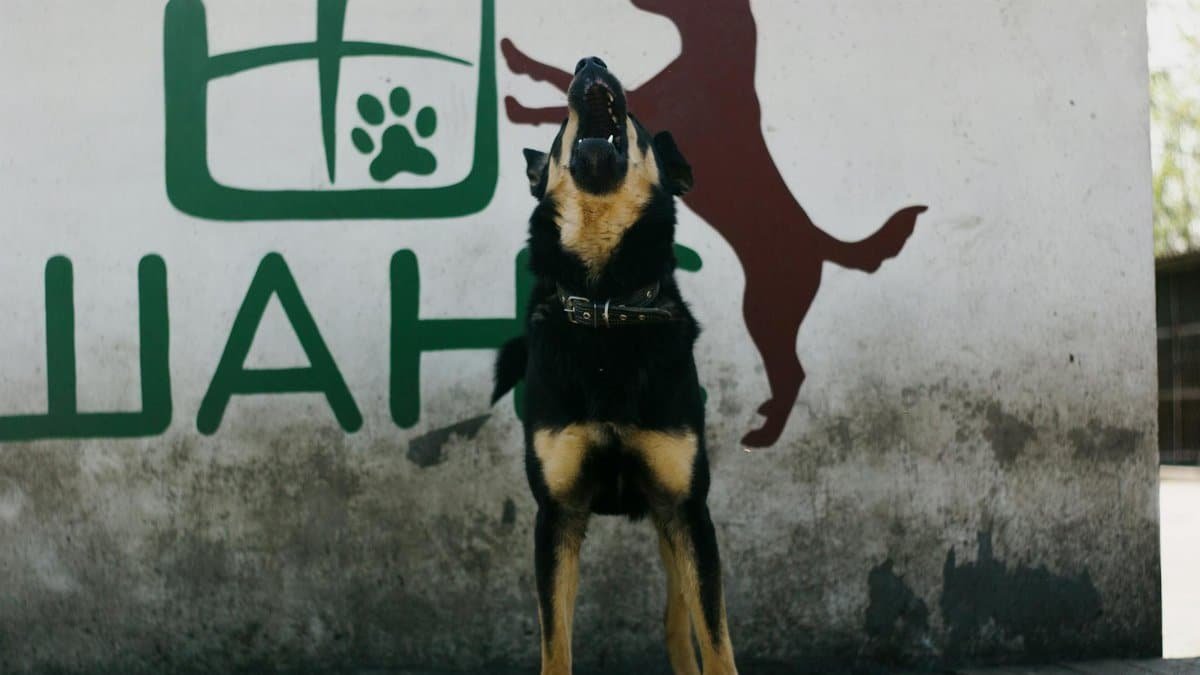
A dog’s protective bark might seem startling, but it actually reduces stress by enhancing feelings of safety. In Pennsylvania’s suburban neighborhoods, this behavior reassures owners amid rising concerns about home security. Data from the National Institutes of Health shows how perceived safety from pets lowers chronic stress. From York to Bethlehem, families appreciate this vigilant trait. It’s not about aggression—it’s a natural alarm system that lets you relax knowing someone’s watching. In uncertain times, this canine instinct is a subtle yet effective stress shield.NIH Pet Ownership Study
6. Licking as Affection
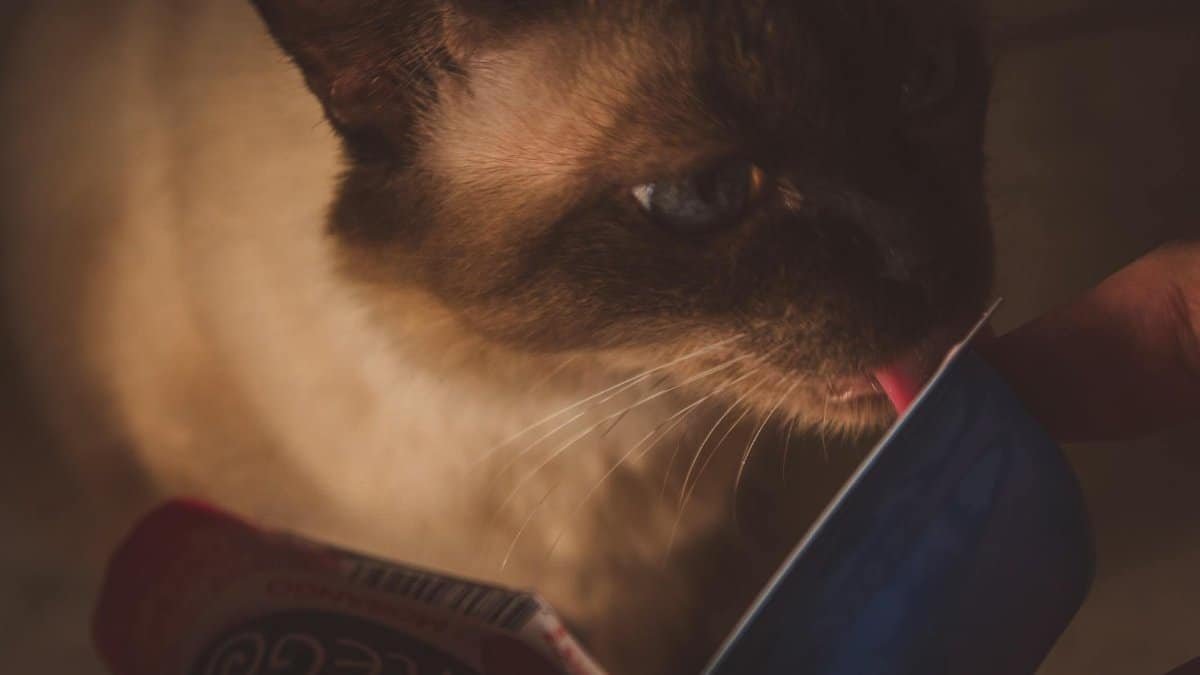
Dogs licking your hand or face is an age-old behavior that packs a stress-punching punch. In Pennsylvania, where community ties are strong, this gesture fosters connection and releases feel-good chemicals. Animal welfare groups report it’s akin to a natural antidepressant. Owners in Reading share stories of how a quick lick turns frowns upside down during tough days. Backed by behavioral science, it mimics grooming in packs, building trust. For those navigating 2025’s economic ups and downs, it’s a simple, slobbery way to unwind without effort.
7. Cuddling on the Couch

Curling up with your dog on the couch is a prime stress-reducing behavior, especially in cozy Pennsylvania evenings. This physical closeness lowers adrenaline and promotes relaxation, per findings from the Mayo Clinic. In areas like the Pocono Mountains, where outdoor activities wane in winter, cuddling becomes a staple. It’s therapeutic touch therapy at home, no appointment needed. Studies show it can improve sleep quality too, combating insomnia from daily pressures. Pennsylvanians are embracing this in 2025 as a low-key wellness trend.
8. Curious Sniffing Walks
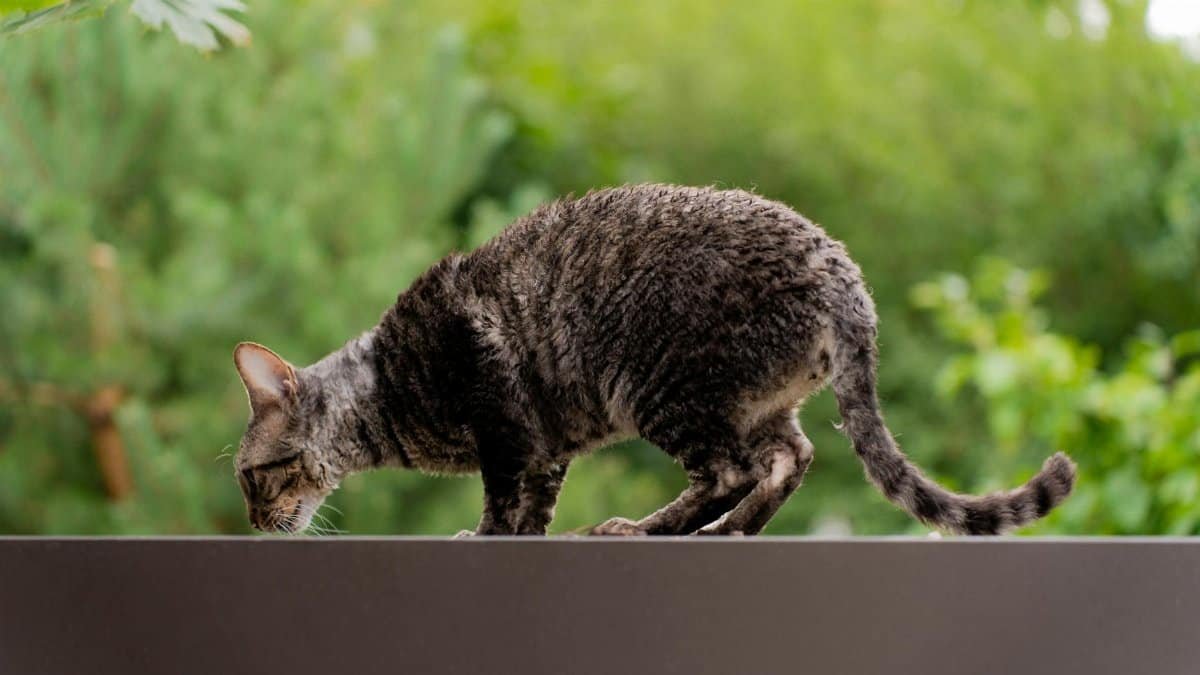
Taking your dog on a sniffing adventure during walks encourages mindfulness, a key to reducing stress. Pennsylvania trails, from the Appalachian to state parks, are perfect for this exploratory behavior. The American Psychological Association notes how pet-led walks enhance mental clarity. In bustling Philly, it’s a break from city chaos. Dogs’ natural curiosity pulls you into the moment, easing overthinking. It’s active meditation, with owners reporting sharper focus post-walk. As 2025 brings more hybrid work, this habit is rising for balanced living.
9. Yawning in Sync
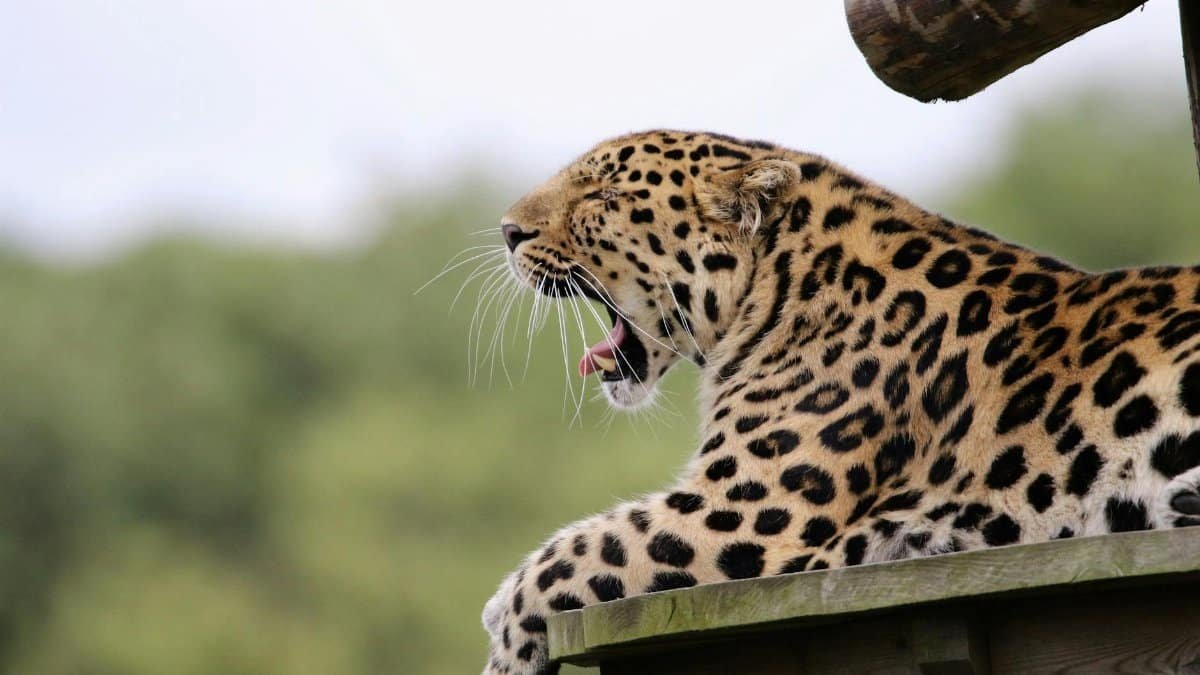
When your dog yawns and you follow suit, it’s a contagious behavior that signals relaxation and reduces stress. This empathy link is studied in Pennsylvania’s animal science programs, showing it syncs human and canine calm. In quieter towns like Wilkes-Barre, it’s a subtle sign of harmony at home. Research from Purdue University confirms yawning lowers tension by mimicking rest states. It’s an underrated trick for winding down after stressful events. In 2025, experts predict more awareness of such micro-behaviors for everyday stress management.