

In a fast-paced world where anxiety seems to lurk around every corner, dogs offer a surprising antidote. A study from the American Heart Association found that petting a dog can lower blood pressure by up to 10 percent in just minutes, highlighting how simple interactions with our canine companions tap into behaviors that reduce stress. This isn’t just feel-good folklore; research backs it up, showing that dog ownership correlates with reduced cortisol levels and improved mental health among Americans. As we navigate the demands of 2025, with remote work blurring boundaries and economic uncertainties lingering, these furry friends provide subtle yet powerful ways to unwind. From their intuitive responses to our moods to the rhythmic comfort of their presence, dogs embody a natural therapy that’s accessible and profound. This article delves into nine specific behaviors that make dogs exceptional stress-busters, drawing on insights from experts and everyday experiences.
1. The Tail Wag of Welcome

Dogs have a way of turning a rough day around with that enthusiastic tail wag. It’s more than just a greeting; it’s a signal of pure joy that can instantly lift spirits. Consider a scenario where someone returns home after a grueling commute in bustling New York traffic. The door opens, and there’s the dog, tail thumping against the floor like a metronome of happiness. This behavior triggers a release of oxytocin in humans, the hormone associated with bonding and calm. Studies confirm this effect, with one report noting how such interactions decrease anxiety symptoms. It’s a reminder that in our high-stress lives, these small gestures from pets foster emotional resilience.
Yet, not all wags are equal. A broad, sweeping wag often means genuine excitement, while a stiff one might indicate caution. Observing these nuances helps owners connect deeper, amplifying the stress-relieving benefits. In online discussions, people frequently share how their dog’s welcome ritual becomes a daily reset button, melting away the tensions of virtual meetings or family pressures. This behavior underscores dogs’ role as intuitive companions, adapting to our needs without a word.
2. Gentle Leaning for Support

Imagine sinking into the couch after a long day, and your dog sidles up, pressing its body against your leg. This leaning isn’t random; it’s a dog’s way of offering comfort and seeking it in return. Experts describe it as a form of emotional mirroring, where the pet senses human stress and responds with physical closeness. A American Heart Association overview on pet health benefits explains how such contact reduces heart rates, providing a tangible way to ease tension.
This behavior often emerges in quiet moments, like during evening news scrolls filled with unsettling headlines. The weight of the dog against you acts as an anchor, grounding scattered thoughts. It’s fascinating how evolution wired dogs this way, from pack animals to household therapists. Varying the routine, some owners incorporate this into mindfulness practices, breathing deeply as their pet leans in, creating a shared calm that combats isolation in our increasingly digital 2025 landscape.
Of course, respecting the dog’s comfort is key; forced closeness can backfire. But when mutual, it builds a bond that sustains through challenges, turning simple proximity into a powerful stress buffer.
3. Playful Fetch Sessions
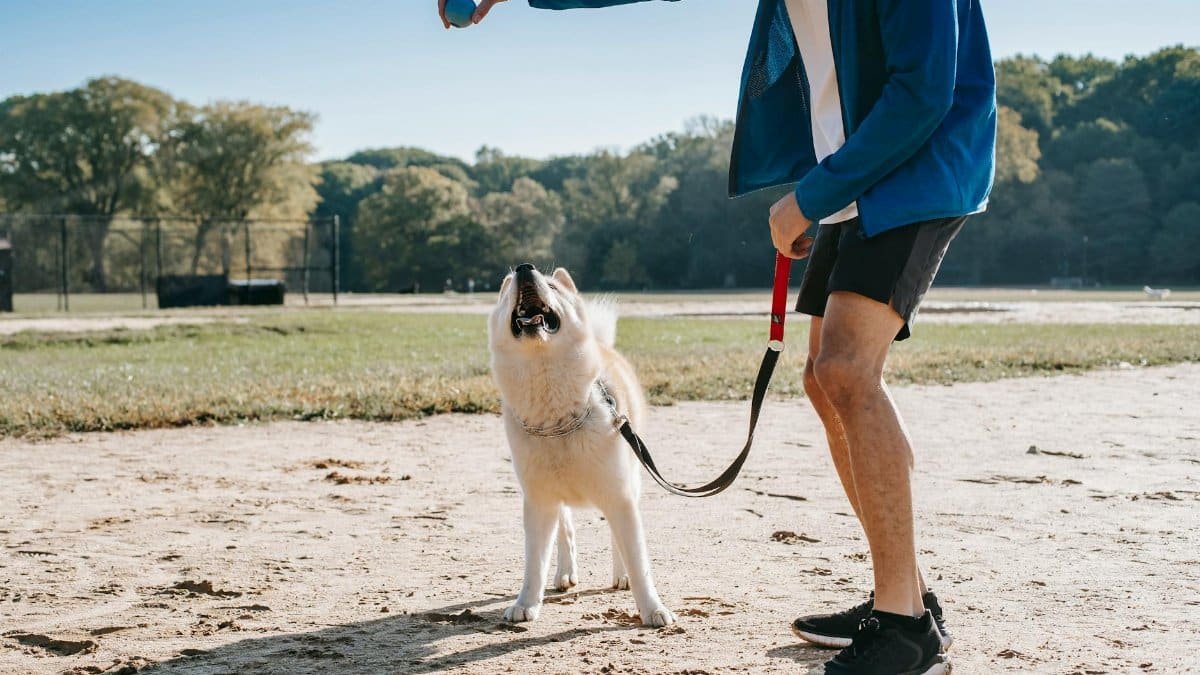
Throw a ball, and watch a dog’s energy ignite. Fetch isn’t just exercise; it’s a collaborative game that pulls humans out of their heads and into the moment. This behavior channels a dog’s natural hunting instincts into fun, releasing endorphins for both parties. Research from the Centers for Disease Control and Prevention highlights how active play with pets promotes physical activity, which in turn slashes stress levels by improving overall well-being.
Picture a suburban backyard in the Midwest, where a family gathers for an impromptu game. Laughter echoes as the dog dashes back with the toy, tails wagging and worries fading. These sessions break the monotony of sedentary routines, especially prevalent in remote work setups. They encourage presence, distracting from endless email chains or social media scrolls that heighten anxiety.
Interestingly, even short bursts of fetch can reset the mind. One anonymized account from public forums described how incorporating daily play helped manage work-related burnout, transforming dread into delight. It’s a behavior that reminds us joy can be as simple as a slobbery tennis ball.
4. Soothing Licks of Affection

A dog’s lick might seem sloppy, but it’s loaded with meaning. Often a sign of affection or submission, it can feel like a gentle reassurance during tense times. This behavior stimulates feel-good responses, mimicking the comfort of human touch. According to findings summarized by the American Kennel Club, licks release dopamine, helping to alleviate stress in owners.
In bustling households, a lick on the hand during dinner prep can pause the chaos, offering a moment of connection. It’s not always about taste; dogs use licks to communicate empathy, sensing when we’re off-balance. This ties into broader trends in animal-assisted therapy, where such interactions aid in mental health recovery.
Yet, moderation matters, as excessive licking might signal the dog’s own anxiety. Balancing this behavior enhances its benefits, turning it into a ritual that fosters calm amid the unpredictability of modern life.
5. Calm Eye Contact and Gazing

Lock eyes with a dog, and something magical happens. This mutual gaze strengthens bonds, much like in human relationships. It’s a behavior rooted in trust, where prolonged eye contact boosts oxytocin levels, directly countering stress hormones. A study published in Science magazine detailed how this interaction mimics mother-infant bonding, providing profound relaxation.
During quiet evenings, perhaps while reading in a cozy armchair, a dog’s steady gaze can draw you into a serene state. It cuts through the noise of daily distractions, from buzzing notifications to looming deadlines. In 2025, with mental health awareness on the rise, such simple connections gain new appreciation.
Trainers often encourage this for shy dogs, building confidence that reflects back on owners. It’s a subtle dance of vulnerability, showing how dogs teach us to be present without words.
6. Relaxing Yawns That Spread

Yawns aren’t just contagious among humans; dogs yawn too, often in response to our stress. This behavior signals empathy and can induce a calming chain reaction. When a dog yawns near you, it might be mirroring your tension, helping to diffuse it. Insights from veterinary science note how this promotes relaxation, syncing breathing patterns.
Think of a late-night work session interrupted by your dog’s exaggerated yawn. You follow suit, and suddenly, the pressure eases. It’s an unconscious cue to slow down, especially useful in high-stakes environments like urban offices or home setups.
Exploring this further, some owners use it as a prompt for bedtime routines, turning a simple reflex into a stress-reduction tool. The beauty lies in its effortless nature, proving dogs influence our calm without trying.
7. Belly Rub Invitations

When a dog rolls over, exposing its belly, it’s the ultimate trust signal. Inviting rubs, this behavior invites hands-on interaction that soothes both. The tactile experience lowers stress by engaging senses fully. Pet therapy programs emphasize how such vulnerability fosters emotional openness.
In a sunlit living room, this moment can shift a mood from frazzled to peaceful. The soft fur under fingers distracts from worries, grounding you in the now. It’s particularly resonant for middle-aged adults juggling careers and family, offering a break from constant demands.
Interestingly, not all dogs do this readily; it builds over time, mirroring how trust reduces stress in human connections too.
8. Companionable Walking Pace

Walking side by side with a dog sets a rhythmic pace that eases the mind. This behavior encourages mindfulness, as you match steps and breathe fresh air. Studies show regular walks with pets combat depression, enhancing mood through movement and companionship.
Along a neighborhood trail, the dog’s steady trot pulls you from rumination, focusing on the path ahead. In 2025’s wellness trends, this simple act gains traction as an antidote to screen fatigue.
One shared experience online recounted how daily walks transformed overwhelming days into manageable ones, highlighting dogs’ role in routine balance.
9. Quiet Cuddling in Stillness

Finally, the art of cuddling. Dogs curl up close, their warmth a natural stress reliever. This behavior provides security, reducing feelings of loneliness. Hormonal responses confirm it lowers cortisol, promoting rest.
During stormy nights or quiet reflections, this closeness whispers reassurance. It’s a behavior that evolves with the relationship, deepening over years.
As Americans seek holistic ways to manage stress, these cuddles stand out, blending affection with science-backed benefits. Dogs, through such actions, remind us that healing often comes from the simplest sources.