
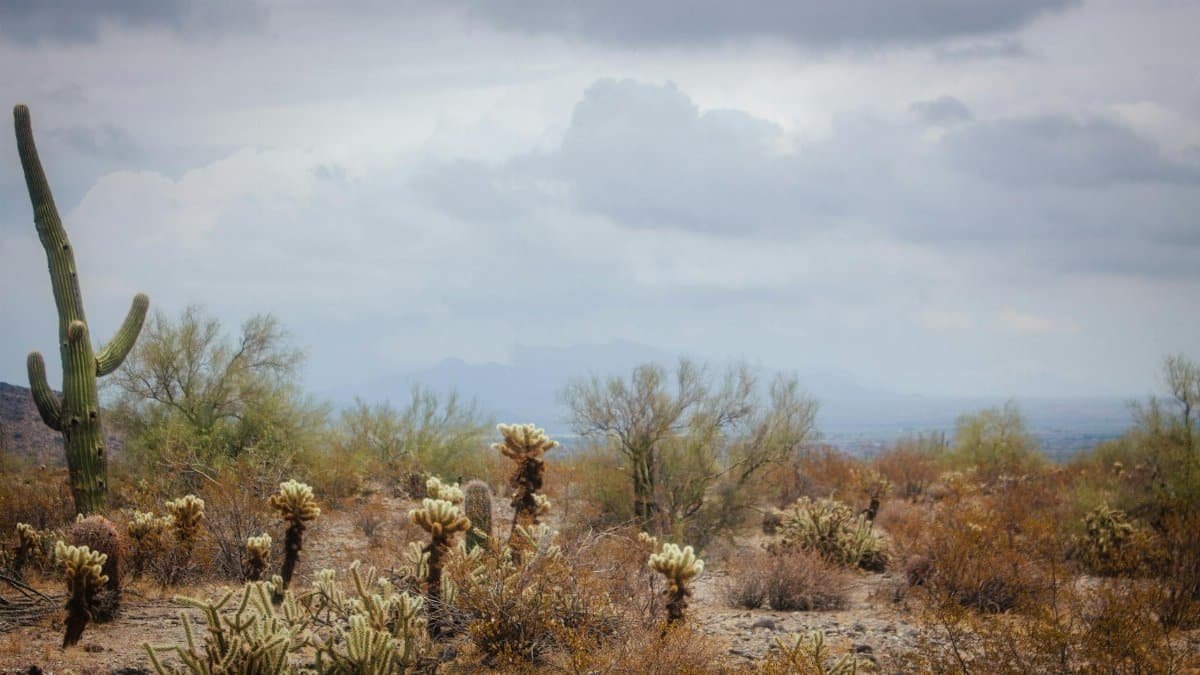
Imagine standing on a sun-scorched mesa, the air shimmering with heat, as a subtle hum seems to rise from the earth itself. This isn’t just a fanciful notion for many who seek out the desert vortex energy of the American Southwest. These mysterious spots—often described as places where the planet’s natural forces converge—draw thousands each year, from spiritual seekers to curious travelers. They come hoping to tap into something ancient, something transformative. Whether it’s a heightened sense of clarity or a fleeting moment of peace, the allure of desert vortex energy lies in its promise of connection to forces larger than ourselves. What makes these nine specific sites so magnetic, and how do their reputed effects shape the experiences of those who visit? Let’s journey through the arid landscapes of Arizona, New Mexico, and beyond to uncover the pull of these enigmatic places.
1. Sedona’s Bell Rock: A Beacon of Balance
In the heart of Arizona’s red rock country, Bell Rock stands as a sentinel, its rounded shape almost glowing under the desert sun. Many who trek its trails report a sense of equilibrium, as if the site’s desert vortex energy recalibrates their inner compass. Locals and visitors alike describe a grounding force here, one that steadies frayed nerves. A hiker once shared how, after a grueling week, sitting near Bell Rock felt like “resetting a scrambled mind.” While science remains skeptical of such claims, the sheer number of personal accounts suggests something intangible at play. Studies on environmental psychology, like those from the American Psychological Association, hint that natural landscapes can indeed influence mood and focus. Bell Rock’s pull might just be a blend of beauty and belief.
2. Cathedral Rock: A Conduit for Clarity
Also in Sedona, Cathedral Rock looms with jagged spires piercing the sky. It’s often called a place of insight, where desert vortex energy sharpens thought. Visitors frequently meditate along its base, claiming bursts of creativity or sudden solutions to nagging problems. The setting—rugged, quiet, vast—seems to strip away mental clutter. Research from the National Institutes of Health supports the idea that natural environments lower stress hormones, potentially explaining these effects. But is it the vista or the vortex? For many, the distinction doesn’t matter. They leave feeling lighter, sharper, as if the rock itself whispered an answer.
3. Airport Mesa: The Heartbeat of Sedona

Overlooking Sedona, Airport Mesa offers panoramic views and, some say, a pulsating energy. It’s a popular spot for sunset gatherings, where groups often sit in silence, absorbing what they believe is desert vortex energy. One anonymous account from an online forum described the sensation as “a heartbeat beneath the ground, syncing with your own.” Skeptics might point to the altitude or the awe of the view, but believers insist it’s more. The mesa’s accessibility makes it a testing ground for the curious. Whether it’s placebo or something deeper, the shared experience of calm is hard to dismiss. The U.S. Forest Service notes heavy foot traffic here, a sign of its enduring draw.
4. Boynton Canyon: A Sanctuary of Stillness
Tucked away in Sedona, Boynton Canyon feels like a hidden refuge. Its towering walls create a natural cathedral, and many claim its desert vortex energy fosters deep introspection. Hikers often pause mid-trail, struck by an urge to sit and reflect. The quiet here is palpable, broken only by the rustle of leaves or a distant hawk’s cry. Some attribute the canyon’s power to its sheltered geography, which might amplify a sense of enclosure and safety. A report by the Pew Research Center indicates a growing number of Americans seek spiritual experiences in nature, perhaps explaining Boynton’s appeal in 2025. Whatever the source, its stillness lingers long after you leave.
5. Taos Mountain: A Northern Echo
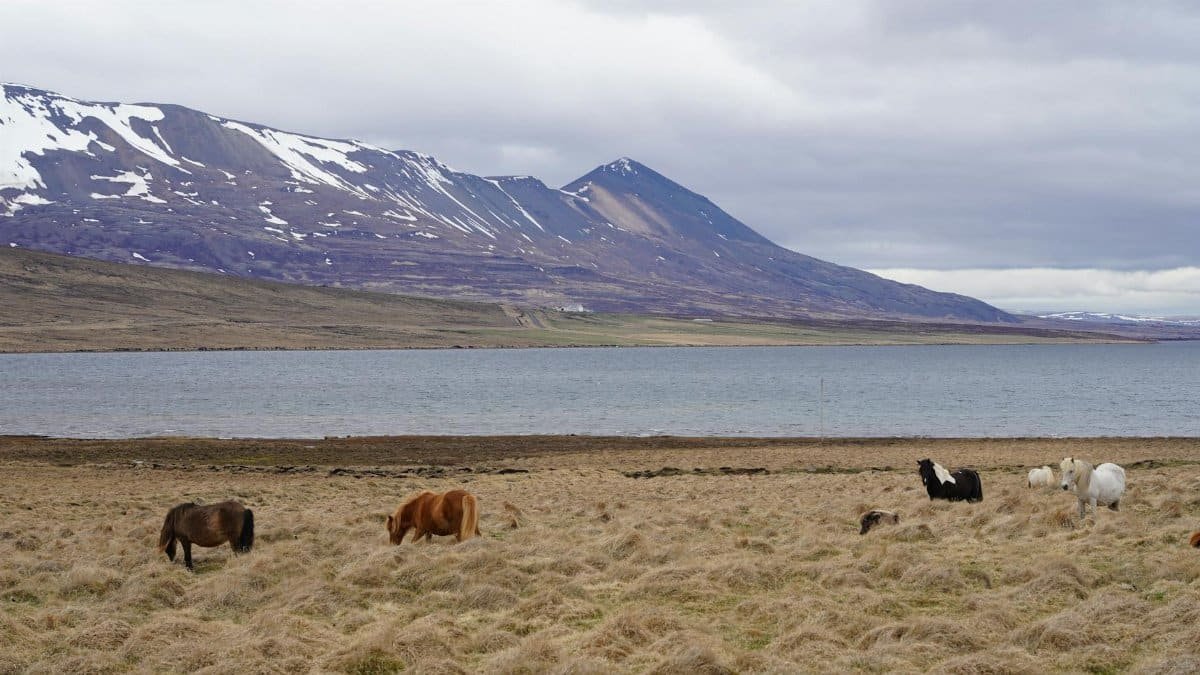
Shifting to New Mexico, Taos Mountain holds a different kind of allure. Revered by Native American communities for centuries, it’s said to radiate a protective desert vortex energy. Visitors often speak of feeling watched over, as if the mountain itself stands guard. The cultural weight of the area, tied to the Taos Pueblo, adds layers of meaning. Unlike Sedona’s tourist-heavy spots, Taos offers a quieter pilgrimage. The energy here feels less about personal epiphany and more about communal grounding. It’s a reminder that these sites aren’t just personal—they’re tied to histories far older than any single visitor’s story.
6. Mount Shasta’s Desert Edge: A Mystic Outlier
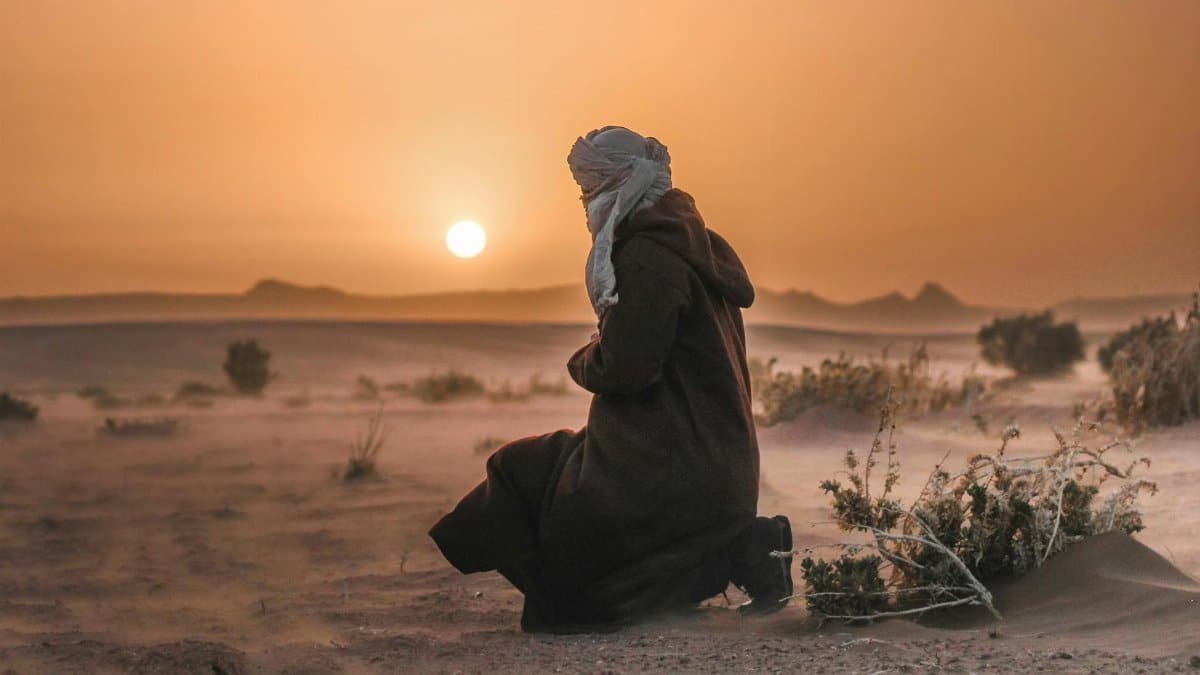
Though not fully in the desert, Mount Shasta’s arid lower slopes in California brush against desert landscapes, earning it a place in vortex lore. Some call it a cosmic portal, with desert vortex energy blending with alpine mystique. Climbers and meditators report vivid dreams or sudden emotional releases near its base. The mountain’s sheer scale might play a role—its presence dwarfs human concerns. But for those who believe, it’s a node of power, connecting earth and sky. The mix of environments here shows how vortex beliefs adapt to varied terrains, reflecting a universal human need for places of significance.
7. Joshua Tree’s Stark Power: A Desert Icon
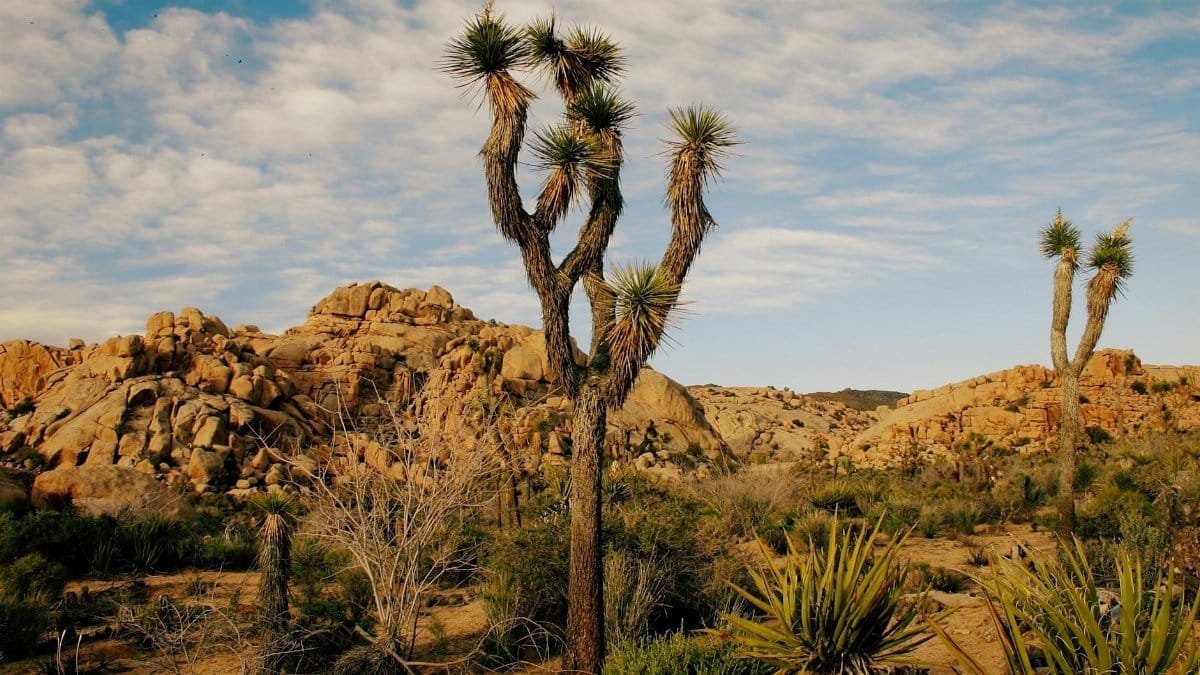
In California’s Mojave Desert, Joshua Tree National Park harbors spots where desert vortex energy feels raw and unfiltered. The twisted, otherworldly trees frame a landscape that feels alive with tension. Visitors often wander off-trail, drawn to unseen forces, seeking solitude among the boulders. One person recalled sitting near Hidden Valley, feeling “a buzz in the air, like static before a storm.” Whether it’s the starkness or something more, Joshua Tree’s energy is undeniable for many. It’s a place where the desert’s harshness mirrors inner struggles, offering clarity through contrast.
8. Chaco Canyon: Ancient Resonance
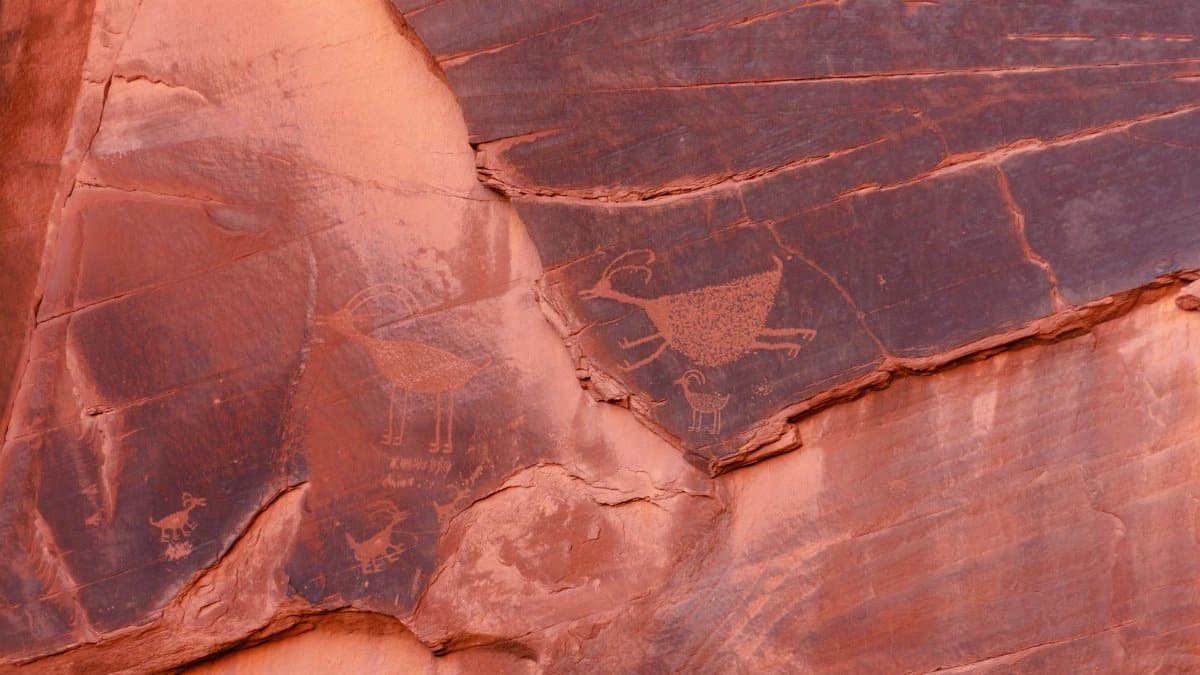
Deep in New Mexico, Chaco Canyon whispers of a time long past. This ancient Puebloan site is less about personal transformation and more about collective memory. Some believe its desert vortex energy ties directly to the astronomical alignments of its ruins. Walking among the stone structures, it’s easy to feel a connection to those who built them a millennium ago. The site’s remoteness adds to its mystique—reaching it feels like a pilgrimage. For modern seekers, Chaco offers a humbling perspective, a reminder that energy, in whatever form, has been sought for centuries.
9. Superstition Mountains: Legends of Force
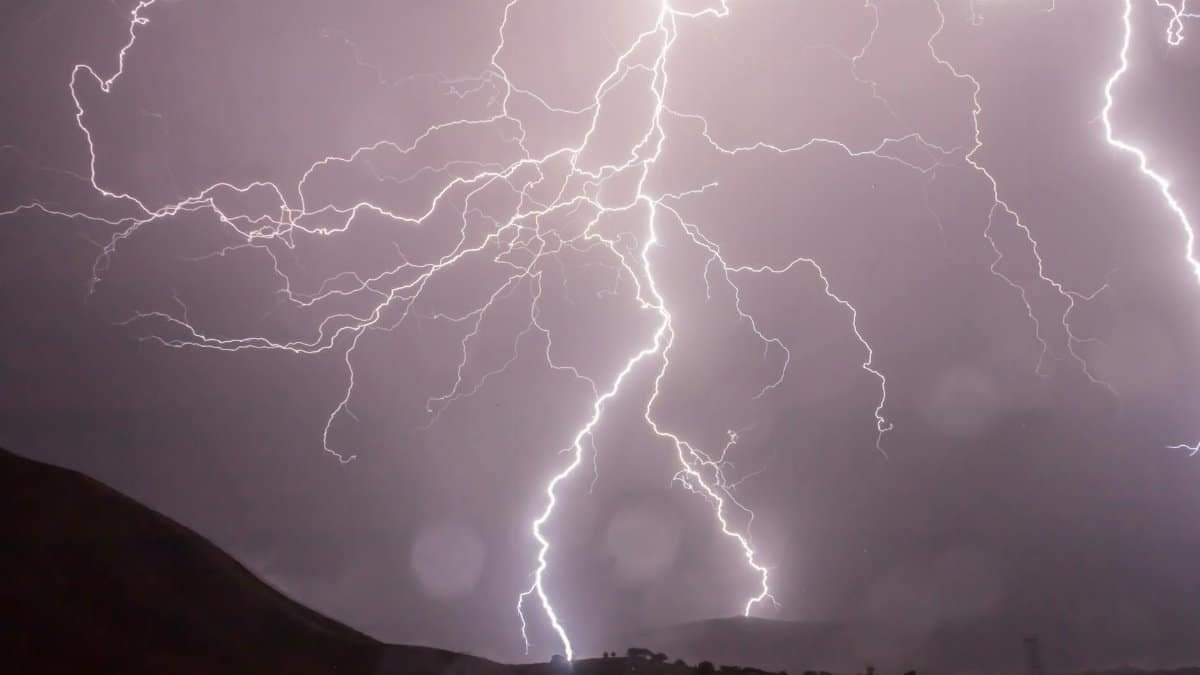
East of Phoenix, Arizona’s Superstition Mountains carry a rugged, almost foreboding charm. Tales of lost gold and Apache lore swirl around them, but so do stories of desert vortex energy. Hikers describe sudden waves of unease or exhilaration on certain trails, as if the mountains hold secrets just out of reach. The energy here feels untamed, less soothing than Sedona’s spots and more challenging. It’s a place that tests as much as it transforms, drawing those who crave mystery over comfort. The Superstitions remind us that not all vortexes are benevolent—some demand respect.
Across these nine sites, the concept of desert vortex energy weaves a thread through diverse landscapes and experiences. From Sedona’s accessible mesas to Chaco’s ancient echoes, each spot offers a unique lens on a phenomenon that defies easy explanation. Science may not fully endorse these claims, but the human need for connection—to place, to history, to something beyond—drives thousands to these deserts each year. In 2025, as more Americans seek meaning in nature, these vortexes stand as both literal and metaphorical anchors. They invite us to pause, to feel, to wonder what lies beneath the surface of the earth—and ourselves.