

A recent study from the National Institutes of Health showed that nearly 40 percent of Americans report fluctuating moods tied to dietary habits, a number that’s climbed steadily over the past decade amid rising stress levels. This surge highlights a growing awareness that what we eat isn’t just fuel, it’s a quiet architect of emotional resilience. Enter the concept of daily foods that support mood stability, those everyday staples rich in nutrients like omega-3s, antioxidants, and complex carbs that help regulate serotonin and dopamine. Far from fad diets, these choices offer a practical way to foster calm in an often chaotic world. As researchers delve deeper, it’s clear that incorporating such foods isn’t about perfection, it’s about building subtle, sustainable habits that echo through our days. In 2025, with mental health conversations more mainstream than ever, understanding these allies in our kitchens could make all the difference.
1. Fatty Fish Like Salmon

Salmon swims into the spotlight when it comes to mood-boosting fare. Packed with omega-3 fatty acids, this fish helps reduce inflammation in the brain, which can otherwise stir up anxiety and depression. People who regularly include it in their meals often notice a steadier emotional keel. Consider a bustling office worker in Chicago who started grilling salmon twice a week. She described how the fog of midday slumps lifted, replaced by a clearer focus that carried her through deadlines. Studies back this up. Research from the National Center for Biotechnology Information links higher omega-3 intake to lower rates of mood disorders. It’s not magic, just biology at work. Grill it with herbs for a simple dinner, or flake it into salads. The key lies in consistency, turning this into a daily foods support ritual that nourishes more than the body.
Yet, access varies. In coastal areas, fresh salmon abounds, but inland, canned versions offer a budget-friendly alternative without skimping on benefits. One anonymous account shared online recently captured the shift: feeling perpetually on edge until swapping processed snacks for this nutrient-dense option. The transformation wasn’t overnight, but gradual, like dawn breaking. Experts recommend aiming for at least two servings weekly, though daily incorporation through smaller portions amplifies the effect. Balance it with veggies to round out the plate.
2. Walnuts and Other Nuts
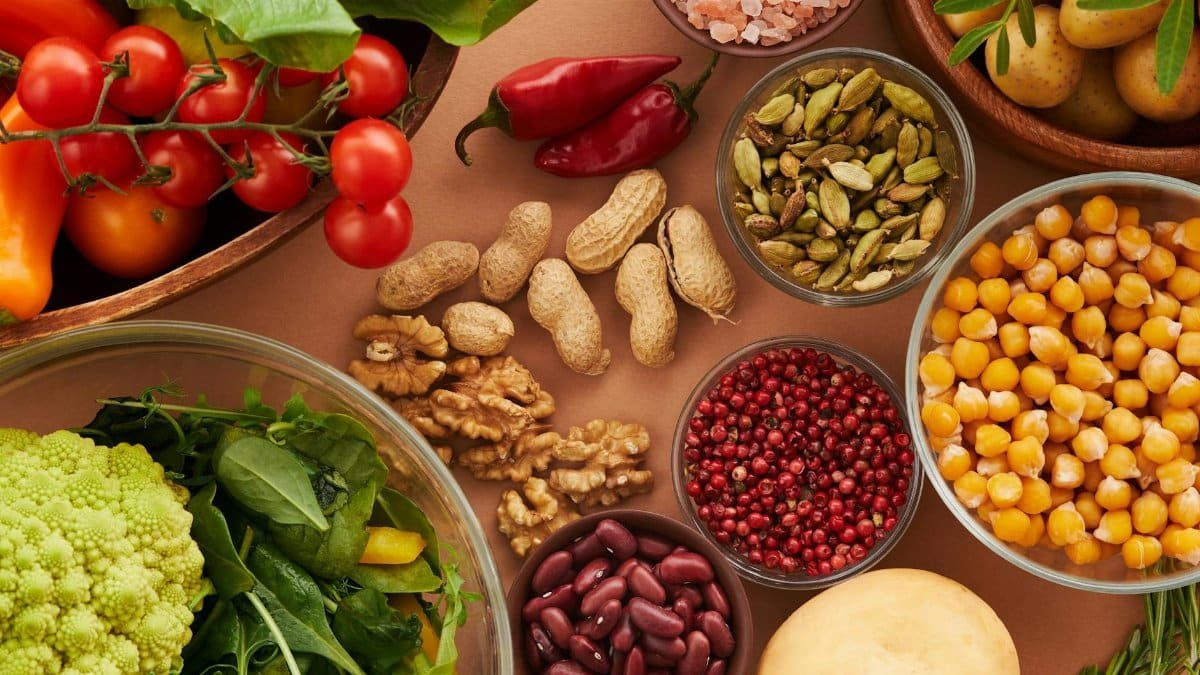
Crunch into a handful of walnuts, and you’re tapping into a trove of mood-enhancing elements. These nuts deliver healthy fats, vitamin E, and folate, all of which shield the brain from oxidative stress. A group of friends in Seattle experimented with nut mixes during their weekly hikes, finding that the post-trail munch steadied their energies far better than sugary bars. Data from the Harvard T.H. Chan School of Public Health underscores how regular nut consumption correlates with improved mental well-being. It’s a small act with outsized impact, weaving daily foods support into snacks that feel indulgent yet wise.
Diversity matters here. Almonds bring magnesium for relaxation, while pistachios add protein for sustained energy. Mix them up to avoid monotony. Tensions arise when allergies factor in, but alternatives like seeds step in seamlessly. Reflect on how such simple swaps ripple outward, fostering resilience in unexpected ways.
3. Berries Such as Blueberries
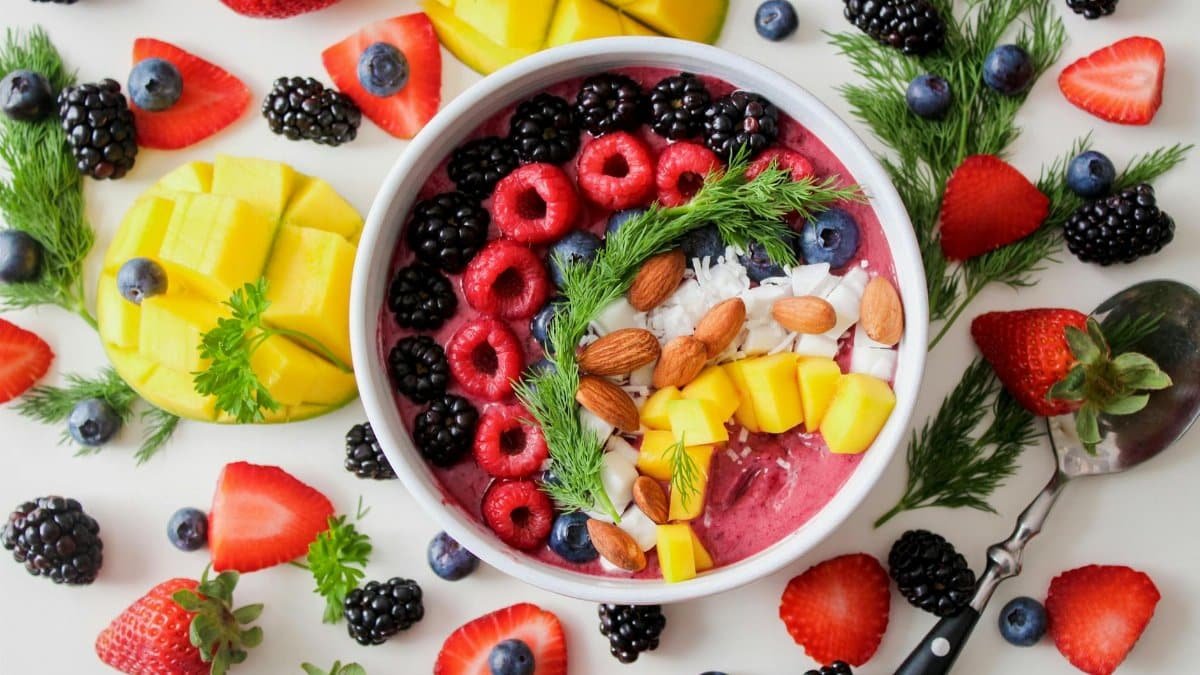
What if a bowl of blueberries could quiet the mind’s chatter? Loaded with antioxidants, these tiny fruits combat free radicals that disrupt brain function, promoting a more balanced mood. In a quiet suburb outside Atlanta, a retiree began blending them into morning smoothies, noting how the ritual anchored her days amid life’s uncertainties. The National Library of Medicine reports that berry-rich diets are associated with reduced depressive symptoms. Fresh or frozen, they slip easily into daily routines, embodying that subtle daily foods support many overlook.
Strawberries and raspberries join the fray, each with unique flavonoids. Frozen options preserve nutrients year-round. One public reflection online described the uplift as “like clearing mental cobwebs,” a sentiment echoing broader trends in 2025’s wellness shifts. Experiment with toppings to keep it fresh.
4. Dark Chocolate

Dark chocolate tempts with more than flavor, it delivers flavonoids that boost endorphins and serotonin. A square or two daily can ease tension without the crash of milk varieties. Picture a New York editor unwinding with a piece after long edits, the bitterness melting into calm. Findings from the National Center for Biotechnology Information affirm its role in mood regulation. This treat redefines daily foods support, blending pleasure with purpose.
Opt for 70 percent cocoa or higher to maximize benefits. Pair it with nuts for added punch. Debates swirl around sugar content, yet moderation turns it into an ally. Sensory details, like the snap and melt, make the habit stick.
5. Leafy Greens Like Spinach
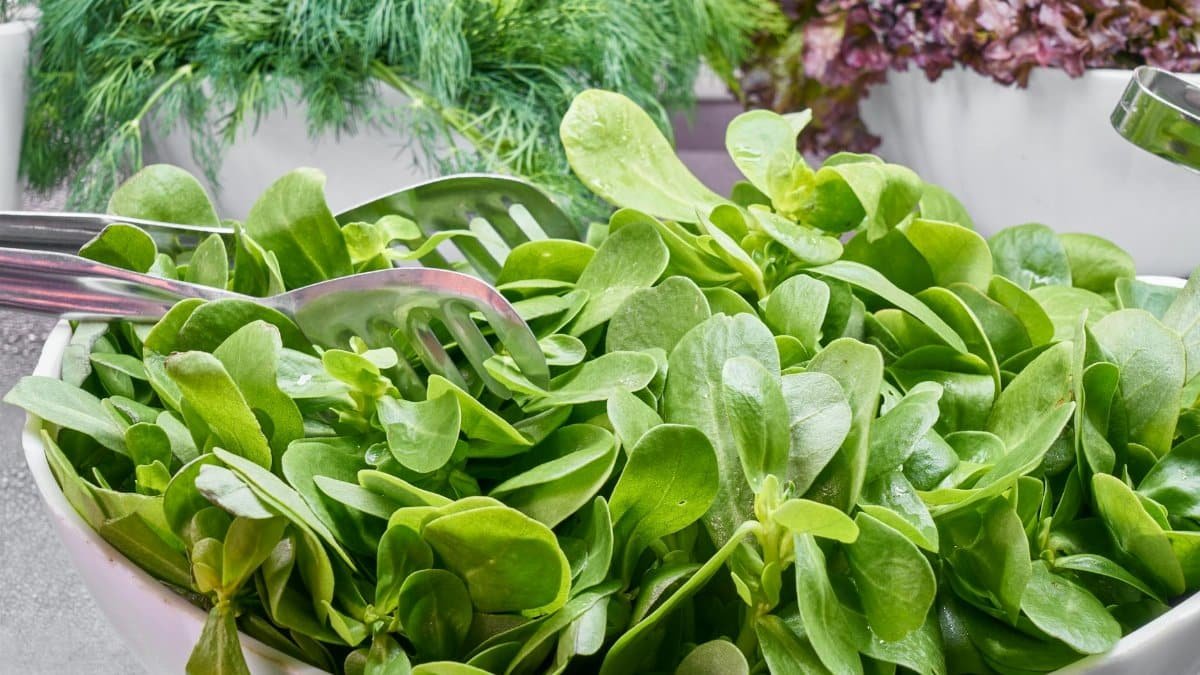
Spinach and its leafy kin pack folate, vital for neurotransmitter production. Deficiencies often link to low moods, so piling on greens counters that. A teacher in Denver swapped lunch salads for spinach-packed ones, feeling her patience extend through chaotic classrooms. The National Institutes of Health Office of Dietary Supplements details how folate supports emotional health. It’s straightforward daily foods support, green and grounding.
Kale and Swiss chard vary the mix. Sauté or blend them. Online forums buzz with stories of renewed vitality, one noting the shift from fatigue to focus. Embrace the versatility.
6. Yogurt with Probiotics
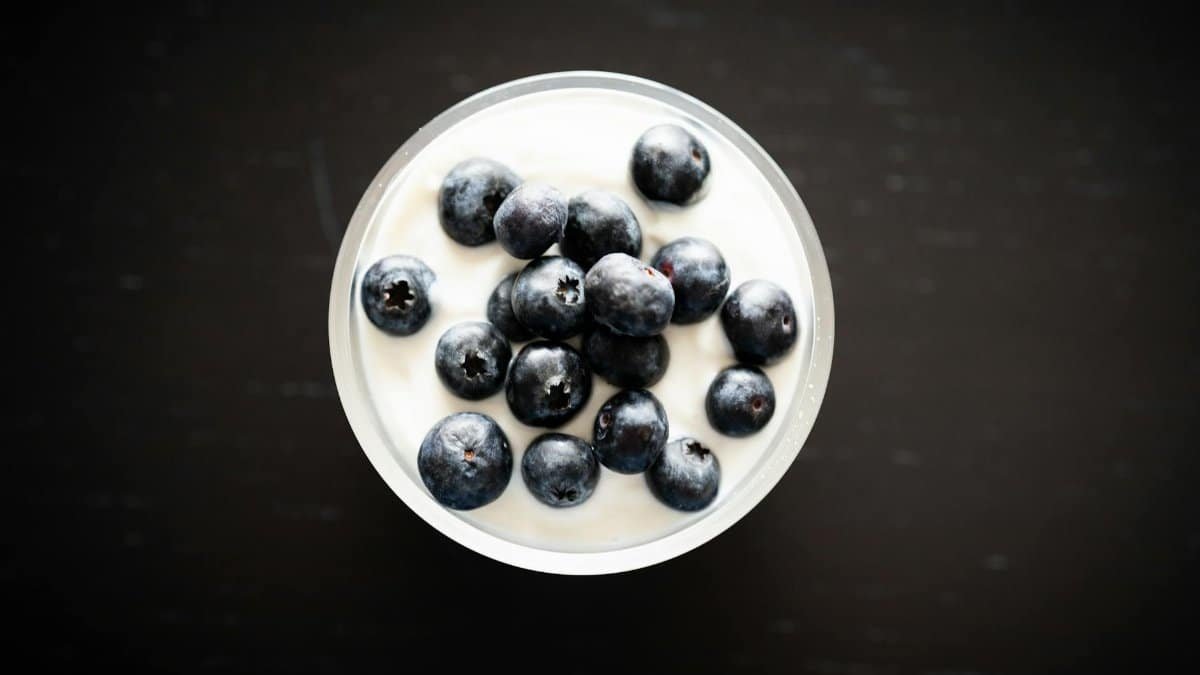
Gut health ties directly to mood via the microbiome, and probiotic yogurt nurtures that connection. It fosters beneficial bacteria that influence brain chemistry. In a Midwest book club, members shared how starting days with yogurt smoothed out emotional edges during discussions. Research from the National Library of Medicine explores this gut-brain axis. A dollop daily becomes essential foods support for stability.
Choose Greek for protein boosts. Flavor with fruits. Complexities emerge with dairy sensitivities, but plant-based options adapt well. The narrative of inner harmony unfolds bite by bite.
7. Bananas

Bananas offer potassium and vitamin B6, aiding serotonin synthesis for calmer states. Portable and sweet, they fit seamless into routines. A runner in Austin grabbed one pre-jog, crediting it for steady energy without jitters. The Harvard T.H. Chan School of Public Health highlights their nutrient profile. This fruit exemplifies accessible daily foods support.
Ripe or green, they adapt. Mash into oatmeal or eat solo. Reflections on simplicity remind us of nature’s quiet gifts.
8. Whole Grains Like Oats
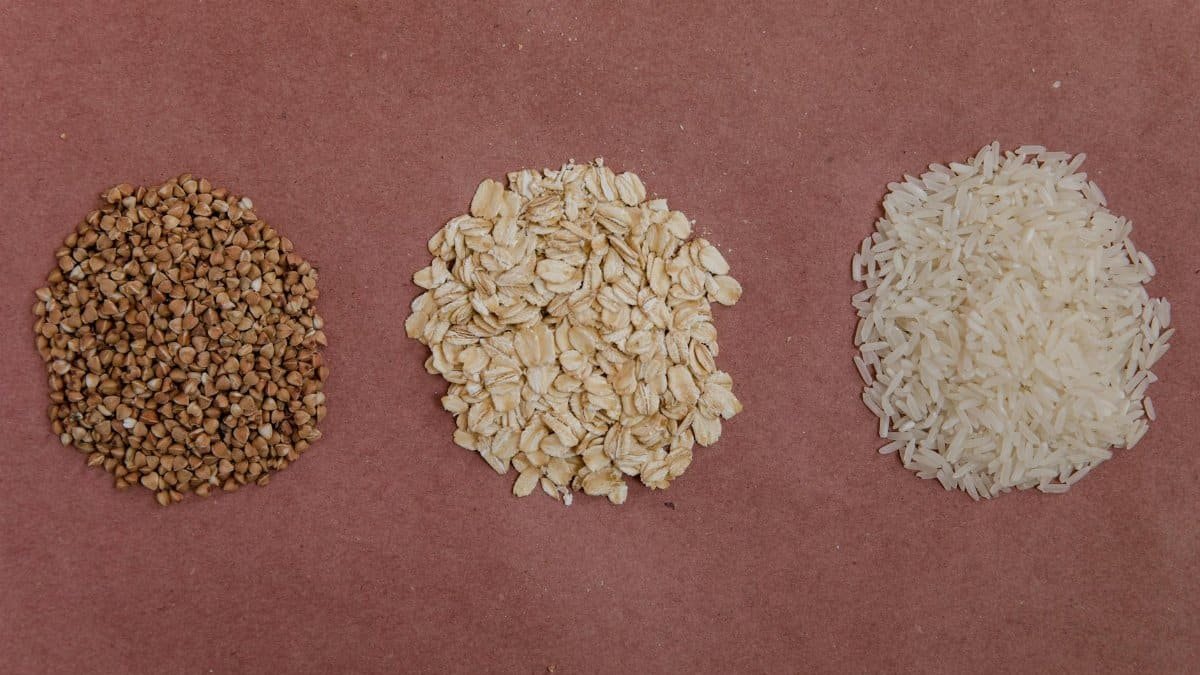
Oats provide complex carbs that stabilize blood sugar, preventing mood dips. A warm bowl starts the day right. In Portland, a barista stirred in oats for breakfast, finding creativity flowed easier. Studies via the Whole Grains Council link them to better mental health. Integral to daily foods support strategies.
Quinoa or brown rice extend the category. Cook ahead for ease. Tensions with gluten are navigable through alternatives.
9. Turmeric in Golden Milk

Turmeric’s curcumin fights inflammation, linked to mood disorders. Stirred into warm milk, it’s a soothing ritual. A writer in San Francisco adopted it nightly, easing into restful evenings. Evidence from the National Center for Biotechnology Information supports its antidepressant effects. This spice rounds out daily foods support with warmth.
Add black pepper for absorption. Experiment with lattes. The golden hue symbolizes emerging calm in 2025’s wellness landscape.