

In a world that never slows down, what if the real key to managing stress lies in listening to our own bodies? What subtle messages are we missing amid the daily grind? As pressures mount from work deadlines to family demands, the human body has its own way of signaling overload, often before we consciously recognize it. These clues, sends, under duress aren’t always loud alarms, but quiet whispers that, if heeded, could prevent burnout. Recent surveys show that over 70 percent of Americans report feeling stressed weekly, yet many ignore these internal cues. It’s time to tune in, decoding what our physiology is trying to tell us about the burdens we carry.
1. Persistent Headaches

Headaches often strike without warning, a throbbing reminder that something’s amiss. For many under pressure, these aren’t just random pains but direct responses to tension building in the muscles and blood vessels. Imagine a busy executive, juggling conference calls and looming reports, suddenly gripped by a vise like squeeze at the temples. This isn’t mere coincidence; stress triggers the release of hormones that constrict blood flow, leading to discomfort. A study from the American Migraine Foundation highlights how chronic stress contributes to tension type headaches in up to 80 percent of cases.American Migraine Foundation on Tension-Type Headaches To counter this, simple practices like deep breathing can ease the strain, allowing blood to flow more freely. Yet, ignoring these signals risks escalating into more severe migraines, a cycle that feeds back into the stress loop.
Consider the story of a teacher in Chicago, who described her headaches as “uninvited guests” during exam season. She pushed through, only to find her productivity plummeting. It’s a common tale: the body demands attention, and when dismissed, it amplifies the message. Varying your routine, perhaps with short walks, disrupts this pattern. Research supports this; movement releases endorphins that act as natural painkillers. Still, the nuance lies in recognizing when a headache signals deeper exhaustion versus a fleeting annoyance. Listening early prevents the buildup, fostering a more balanced response to life’s demands.
2. Digestive Upsets
The gut doesn’t lie, and under pressure, it often rebels in unpredictable ways. Bloating, cramps, or irregular bowel habits emerge as the body’s protest against relentless stress. This stems from the fight or flight response diverting energy away from digestion, leaving the system in disarray. One anonymous account shared publicly online captured it vividly: feeling “twisted inside out” during a high stakes project, with meals turning into battles. Such experiences underscore how stress hormones like cortisol disrupt the microbiome, leading to inflammation.
Experts at the National Institutes of Health note that chronic stress exacerbates conditions like irritable bowel syndrome, affecting millions.NIH on Irritable Bowel Syndrome Incorporating fiber rich foods and mindfulness can restore harmony, but the real insight comes from viewing these upsets as calls for pause. Not every twinge means crisis, yet patterns reveal when pressure has tipped into overload. By addressing them proactively, individuals reclaim control, turning potential disruptions into opportunities for recalibration.
3. Muscle Tension and Aches
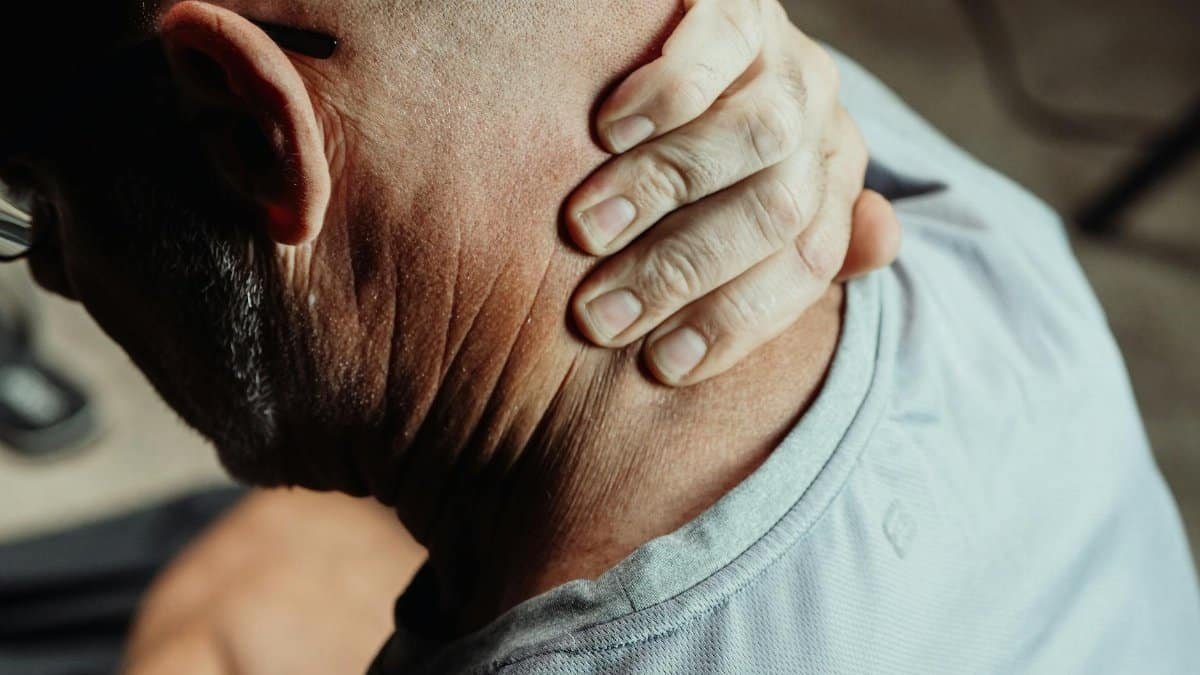
Shoulders hunched, neck stiff, these are the silent sentinels of strain. When pressure mounts, muscles contract involuntarily, holding onto stress like a clenched fist. Picture a parent in New York, racing between childcare and remote work, their back knotting up by midday. This physical manifestation isn’t abstract; it’s the body’s way of bracing for perceived threats. The Mayo Clinic explains that prolonged tension can lead to chronic pain syndromes.Mayo Clinic on Back Pain Causes Stretching or yoga offers relief, but the deeper lesson is in awareness. These aches often build gradually, ignored until they scream. A wry observation: our bodies are like overworked machines, signaling maintenance needs before breakdown. Integrating brief relaxation techniques throughout the day diffuses this buildup, promoting resilience. Yet, tensions also highlight emotional undercurrents, where physical pain mirrors mental burdens. Acknowledging both dimensions transforms discomfort into a pathway for holistic well being.
4. Sleep Disturbances

Nights become battles when the mind races under pressure, with insomnia or restless tossing stealing restorative rest. The body craves sleep to repair, yet stress floods it with adrenaline, keeping vigilance high. A factory worker in the Midwest might lie awake, replaying shift worries, only to drag through the next day. This cycle perpetuates fatigue, weakening immunity and focus. Data from the Centers for Disease Control and Prevention indicates that one in three adults don’t get enough sleep, often linked to stress.CDC Sleep Data and Statistics Establishing a wind down routine, like reading instead of scrolling, signals safety to the body. But here’s the complexity: sometimes disturbances stem from unresolved daytime pressures, bubbling up in dreams. Addressing root causes, perhaps through journaling, uncovers patterns. In 2025, with remote work blurring boundaries, these clues gain urgency, urging boundaries to protect sleep’s sanctity. The payoff? Renewed energy that bolsters pressure handling overall.
5. Skin Reactions

Flare ups like acne or eczema often erupt when least expected, but they’re tied to internal turmoil. Stress hormones inflame the skin, disrupting its barrier and inviting irritants. Envision a student cramming for finals, their face breaking out in protest. It’s not vanity’s foe alone; it’s a visible clue of systemic strain. The American Academy of Dermatology associates stress with worsening skin conditions.American Academy of Dermatology on Stress and Skin Topical treatments help, yet true resolution involves stress reduction techniques like meditation. These reactions remind us that the body speaks through its largest organ, demanding care. Occasionally, they signal allergies amplified by pressure, adding layers to interpret. By heeding them, people foster not just clearer skin but calmer insides, weaving self care into daily rhythms.
6. Frequent Colds or Illness

A weakened immune system under pressure invites viruses, turning minor exposures into full blown sickness. Stress suppresses white blood cells, leaving defenses down. Think of a caregiver in California, catching every bug while managing family health crises. This pattern isn’t bad luck; it’s the body’s resources redirected to survival mode. Research from the National Library of Medicine shows chronic stress increases susceptibility to infections.NLM on Stress and Immune Function Boosting with nutrition and rest fortifies barriers, but the grounded approach examines lifestyle loads. These illnesses force slowdowns, nature’s way of enforcing breaks. In a culture prizing productivity, they challenge us to recalibrate, preventing more serious health dips. Embracing recovery as essential shifts the narrative from weakness to wisdom.
7. Changes in Appetite

Appetite swings wildly under pressure, from ravenous cravings to complete disinterest in food. Stress hormones like ghrelin spike hunger for comfort eats, while others suppress it. A journalist on deadline might binge on snacks, only to skip meals later. This disrupts metabolism, leading to weight fluctuations. The Harvard Health Publishing discusses how stress alters eating behaviors.Harvard Health on Stress and Overeating Mindful eating counters this, tuning into true needs. Yet, these changes often mask emotional voids, where food becomes a stand in for solace. Exploring alternatives like exercise provides healthier outlets. As pressures evolve in 2025, recognizing these clues empowers balanced nutrition, sustaining energy for challenges ahead.
8. Irritability and Mood Swings
Snap decisions and short fuses signal when pressure erodes emotional buffers. The body, flooded with cortisol, heightens reactivity, turning small annoyances into eruptions. Recall a commuter in traffic, lashing out over a delay that mirrors broader frustrations. This isn’t character flaw; it’s neurological, with stress shrinking the prefrontal cortex’s control. Pew Research Center surveys reveal rising irritability amid economic strains.Pew Research on Stress in Younger Generations Though focused on youth, patterns extend broadly.
Breathing exercises restore calm, but delving into triggers uncovers patterns. These moods affect relationships, amplifying isolation. By viewing them as clues, individuals seek support, building resilience through connection.
9. Fatigue Despite Rest

Exhaustion lingers even after sleep, a profound clue that pressure has depleted reserves. Adrenal glands overwork, leading to burnout. A remote worker might collapse on weekends, yet wake drained. This isn’t laziness; it’s the body’s plea for deeper recovery. The World Health Organization recognizes burnout as an occupational phenomenon.WHO on Burnout Prioritizing hobbies and boundaries rejuvenates. The tension? Society equates busyness with worth, making rest revolutionary. In 2025, as work cultures shift, heeding this fatigue fosters sustainable living, turning weariness into a catalyst for change.