
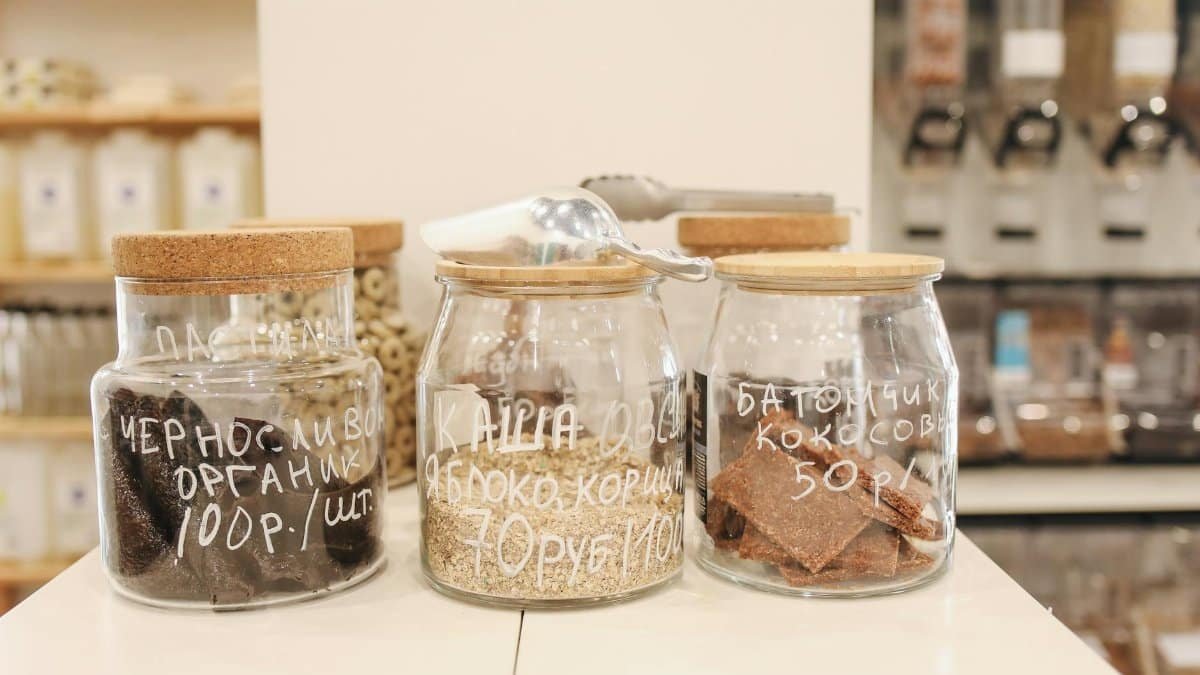
In an era where sustainability meets savvy home hacks, glass jars are emerging as the unsung heroes of the zero-waste pantry. Salvaged from pasta sauces, jams, and pickles, these sturdy containers are slashing plastic use and organizing chaos into chic efficiency. With Americans generating over 140 million tons of trash yearly—much of it food packaging—repurposing glass jars saves cash, reduces waste, and elevates pantry aesthetics. From bulk buys to meal prep, here are nine clever ways to make them indispensable.
1. Bulk Bin Grain Guardians
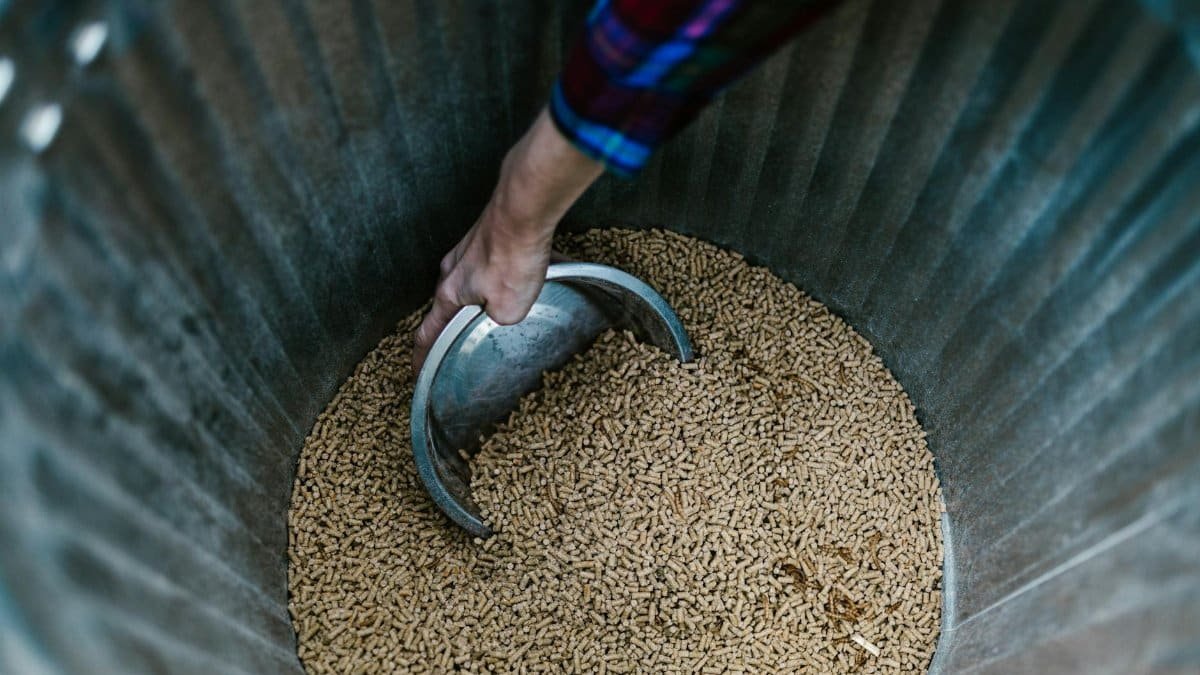
Skip pricey plastic bins at the store; grab mason jars for oats, rice, and quinoa straight from bulk aisles. Their airtight lids—secured with rubber bands if needed—keep pests out and freshness in. A New York homesteader shared on TikTok how this swap cut her grocery bill by 20% while ditching single-use bags. Label with chalkboard paint for easy rotation, turning FIFO (first in, first out) into a breeze. Pro tip: Wide-mouth jars handle scooping without spills.
2. Spice Rack Revolution
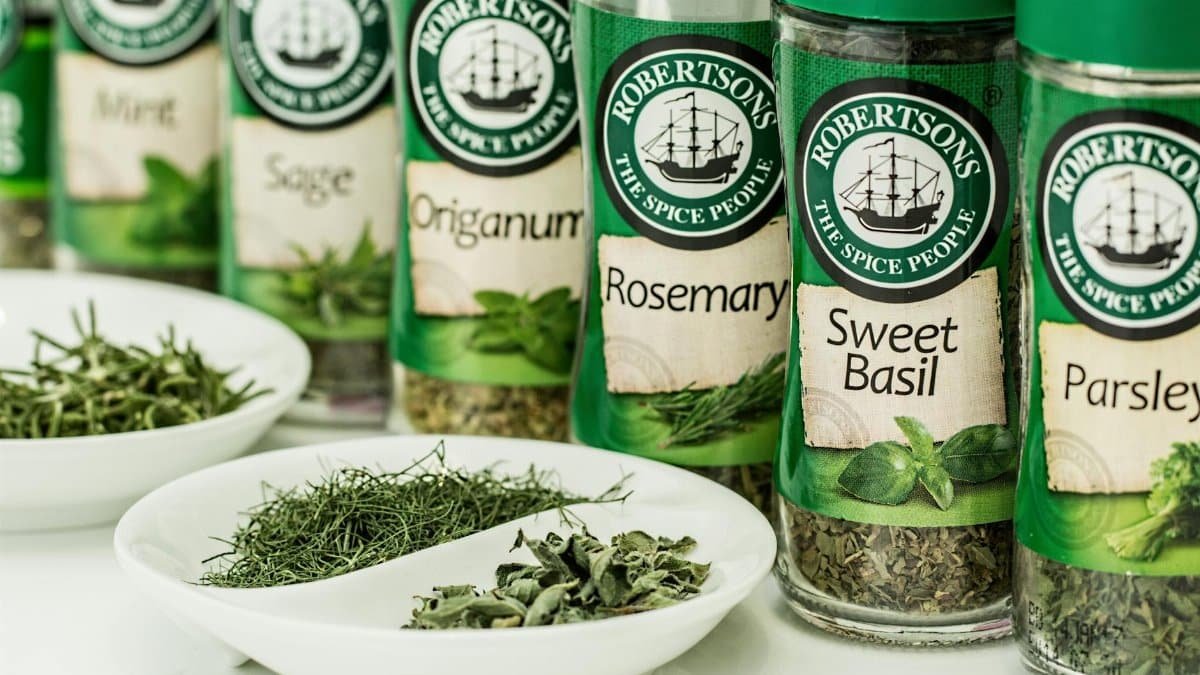
Small glass jars from baby food or spice bottles become custom racks. Screw lids to a wooden board underside, twist jars on for magnetic-like hold—genius for tight spaces. This trick, popularized by Brooklyn minimalists, organizes cumin to paprika without counter clutter. Fill halfway to avoid overbuying, aligning with USDA advice on spice shelf life. One user reported tossing zero stale spices after six months, proving flavor and function in one.
3. Flour and Sugar Sentinels
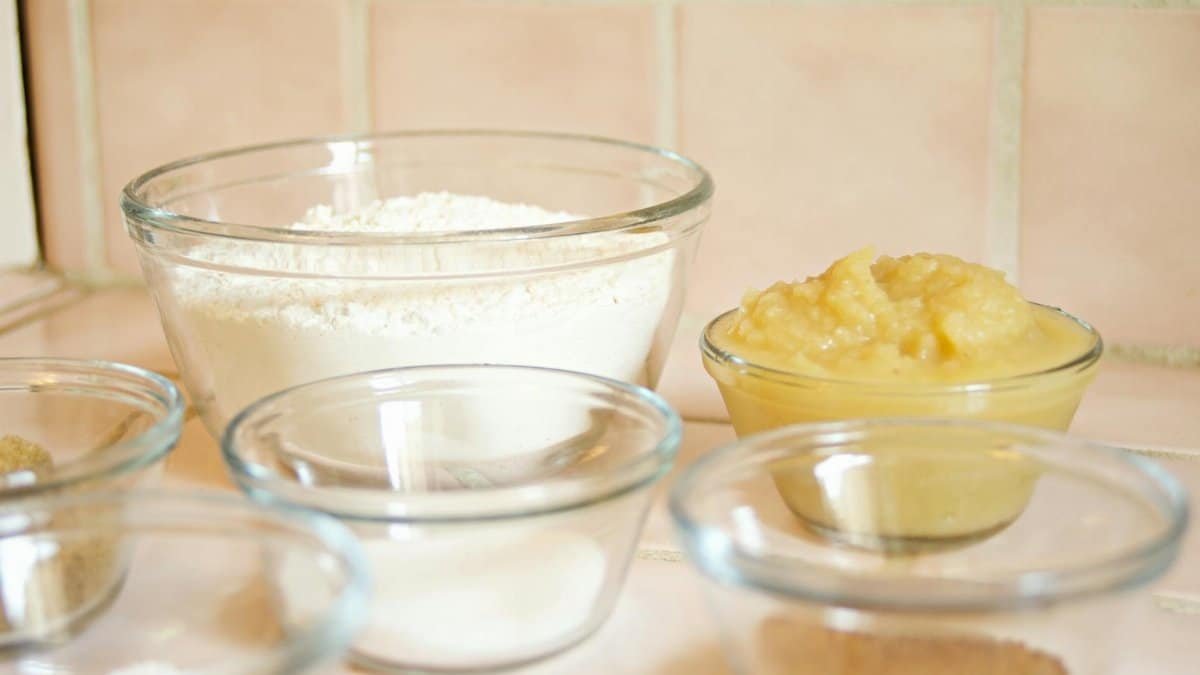
Baking enthusiasts, rejoice: Quart-sized jars seal flour from pantry moths better than bags. Add a scoop inside for mess-free measuring. A Chicago baker’s Instagram demo showed humidity-proof storage extending shelf life by months. For sugar, layer with vanilla beans for infused sweetness—zero waste at its sweetest. Stack on pull-out shelves for vertical real estate, maximizing even the tiniest pantries.
4. Pasta and Noodle Nest
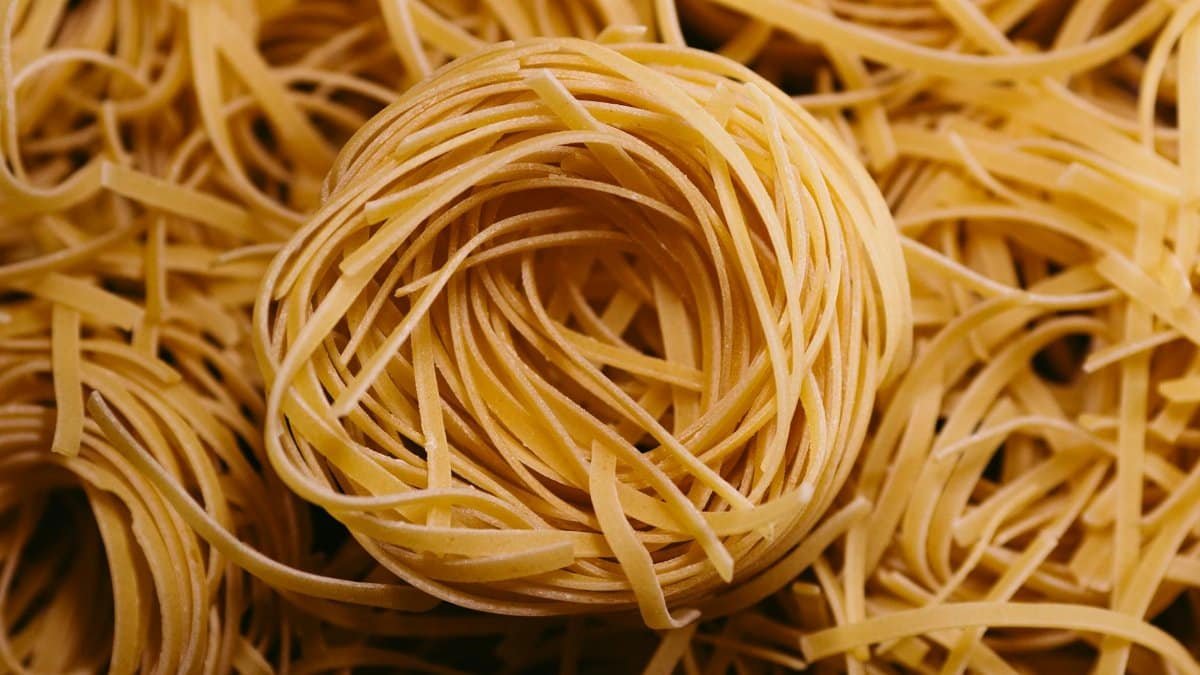
Those spaghetti sauce jars? Perfect for dry pasta, preventing breakage and staleness. Submerge in boiling water for quick rinsing post-salvage. A sustainability blog from Portland highlighted how this habit diverts 50 jars yearly from landfills per household. Group by shape—penne in shorties, linguine in tall—for visual inventory. Bonus: Microwave-safe for reheating leftovers straight from storage.
5. Nut and Seed Strongholds
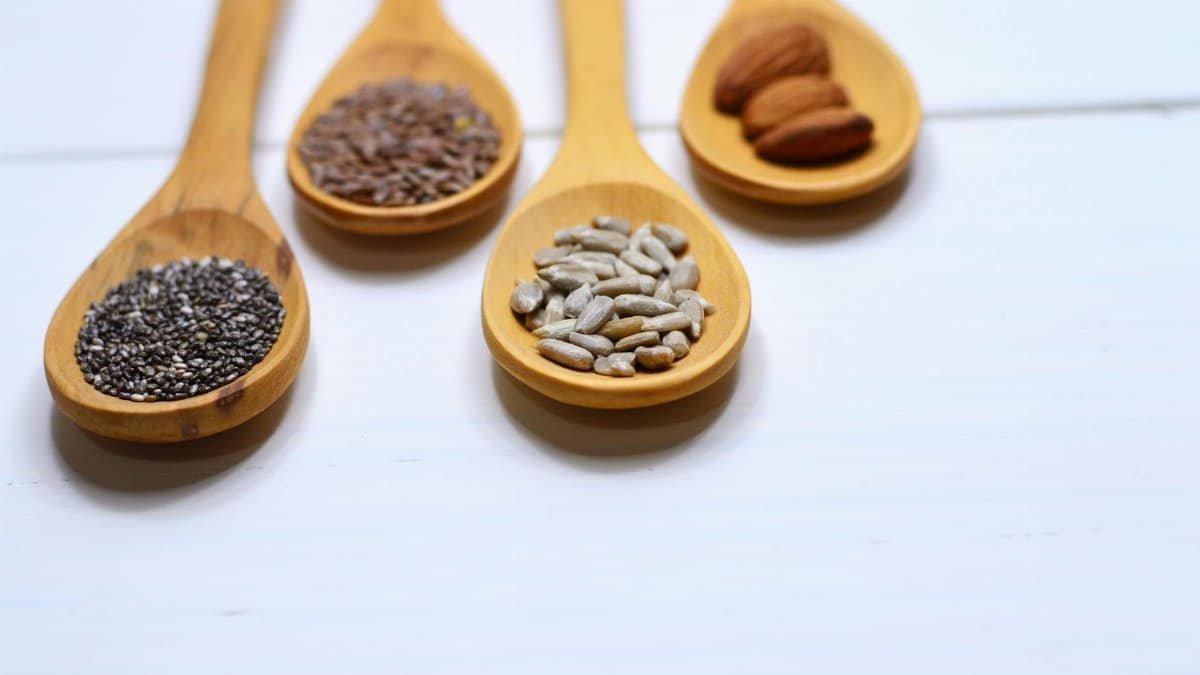
Almonds, chia seeds, and walnuts stay crisp in pint jars, blocking oxygen that causes rancidity. Freeze extras in larger ones for up to a year, per FDA guidelines. A Denver zero-waster’s hack: Layer nuts with dried fruits for grab-and-go trail mix. This method not only organizes but portion-controls snacking, aiding budget belts amid rising nut prices—up 15% last year.
6. Tea and Coffee Cubbies

Loose-leaf tea or ground coffee demands darkness; tinted or wrapped jars deliver. Cork new lids from craft stores for a premium seal. Inspired by Japanese bento culture, U.S. influencers are stacking them in lazy Susans for spin-and-serve access. One Seattleite claimed it halved her coffee waste, as grounds stayed fresh twice as long. Aesthetic win: Tie twine labels for farmhouse charm.
7. Meal Prep Marvels
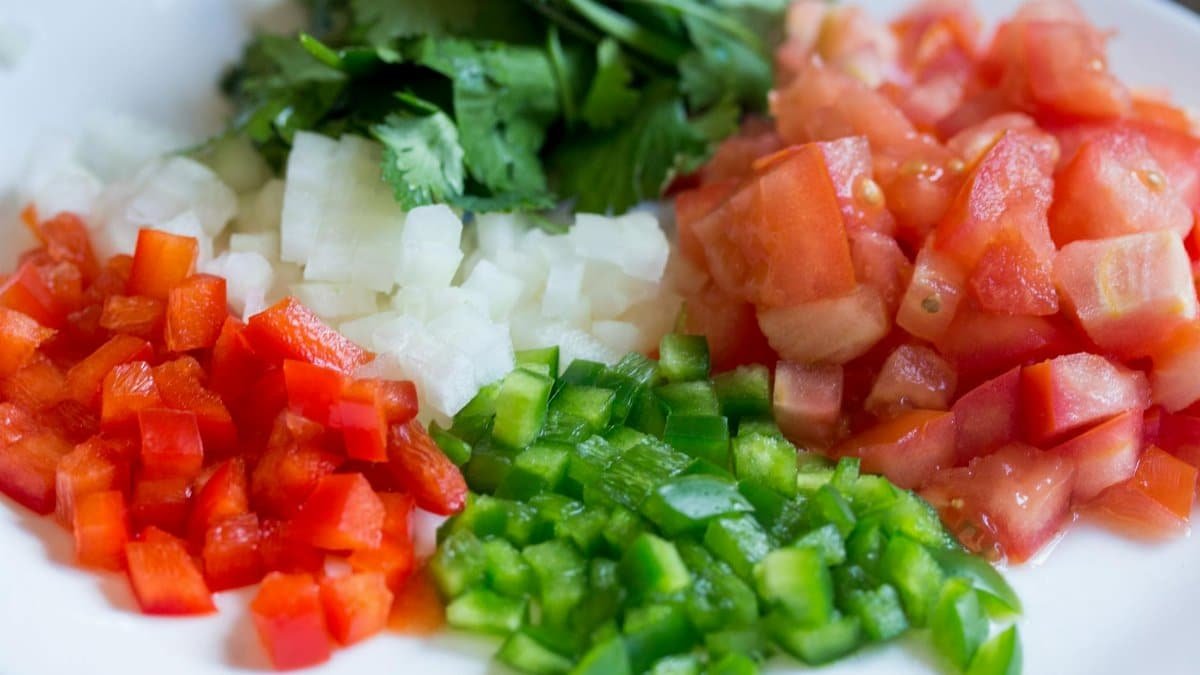
Layer salads, soups, or overnight oats in straight-sided jars for grab-and-grab portability. Glass doesn’t stain or absorb odors like plastic, and they’re oven-safe for baking. A viral recipe from a Miami foodie uses them for weekly preps, saving hours. Divide sauces at the bottom to keep crunch intact—physics meets frugality. Dishwasher top-rack for effortless cleanup.
8. Herb and Spice Infusion Stations
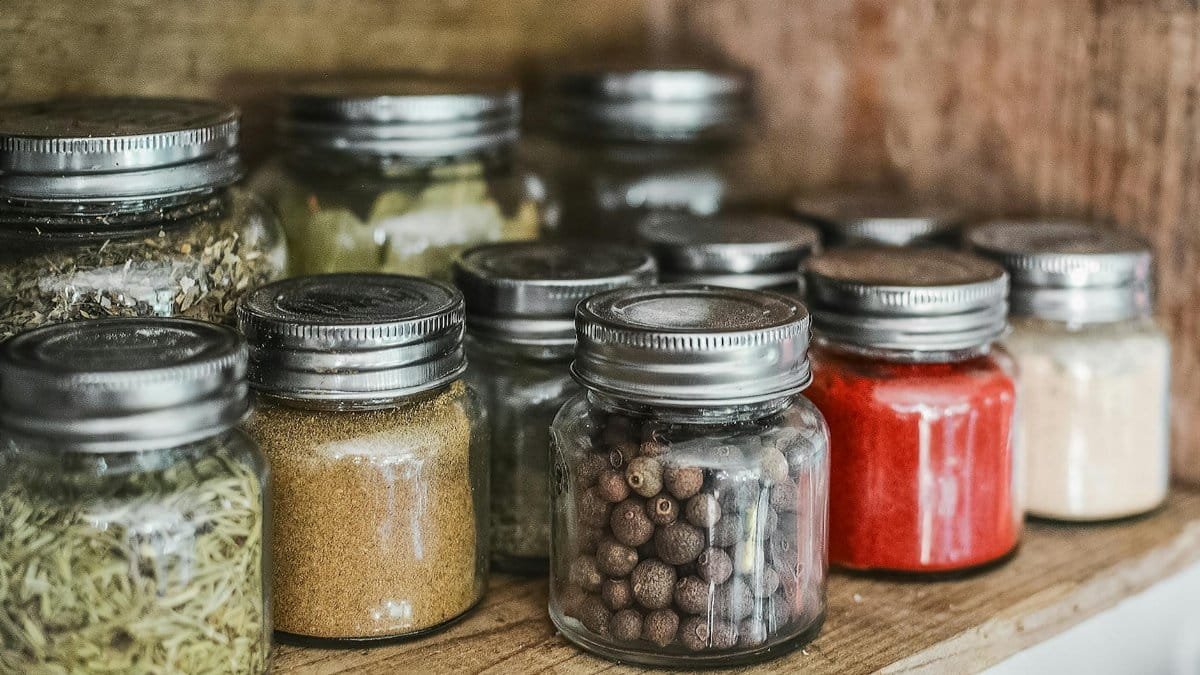
Fill jars with vinegars or oils, toss in rosemary sprigs or garlic for custom dressings. Strain after weeks for pantry staples. This DIY, echoed in Bon Appétit’s zero-waste issue, turns scraps into savings—homemade beats $5 bottles. Store on door racks to free shelves. Safety note: Use vinegar’s acidity to prevent botulism, as advised by food safety pros.
9. Custom Label Launchpad

Elevate with DIY labels: Mod Podge printed paper or washi tape for wipeable tags. QR codes link to recipes, per a San Francisco tech-savvy tip. This system, adopted by busy parents nationwide, ensures nothing expires unnoticed. Combine with inventory apps for digital backups. Result: A pantry that’s Instagram-ready and wallet-friendly, embodying the zero-waste ethos.
Repurposing glass jars isn’t just trendy—it’s a practical rebellion against waste. With minimal effort, your pantry becomes a model of mindful living, blending sustainability and style. As one expert from the Zero Waste Chef notes, “Small swaps like these compound into massive impact.” Ready to jar up?By Chris F. Weber