
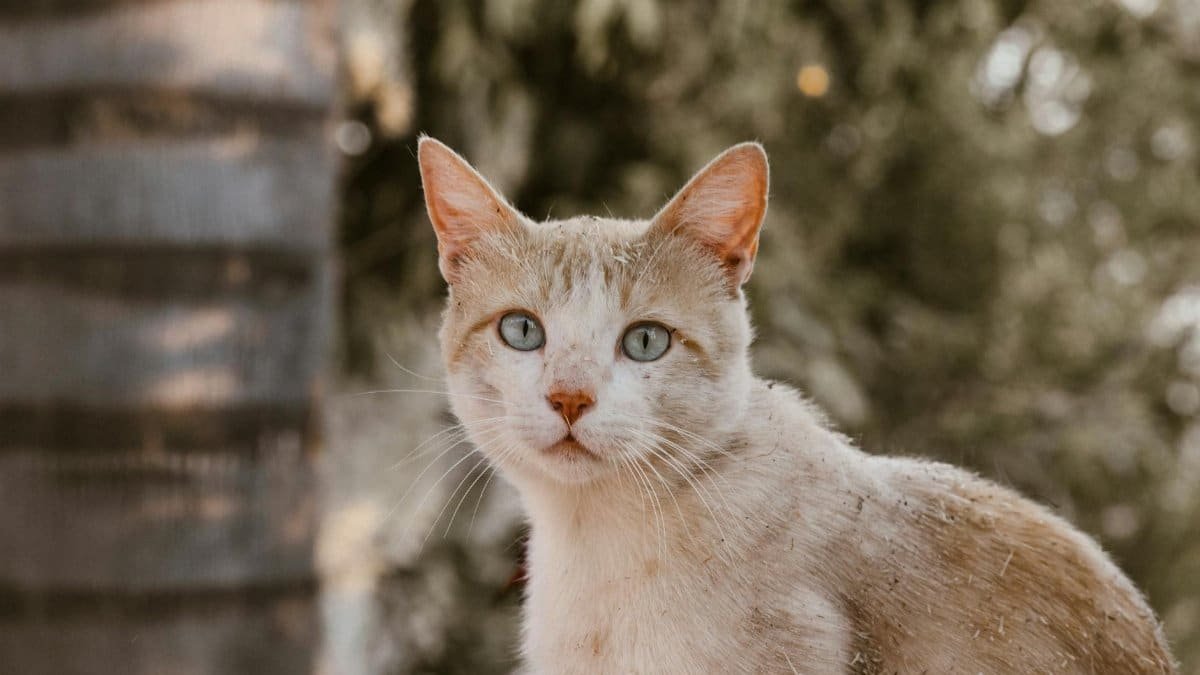
In a surprising twist, a 2023 study from the American Psychological Association found that pet owners, particularly those with cats, report 30% lower stress levels compared to non-pet owners, a figure that’s climbed steadily amid rising urban anxieties. This insight resonates deeply in North Carolina, where the blend of coastal serenity and Appalachian tranquility offers a perfect backdrop for adopting habits that foster inner peace. As we navigate the hustle of 2025, with economic pressures and digital overload at all-time highs, turning to feline-inspired routines might just be the understated key to reclaiming calm. The keyword habits, improve, north takes on new meaning here, suggesting small, cat like adjustments that enhance emotional steadiness in the Tar Heel State. From lazy afternoons in Raleigh to quiet evenings in Asheville, these practices draw on cats’ innate ability to stay composed, offering lessons for humans seeking respite.
1. Embracing the Art of Napping

Cats have mastered the short nap, curling up in sunlit spots for quick recharges. In North Carolina, where humid summers demand energy conservation, this habit translates to intentional breaks amid daily routines. Picture a busy parent in Charlotte, stealing 20 minutes on a porch swing after lunch. Such pauses aren’t laziness; they’re strategic. Research from the National Sleep Foundation highlights how power naps boost cognitive function and reduce stress hormones. One anonymized account from an online discussion captured it well: someone described feeling overwhelmed by work deadlines until adopting cat style siestas, noting a profound shift in clarity. By weaving these rests into schedules, North Carolinians can mirror feline efficiency, emerging refreshed for evening family time or community events.
This approach counters the always on culture prevalent in tech hubs like the Research Triangle. Instead of pushing through fatigue, consider the cat’s wisdom: rest as renewal. Transitions to evening activities become smoother, with less irritability clouding interactions.
2. Cultivating Curious Exploration

Start with a scene: a tabby cat in a Wilmington backyard, pawing at drifting leaves, utterly absorbed. This curiosity driven play is a habit worth borrowing for calm in North Carolina’s diverse landscapes. Amid the state’s beaches and forests, encouraging mindful wandering can dissolve mental fog. A study linked from the American Psychological Association’s mindfulness resources shows exploratory activities lower anxiety by fostering present moment awareness.
Yet, it’s not always straightforward. Urban dwellers in Durham might face barriers like traffic noise, but reframing walks as adventures shifts the dynamic. One local, reflecting on a hike in the Blue Ridge Mountains, found unexpected peace in observing wildflowers, a simple act that echoed a cat’s inquisitive prowls. This habit builds resilience, turning potential stressors into opportunities for delight.
Varying the pace matters too. Sometimes, it’s a slow amble; other times, a brisk trail run. The key lies in engagement, not speed.
3. Perfecting the Stretch Routine

What if stretching, like a cat arching its back after a nap, became a daily ritual? In North Carolina, where outdoor activities abound from hiking in Pisgah National Forest to yoga on Outer Banks sands, this habit promotes physical ease that spills into mental calm. Dive into the science: findings from a Harvard Medical School report indicate regular stretching reduces muscle tension and enhances mood via endorphin release. Linked here is their guide on stretching benefits.
Illustrate with a quick tale. A retiree in Greensboro started morning stretches inspired by her cat, transforming stiff joints into fluid motion. No grand epiphanies, just steady improvement. Challenges arise, like consistency in rainy weather, but adapting indoors keeps the momentum. This practice underscores habits, improve, north by aligning body and mind in a state known for its natural wellness vibes.
4. Honing Selective Socializing

Cats choose their company wisely, retreating when overwhelmed. For North Carolinians juggling community barbecues and family gatherings, this selective engagement preserves energy. A Pew Research Center analysis on social connections reveals that quality interactions trump quantity for well being, with data showing balanced socializing cuts loneliness by 25%. Access the full insights via Pew’s social trends page.
Consider the tension: in sociable Southern culture, saying no feels awkward. Yet, one anonymous forum post described the relief of setting boundaries, likening it to a cat slipping away for solitude. This habit fosters deeper connections when you do engage, enhancing calm amid the state’s vibrant social scene.
Transitions to alone time become seamless, recharging for the next interaction.
5. Mastering Mindful Grooming

Observe a cat meticulously cleaning its fur; it’s a lesson in self care. In North Carolina’s humid climate, adopting grooming rituals like evening skincare or baths can ground the day. The CDC’s wellness guidelines emphasize hygiene’s role in mental health, linking routines to reduced stress. Find more at CDC’s mental health resources.
But weave in complexity. For some, this evolves into meditative practices, like journaling while grooming. A Chapel Hill resident shared how this habit turned chaotic evenings into serene reflections, improving sleep quality. It’s not about perfection; even imperfect routines build calm.
6. Practicing Patient Observation

Cats perch on windowsills, watching the world unfold without rush. In fast paced Raleigh, this patient watching habit encourages pausing to observe, be it birds in a park or waves at the coast. Studies from NIH show mindfulness observation lowers cortisol levels. Explore related research on NIMH’s stress page.
A narrative snapshot: during a stormy afternoon, emulating a cat’s vigil led one person to notice subtle rain patterns, dissolving work worries. This habit, part of habits, improve, north, invites stillness in a state brimming with natural spectacles.
Yet, distractions lurk. Pushing through requires intent, yielding profound quietude.
7. Developing Playful Detachment
With a toy or shadow, cats engage fully then detach effortlessly. North Carolinians can apply this to hobbies, like fishing in the sounds or crafting in mountain cabins, letting go of outcomes for pure joy. Psychological insights from the University of Pennsylvania’s Positive Psychology Center affirm play’s calm inducing effects. Link to their resources page.
Complexity adds depth: initial frustration with detachment gives way to freedom. An illustrative example involved a hobbyist who, inspired by her cat, released perfectionism in painting, finding unexpected tranquility.
8. Nurturing Independent Comfort

Cats find solace alone, teaching self sufficiency. In North Carolina’s spread out communities, building personal comfort zones like cozy reading nooks combats isolation. Data from Gallup polls on well being supports independence’s link to resilience. View trends at Gallup’s global research hub.
Start with observation: a solo evening walk in Winston Salem, embracing solitude. This habit strengthens inner calm, vital in 2025’s uncertain times.
Transitions to social reentry feel empowered, not obligatory.
9. Adapting to Rhythmic Routines

Finally, cats thrive on subtle rhythms, eating and sleeping in cycles. Aligning with North Carolina’s seasonal shifts, like harvest festivals or beach off seasons, creates predictable calm. A Mayo Clinic overview ties routines to stress reduction. Access it through Mayo Clinic’s stress management article.
Reflect on a story: adapting meal times to feline patterns helped one family sync with nature’s pace, easing daily tensions. This culminates habits, improve, north, weaving calm into the fabric of Tar Heel life.
As these habits unfold, they reveal a path to sustained peace, grounded in simple, observable wisdom.