
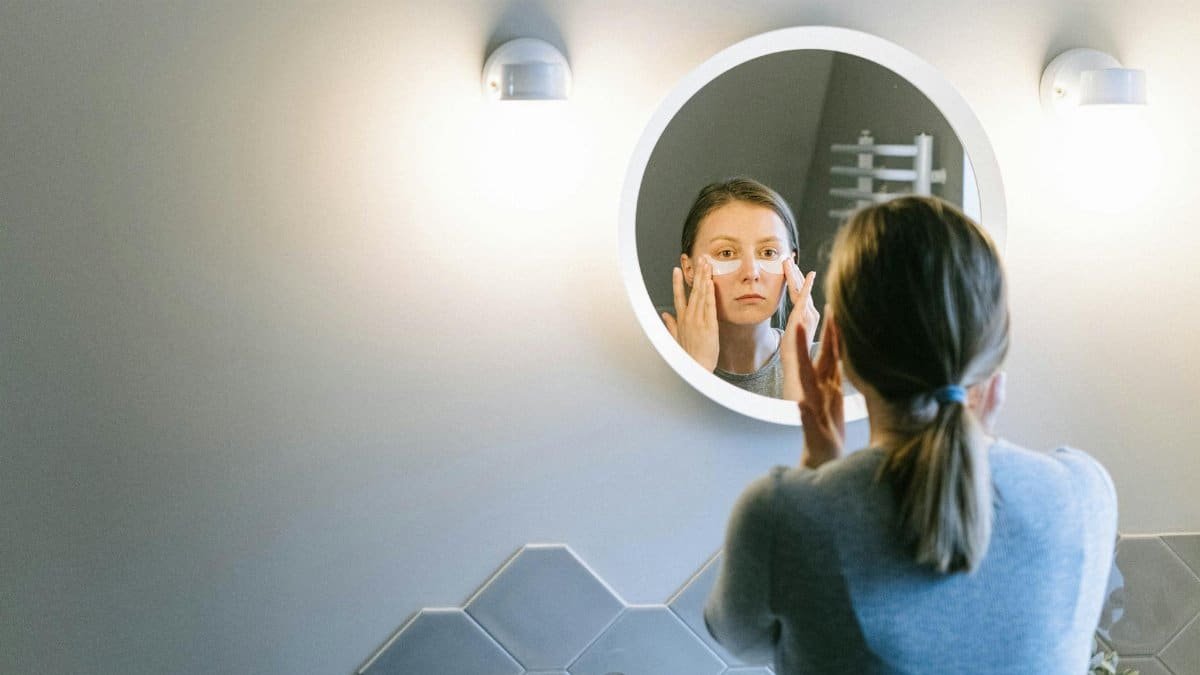
In a fast-paced world, it’s striking how many Americans are turning to simple habits for solace. A recent Pew Research Center survey found that 45% of adults now incorporate some form of daily calming practice into their routines, up from just 28% a decade ago. This surge reflects a broader shift toward mindfulness amid rising stress levels from work, technology, and global uncertainties. These rituals, modern, shaping everyday lives, aren’t about grand gestures but small, intentional acts that foster balance. From urban professionals to suburban parents, people are rediscovering the power of routine to anchor their days. As we navigate 2025, these practices offer a quiet rebellion against constant hustle, promising calmer minds and more grounded existences.
1. Morning Meditation Moments

Starting the day with meditation has become a cornerstone for many seeking clarity. Imagine a busy executive in Chicago, pausing before emails flood in, sitting quietly for ten minutes. This practice, rooted in ancient traditions but adapted for today’s schedules, helps quiet mental chatter. Research from the National Institutes of Health shows meditation reduces anxiety by up to 40% over time.National Center for Complementary and Integrative Health details how even brief sessions rewire the brain for better focus. It’s not about perfection; it’s the consistency that builds resilience. One anonymous online account shared feeling “like a fog lifted” after weeks of this ritual, highlighting its transformative pull in modern chaos.
Yet, challenges arise. Not everyone has a serene space. Adapting by using apps or guided audio makes it accessible. The key lies in personalization, turning a potentially daunting task into a welcoming start.
2. Gratitude Journaling Sessions

What if jotting down three things you’re thankful for could reshape your outlook? This ritual gains traction among middle-aged Americans juggling careers and family. A study by the University of California, Berkeley’s Greater Good Science Center links regular gratitude practice to improved sleep and relationships.Greater Good Science Center explains the neurological boosts, like increased dopamine. Picture a teacher in Texas, ending her evening by noting small wins, from a student’s smile to a warm meal. It counters negativity bias, a common modern affliction.
Variety keeps it fresh. Some pair it with coffee, others with bedtime. The act fosters presence, weaving positivity into daily fabric without overwhelming effort.
3. Mindful Walking Breaks

Amid sedentary office life, stepping out for a mindful walk offers respite. This isn’t rushed exercise but intentional movement, noticing surroundings. The American Psychological Association reports such walks lower cortisol levels significantly.American Psychological Association on Mindfulness underscores benefits for mental health. Envision a New York accountant strolling Central Park, focusing on breath and birdsong, shedding work tension.
Urban dwellers adapt by pacing hallways or using treadmills with awareness. It bridges body and mind, countering digital overload. Tensions emerge when weather or time constraints hit, but flexibility turns it into a sustainable habit, shaping calmer commutes and clearer thoughts.
4. Digital Detox Intervals

Setting aside devices for designated times carves out mental space. In 2025, with screen time averaging over seven hours daily, this ritual pushes back. Harvard Medical School’s research highlights how unplugging improves sleep quality and reduces burnout.Harvard Health Publishing advises starting small, like device-free meals. Think of a family in Seattle, banning phones during dinner, rediscovering conversation.
The pull of notifications tests resolve, yet the reward is deeper connections. It’s a modern necessity, reframing technology as a tool rather than a tyrant.
5. Deep Breathing Exercises

Simple breaths can anchor a hectic day. Techniques like 4-7-8 breathing, popularized by wellness experts, calm the nervous system swiftly. The Mayo Clinic notes its role in stress management, backed by physiological evidence.Mayo Clinic on Breathing Techniques provides practical guides. A nurse in Atlanta might use it between shifts, inhaling peace amid chaos.
Integration varies; some tie it to commutes, others to transitions. This ritual demystifies calm, making it accessible without elaborate setups, and addresses the undercurrents of anxiety in contemporary life.
6. Herbal Tea Rituals

Brewing and savoring herbal tea turns a mundane act into a soothing ceremony. Chamomile or lavender blends promote relaxation, as per studies from the National Library of Medicine.National Library of Medicine on Herbal Teas explores their calming compounds. Visualize a writer in Portland, steeping leaves while reflecting, creating a pause in her creative flow.
It’s sensory: the steam, the warmth, the aroma. For those skeptical of “woo-woo” practices, this grounded approach eases entry, blending tradition with modern wellness trends.
7. Evening Wind-Down Routines

As night falls, dimming lights and reading signal the body to unwind. This counters the blue-light invasion from screens, improving sleep hygiene. The Sleep Foundation’s data shows structured wind-downs enhance rest quality.Sleep Foundation on Sleep Hygiene offers evidence-based tips. A parent in Denver might light a candle and journal, easing into rest.
Personalization is crucial; some prefer baths, others soft music. It transforms evenings from frantic to restorative, vital in a culture of overwork.
8. Nature Connection Practices
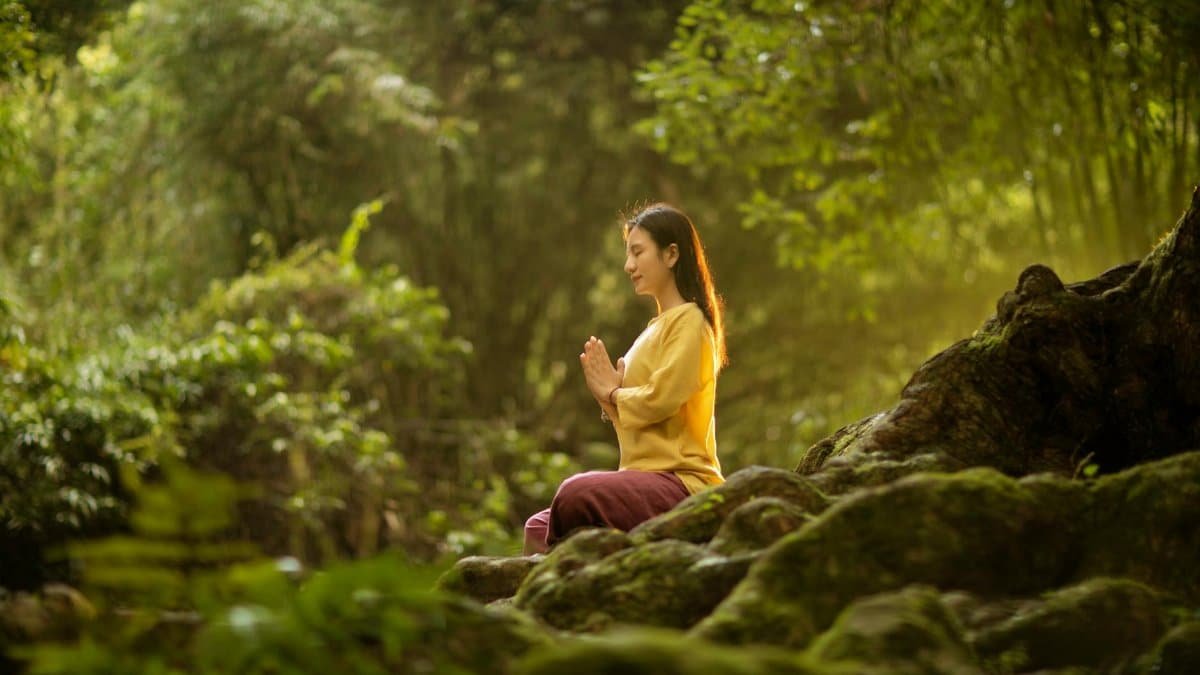
Even brief outdoor time, like tending a windowsill garden, reconnects us. Forest bathing, or shinrin-yoku, reduces stress hormones, according to Japanese research summarized by the EPA.EPA on Forest Bathing details environmental health links. An office worker in Miami steps out to feel the breeze, grounding amid urban sprawl.
Accessibility varies; city folks use parks. This ritual highlights our innate ties to nature, countering alienation in digital eras.
9. Daily Affirmation Recitals

Speaking positive statements aloud builds self-compassion. Cognitive behavioral therapy principles support this, as noted by the American Psychological Association.APA on Affirmations discusses their efficacy. Consider a retiree in Florida, affirming strengths each morning, shifting from doubt to empowerment.
Critics dismiss it as fluffy, but evidence shows mindset shifts. It’s a subtle tool, weaving resilience into modern lifestyles, especially amid economic uncertainties in 2025.