

In a fast-paced world, more Americans are turning to restoring daily rituals to reclaim their sanity. New data from the American Psychological Association shows that 62% of adults report high stress levels, prompting a surge in simple practices that restore balance and calm. These rituals, from mindful breathing to evening wind-downs, are not just trends but tools backed by science to enhance mental health. As we navigate 2025’s uncertainties, restoring daily rituals offers a practical path to resilience, helping people reset amid chaos.
1. Morning Meditation

Start the day with a 10-minute meditation session. This practice clears the mind and sets a positive tone. Research from Harvard Medical School indicates meditation reduces anxiety by altering brain patterns. Many report feeling more centered after just a week. It’s easy: Sit quietly, focus on your breath, and let thoughts pass. In bustling cities like New York, professionals swear by this to tackle high-pressure jobs.
2. Gratitude Journaling
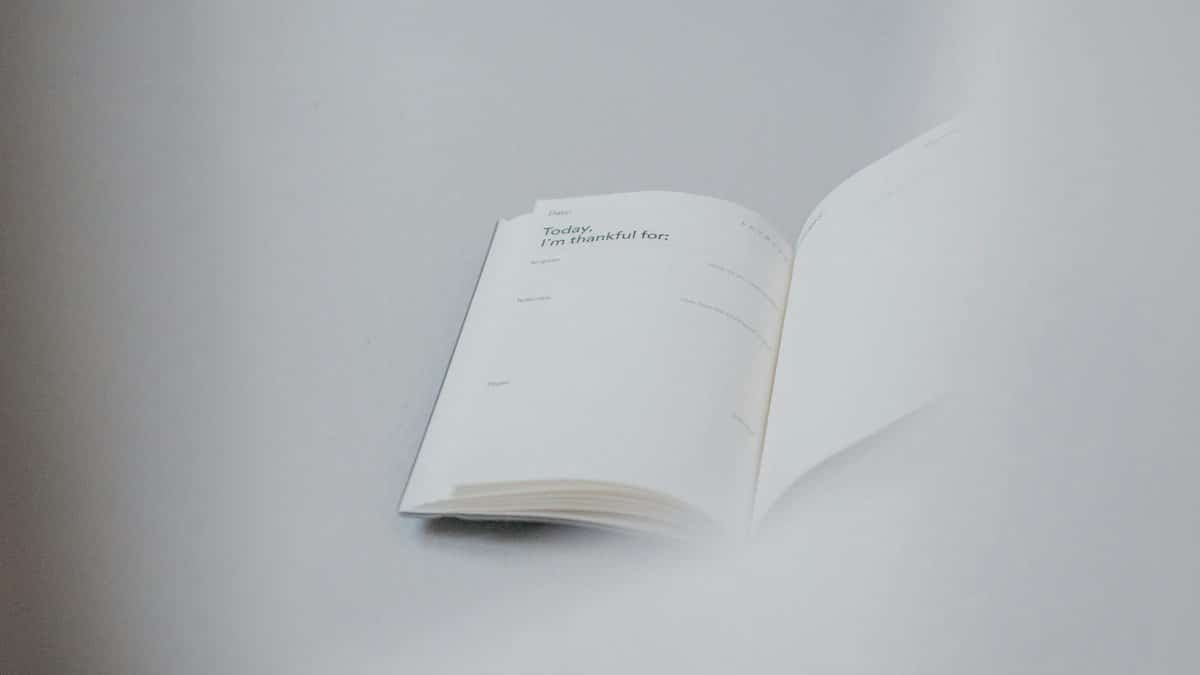
Each evening, jot down three things you’re grateful for. This shifts focus from stressors to positives. A study by the University of California, Davis, found it boosts happiness levels significantly. No fancy notebook needed; even a phone app works. Users say it helps in restoring daily rituals by fostering optimism, especially during tough times like economic slumps.
3. Mindful Walking

Turn your daily stroll into a calming ritual by paying attention to surroundings. Notice sights, sounds, and sensations. The CDC highlights walking’s benefits for mental health, reducing depression risks. Aim for 20 minutes outdoors. It’s a low-effort way to reconnect with nature and restore energy, popular among urban dwellers seeking escape from screen overload.
4. Herbal Tea Break
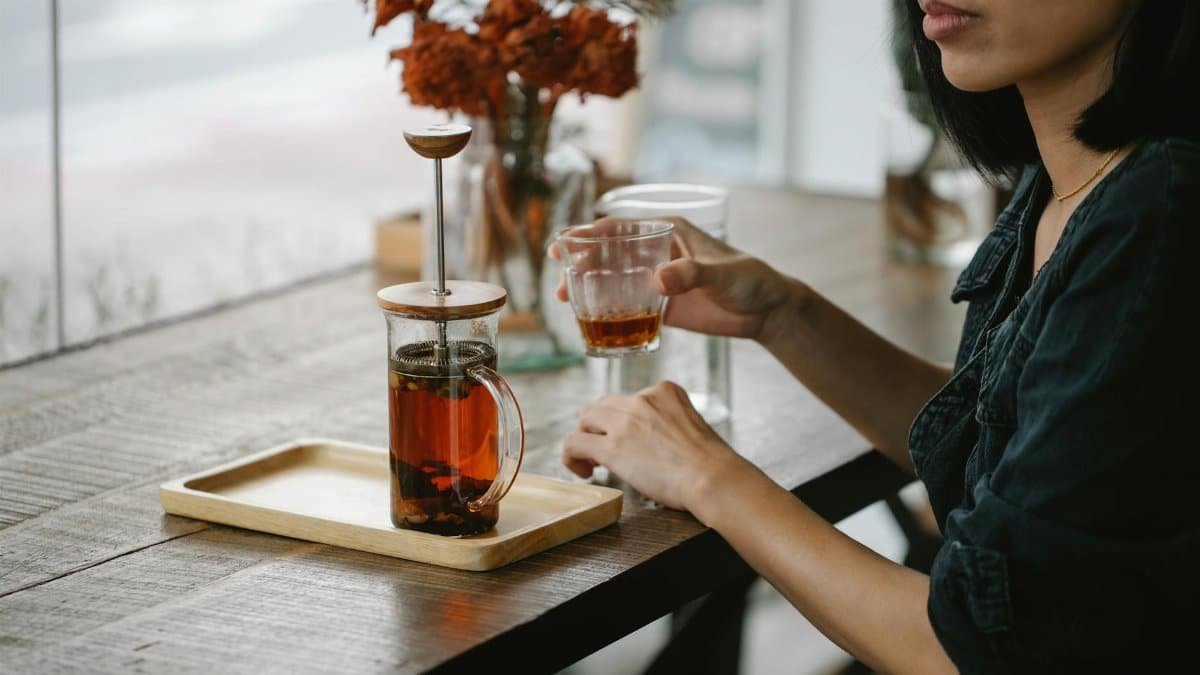
Brew a cup of chamomile or peppermint tea mid-afternoon. This pause signals the body to relax. According to the National Institutes of Health, herbal teas can lower cortisol levels. Sip slowly, away from distractions. It’s a simple addition to restoring daily rituals that many incorporate for its soothing effects, particularly in high-stress professions.
5. Digital Detox Hour

Designate one hour without screens before bed. Read a book or chat with family instead. Pew Research Center data shows excessive screen time correlates with sleep issues. This ritual improves rest quality, essential for daily restoration. People who’ve tried it report better focus the next day, making it a game-changer in our connected era.
6. Breathing Exercises

Practice 4-7-8 breathing: Inhale for four, hold for seven, exhale for eight. Developed by Dr. Andrew Weil, it’s proven to calm the nervous system. Use it during stressful moments. A link to Harvard Health on breathing techniques explains the science. It’s quick and effective for restoring daily rituals on the go.
7. Stretching Routine

Incorporate gentle stretches upon waking or before sleep. This releases tension and improves flexibility. The Mayo Clinic notes it enhances circulation and mood. Focus on neck, shoulders, and back. As part of restoring daily rituals, it helps those with desk jobs combat physical strain, leading to more productive days.
8. Affirmation Practice

Repeat positive affirmations like “I am calm and capable” in the mirror. Psychology Today cites studies showing it builds self-esteem. Do it morning and night for consistency. This mental reset is gaining traction in 2025 wellness trends, aiding in emotional restoration without much time investment.
9. Bedtime Reflection

End the day reviewing wins and lessons learned. Avoid dwelling on negatives. Research from the American Psychological Association on mindfulness supports reflection’s role in stress reduction. It promotes better sleep and a fresh start, rounding out calming rituals that restore daily life effectively.
These nine rituals are transforming how Americans approach wellness. With stress at all-time highs, integrating them can lead to noticeable improvements. Experts recommend starting small to build habits that stick, drawing from proven strategies in mental health circles.