
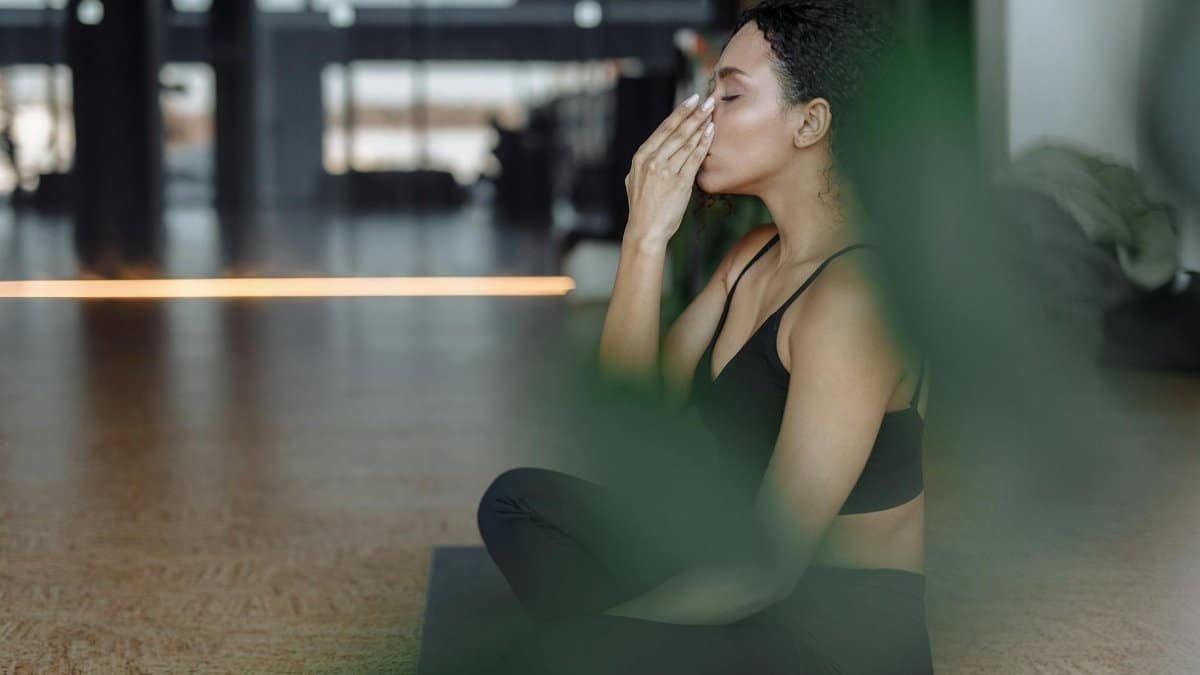
New data shows 68% of Americans report higher stress levels in 2025, according to a recent Pew Research survey. Amid this surge, breathwork is emerging as a go-to fix. These stability techniques, strengthening inner calm through simple breathing methods, are gaining traction in offices, homes and gyms across the U.S. Experts say they help combat anxiety and build resilience without fancy equipment. From yoga studios in New York to wellness apps in California, people are turning to these practices for quick mental resets. But do they really work? We break down nine key techniques making waves this year.
1. Diaphragmatic Breathing
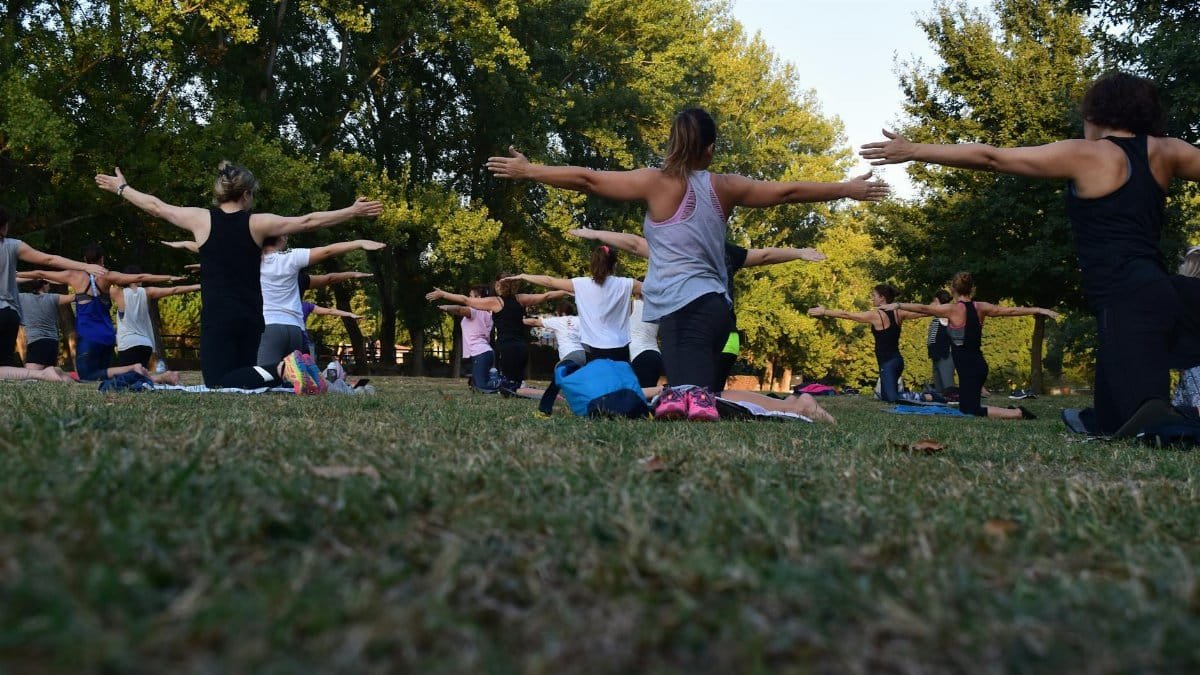
This foundational method focuses on deep belly breaths to engage the diaphragm fully. Sit or lie down, place one hand on your abdomen, and inhale slowly through your nose for a count of four. Feel your belly rise, then exhale through your mouth for four counts. It’s backed by studies showing reduced cortisol levels. The National Institutes of Health highlights how this technique activates the parasympathetic nervous system, promoting relaxation. In busy U.S. cities like Chicago, therapists recommend it for daily stress management. Practice for five minutes morning and night to notice improved focus and emotional steadiness.
2. 4-7-8 Breathing
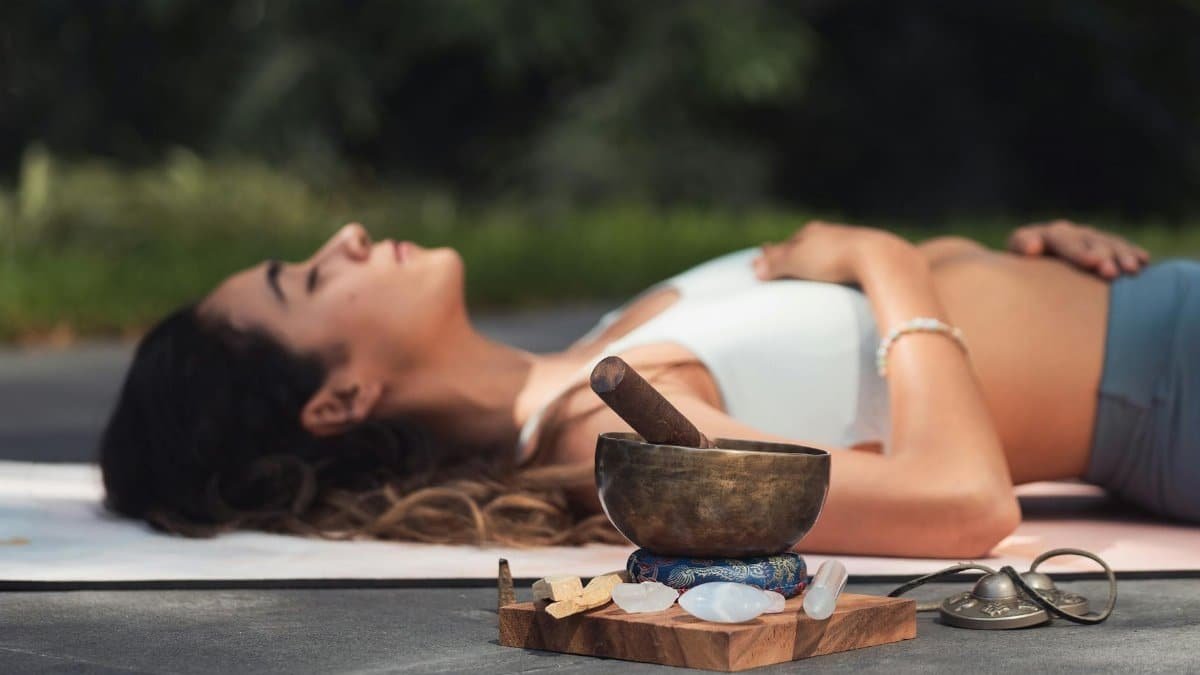
Popularized by Dr. Andrew Weil, this technique involves inhaling for four seconds, holding for seven, and exhaling for eight. It mimics a natural sigh, calming the mind swiftly. A study from Harvard Medical School links it to lower heart rates and better sleep. Americans juggling remote work in 2025 find it useful during video calls. Start with four cycles, building up as comfort grows. It’s simple yet powerful for interrupting panic spirals and fostering long-term inner stability.
3. Box Breathing

Used by Navy SEALs for high-pressure situations, box breathing follows a square pattern: inhale four counts, hold four, exhale four, hold four. Repeat for several minutes. Research from the National Center for Biotechnology Information shows it enhances concentration and reduces anxiety. In U.S. corporate wellness programs, it’s taught to executives facing market volatility. Integrate it before meetings to build mental fortitude and maintain composure under stress.
4. Alternate Nostril Breathing
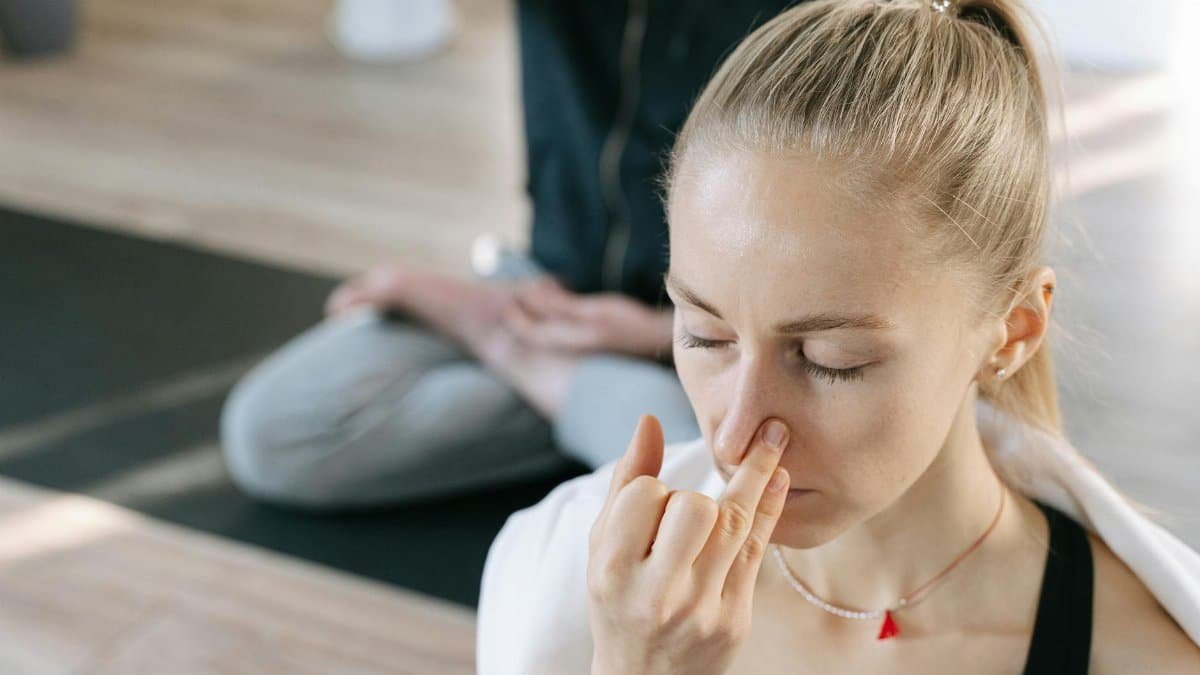
Rooted in yoga, this involves closing one nostril while inhaling through the other, then switching for the exhale. Cycle for five to ten minutes. It balances brain hemispheres, per findings from the Yoga Journal and supporting studies. Urban dwellers in Los Angeles use it to counter traffic-induced tension. This method strengthens emotional equilibrium, helping users navigate daily ups and downs with greater ease.
5. Resonant Breathing
Aim for five to six breaths per minute, inhaling and exhaling evenly. This syncs heart rate with respiration for coherence. The HeartMath Institute’s research, detailed on their site, demonstrates improved emotional regulation. In 2025, with rising mental health concerns, schools in Texas incorporate it into student programs. It’s effective for sustained calm, making it ideal for long-term stability building.
6. Lion’s Breath

Inhale deeply, then exhale forcefully with a roar, sticking out your tongue. It releases tension in the face and throat. Wellness experts cite its benefits for expelling pent-up energy, supported by holistic health reviews. Gyms in Miami promote it post-workout for recovery. This energetic release aids in shedding stress, enhancing overall inner strength and vitality.
7. Pursed Lip Breathing
Inhale through the nose for two counts, then exhale slowly through pursed lips for four. It improves lung function and oxygenation. The American Lung Association endorses it for anxiety relief, with tips available on their breathing exercises page. Retirees in Florida use it to manage chronic worries. Regular practice fortifies respiratory control, contributing to a stable mindset.
8. Coherent Breathing

Similar to resonant, but with equal inhales and exhales of five seconds each. It fosters heart-brain harmony. Studies from the University of California show mood enhancements. Amid 2025’s economic shifts, freelancers in Seattle rely on it for focus. This technique builds resilience, turning chaotic thoughts into structured calm.
9. Breath Counting

Inhale and exhale while counting breaths up to ten, then restart. It sharpens mindfulness. Backed by mindfulness research from institutions like UCLA, it curbs wandering minds. Parents in Boston teach it to kids for better emotional control. Over time, it solidifies inner stability, making it a staple for ongoing personal growth.
These breathwork methods are transforming how Americans approach mental health in 2025. From quick fixes to daily habits, they offer accessible tools for strengthening stability. Techniques like these are not just trends; they’re backed by science and real-world results. If stress is mounting, give one a try. It might just steady your world.