
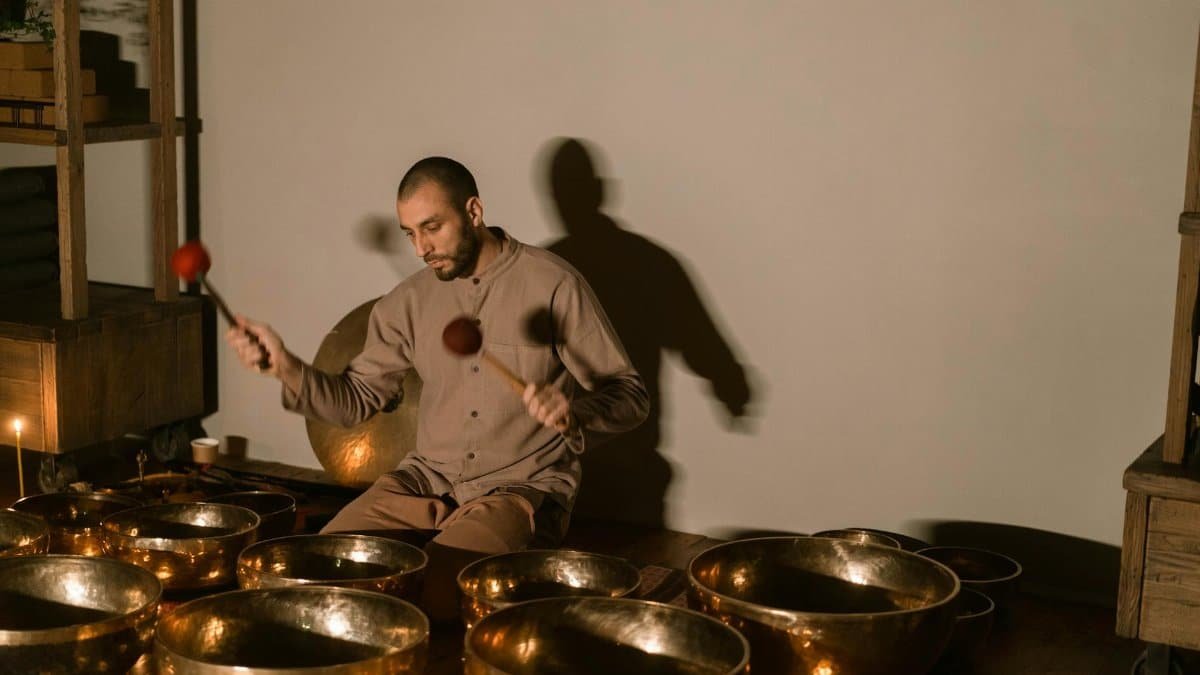
A recent study from the National Institutes of Health showed that nearly 30% of Americans have tried some form of breathwork in the past year, up from just 10% a decade ago. This surge points to a growing hunger for tools that foster inner peace amid daily chaos. Breathwork, often seen as a simple practice, taps into ancient traditions while fitting modern needs. It involves controlled breathing to influence the mind and body. For many, it acts as a compass on personal healing paths. These journeys, guiding breathwork toward emotional release or clarity, are reshaping how people approach wellness. In bustling cities like New York or Los Angeles, sessions pop up in studios and apps alike. The appeal lies in its accessibility. No fancy equipment required. Just breath. This rise reflects broader shifts in mental health awareness. As stress levels climb, more turn to these methods for balance.
1. Box Breathing for Steady Foundations

Box breathing stands out as a straightforward entry point into breathwork. Navy SEALs popularized it for maintaining calm under pressure. The technique follows a four-count rhythm: inhale for four, hold for four, exhale for four, hold again. Repeat. This pattern mimics a square, hence the name. Practitioners often report a quick drop in anxiety. One woman, in her mid-40s from Chicago, shared how it anchored her during a tough divorce. She sat in her car before work, breathing through the counts, feeling the tension ease. It’s not magic, but science backs it. Research from the University of California suggests such rhythmic breathing activates the parasympathetic nervous system, promoting relaxation. NCBI Study on Breathing Techniques details how it reduces cortisol levels. In the context of healing journeys, guiding breathwork like this builds resilience. Start slow, perhaps five minutes a day. Over time, it becomes a reliable guide through emotional ups and downs.
Yet, not everyone finds it easy at first. Some feel lightheaded if they push too hard. That’s where patience comes in. Adjust the counts to suit your comfort. Integrate it into routines, like before bed, to unwind. The beauty lies in its portability. No studio needed.
2. 4-7-8 Method for Deep Relaxation

Imagine winding down after a long day, breath pulling you into calm. The 4-7-8 technique, developed by Dr. Andrew Weil, does just that. Inhale quietly through the nose for four counts, hold for seven, exhale through the mouth for eight with a whoosh. It’s designed to slow the heart rate. Weil drew from yoga practices, adapting them for Western users. A study in the Journal of Alternative and Complementary Medicine found it effective for insomnia. Participants fell asleep faster after consistent use. Journal of Alternative and Complementary Medicine Study highlights its role in reducing sympathetic nervous system activity.
On healing journeys, guiding breathwork through this method often uncovers buried stress. One anonymous online account described it as “peeling back layers of worry.” They practiced nightly, noticing clearer thoughts by morning. Try it seated or lying down. The extended hold challenges beginners, but persistence pays off. It fosters a sense of control, vital for those navigating personal growth in 2025’s fast pace.
Variations exist too. Some shorten the hold if seven feels too long. Experiment to find what fits.
3. Wim Hof Breathing for Energy Boosts
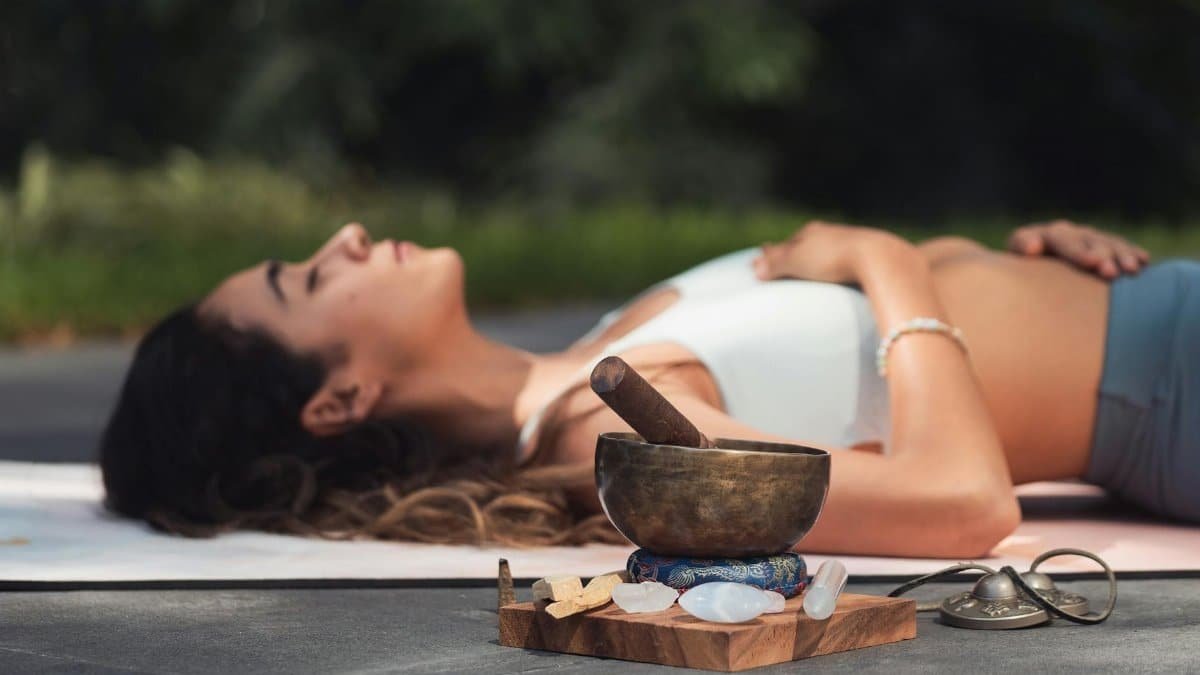
Wim Hof’s method bursts with intensity, blending deep breaths and cold exposure. It starts with 30 to 40 power breaths: deep inhales, relaxed exhales. Then, exhale fully and hold as long as possible. Inhale deeply, hold briefly, repeat. Hof claims it alkalizes the blood, boosting immunity. Skeptics abound, but evidence grows. A study from Wayne State University showed practitioners withstanding cold better. PNAS Study on Wim Hof Method explores its effects on the immune response.
For healing journeys, guiding breathwork here pushes boundaries. A man in his 50s from Texas recounted using it to combat chronic fatigue. “It woke something up inside,” he said, after months of practice. The rush of oxygen can feel euphoric, but caution is key. Consult a doctor if you have health issues. In group settings, it builds community, sharing the intensity. As trends evolve in 2025, this technique draws those seeking vitality amid burnout.
4. Alternate Nostril Breathing for Balance
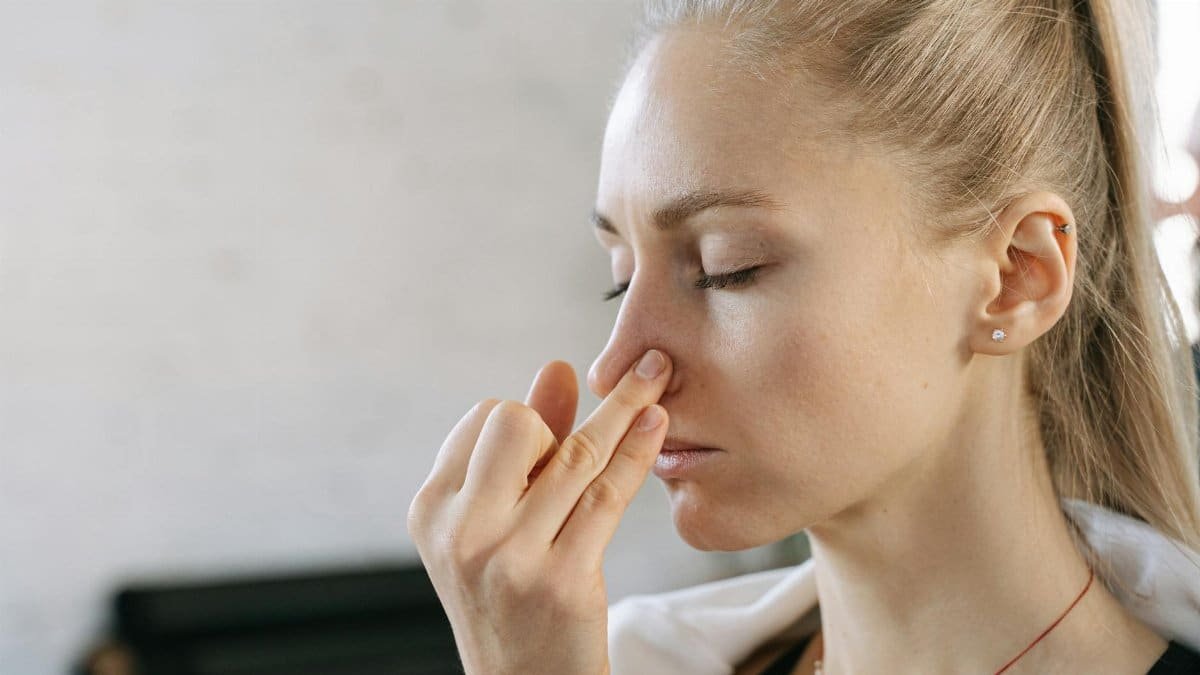
Rooted in yoga, alternate nostril breathing aims to harmonize the body’s energies. Use your thumb and ring finger to close nostrils alternately. Inhale through the left, close it, exhale through the right, then inhale right, exhale left. Cycles continue. It calms the mind, balancing hemispheres of the brain. Research from the International Journal of Yoga supports its anxiety-reducing effects. International Journal of Yoga Study notes improvements in cognitive function.
Picture a busy parent stealing five minutes in the morning. This practice centers them before the day unfolds. On personal paths, it guides through emotional turbulence, fostering equilibrium. One practitioner noted a shift in perspective after regular sessions. “Conflicts felt less overwhelming,” they shared. It’s subtle yet profound, ideal for integrating into daily life.
Challenges arise with stuffy noses, but modifications help. Breathe gently.
5. Diaphragmatic Breathing for Core Strength
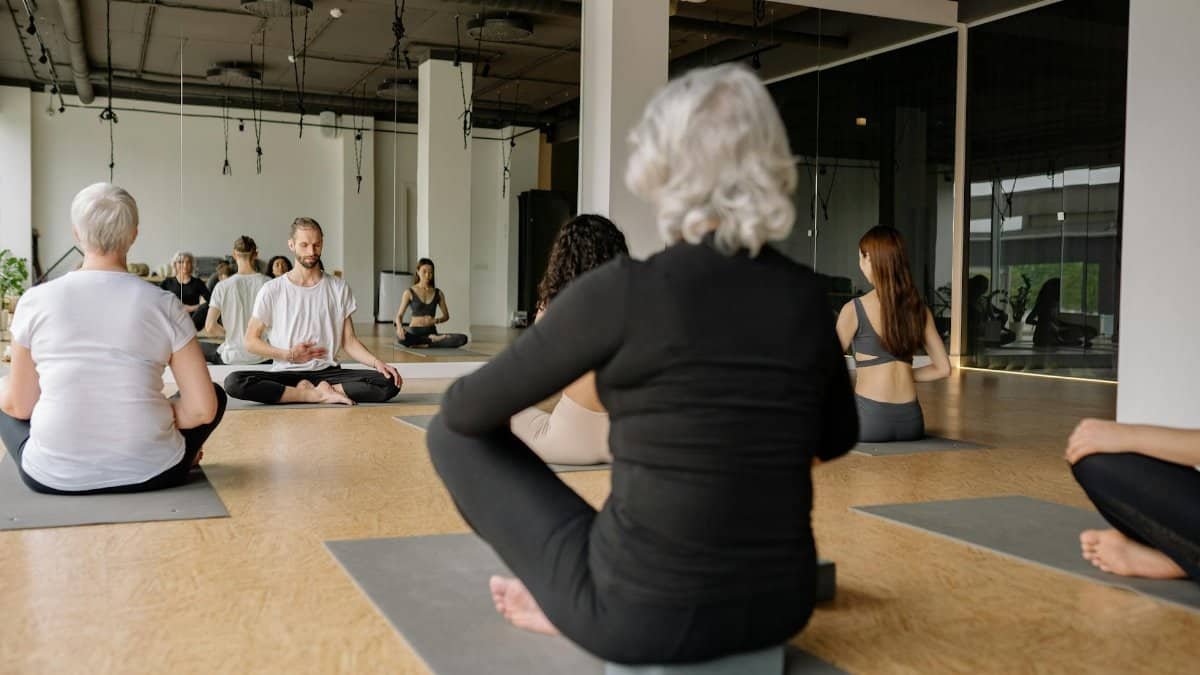
Diaphragmatic breathing focuses on the belly, not the chest. Place a hand on your abdomen, inhale deeply so it rises, exhale fully. This engages the diaphragm, improving oxygen flow. It’s foundational in many therapies. The American Lung Association endorses it for lung health. American Lung Association Breathing Exercises provides guides.
In healing journeys, guiding breathwork via this method rebuilds from the inside. A veteran dealing with PTSD found solace here, breathing through flashbacks. It grounded him, step by step. The technique reveals how shallow breaths mirror inner tension. Practice lying down first, then upright. Over weeks, it enhances posture and calm.
6. Holotropic Breathwork for Emotional Release

Holotropic breathwork, created by Stanislav Grof, involves accelerated breathing to altered states. Done in pairs or groups, with music, it evokes intense experiences. Sessions last hours, facilitating catharsis. While controversial, proponents swear by its therapeutic value. A review in the Journal of Psychedelic Studies examines its potential. Journal of Psychedelic Studies discusses similar practices.
For those on profound journeys, guiding breathwork this way uncovers deep traumas. One participant described visions of past hurts dissolving. “It was like therapy on steroids,” they said anonymously online. Professional facilitation is crucial to navigate safely. In 2025, interest surges as mental health conversations deepen.
Aftercare matters. Journaling helps process insights.
7. Resonant Breathing for Heart Coherence

Resonant breathing tunes to about six breaths per minute, syncing heart and breath. Inhale for five seconds, exhale for five. It promotes heart rate variability, a marker of resilience. The HeartMath Institute researches this extensively. HeartMath Institute Research shows benefits for stress reduction.
Amid healing paths, it guides toward emotional stability. A teacher used it to manage classroom stress, finding more patience. The rhythm creates a meditative flow, easing into presence. Apps can time it, making it user-friendly.
8. Kapalabhati for Invigoration

Kapalabhati, or skull-shining breath, features forceful exhales through the nose, passive inhales. Do 20 to 30 rounds. It energizes, clearing the mind. Yoga studies link it to improved focus. NCBI Yoga and Breathing Study explores its effects.
On journeys, guiding breathwork invigorates stalled progress. Someone battling lethargy found renewed drive. “It sparked my fire,” they noted. Start slow to avoid dizziness.
9. Somatic Breathwork for Body Awareness
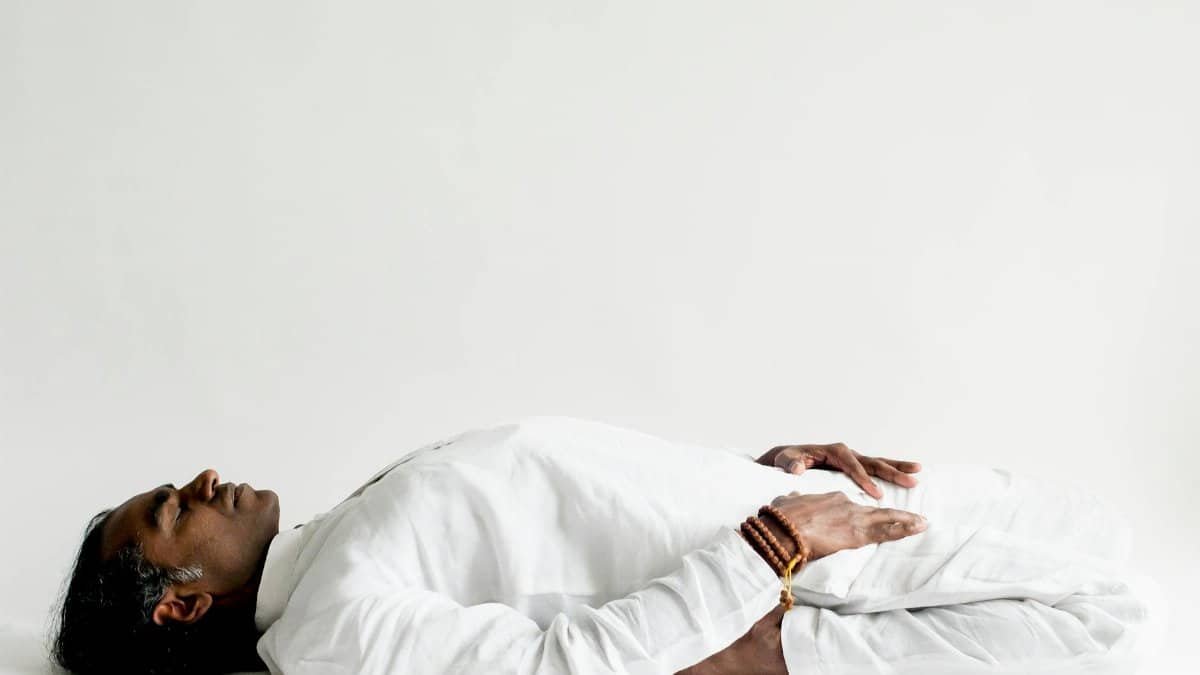
Somatic breathwork connects breath to physical sensations, often in therapy. Breathe into areas of tension, releasing held emotions. It’s integrative, blending psychology and physiology. Emerging research supports its trauma-healing potential. APA Trauma Psychology Journal covers related somatic therapies.
For final steps in healing journeys, guiding breathwork here integrates mind and body. A survivor of loss described feeling “whole again” after sessions. It encourages listening to the body’s wisdom. In group circles, sharing amplifies the experience. As 2025 unfolds, such practices gain traction for holistic wellness.
Breathwork’s power lies in its simplicity. These techniques offer paths forward, each unique yet connected. They remind us that healing starts with a single breath.