
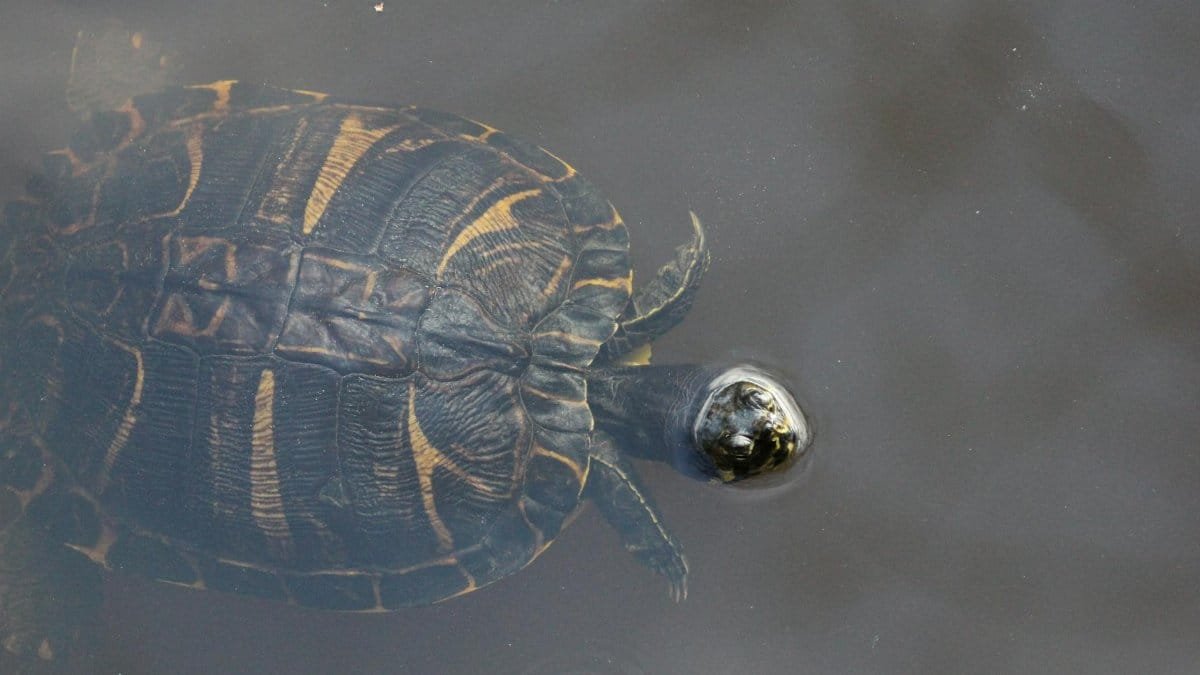
A recent report from the North Carolina Wildlife Resources Commission caught many by surprise. It showed that unusual animal behaviors have spiked by 35 percent in the state over the past five years, often mirroring hidden societal strains like economic pressures and environmental shifts. These subtle cues from wildlife aren’t just random quirks. They act as natural barometers, hinting at deeper tensions bubbling beneath the surface. In a place like North Carolina, where bustling cities meet vast rural landscapes, such animal signals reveal much about the unspoken stresses shaping daily life. From birds altering their calls to mammals changing migration patterns, these signs offer a quiet commentary on the state’s evolving challenges. As we navigate 2025, paying attention to them could foster greater awareness and even guide community responses.
1. Birds With Erratic Flight Patterns

Across North Carolina’s Piedmont region, observers have noted songbirds darting unpredictably through the skies. This isn’t mere playfulness. Experts link it to habitat disruption from urban sprawl. A study from Duke University highlights how noise pollution stresses avian populations, leading to these irregular movements. Birds, usually precise in their paths, veer off course when tensions rise from human encroachment.
Imagine a flock of warblers in Raleigh, suddenly scattering as if chased by an invisible foe. This behavior echoes broader anxieties in the state, where rapid development strains natural spaces. One local birder shared anonymously online that watching these flights made them reflect on their own hurried life, feeling the same disorientation amid job market shifts. It’s a vivid reminder: when birds lose their way, it might signal we’re all navigating uncertain terrain.
Such patterns don’t just affect wildlife. They influence ecosystems, potentially reducing pollination in farmlands. Researchers at the Duke Nicholas School of the Environment have documented how these disruptions correlate with increased human-wildlife conflicts, amplifying hidden tensions in suburban areas.
2. Deer Exhibiting Unusual Aggression
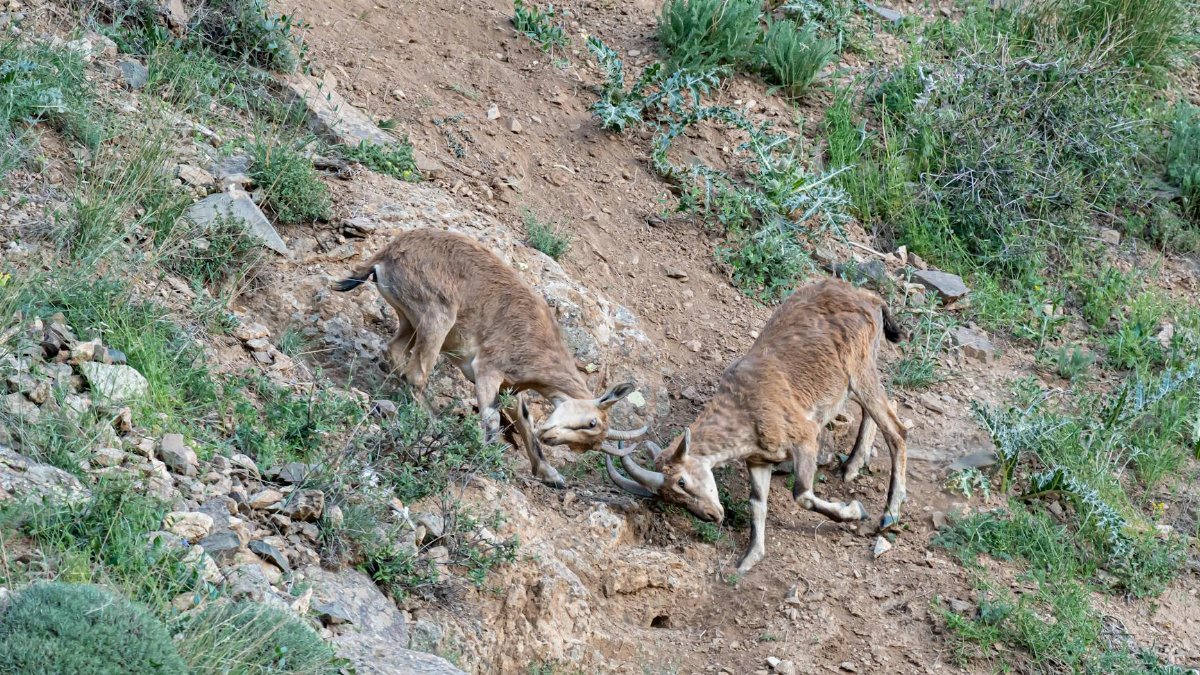
In the Appalachian Mountains of western North Carolina, white-tailed deer have been spotted charging at shadows or vehicles more frequently. This aggression often stems from food scarcity, exacerbated by climate-driven changes in forest growth. It’s not their normal demeanor; deer typically flee from threats.
Picture a quiet trail in Asheville where a buck suddenly stomps the ground, eyes wide with unease. This shift reveals underlying pressures like overhunting or invasive species altering the balance. A report from the U.S. Forest Service details how such behaviors indicate ecosystem stress, with deer populations reflecting broader environmental health.
These signals extend to human communities too. Farmers report more crop damage, heightening economic strains in rural counties. By observing these changes, residents gain insights into managing land use more sustainably, easing the hidden frictions between progress and preservation.
3. Frogs Altering Their Choruses
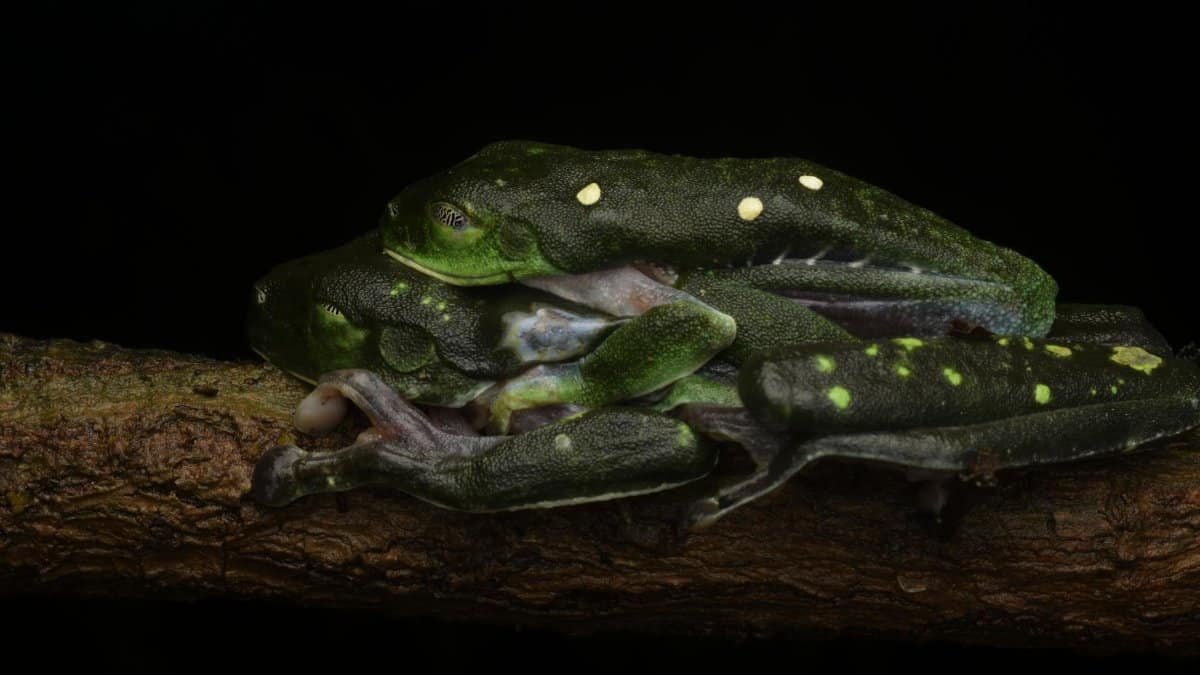
Nighttime in the Coastal Plain brings a symphony of frog calls, but lately, the rhythm has faltered. Some species croak sporadically or fall silent altogether. Scientists attribute this to water pollution from agricultural runoff, disrupting breeding cycles.
One evening near Wilmington, the usual chorus might thin out, leaving an eerie quiet. This alteration in animal signals reveals hidden tensions in water quality, often overlooked until it affects wildlife. A comprehensive analysis by the U.S. Geological Survey maps these changes, linking them to chemical imbalances in wetlands.
The impact ripples outward. Fewer frogs mean more insects, potentially spreading diseases. Communities noticing these shifts are prompted to advocate for cleaner waterways, addressing the subtle strains on public health and agriculture that simmer below the surface.
4. Squirrels Hoarding Excessively
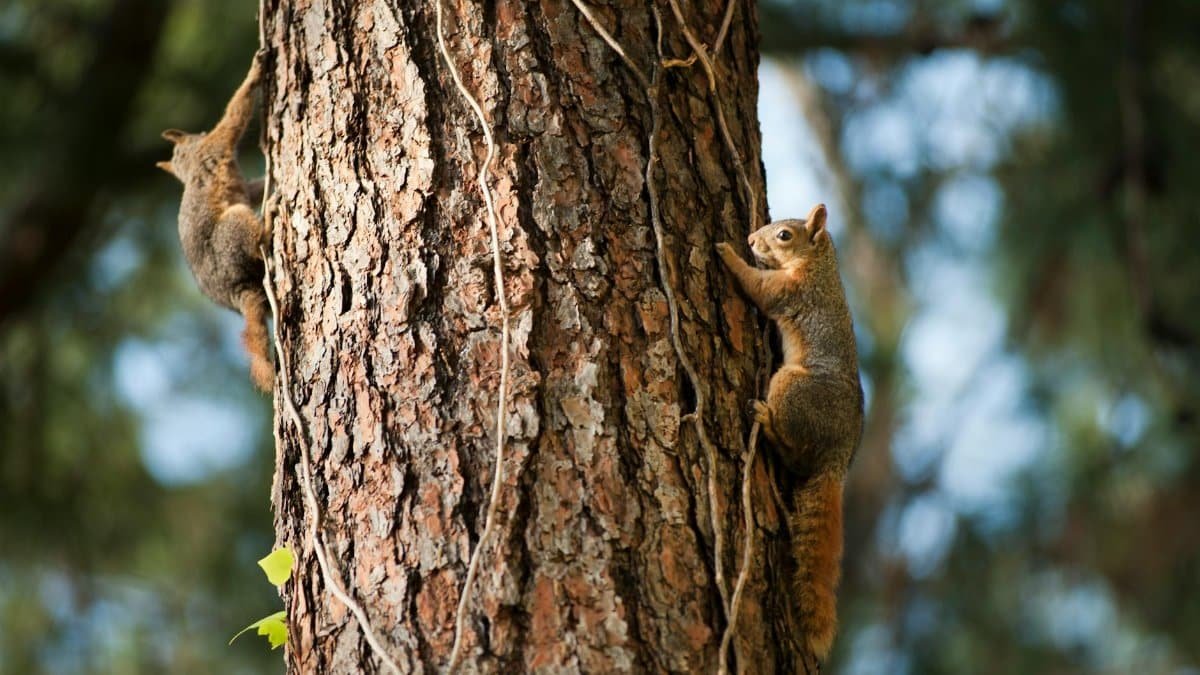
Urban parks in Charlotte buzz with squirrels scrambling to bury nuts at an frantic pace. This over-hoarding points to perceived food shortages, possibly from erratic weather patterns influenced by climate change. Normally, squirrels store just enough; excess suggests anxiety about future scarcity.
Watch one in a downtown green space, digging hole after hole with urgent energy. It’s a small drama that uncovers larger issues, like how shifting seasons disrupt natural cycles. Insights from the National Wildlife Federation underscore how these behaviors forecast ecological imbalances.
For North Carolinians, this mirrors personal financial worries amid inflation. Recognizing these signs encourages proactive conservation, helping to mitigate the tensions that build when resources feel increasingly out of reach.
5. Bees Showing Reduced Activity

Hives across the state’s farmlands hum less vigorously these days. Bees, vital pollinators, are foraging less, a sign of pesticide exposure or habitat loss. This dip in activity exposes vulnerabilities in agricultural systems.
Envision a field in the Sandhills where bees linger near the hive instead of buzzing afar. Such reluctance in animal signals reveals hidden tensions in biodiversity, with implications for crop yields. A study published in the journal Proceedings of the National Academy of Sciences examines how neonicotinoids affect bee behavior, providing data on these declines.
The stakes are high. Reduced pollination threatens food security, amplifying economic pressures on farmers. By heeding these signals, policymakers can push for better protections, fostering resilience in the face of environmental strain.
6. Owls Calling More Frequently at Dawn
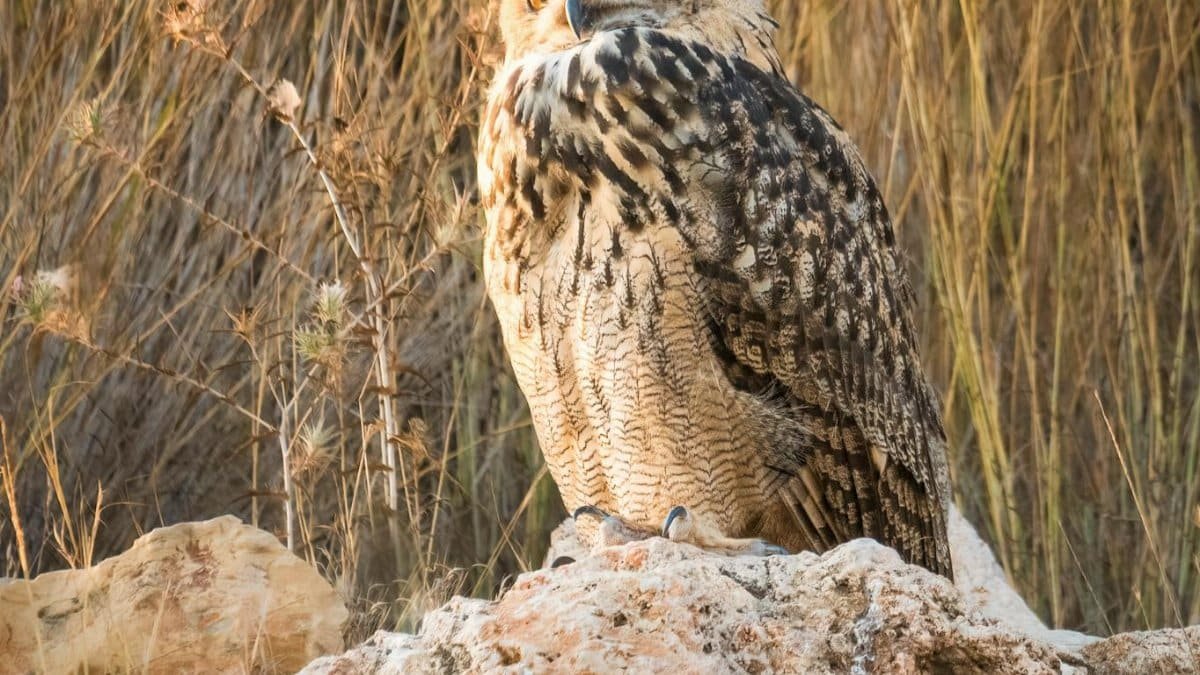
In the quiet hours before sunrise, owls in North Carolina’s forests hoot with unusual persistence. This uptick often indicates competition for territory, driven by deforestation. Owls are nocturnal hunters; daytime calls suggest distress.
Deep in the Uwharrie National Forest, an owl’s repeated whoo breaks the predawn hush, as if issuing a warning. This pattern highlights pressures from logging and recreation, fragmenting habitats. The U.S. Forest Service tracks such vocal changes, correlating them with habitat quality.
These sounds resonate with human experiences of overcrowding in growing towns. Listening closely might inspire efforts to preserve wild spaces, alleviating the subtle conflicts arising from unchecked expansion.
7. Fish Schooling Tightly in Rivers
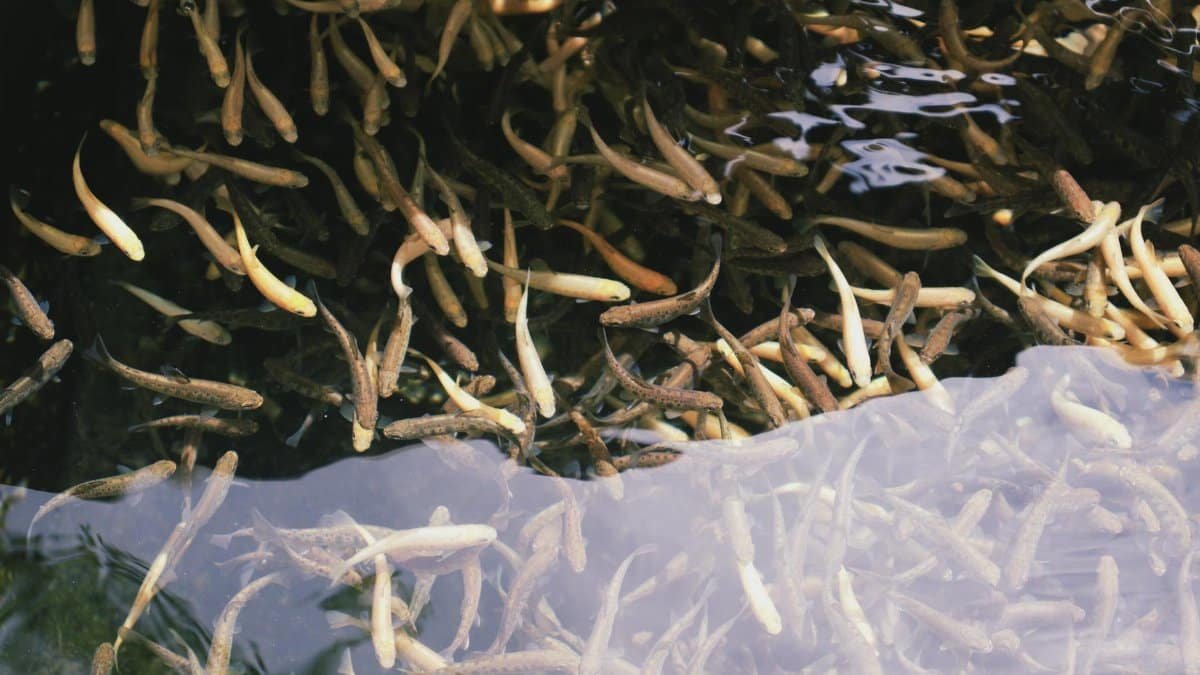
Rivers like the Yadkin show fish clustering in dense schools, a defensive response to poor water conditions. Pollution or warming temperatures prompt this behavior, signaling ecosystem distress.
Along the banks near Winston-Salem, trout huddle closely, their movements synchronized in unease. Animal signals like these reveal hidden tensions in aquatic health, often tied to industrial runoff. Research from the Environmental Protection Agency details how temperature shifts influence fish patterns.
Anglers notice the change, with catches declining. This affects recreational economies, underscoring the need for stricter regulations to ease the strains on natural resources and local livelihoods.
8. Rabbits Emerging Earlier from Burrows
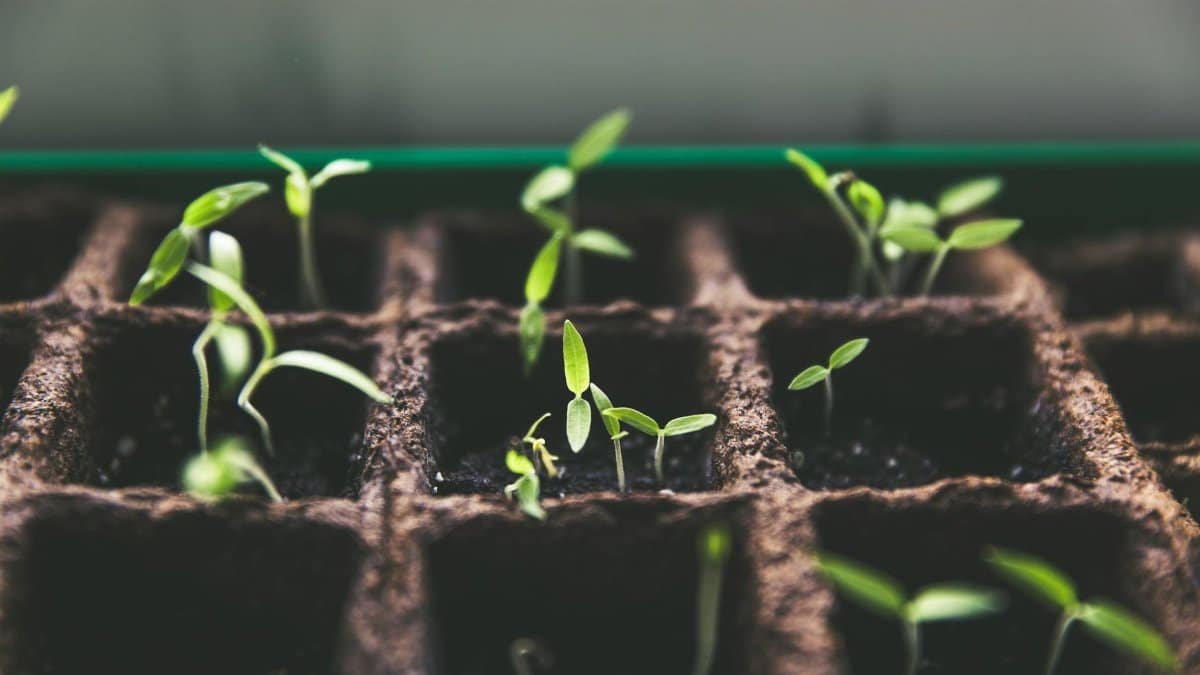
Rabbits in North Carolina’s fields are popping out of their burrows at odd times, a shift linked to predator increases or food competition. Typically crepuscular, this irregularity points to survival pressures.
Spot one in a Durham meadow, venturing out mid-morning with wary glances. It’s a subtle cue that unmasks broader ecological tensions, such as invasive predators altering the food chain. Wildlife biologists reference studies showing how these adaptations reflect habitat stress.
For residents, it parallels the rush of modern life, always on alert. Addressing these signals through conservation can help restore balance, reducing the undercurrents of anxiety in both wild and human realms.
9. Butterflies Migrating Off-Schedule
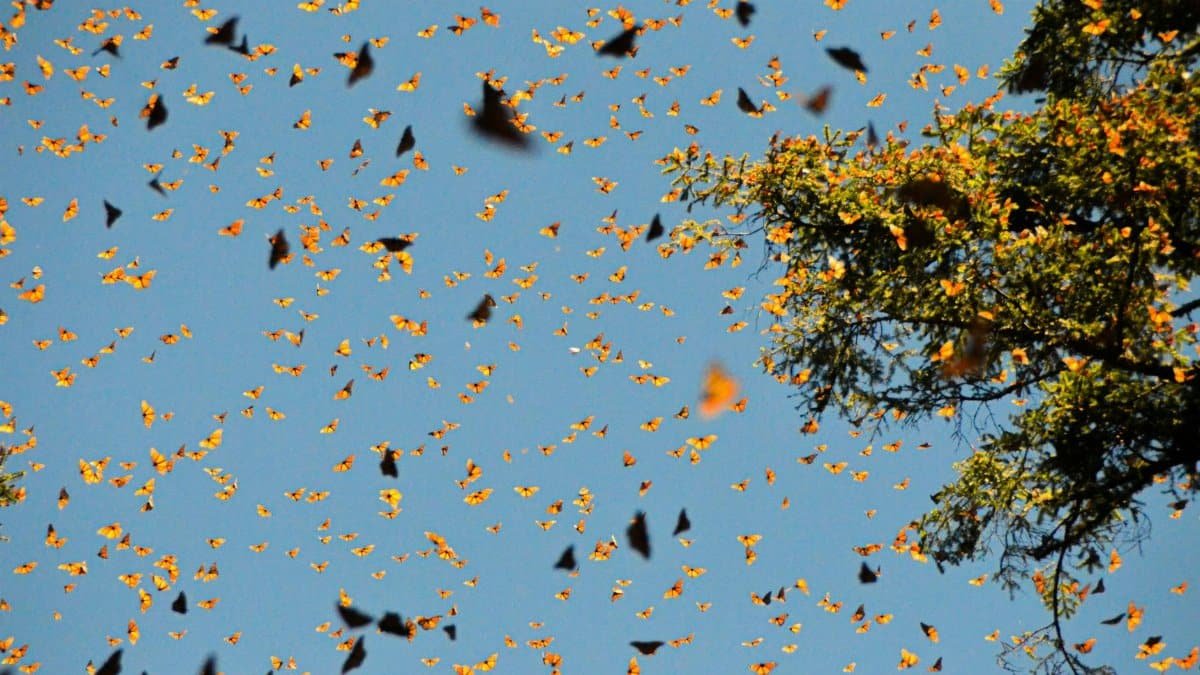
Monarch butterflies, iconic in North Carolina, are arriving or departing weeks early. This deviation stems from altered blooming cycles due to climate variability, disrupting their journeys.
In a garden near Chapel Hill, wings flutter prematurely, a dance out of sync with the seasons. Such changes in animal signals reveal hidden tensions in phenology, the timing of natural events. A long-term monitoring project by the USGS Climate Adaptation Science Centers documents these shifts, offering data on migration patterns.
The consequences affect pollination and biodiversity. Communities inspired by these observations are planting more native species, countering the strains of a changing climate and promoting a more harmonious coexistence.
As these examples illustrate, animal signals reveal a tapestry of hidden tensions woven into North Carolina’s landscape. From mountains to coasts, they prompt us to look closer, fostering actions that bridge the gaps between nature and society in 2025 and beyond.