
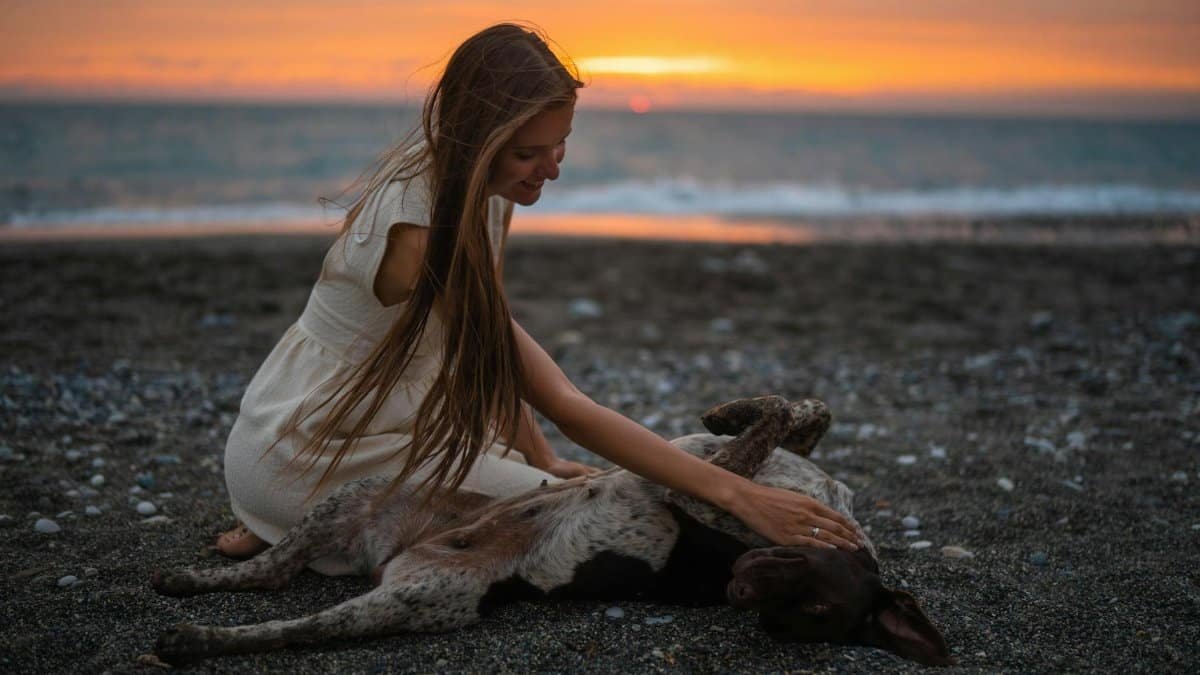
A recent study from the American Psychological Association revealed that nearly 40 percent of Americans report heightened stress levels in 2025, up from previous years amid economic pressures and social changes. This surge has many seeking unconventional relief, turning to nature’s subtle signals for solace. In Georgia, where lush forests meet bustling cities, observers are noting how animal patterns reflect human stress in intriguing ways. From the frantic scurrying of squirrels to the vigilant postures of deer, these behaviors often mirror our own anxious rhythms, offering quiet lessons in resilience. As one wildlife expert put it, watching these cues can ground us, turning observation into a form of therapy. This isn’t just whimsy; it’s rooted in how ecosystems respond to shared environmental strains, providing insights into our moods and potential paths to healing.
1. Squirrel Frenzy in Urban Parks
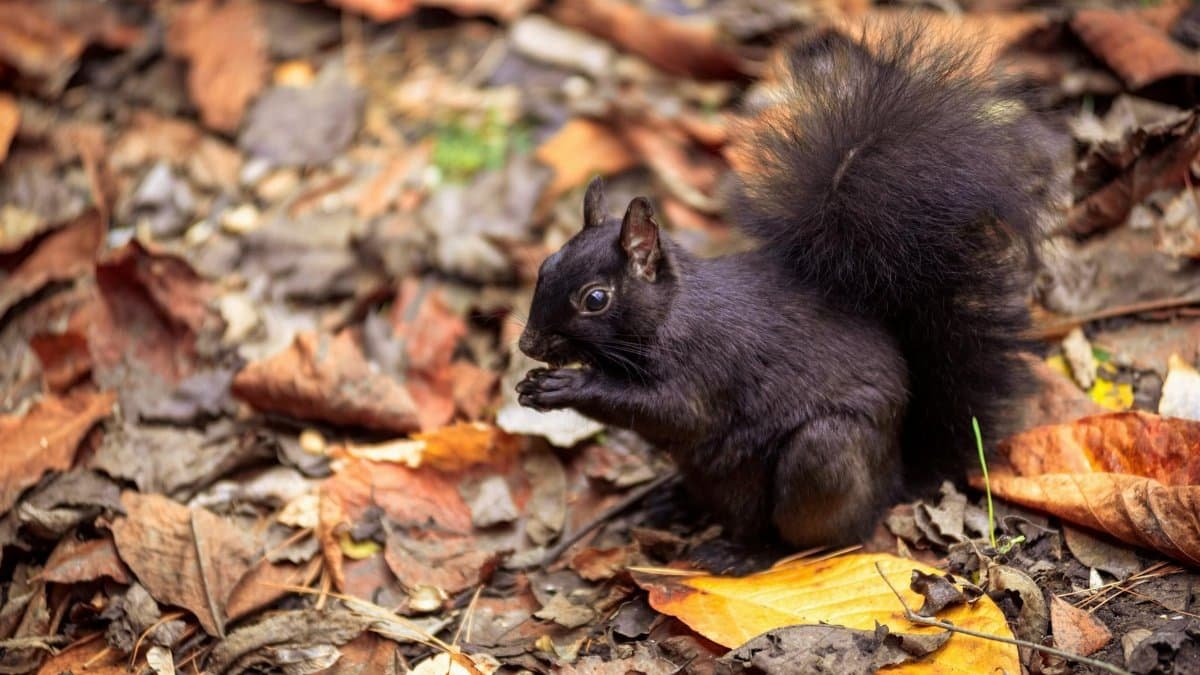
In Atlanta’s green spaces, squirrels dart about with an intensity that feels all too familiar. Their rapid foraging, often amplified during peak human rush hours, echoes the hurried pace of city dwellers juggling deadlines. Researchers at the University of Georgia have noted how these rodents’ patterns shift in response to noise pollution, much like how stress disrupts human focus. One afternoon in Piedmont Park, a group of joggers paused to watch a squirrel repeatedly bury and unbury the same acorn, a loop that seemed to capture the essence of overthinking. This behavior isn’t random; it’s a survival tactic under pressure, reminding us that sometimes, pausing the cycle can restore calm. By observing such animal patterns reflect our own agitation, we might find ways to interrupt our stress spirals.
Yet, it’s not all chaos. When the park quiets, squirrels slow down, methodically storing food. This adaptability highlights resilience, a trait humans could emulate through mindfulness practices. A study from the American Psychological Association on stress supports this, showing nature exposure reduces cortisol levels. In Georgia’s milder winters, these patterns become even more pronounced, offering year-round lessons.
2. Deer Vigilance Along Rural Roads
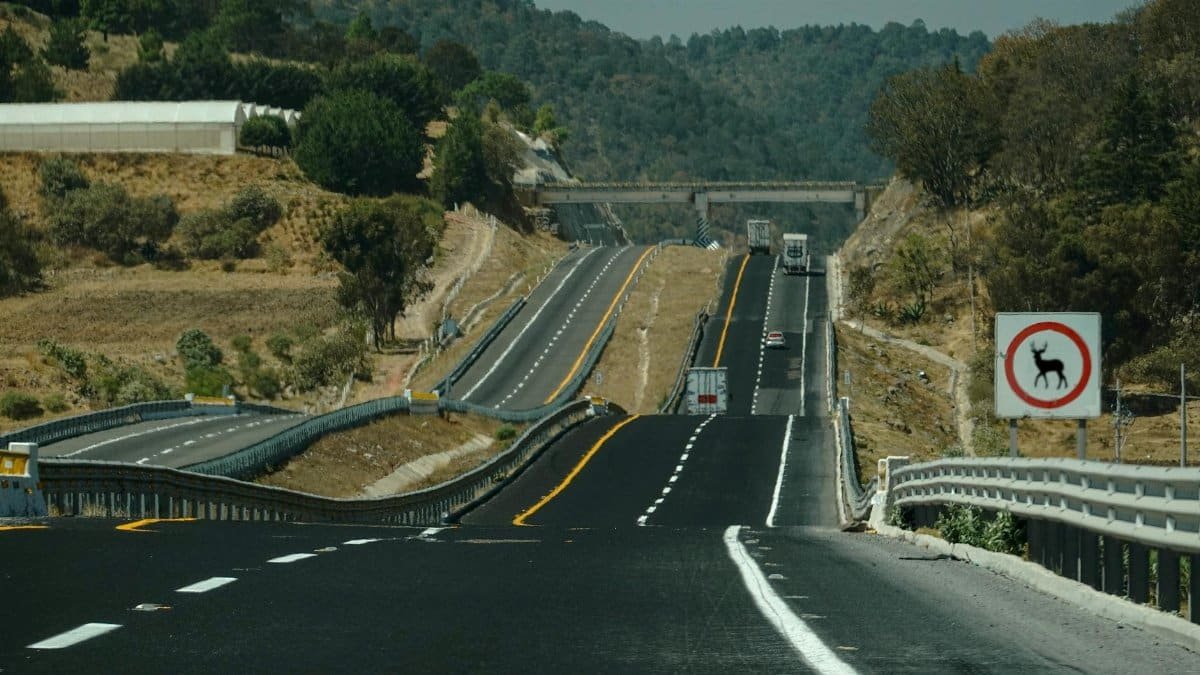
Picture a deer freezing at the roadside in rural Georgia, ears perked and muscles tense. This hyper-alert stance often reflects encroaching human development, mirroring the constant vigilance many feel in uncertain times. Wildlife biologists observe that deer in areas like the North Georgia mountains exhibit more frequent freeze responses, akin to human fight-or-flight modes triggered by daily stressors. One local resident recalled spotting a doe standing stock-still for minutes near a busy highway, her eyes wide, as if assessing invisible threats. Such moments underscore shared vulnerabilities in changing landscapes.
Diving deeper, these patterns can teach us about boundaries. Deer eventually bound away when safe, a reminder to step back from overwhelming situations. Insights from the USDA Forest Service on wildlife behavior link habitat disruption to these stress indicators, paralleling urban human experiences. In 2025, with Georgia’s population growth, these reflections grow more relevant, urging conservation efforts that benefit both species.
3. Bird Flock Dynamics in Coastal Marshes
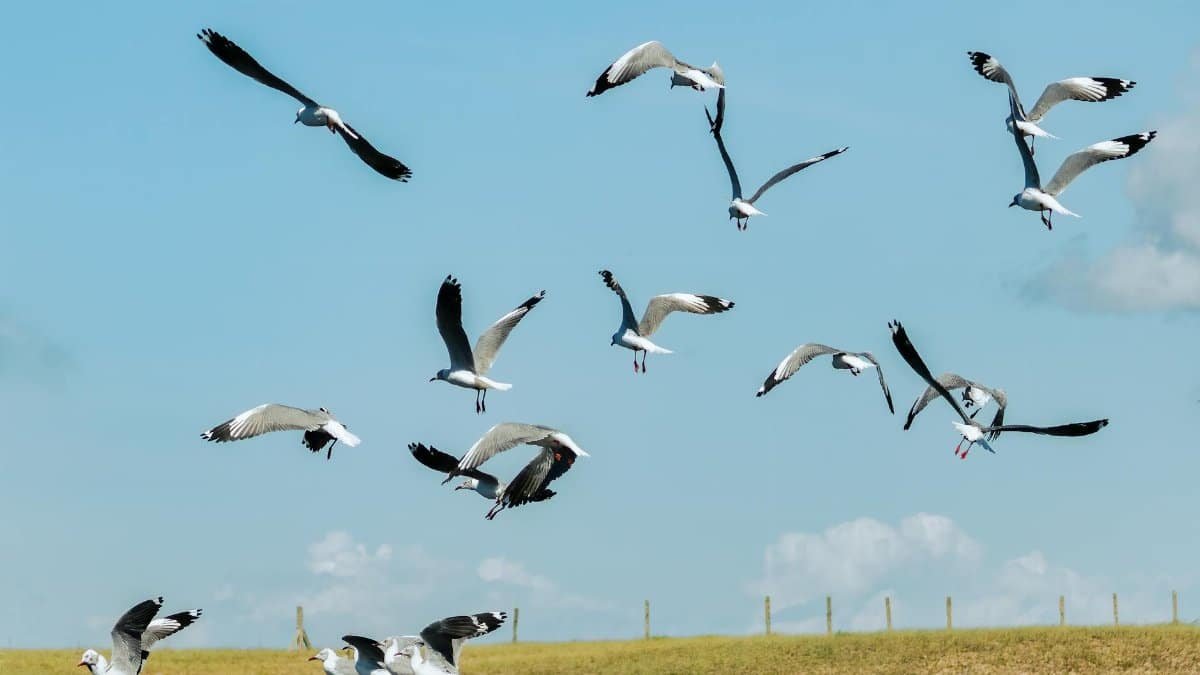
Along Georgia’s coast, flocks of shorebirds scatter and regroup in erratic waves, their movements a dance of caution that often parallels group anxieties in human communities. During migration seasons, these patterns intensify with environmental shifts, much like how collective stress builds in crowded workplaces. A birder in Savannah described watching egrets suddenly take flight en masse, triggered by a distant noise, evoking memories of office panics over looming deadlines. This collective response isn’t mere instinct; it’s a survival mechanism honed by threats, offering a lens into our social tensions.
Interestingly, calmer flocks form tighter, more synchronized groups, suggesting harmony emerges from shared awareness. The USGS on bird population dynamics notes how pollution and habitat loss amplify such behaviors, reflecting broader ecological stress that humans feel too. Embracing these observations might inspire team-building strategies that foster resilience amid uncertainty.
4. Alligator Basking Behaviors in Swamps
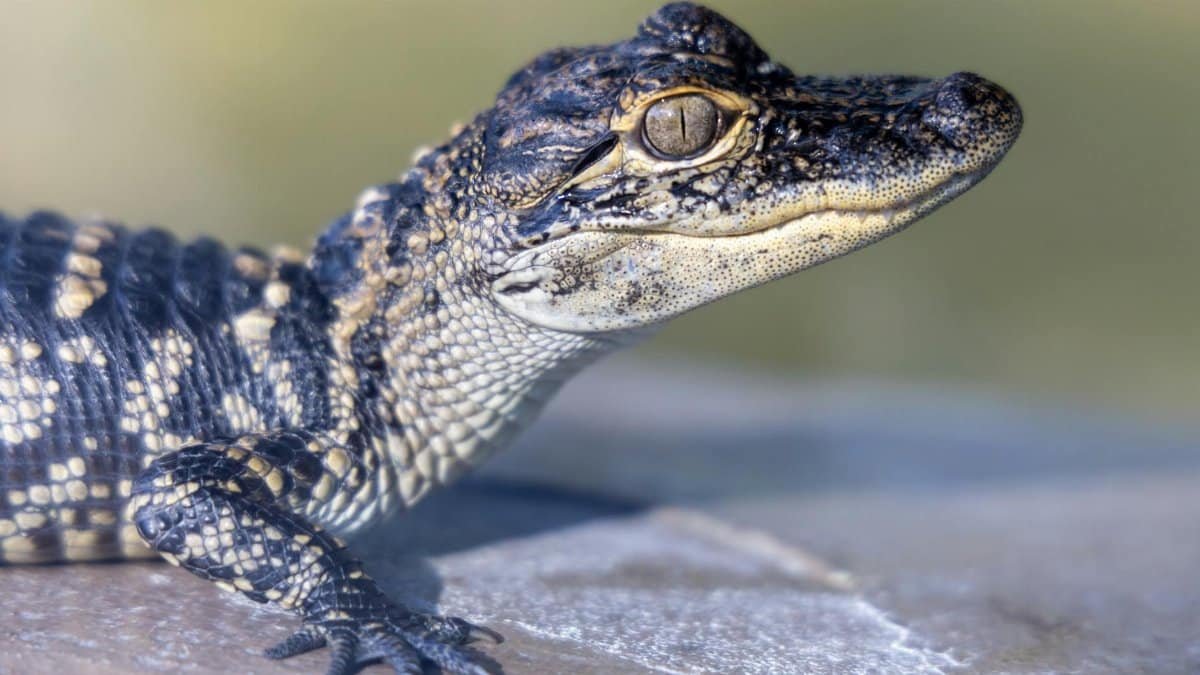
In the Okefenokee Swamp, alligators lounge with deceptive calm, but their subtle shifts— a quick snap or submerged retreat—reveal underlying wariness. These patterns often mirror the simmering stress of those living in high-pressure environments, where relaxation hides readiness for action. Visitors to the swamp have shared stories of alligators eyeing them steadily, a gaze that feels like mutual recognition of guarded states. One online account described feeling a strange kinship, noting how the reptile’s poised stillness echoed personal burnout from relentless work demands.
Beyond the surface, alligators regulate stress through thermoregulation, basking to recharge. This adaptive trait, detailed in reports from the U.S. Fish and Wildlife Service on Okefenokee, parallels human needs for rest amid chaos. In Georgia’s humid climes, these reflections encourage us to seek our own basking moments, turning observation into self-care.
5. Fox Scavenging in Suburban Backyards
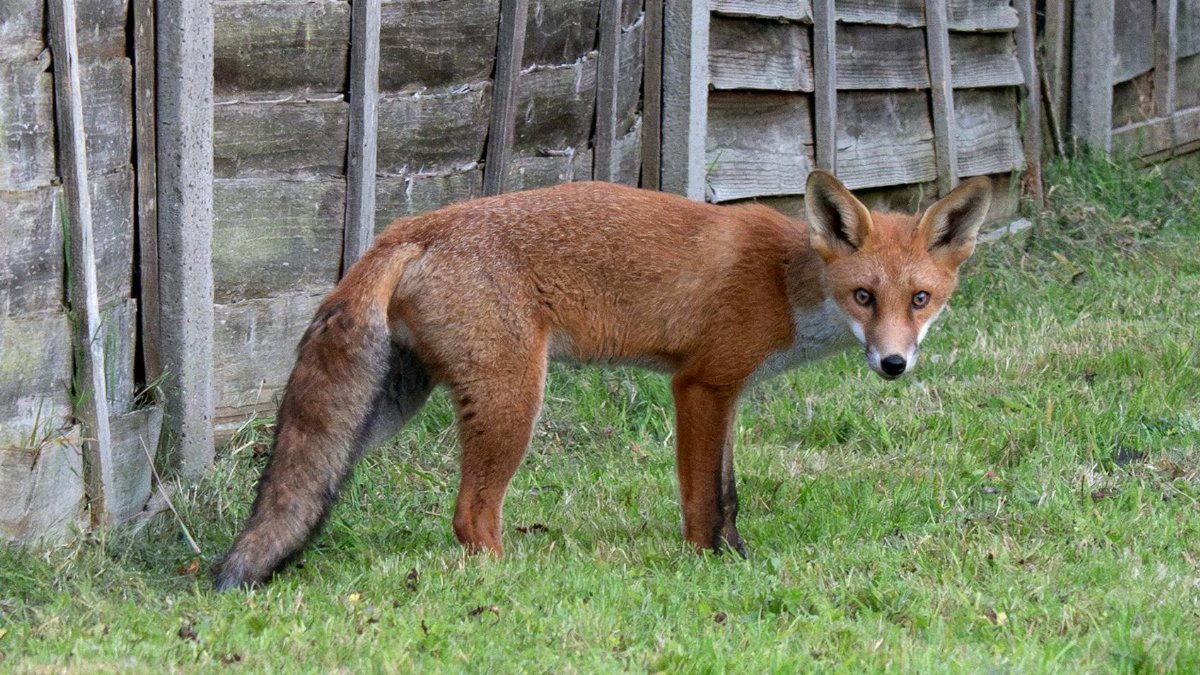
Suburban foxes in places like Marietta prowl with opportunistic cunning, their nocturnal raids reflecting the adaptive hustling many humans adopt under financial strain. These animals adjust patterns based on human waste and activity, much like workers navigating gig economies. A homeowner once watched a fox methodically check trash bins, its efficiency a stark reminder of survival’s grind. Such vignettes bring home how animal patterns reflect our resourcefulness born from stress.
Yet, foxes thrive by balancing risk and rest, a lesson in moderation. Studies from the Georgia Department of Natural Resources highlight urban wildlife adaptations, linking them to human-induced changes. This interplay suggests that acknowledging these mirrors could lead to healthier coping mechanisms in our daily lives.
6. Owl Nocturnal Calls in Forested Hills
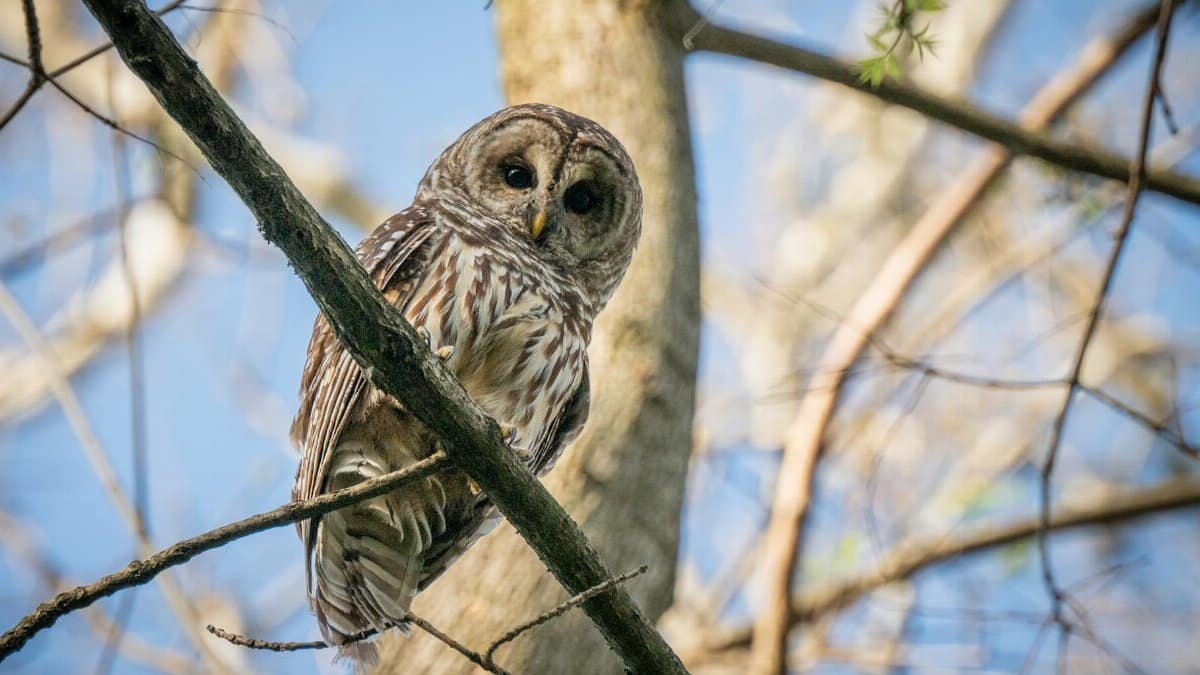
Deep in the Chattahoochee National Forest, owls hoot with insistent rhythm, their calls piercing the night like unspoken worries. These vocal patterns often spike during territorial disputes, echoing the internal monologues of stressed individuals. A hiker recounted being startled by an owl’s repetitive screech, which stirred thoughts of looping anxieties that keep us awake. This auditory reflection ties into how sounds in nature amplify our emotional states.
Owl behaviors, influenced by light pollution, show resilience through adaptation. Research from the Cornell Lab of Ornithology explores such nocturnal dynamics, revealing parallels to human sleep disruptions. In 2025, as urban sprawl continues, these patterns offer auditory cues for mindfulness.
7. Turtle Retreats in Riverbanks

Along the Chattahoochee River, turtles withdraw into shells at the slightest disturbance, a defensive pattern that mirrors human tendencies to isolate under stress. This instinctive pullback protects them from predators, much like emotional walls shield us from overwhelm. Observers note how turtles emerge slowly once safe, a gradual re-engagement that feels profoundly human. One riverside walker described watching a turtle peek out after a boat passed, symbolizing hope after retreat.
Such behaviors underscore recovery’s pace. The EPA on Chattahoochee ecosystems discusses pollution’s impact on wildlife stress, drawing lines to human health. Recognizing these patterns can guide gentle self-compassion in tough times.
8. Rabbit Burrowing in Fields
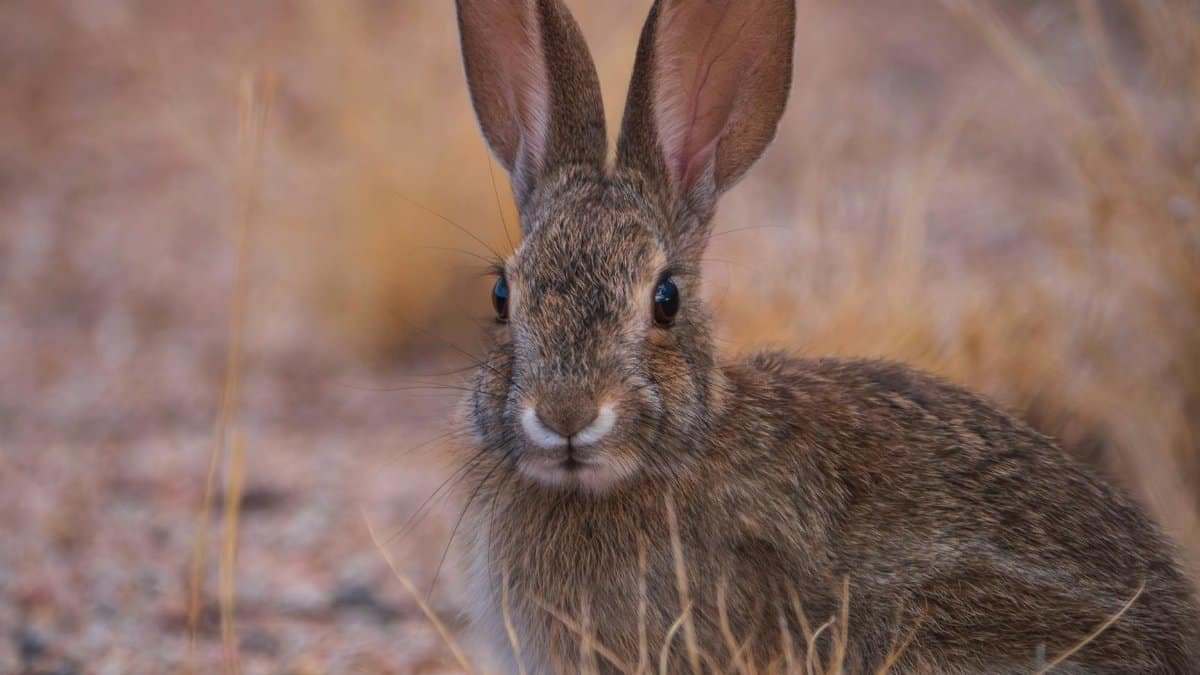
In Georgia’s open fields, rabbits dig frantic burrows, their urgency reflecting the burrowing instincts humans tap into during crises—seeking shelter from storms. These patterns intensify with habitat fragmentation, paralleling feelings of instability in volatile job markets. A farmer shared a tale of rabbits emerging warily at dawn, their caution a mirror to morning dreads. This earthbound reflection grounds us in shared survival strategies.
Rabbits’ social networks aid in evasion, hinting at community support’s role in stress relief. Wildlife data from state agencies reinforces these observations, emphasizing ecological interconnectedness.
9. Butterfly Migration Fluctuations in Meadows
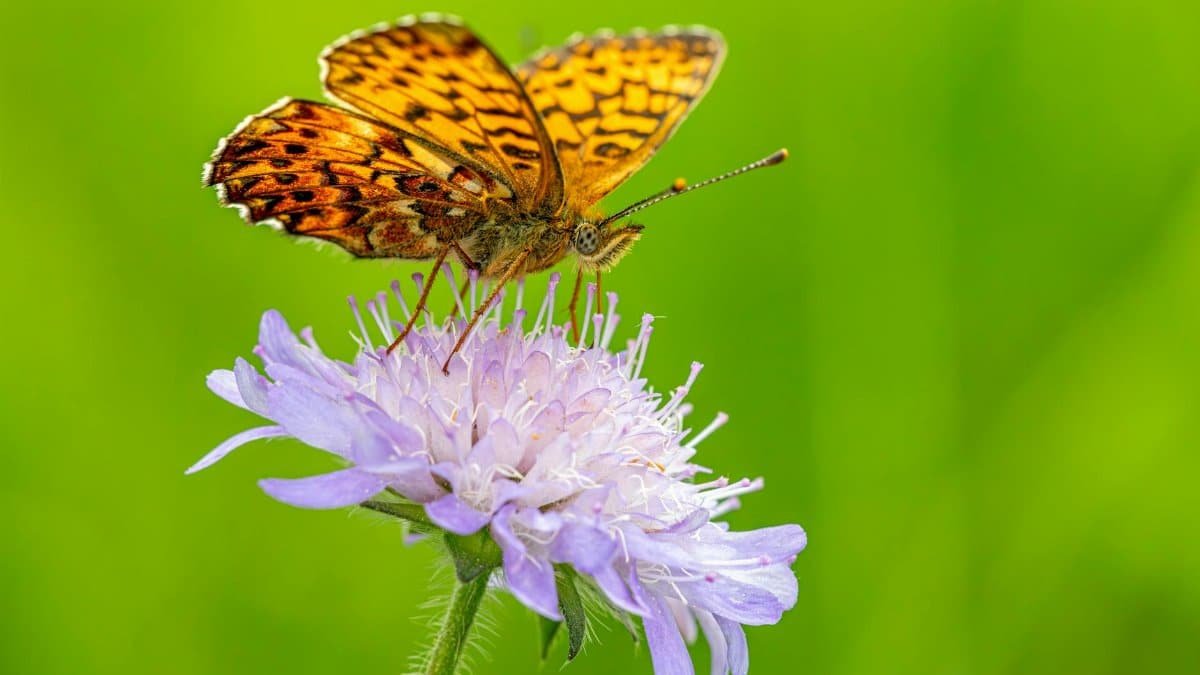
Monarch butterflies in Georgia meadows flutter erratically during migrations, their paths disrupted by climate shifts, much like how stress alters human trajectories. These delicate patterns reflect broader environmental anxieties, offering metaphors for navigating change. A naturalist observed a lone butterfly veering off course, evoking personal detours from life’s pressures. In this dance, we see fragility and endurance intertwined.
Conservation efforts track these shifts, as noted in Monarch Joint Venture resources, linking them to human-induced factors. Embracing such reflections might inspire adaptive grace in our own lives, turning observation into healing.
Across these patterns, Georgia’s wildlife provides a tapestry of insights, urging us to pause and reflect on our shared stresses. By tuning in, we uncover paths to calmer reactions through nature’s simple cues.