
New research reveals that 75% of Americans report feeling stressed daily, but nature might hold clues to coping. Scientists are turning to animal patterns that reflect human stress responses, uncovering surprising parallels in behavior. From fidgety squirrels to withdrawn elephants, these insights could revolutionize stress management in 2025. Simply put, animal patterns reflect our own emotional turmoil, offering lessons in resilience and calm.
1. Squirrels’ Frantic Gathering
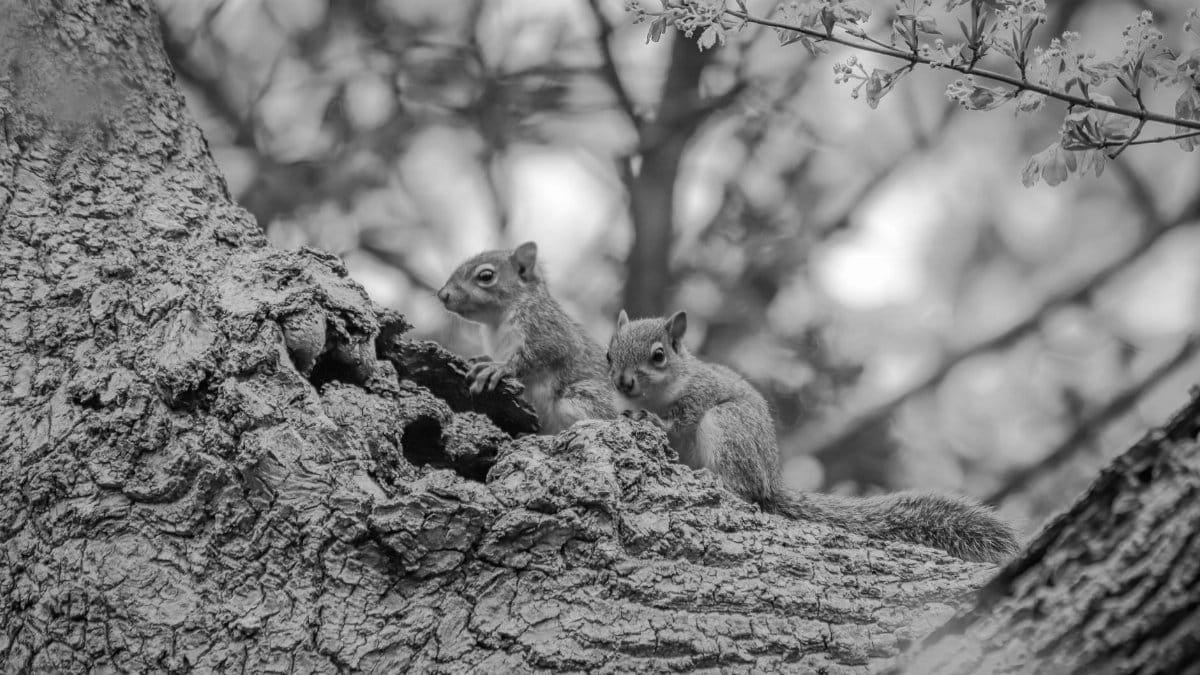
Squirrels dart around collecting nuts with manic energy when resources seem scarce, much like humans stockpiling during uncertain times. This behavior spikes in stressful environments, mirroring our own hoarding instincts under pressure. Experts note that observing these patterns can teach us about proactive stress relief. A study from the University of Michigan highlights how such animal adaptations promote survival.University of Michigan Ecology Research
2. Birds’ Restless Migration
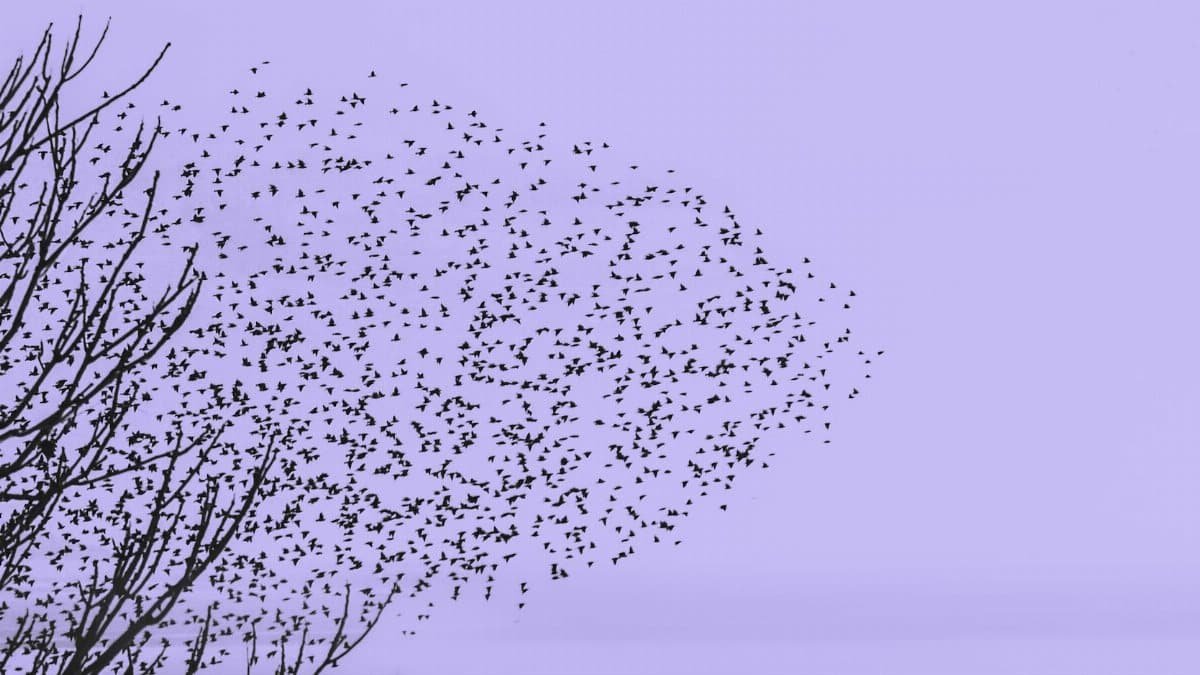
When threats loom, birds alter migration paths abruptly, reflecting human flight responses to stress. This instinctual shift helps them evade danger, similar to how people relocate for better mental health. In 2025, therapists are incorporating bird watching into stress therapy programs. Research from the Cornell Lab of Ornithology supports these connections, showing behavioral overlaps.
3. Wolves’ Pack Isolation

Stressed wolves withdraw from their packs, echoing human social withdrawal during anxiety peaks. This pattern ensures individual recovery before rejoining the group. Wildlife biologists observe this in habitats under environmental strain, paralleling urban isolation trends. A report from the U.S. Fish and Wildlife Service details wolf stress behaviors.U.S. Fish and Wildlife Service Wolf Report
4. Fish Schooling Disruptions
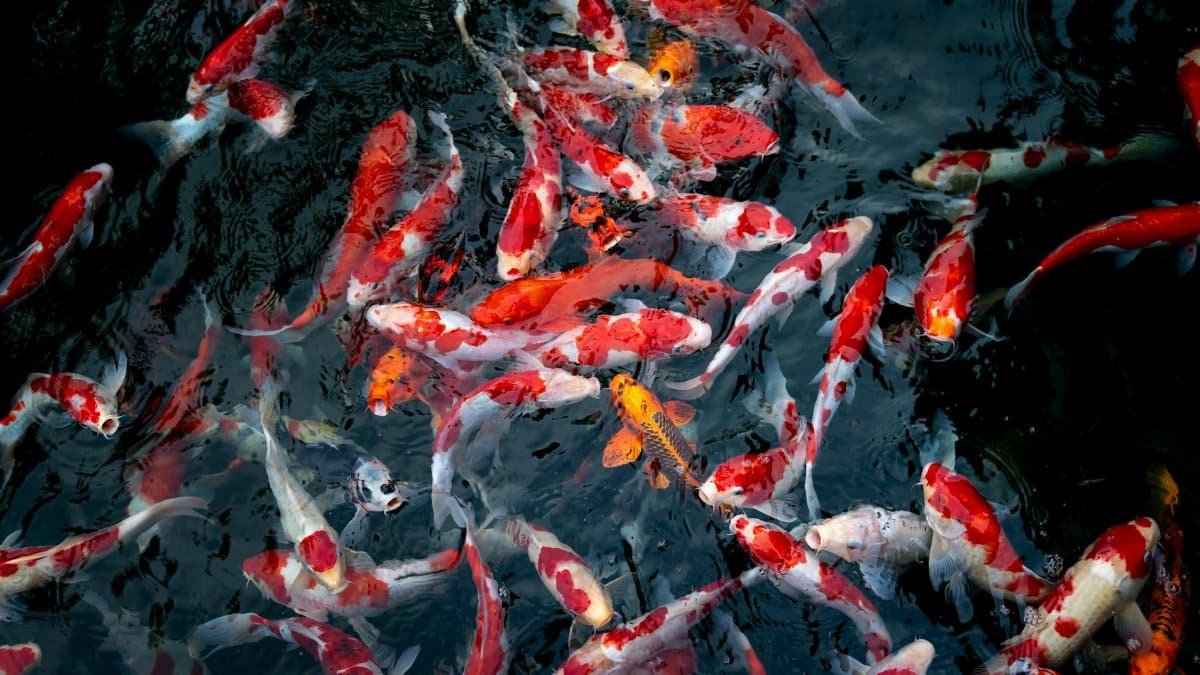
In polluted waters, fish break from tight schools, swimming erratically, much like humans losing focus amid chronic stress. This disruption affects group safety, highlighting vulnerability. Marine studies show recovery through cleaner environments, offering metaphors for personal detox. The National Oceanic and Atmospheric Administration tracks these patterns in ocean health reports.
5. Elephants’ Memory Lapses

Elephants under poaching stress forget familiar paths, akin to human memory fog from prolonged tension. These gentle giants rely on memory for survival, and disruptions signal deep distress. Conservationists use this to advocate for protected zones. Insights from the Smithsonian’s National Zoo emphasize cognitive impacts.
6. Bees’ Aggressive Swarming

Stressed bee colonies swarm aggressively, defending hives with heightened vigor, reflecting human irritability under pressure. This response protects the group but drains energy. Pollinator research links hive stress to environmental factors, urging better practices. The USDA’s Agricultural Research Service provides data on bee behavior.
7. Cats’ Hiding Behavior
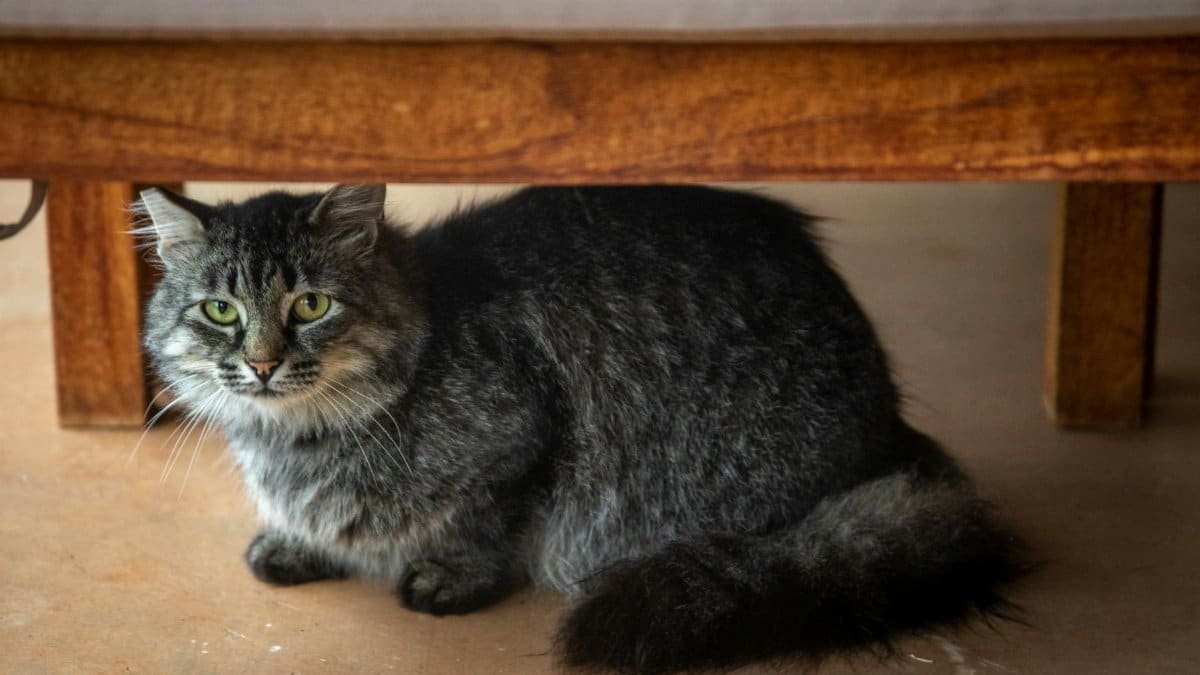
Domestic cats hide in small spaces when overwhelmed, mirroring human desires to retreat during stress. This instinctive coping mechanism allows time to regroup. Veterinarians note increased hiding in noisy homes, advising quieter environments. Studies from the American Veterinary Medical Association support these observations.
8. Dogs’ Pacing Rituals

Dogs pace back and forth in confined spaces, a clear sign of anxiety that parallels human restlessness. This pattern often stems from separation or change, treatable with routine. Animal behaviorists recommend exercise to mitigate it. The ASPCA offers guidelines on canine stress signals.
9. Primates’ Grooming Obsessions
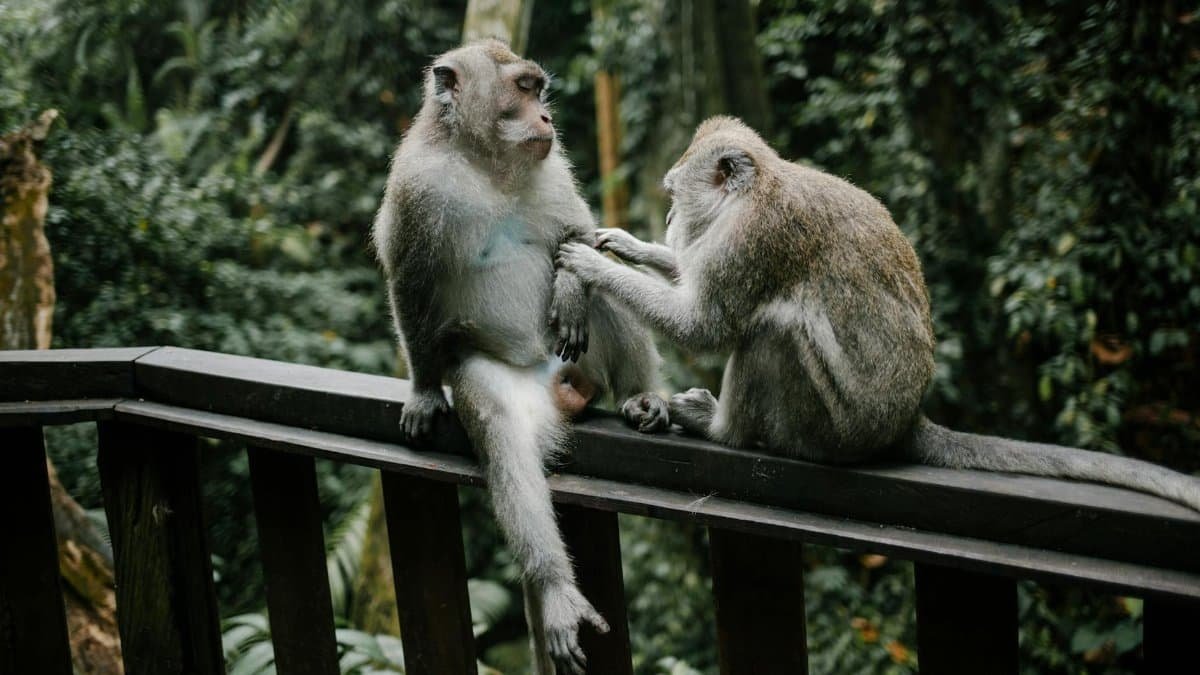
Monkeys and apes overgroom during social stress, sometimes causing bald spots, much like human compulsive habits. This self-soothing turns destructive without intervention. Primatologists study this in zoos and wild settings for welfare improvements. Research from the Jane Goodall Institute explores primate emotional health.
These animal patterns reflect broader truths about stress across species. In 2025, integrating these insights into daily life could foster better emotional balance. Experts urge observing nature for personal growth, turning wildlife wisdom into human advantage.