
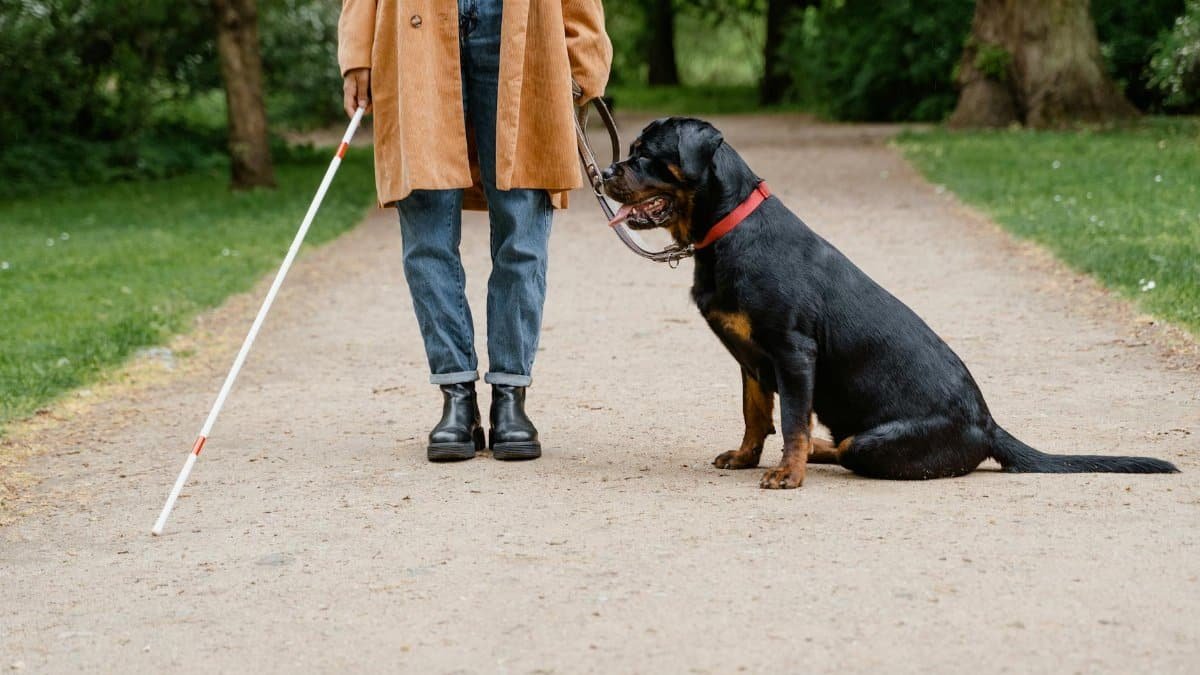
What if the key to unwinding in our hectic lives lies not in apps or retreats, but in the subtle behaviors of the creatures around us? In a world where stress levels continue to climb, many Americans are turning to nature’s own therapists: animals. A growing body of research suggests that observing animal cues can trigger a calming response in the human nervous system, helping us shift from fight-or-flight mode to a state of rest and digest. This isn’t just feel-good folklore; it’s backed by science showing how these signals promote mindfulness and reduce cortisol. For middle-aged folks juggling careers, family, and endless notifications, tapping into these animal, people connections offers a simple, accessible way to reclaim calm. As we delve into nine such cues, consider how they might reshape your daily rhythm in 2025, fostering deeper ease amid the chaos.
1. The Cat’s Slow Blink
Picture a cat lounging on a windowsill, its eyes half-closed in a deliberate, unhurried blink. This gesture, often called a “cat kiss” among enthusiasts, signals trust and contentment in the feline world. For humans, mirroring or simply observing it can prompt a similar relaxation response. Studies from the American Psychological Association highlight how such visual cues activate the parasympathetic nervous system, easing tension. One middle-aged teacher in Chicago shared how watching her tabby do this during evening routines helped her transition from a frenzied workday to peaceful family time. It’s a reminder that slowing down starts with the eyes, inviting us to pause and connect without words. Researchers at Cornell University’s College of Veterinary Medicine have explored this in depth, noting its role in human-animal bonding.Cornell Feline Health Center provides insights into these behaviors.
Yet, it’s not always straightforward. Sometimes, a cat’s blink comes amid playful energy, creating a tension between calm and curiosity. This duality mirrors our own lives, where rest often intermingles with lingering tasks. By attuning to it, people report feeling more grounded, as if the cat is teaching a lesson in selective focus.
2. A Dog’s Deep Sigh

Listen closely next time your dog settles into its bed with a long, audible exhale. That sigh isn’t boredom; it’s a sign of release, often following play or stress. Humans can borrow this cue to prompt their own breathing exercises. A study from the National Institutes of Health links pet interactions to lowered blood pressure, with sighs playing a subtle role in synchronization. Imagine a retiree in Florida, winding down after a doctor’s appointment, syncing breaths with his Labrador’s sighs; it becomes a ritual that melts away worries. This simple act fosters empathy, bridging the animal, people divide in unexpected ways.
The beauty lies in its accessibility. No fancy equipment needed, just presence. But challenges arise when the sigh signals discomfort, requiring discernment. Still, incorporating it mindfully can transform mundane moments into pockets of tranquility, as evidenced by ongoing research at the National Institutes of Health.
3. Birds’ Methodical Preening
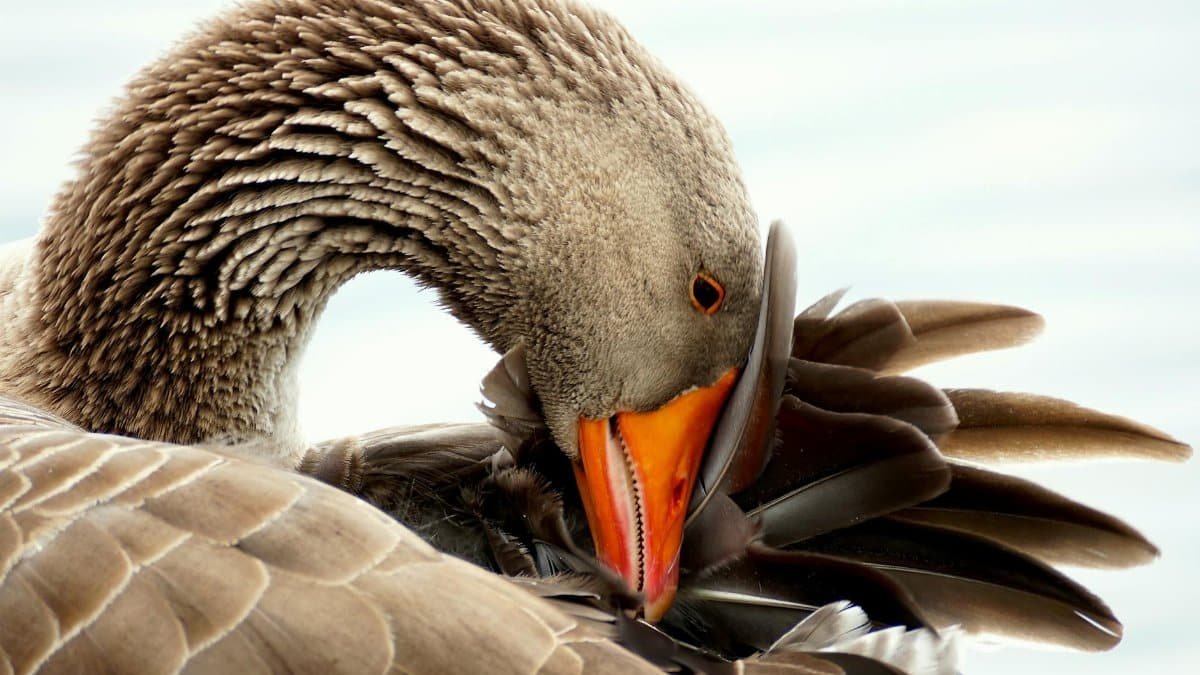
Ever watched a bird meticulously grooming its feathers, one by one, with unhurried precision? This ritual of self-care embodies patience, a quality many of us lack in our rush-hour existences. Ornithologists note that preening maintains health while signaling calm to the flock. For people, it inspires routines like gentle stretching or journaling, slowing the mental churn. A Pew Research survey found that 45% of adults seek nature-based stress relief, up from previous years, pointing to this trend’s rise. One anonymous account from an online discussion described how observing backyard sparrows preening helped a stressed parent in Texas carve out time for personal reflection, turning chaos into composure.
There’s a rhythm to it, almost hypnotic, that counters our digital distractions. Yet, in urban settings, accessing such scenes might require intentional effort, like visiting a park. The payoff, though, is profound, aligning our pace with nature’s steady beat. For more on bird behaviors, the Cornell Lab of Ornithology offers extensive resources.
4. The Turtle’s Deliberate Pace

A turtle ambling across a path, each step measured and purposeful, challenges our obsession with speed. This cue from reptiles encourages us to embrace slowness as strength, not weakness. Evolutionary biologists explain that such pacing conserves energy, a lesson applicable to human burnout prevention. In group therapy sessions, facilitators sometimes invoke turtle imagery to guide participants toward mindful walking. Consider a corporate executive in New York who, after a high-stakes meeting, visualized a turtle’s gait to decompress, finding clarity amid the frenzy.
It’s a counterintuitive approach in a productivity-driven culture, yet it works by recalibrating our internal clocks. Tensions emerge when external demands clash with this pace, but practicing it briefly can yield lasting calm. Insights from the Smithsonian’s National Zoo underscore these adaptive strategies.Smithsonian National Zoo details reptile behaviors supporting this.
5. Horses’ Gentle Nuzzling
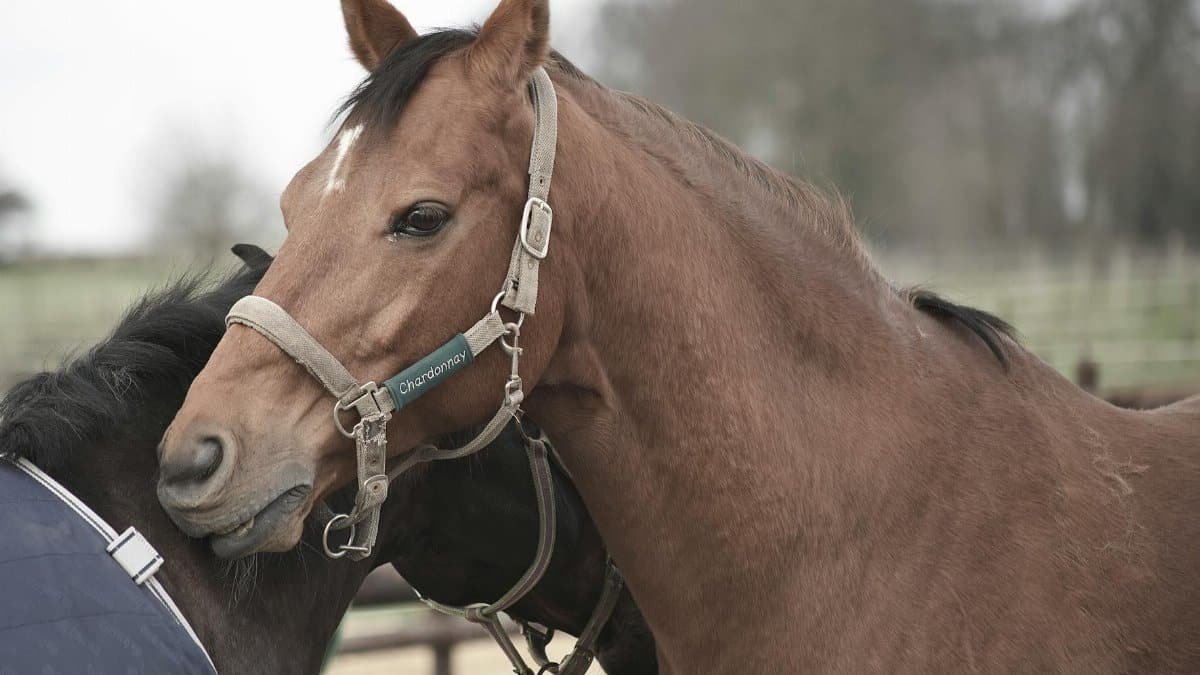
When a horse nuzzles its companion, it’s a soft affirmation of safety and bond, often lowering heart rates in both parties. Equine therapy programs leverage this for human stress reduction, with participants reporting profound relaxation. A CDC report on animal-assisted interventions confirms these benefits, especially for mental health. Picture a veteran in the Midwest, participating in a ranch program, feeling the nuzzle dissolve years of accumulated tension; it’s a tactile reminder of connection.
This cue invites physical awareness, prompting us to seek similar gentle contacts in our lives. However, not everyone has access to horses, so adaptations like petting a stuffed animal or hugging a pillow can mimic the effect. The interplay between vulnerability and comfort adds depth, making it a multifaceted tool for slowing down.
6. Fish Swimming in Sync

Schools of fish gliding in harmonious patterns offer a visual metaphor for flow state, where effort feels effortless. Aquarists observe how this synchronization reduces individual stress, a principle echoed in human mindfulness practices. Research from the Monterey Bay Aquarium explores how watching aquariums calms viewers, with brain scans showing decreased activity in stress centers. One busy professional in California recounted how her home aquarium became a daily anchor, the fish’s movements guiding her to a slower mental tempo.
The allure is in the collective calm, yet it highlights isolation’s pitfalls when we’re out of sync. Integrating this cue through videos or visits can bridge that gap, fostering a sense of unity with the animal, people realm. For aquarium science, visit the Monterey Bay Aquarium.
7. Butterflies’ Fluttering Pauses
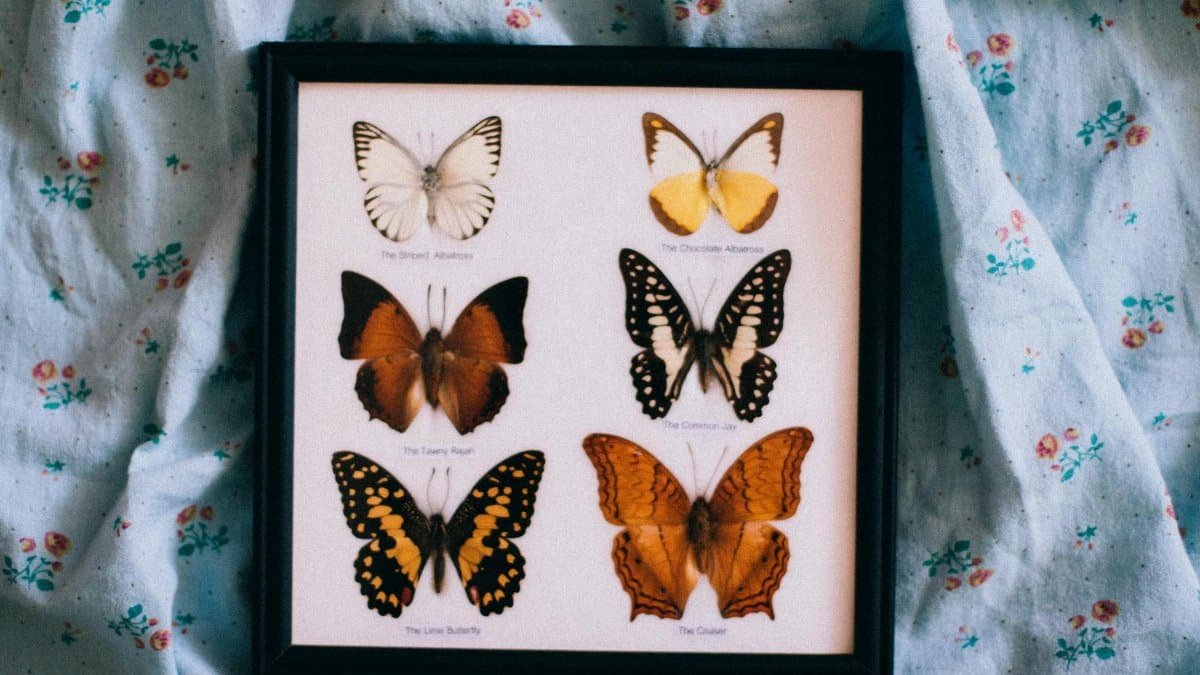
A butterfly alighting on a flower, wings folding in brief repose, captures the essence of intermittent rest. Entomologists describe this as necessary for energy conservation amid flight. For humans, it models the power of micro-breaks, combating constant motion. A study in the Journal of Environmental Psychology links nature observation to improved well-being, with such pauses amplifying effects. An artist in Oregon drew inspiration from garden butterflies, incorporating their stillness into her creative process, which eased her anxiety.
There’s poetry in the pause, contrasting with the flutter, much like our own ebbs and flows. Urban dwellers might seek this in parks or even digital simulations, turning fleeting moments into sustained peace.
8. Owls’ Silent Vigil

An owl perched motionless, scanning the night with quiet intensity, teaches the art of watchful waiting. This nocturnal cue promotes introspection without haste. Wildlife experts from the Audubon Society note how owls’ stillness aids survival, a trait we can adopt for emotional regulation. In meditation retreats, instructors reference owls to encourage silent observation. A writer in Seattle found solace in imagining an owl’s poise during late-night worries, slowing her racing thoughts.
The silence invites depth, though it can feel eerie at first. Embracing it reveals hidden insights, bridging instinctual animal, people wisdom with modern life. Audubon’s resources elaborate on this.Audubon Society Bird Guide.
9. Rabbits’ Burrowing Retreat

When a rabbit darts into its burrow for shelter, it’s prioritizing safety and rest over exposure. This instinctual withdrawal cues us to create personal sanctuaries for recharge. Behavioral studies show burrowing animals thrive by balancing activity with seclusion. A homemaker in the suburbs turned her reading nook into a “burrow,” inspired by wild rabbits, finding it essential for managing family demands.
It underscores boundaries’ importance, yet over-isolation poses risks. Used wisely, it cultivates resilience, weaving animal, people lessons into everyday coping. For more on mammal behaviors, the U.S. Fish and Wildlife Service provides comprehensive info.
As these cues illustrate, animals offer timeless guidance for slowing down, enriching our lives with subtle, profound wisdom.