
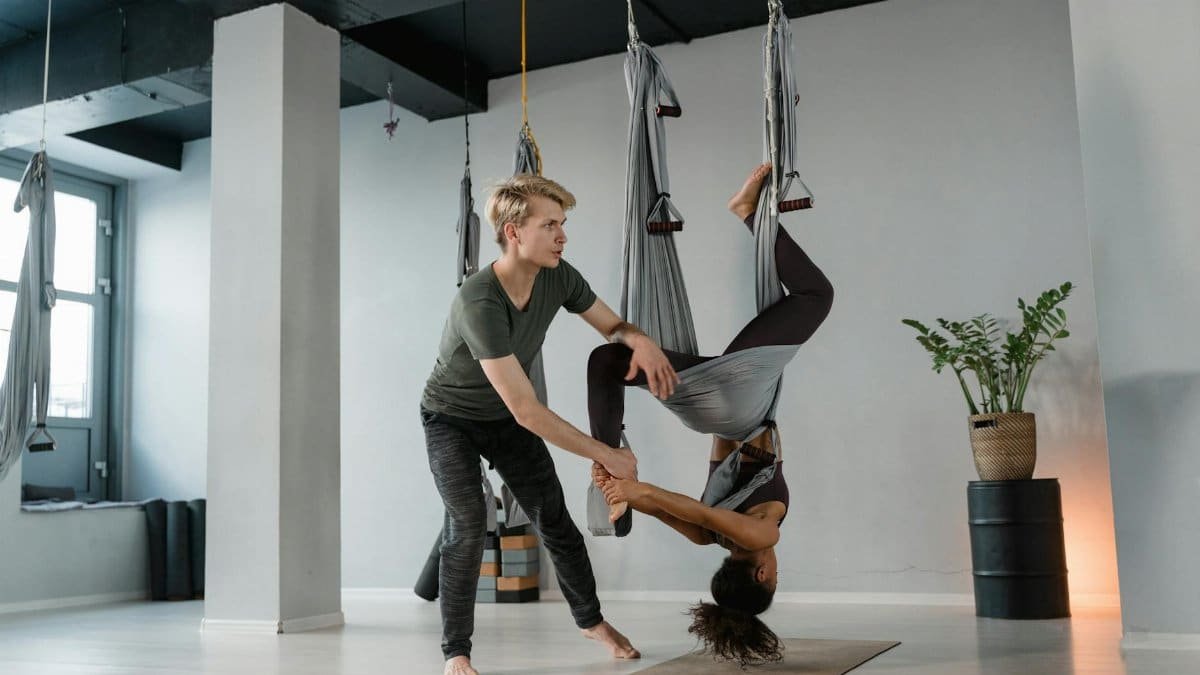
In a fast-paced world, a surprising stat reveals that over 36 million Americans practice yoga, with mobility sequences gaining traction for their role in combating daily stress, according to the 2017 Yoga in America Study. This surge highlights how guiding, sequences, lifestyles are evolving, as more people turn to these practices to restore balance amid hectic schedules. From office workers to remote professionals, yoga’s mobility flows offer a practical way to enhance flexibility and mental clarity without needing hours in a studio.
1. Sun Salutation for Morning Energy

Yoga enthusiasts swear by the Sun Salutation, or Surya Namaskar, as a foundational sequence that kickstarts the day. This series of 12 postures flows seamlessly, warming up the body and syncing breath with movement. In modern lifestyles, it’s a quick 10-minute ritual that boosts circulation and sets a positive tone before diving into emails or commutes. Experts note its benefits in reducing anxiety, backed by research from the National Institutes of Health. Practitioners report feeling more grounded, making it ideal for those juggling work and family demands.
2. Cat-Cow Flow for Spinal Health

The Cat-Cow sequence targets the spine, alternating between arching and rounding to release tension. It’s particularly useful for desk-bound professionals suffering from back pain due to prolonged sitting. This gentle flow improves posture and flexibility, essential in today’s sedentary routines. A study from Harvard Medical School emphasizes how such movements prevent chronic issues. Integrating this into breaks can transform how one navigates daily physical strains, aligning perfectly with guiding, sequences, lifestyles focused on wellness.
3. Warrior Series for Strength Building

Warrior poses, including Warrior I, II, and III, build lower body strength while fostering mental resilience. These stances challenge balance and endurance, mirroring the perseverance needed in high-pressure careers. Recent data from the Yoga Journal indicates a rise in strength-focused yoga among millennials. By practicing these, individuals gain not just physical power but also the confidence to tackle modern challenges like career pivots or personal goals.
4. Hip-Opening Sequence for Emotional Release

Hip openers like Pigeon Pose and Butterfly Stretch delve into stored emotions, as hips often hold stress from urban living. This sequence promotes mobility in the pelvis, crucial for those with active but confined lifestyles. Insights from the American Psychological Association link yoga to better emotional regulation. Regularly incorporating these poses helps release pent-up tension, offering a pathway to inner peace amid chaotic schedules.
5. Twisting Poses for Detoxification

Twists such as Seated Spinal Twist or Revolved Triangle aid in detoxifying the body by stimulating digestion and circulation. In a world of processed foods and constant connectivity, these movements support gut health and mental detox. A report from the National Center for Biotechnology Information highlights yoga’s role in improving digestive function. This makes twisting sequences a smart addition to routines aiming for holistic health.
6. Balancing Flows for Focus Enhancement
Balancing sequences, featuring Tree Pose or Eagle Pose, sharpen concentration and stability. They’re invaluable for professionals needing laser focus in meetings or creative tasks. With distractions from social media rampant, these poses train the mind to stay present. Findings from a Harvard Health Publishing article confirm yoga’s impact on cognitive function, underscoring its relevance in guiding, sequences, lifestyles toward productivity.
7. Restorative Sequence for Recovery

Restorative poses like Child’s Pose and Legs-Up-the-Wall provide deep relaxation, countering the burnout from relentless modern demands. These passive holds use props for support, allowing the body to recharge. Amid rising reports of work-related exhaustion, this sequence promotes recovery. Health experts from the Mayo Clinic advocate for such practices to combat fatigue, making it a staple for sustainable living.
8. Breath-Centered Flow for Stress Management

Ending with a breath-focused sequence, incorporating Pranayama techniques alongside gentle movements, directly addresses stress. This flow regulates the nervous system, vital in an era of constant notifications. U.S. trends show a spike in mindfulness practices, with yoga leading the charge for mental health. By mastering breath control, individuals navigate life’s pressures more effectively, embodying the essence of guiding, sequences, lifestyles that prioritize clarity and calm.
As 2025 unfolds, these yoga mobility sequences continue to shape how Americans integrate wellness into daily life, proving that ancient practices remain relevant in contemporary settings.