
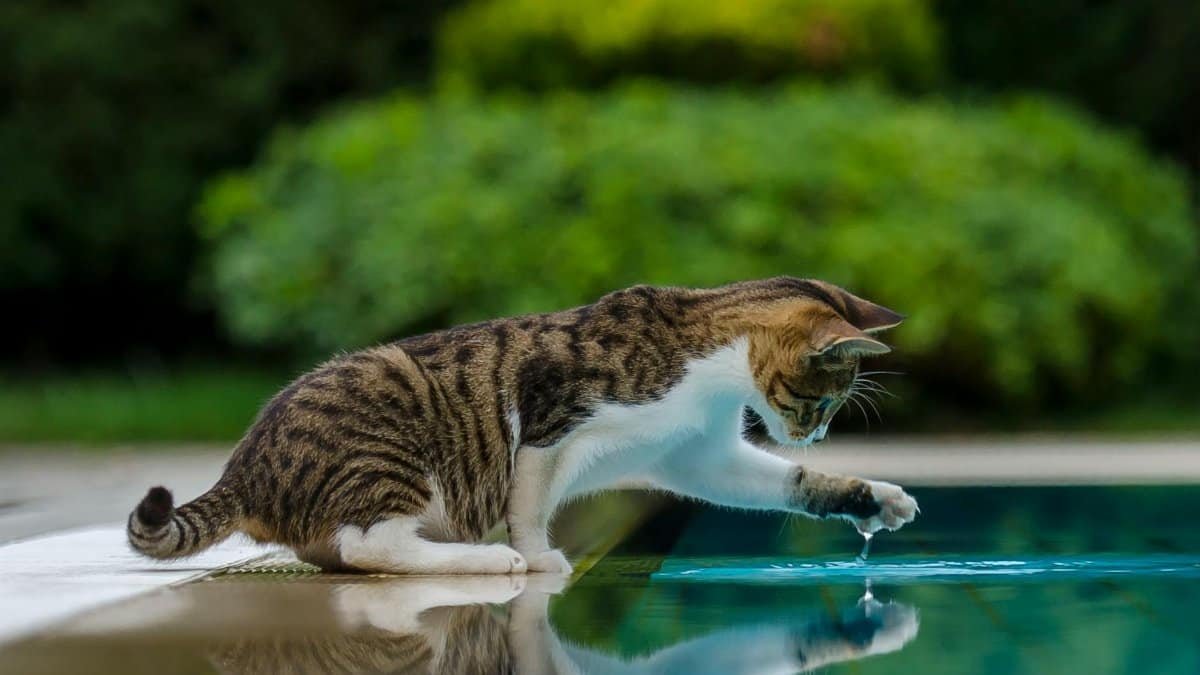
A recent study from the American Psychological Association revealed that 68% of Americans report feeling overwhelmed by daily stressors, up from 55% just five years ago. This surge highlights a growing need for tools to foster emotional equilibrium. Enter the natural world right in Georgia’s backyard, where wildlife behaviors teach profound lessons in maintaining balance. From the patient ambush of an alligator in the Okefenokee Swamp to the adaptive foraging of a white-tailed deer in the North Georgia mountains, these animal actions offer metaphors for human resilience. As we navigate 2025’s fast-paced demands, observing these behaviors can inspire strategies for emotional steadiness. It’s not about mimicking animals exactly, but drawing insights from their instinctive ways of thriving amid uncertainty.
1. The Alligator’s Patient Ambush
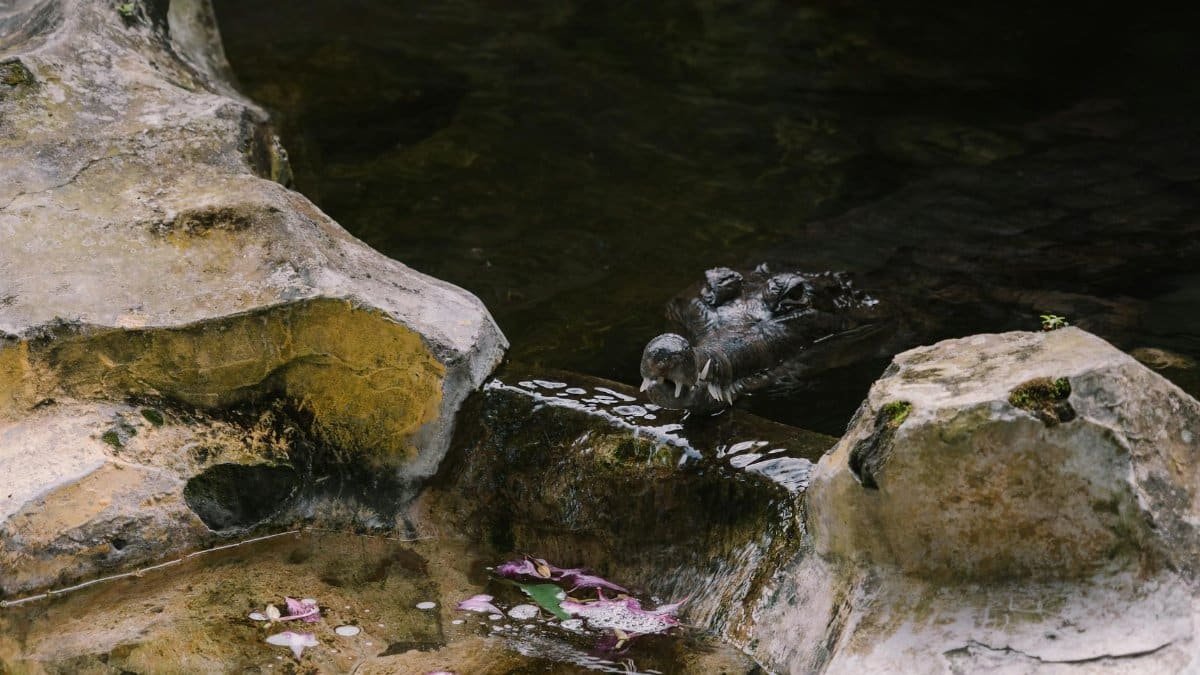
In the murky waters of Georgia’s coastal marshes, alligators embody a quiet vigilance that speaks volumes about emotional restraint. These reptiles don’t charge impulsively; they wait, submerged, eyes just above the surface, until the moment is right. This behavior mirrors the art of pausing before reacting in heated situations. Consider a scenario where tension builds at work—a colleague’s sharp comment stings. Instead of snapping back, channeling the alligator means holding steady, assessing, then responding with clarity.
Research supports this approach. A study from the University of Georgia’s Warnell School of Forestry and Natural Resources details how alligators conserve energy through stillness, a tactic that humans can adapt for stress management.University of Georgia Warnell School explores such wildlife patterns, linking them to broader ecological lessons. In everyday life, this patience fosters emotional balance by preventing rash decisions that escalate conflicts.
One anonymous account shared publicly online described a hiker in the Okefenokee who watched an alligator’s unmoving form for hours. “It hit me,” the person reflected, “that sometimes doing nothing is the strongest move.” Such observations turn swamps into classrooms for composure.
2. The White-Tailed Deer’s Alert Vigilance
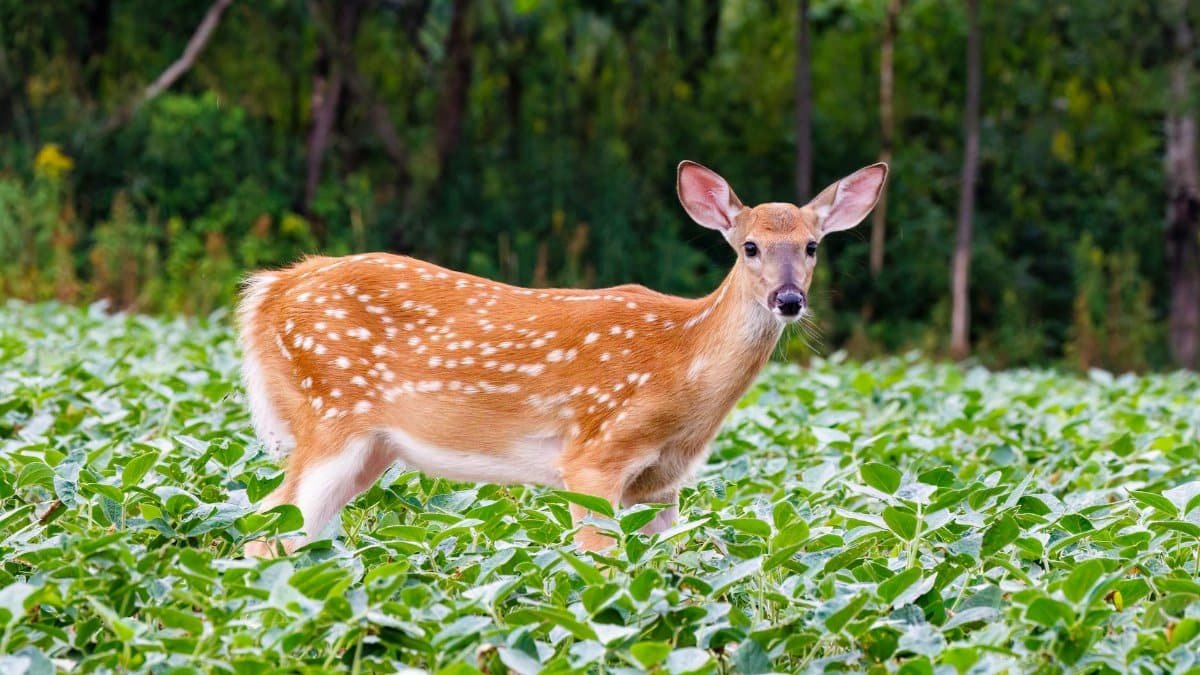
White-tailed deer roam Georgia’s forests with ears twitching and heads held high, always scanning for threats. This hyper-awareness isn’t paranoia; it’s a survival tool that teaches mindfulness in the face of chaos. Picture a deer freezing mid-step as leaves rustle nearby—every sense attuned, deciding in seconds whether to flee or stay.
Applying this to human emotions, it encourages staying present rather than getting lost in worry. Emotional balance often slips when we ignore subtle cues, like rising anxiety before it overwhelms. Deer show us to tune in early. The Georgia Department of Natural Resources tracks deer populations and behaviors, noting their acute sensory adaptations.Georgia Department of Natural Resources Wildlife Page provides insights into how these animals navigate predators, offering parallels for personal vigilance.
Stories abound of hunters in the Chattahoochee National Forest learning from deer’s alertness. One might recall the soft crunch of underbrush, the deer’s sudden pause, a reminder that awareness can diffuse emotional storms before they build.
3. The Bald Eagle’s Soaring Adaptability
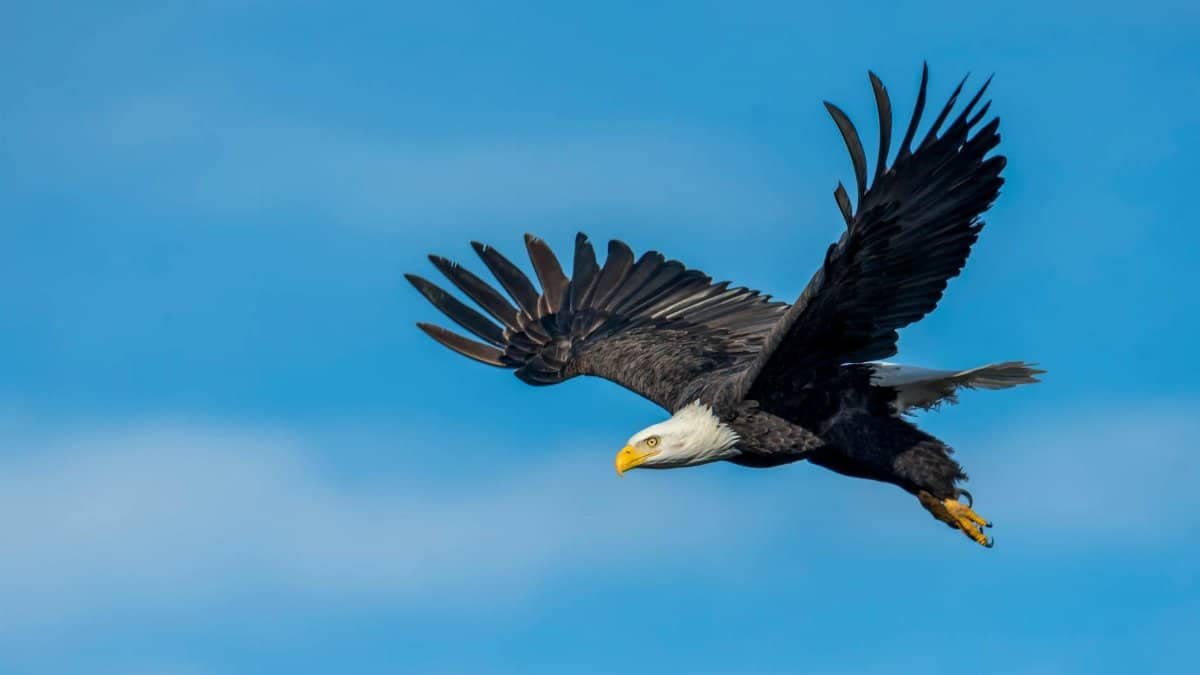
High above Georgia’s rivers, bald eagles glide on thermal currents, adjusting wings with effortless grace to changing winds. This adaptability isn’t random; it’s a calculated response to environmental shifts, teaching us to pivot without losing direction. When storms brew over Lake Lanier, eagles don’t fight the gusts—they ride them.
In terms of emotional balance, this suggests flexibility amid life’s upheavals, like job loss or relationship strains. Rigid thinking amplifies distress, but eagle-like adjustments restore equilibrium. A report from the U.S. Fish and Wildlife Service highlights eagle recovery in Georgia, emphasizing their resilient behaviors.U.S. Fish and Wildlife Service Bald Eagle Page details conservation efforts, underscoring adaptability as key to survival.
Imagine spotting an eagle mid-flight, banking sharply to catch an updraft. It’s a vivid lesson: bend, don’t break, and emotions steady themselves naturally.
4. The Red Fox’s Cunning Resourcefulness
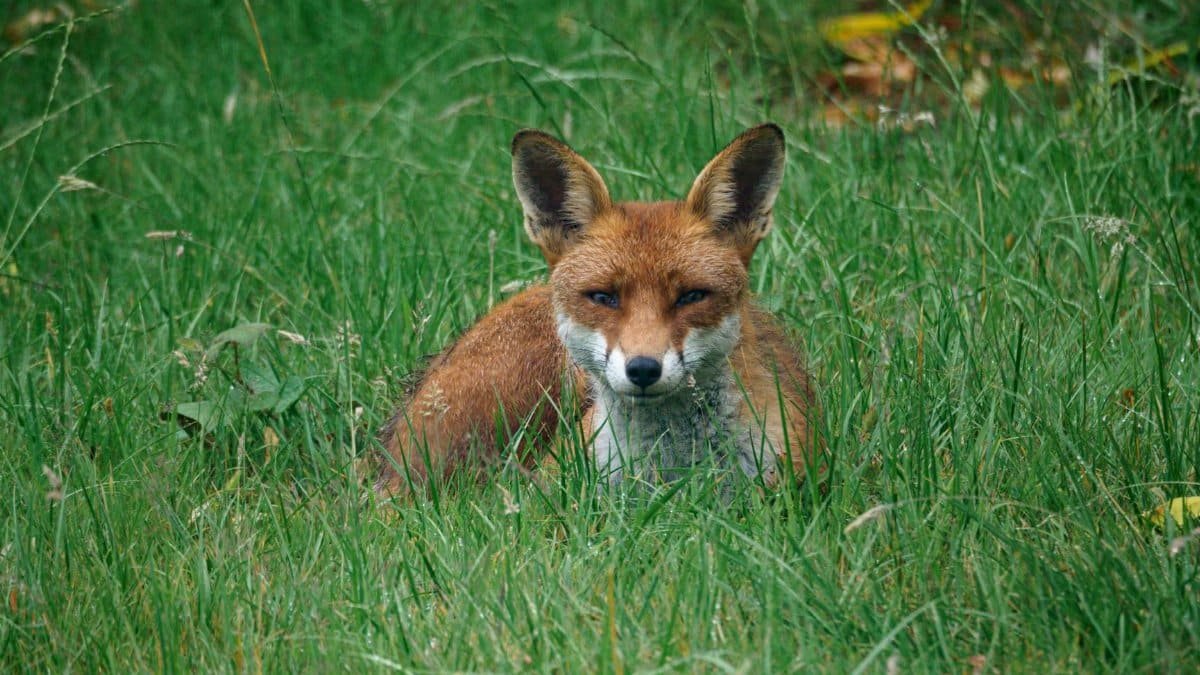
Red foxes in Georgia’s suburbs dart through backyards, scavenging with clever improvisation. They cache food, switch hunting tactics, and even play dead to evade danger—a toolkit of resourcefulness that exemplifies emotional ingenuity.
This behavior prompts us to rethink setbacks as opportunities for creative solutions, maintaining balance by reframing challenges. When emotions run high, like during financial strain, fox-like cunning means finding new paths rather than despairing. Studies from the Smithsonian’s National Zoo note foxes’ problem-solving skills, applicable to human psychology.Smithsonian National Zoo Red Fox Page explores these traits, linking them to adaptive intelligence.
A quiet evening in a Decatur neighborhood might reveal a fox rifling through compost, undeterred by obstacles. It’s a snapshot of resilience that whispers, “Adapt, and balance follows.”
5. The Box Turtle’s Steady Retreat

Box turtles in Georgia’s woodlands pull into their shells at the first sign of trouble, a deliberate withdrawal that protects without aggression. This isn’t cowardice; it’s strategic self-preservation, teaching the value of boundaries for emotional health.
In our interconnected world, constant demands can erode balance. The turtle’s retreat reminds us to step back, recharge, and emerge stronger. Emotional overwhelm often stems from overextension; a timely pause restores calm. The Georgia Sea Turtle Center researches similar shelled species, emphasizing protective behaviors.Georgia Sea Turtle Center provides data on turtle conservation, highlighting retreat as a survival mechanism.
One observer in the Cohutta Wilderness described stumbling upon a turtle mid-retreat: shell clamped shut, world muffled. That image lingers as a metaphor for healthy withdrawal in turbulent times.
6. The Black Bear’s Seasonal Hibernation
Black bears in North Georgia’s mountains hibernate through winter, slowing their metabolism to conserve energy—a profound lesson in rest and renewal. They don’t push through exhaustion; they embrace dormancy, emerging revitalized.
For emotional balance, this underscores the need for downtime amid 2025’s relentless pace. Burnout plagues many, but bear-like rest prevents it. By prioritizing recovery, we maintain equilibrium. The National Park Service documents bear behaviors in the Appalachians.National Park Service Bears Page offers insights into hibernation’s role in survival.
Think of a bear den in the Blue Ridge, snow blanketing the entrance. Inside, quiet restoration happens, mirroring how humans might find peace in intentional breaks.
7. The Great Blue Heron’s Focused Stillness

Standing motionless in Georgia’s wetlands, great blue herons spear fish with laser precision, their stillness a masterclass in concentration. Distractions abound, yet they remain undeterred, striking only when sure.
This teaches emotional focus: amid inner turmoil, honing in on what matters cuts through noise. Anxiety scatters thoughts, but heron-like poise gathers them back. The Cornell Lab of Ornithology studies heron hunting techniques.Cornell Lab of Ornithology Great Blue Heron details their patient strategies, relevant to mindfulness practices.
A dawn vigil#> walk along the Savannah River reveals herons wading, necks arched, eyes fixed. It’s a living sculpture of focus, urging us to cultivate similar steadiness in our emotional lives.
8. The Squirrel’s Persistent Foraging
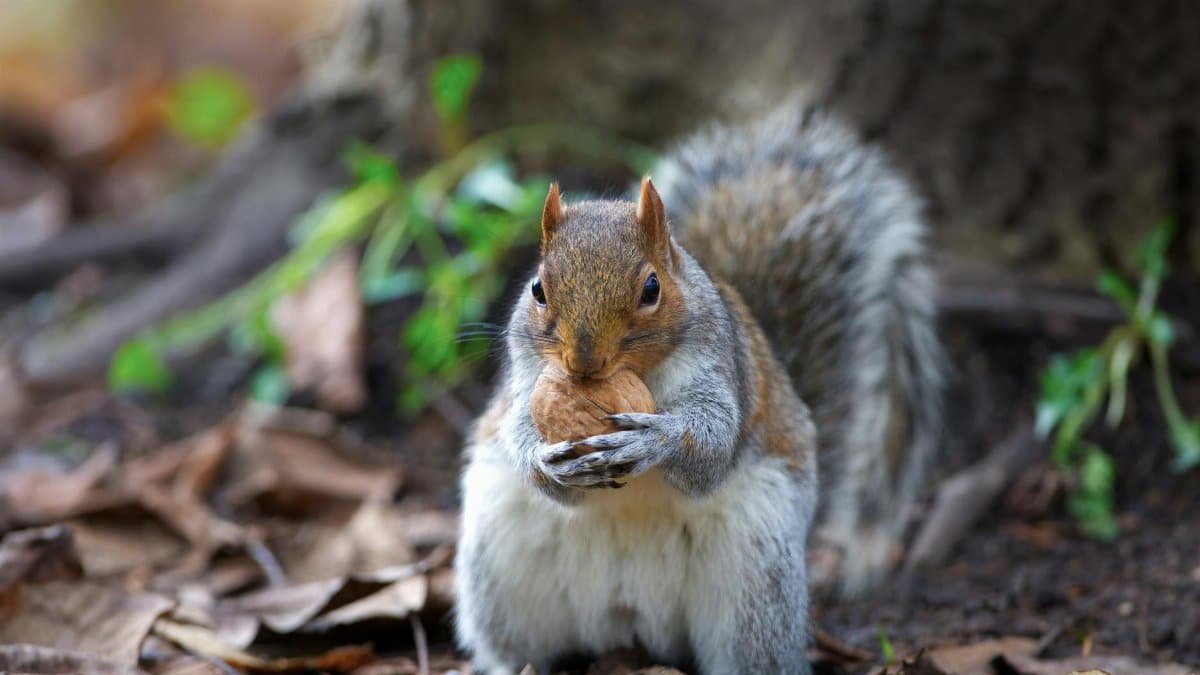
Gray squirrels scamper across Georgia’s oaks, burying nuts with relentless determination, undaunted by failures. Some caches are forgotten, but persistence ensures survival through lean times.
Emotionally, this behavior advocates perseverance without fixation on perfection. Setbacks disrupt balance, yet squirrel-like tenacity rebuilds it, one small effort at a time. In a culture of instant gratification, this fosters resilience. The University of Florida’s wildlife extension notes squirrel adaptability in urban settings.University of Florida IFAS Extension on Squirrels examines their foraging habits, drawing ties to behavioral ecology.
Watch a squirrel in Piedmont Park, digging furiously, then bounding away. It’s a furry testament to trying again, a nudge toward emotional endurance.
These wildlife behaviors, observed across Georgia’s diverse landscapes, illuminate paths to emotional balance. They remind us that nature’s rhythms offer timeless wisdom, accessible to anyone willing to look. As trends in 2025 emphasize mental wellness, perhaps more will turn to these natural teachers for guidance.