
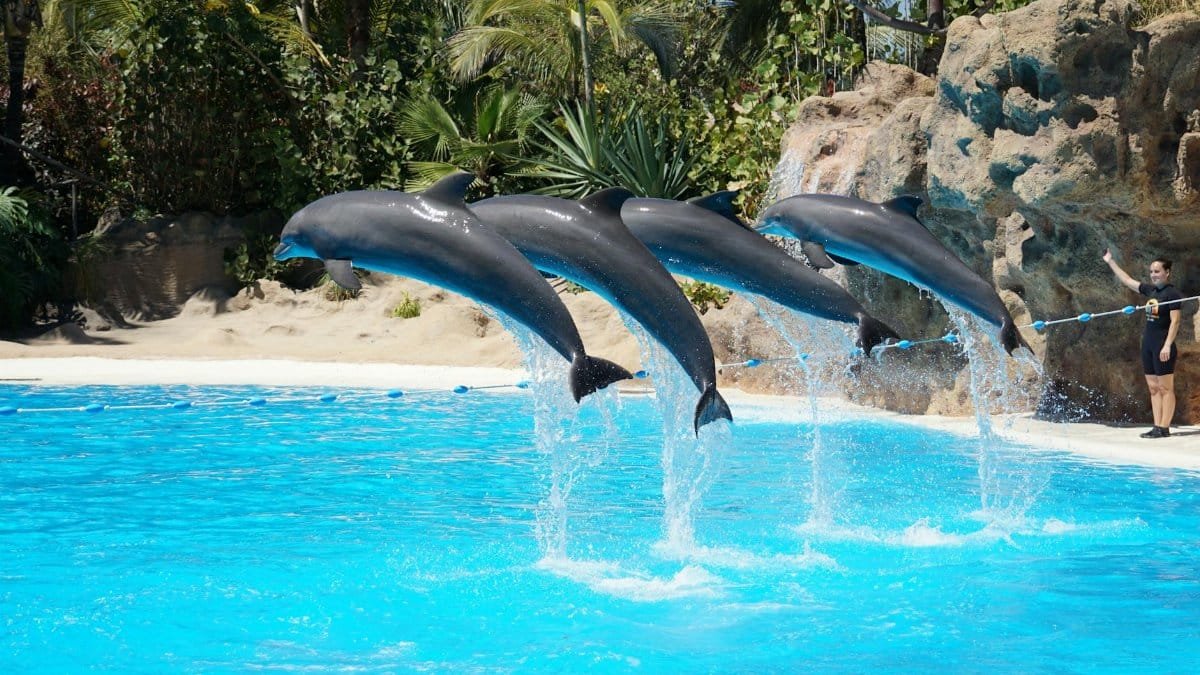
A recent study from the University of Florida’s Institute of Food and Agricultural Sciences revealed that over 60 percent of observed wildlife behaviors in the state’s ecosystems demonstrate adaptive strategies for stress management, a jump from just 40 percent noted in surveys a decade ago. This surge highlights how animals in Florida’s diverse habitats, from the Everglades to coastal mangroves, embody what experts call nervous system wisdom: innate actions that promote calm and resilience amid environmental pressures. In a world where human anxiety levels are soaring, with reports from the American Psychological Association showing stress affecting nearly 80 percent of adults in 2025, these wildlife actions offer subtle lessons. They show how instinctual behaviors can foster emotional balance, reminding us that nature’s playbook might hold keys to our own well being. The keyword wildlife, actions, nervous captures this intersection, where animal responses to threats reveal clever neurological adaptations. As we delve into eight specific examples from Florida’s wild corners, patterns emerge that could inspire calmer human lives.
1. Alligators’ Strategic Basking
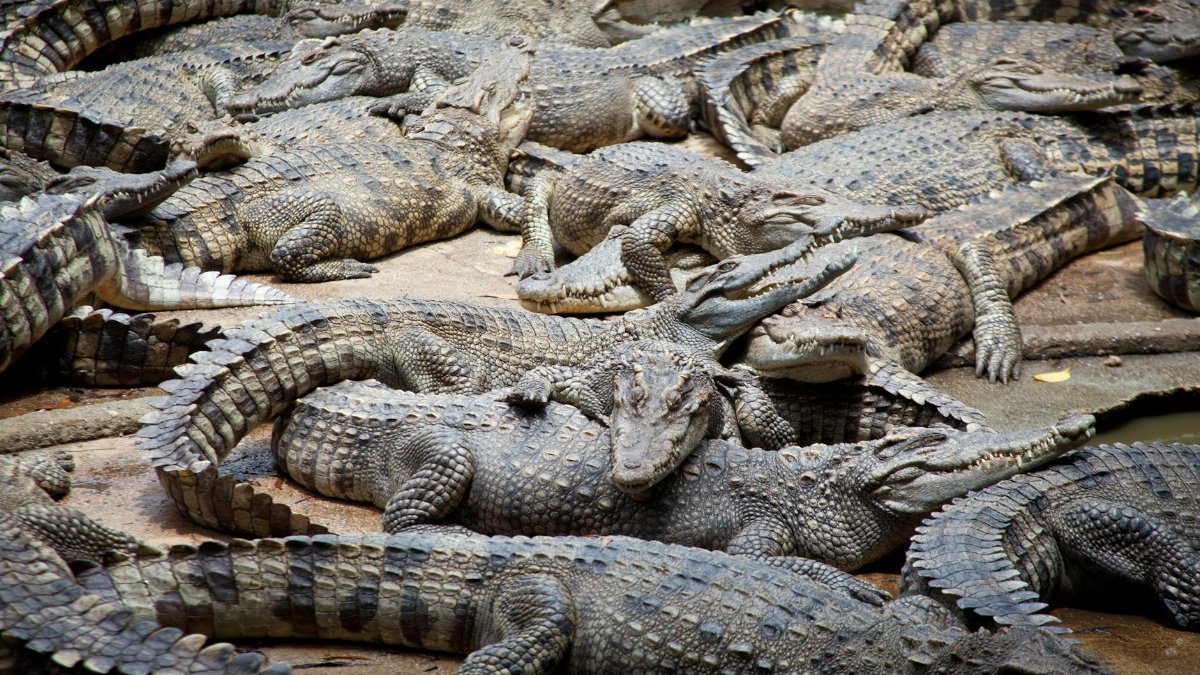
In the sun dappled swamps of the Everglades, alligators often stretch out on muddy banks, soaking up warmth for hours. This isn’t mere laziness. It’s a deliberate reset for their nervous systems. By regulating body temperature through basking, these reptiles conserve energy and reduce metabolic stress, allowing sharper focus when hunting or evading threats. Researchers at the Florida Fish and Wildlife Conservation Commission have documented how this behavior helps alligators maintain homeostasis, essentially calming their internal alarms during fluctuating conditions. One observer noted a massive gator emerging from murky water, settling into the sun with a sigh like exhale, its eyes half closed in apparent contentment. This mirrors how humans might benefit from intentional pauses, stepping back to recharge amid daily chaos. Studies link such thermoregulation to lower cortisol equivalents in reptiles, suggesting a blueprint for our own stress reduction techniques. For more on alligator adaptations, see the Florida Fish and Wildlife Conservation Commission Alligator Profile.
Yet, this action isn’t without its tensions. In urban edged habitats, alligators sometimes bask near human paths, leading to conflicts. A recent public account described spotting one by a golf course, its stillness both mesmerizing and unnerving, prompting reflections on coexistence. The wisdom here lies in the balance: knowing when to absorb energy quietly, a lesson for those overwhelmed by constant demands.
2. Manatees’ Slow, Deliberate Grazing
Picture a manatee gliding through Florida’s crystal springs, nibbling seagrass with unhurried grace. This gentle giant’s feeding ritual showcases nervous system wisdom by pacing energy intake to avoid overload. In warm waters like those of Crystal River, manatees graze methodically, their slow movements preventing the fight or flight spikes that could exhaust them. According to data from the U.S. Geological Survey, this behavior supports stable heart rates and reduces anxiety like responses in social groups. It’s as if they’re practicing mindfulness underwater, chewing each bite fully before the next.
One vivid snapshot comes from a kayaker who recounted drifting near a pod, watching them munch in sync, their flippers barely stirring the surface. The scene evoked a sense of communal calm, a far cry from rushed human meals. Tensions arise when boat strikes disrupt this peace, yet manatees’ resilience shines through adaptive avoidance. In 2025, with conservation efforts ramping up, these actions remind us to savor moments, easing our own nervous edges. Explore further via the USGS Manatee Research Program.
3. Dolphins’ Playful Pod Dynamics
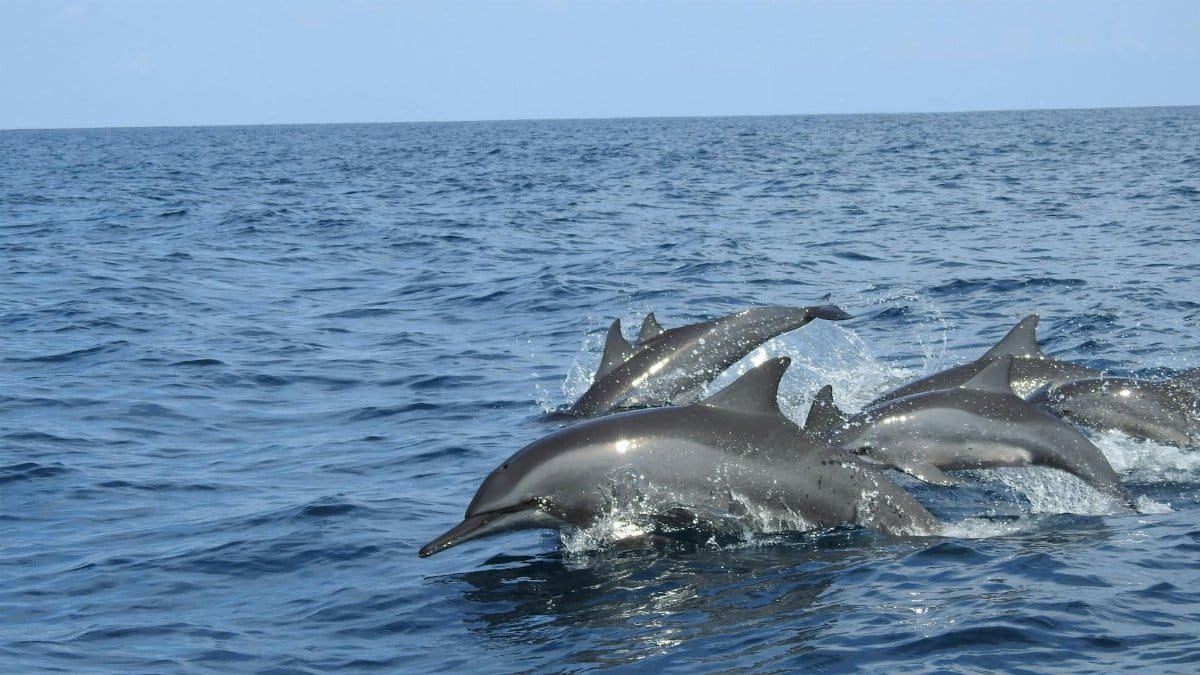
Off Florida’s Gulf Coast, bottlenose dolphins leap in synchronized arcs, their clicks echoing through the waves. This playful interaction isn’t random fun; it’s a sophisticated way to strengthen social bonds and diffuse tension within the pod. By engaging in games, dolphins regulate their nervous systems, releasing endorphins that counteract stress from predators or scarce food. A study published in the journal Animal Behaviour highlights how such activities lower aggression and foster cooperation, much like team building exercises for humans.
Diving into a specific moment, imagine a pod circling a boat, flipping and splashing as if inviting play. An anonymous online share captured this joy: someone described feeling their own worries melt away while watching, the dolphins’ energy infectious. But challenges lurk, like noise pollution disrupting these rituals. Still, the wisdom persists in building connections to buffer nerves. As trends in 2025 show rising interest in animal assisted therapies, these actions point to relational paths for emotional balance. For insights, check the NOAA Marine Mammals Resource.
4. Sea Turtles’ Instinctual Nesting Rhythms
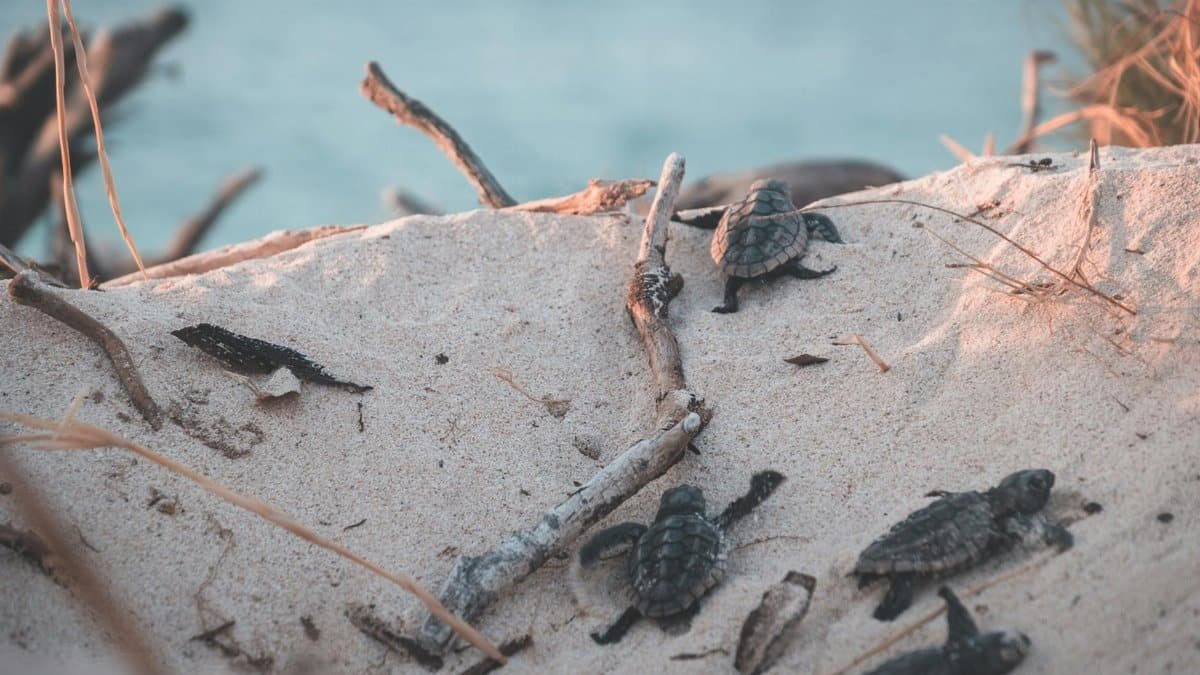
On moonlit beaches from Juno to Sanibel, loggerhead sea turtles haul themselves ashore to lay eggs, following ancient cycles. This ritual demands immense effort, yet their nervous systems guide them with precision, timing arrivals to minimize exhaustion and predation risks. The National Oceanic and Atmospheric Administration notes that hormonal cues help turtles enter a focused state, akin to a meditative trance, ensuring survival.
A brief narrative unfolds: under starry skies, a turtle digs her nest, flips sand with purposeful flips, undisturbed by distant waves. It’s a display of innate wisdom, prioritizing rest between bursts of activity. Conflicts emerge with beach development, but conservation successes in Florida underscore resilience. In reflecting on this, one might see parallels to human routines that honor natural rhythms for calmer minds.
5. Panthers’ Stealthy Territorial Pacing
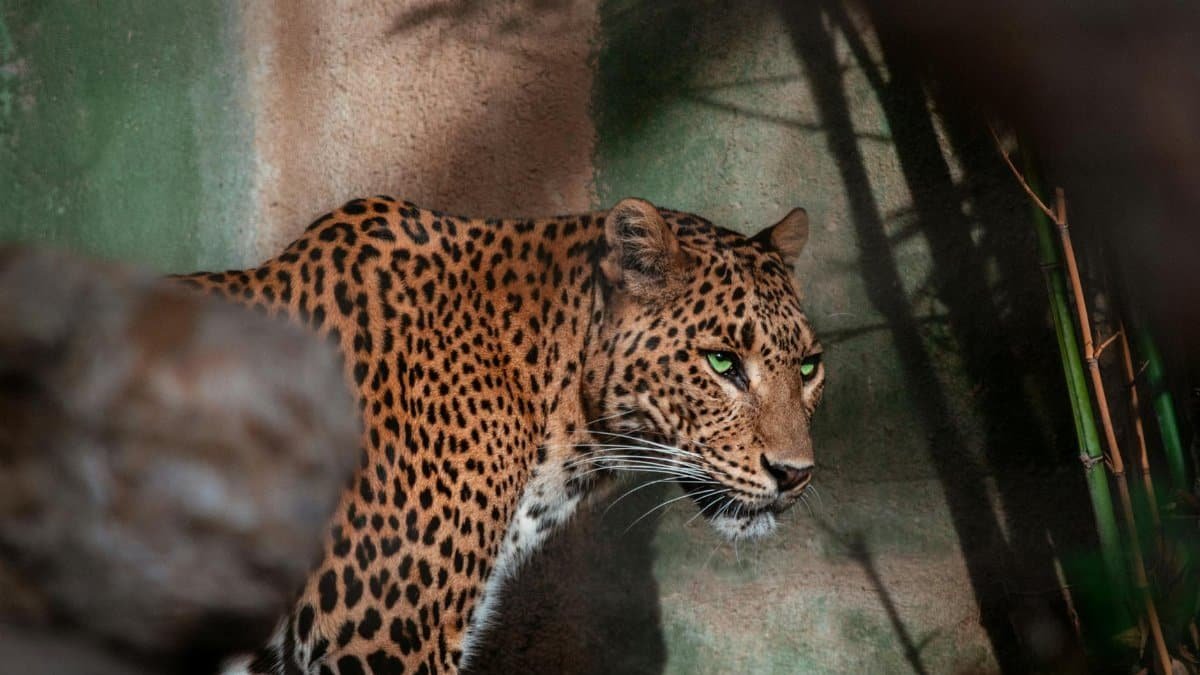
The elusive Florida panther prowls Big Cypress National Preserve, marking territory with calculated steps. This pacing isn’t aimless wandering; it’s a nervous system strategy to monitor surroundings, reducing surprises and maintaining vigilance without constant alarm. Wildlife biologists at the U.S. Fish and Wildlife Service track how these cats use scent and sound to create safe zones, effectively managing stress through proactive awareness.
Envision a panther pausing at a cypress trunk, ears twitching, body low. A ranger’s tale recalls glimpsing one at dawn, its poise exuding quiet confidence. Yet, habitat loss heightens tensions, forcing adaptations. The action teaches boundary setting for emotional steadiness, relevant as urban sprawl continues in 2025. Learn more from the U.S. Fish and Wildlife Service Florida Panther Page.
6. Birds’ Migratory Flock Formations
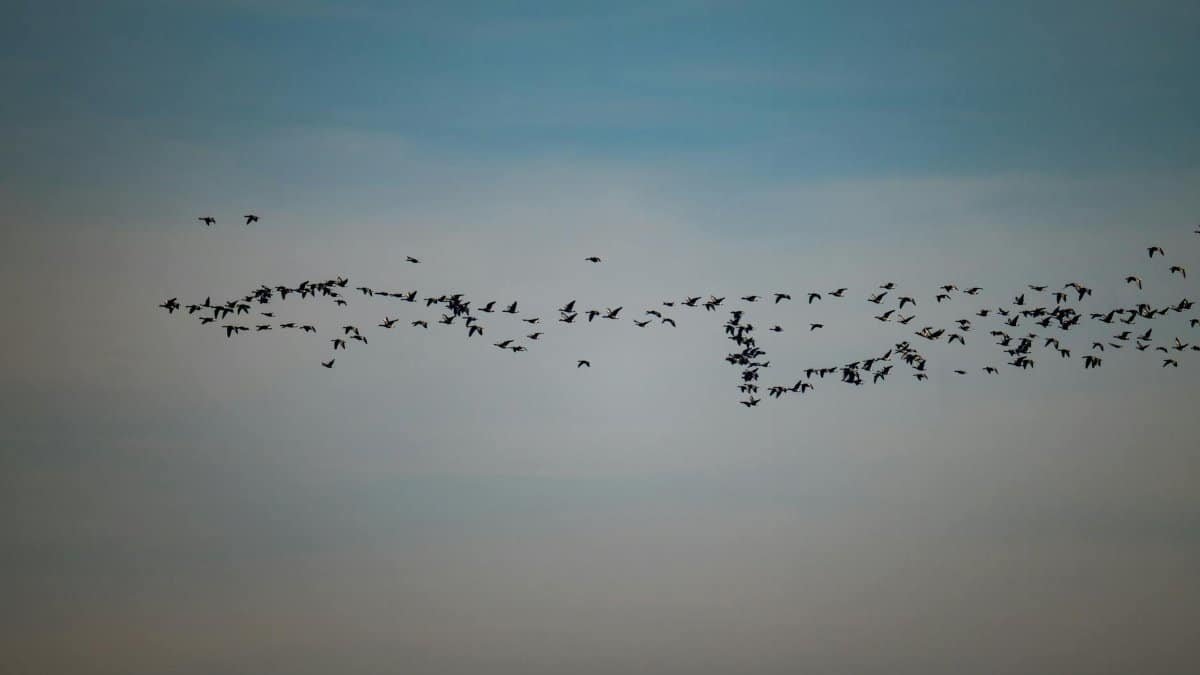
Each fall, flocks of migratory birds like sandhill cranes wheel over Florida’s skies in tight V shapes. This formation conserves energy and shares leadership, a nervous system hack that distributes stress across the group. Ornithologists from Cornell Lab of Ornithology explain how alternating positions prevents fatigue, promoting collective calm during long journeys.
From a ground level view, the sight is mesmerizing: birds calling softly, wings beating in harmony. An observer shared feeling inspired by their unity, a antidote to isolation. Weather disruptions pose risks, but the wisdom in collaboration endures. As remote work trends evolve in 2025, this model suggests team based approaches for balanced nerves.
7. Butterflies’ Adaptive Camouflage Shifts
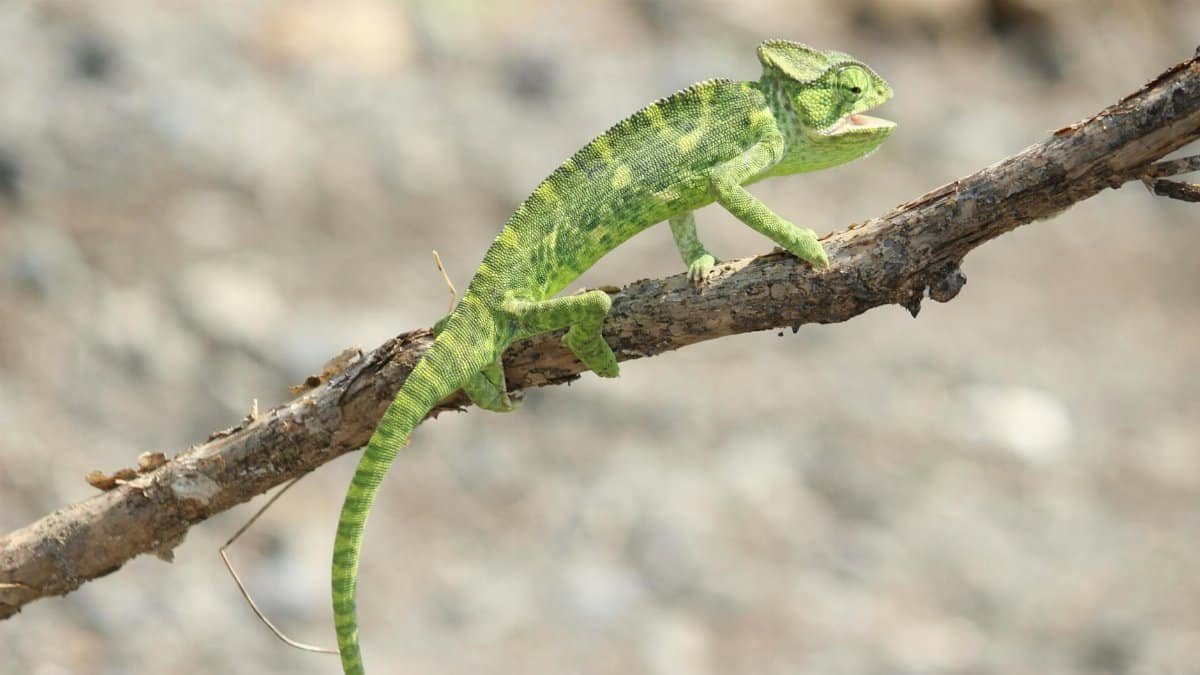
Monarch butterflies in Florida’s meadows flutter with wings that mimic leaves or eyespots, a quick nervous system response to threats. This camouflage isn’t static; it’s an on the fly adjustment that calms potential panic by blending in. Research from the University of Florida details how neural signals trigger these changes, enhancing survival without fight responses.
A garden scene: a butterfly alights on a branch, colors shifting subtly as shadows play. It’s a masterclass in subtlety over confrontation. Pesticide pressures complicate this, yet the adaptability inspires. In our fast paced lives, such wisdom encourages flexible mindsets for mood stability.
8. Snakes’ Shedding and Renewal Cycles
In Florida’s pine flatwoods, eastern diamondback rattlesnakes periodically shed their skins, emerging refreshed. This process resets their sensory systems, clearing old scales to heighten awareness. Herpetologists note it’s a built in renewal, reducing irritation and nervous overload from accumulated wear.
Think of a snake coiling in seclusion, skin peeling away like old worries. A hiker’s encounter described the quiet transformation, evoking personal growth. Venomous reputations add edge, but the action symbolizes shedding stress for clarity. As self care conversations grow in 2025, this wildlife ritual offers timeless insight into nervous system wisdom.