
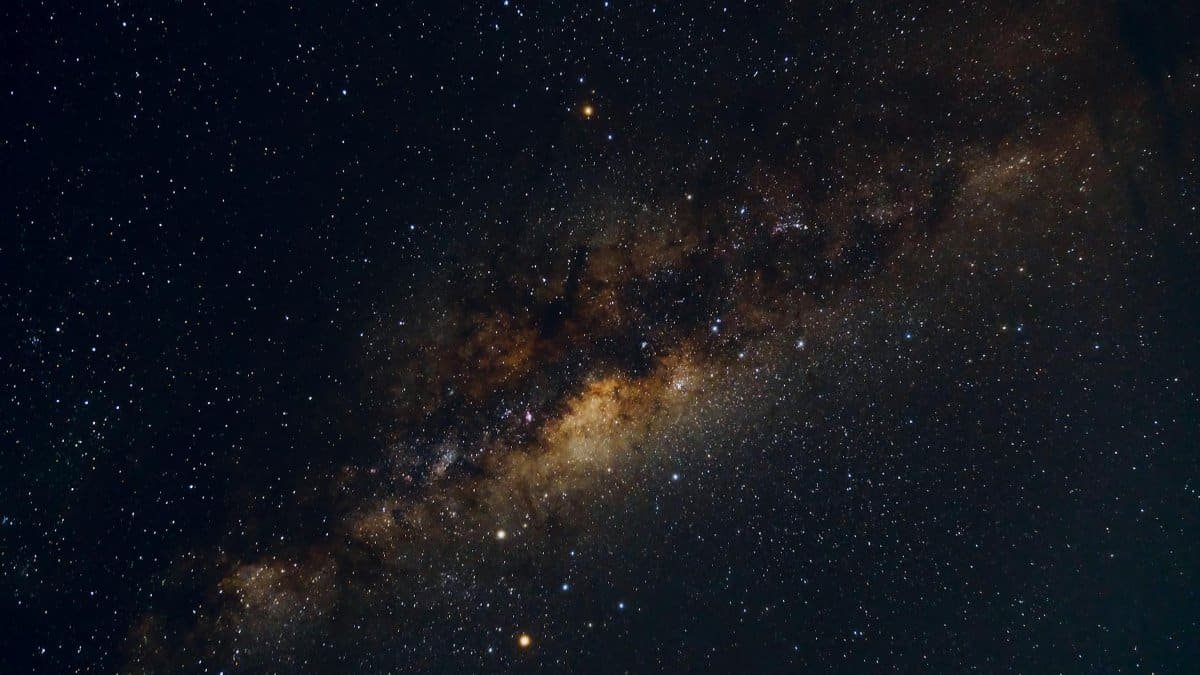
Picture this: a velvet black sky pierced by thousands of stars, the Milky Way arching overhead like a luminous bridge across the heavens. For most Americans, such a sight belongs to postcards or planetariums, thanks to light pollution that has erased the night sky for more than 80 percent of the population. Yet scattered across the United States, certified dark sky parks reclaim that wonder. These protected areas, designated by Dark Sky International for their pristine darkness and commitment to preservation, draw stargazers seeking the cosmos unfiltered. From remote deserts to forested hills, eight standout dark sky parks guarantee views of the Milky Way on clear nights. They offer not just spectacle but a reminder of our fragile connection to the universe.
What Defines a Dark Sky Park

Dark Sky International certifies parks that limit artificial lighting and promote education about night sky preservation. To earn the designation, sites must measure sky brightness using the Bortle scale, where class 1 or 2 skies reveal faint celestial details invisible elsewhere. These parks often host ranger-led programs, astronomy festivals and viewing platforms. Their efforts combat the global rise in light pollution, which a 2016 study by the Journal of Environmental Management linked to disrupted wildlife migration and human sleep cycles. Visiting one feels like stepping back in time, before cities turned night into day. (For the study: link.)
Cherry Springs State Park, Pennsylvania
Nestled in the Endless Mountains of north central Pennsylvania, Cherry Springs claims the title of the first International Dark Sky Park in the eastern United States, certified in 2008. Its 50 Astronomy Observation Field draws thousands annually for events like the Cherry Springs Star Party. On moonless nights, the Milky Way dominates, with naked-eye views of the Andromeda Galaxy and summer’s Perseid meteor shower. Rustic cabins and camping spots fill quickly, so reservations are essential. Families appreciate the 23-mile trail system by day, transitioning to telescopes and blankets after dusk. Local lore ties the name to Native American cherry trees, but today it honors stellar clarity above all.
Big Bend National Park, Texas
Straddling the Rio Grande along the Mexican border, Big Bend National Park boasts some of the darkest skies in the continental United States, certified in 2010. The Chisos Mountains frame horizons free from urban glow, allowing the Milky Way to stretch uninterrupted from horizon to horizon. Star parties at the Rio Grande Village amphitheater feature expert talks and telescope viewings of nebulae. Camp at Chisos Basin or backpack the South Rim trail for solitude. Spring brings wildflowers under starlight, while rangers warn of scorpions and flash floods. This park exemplifies how federal lands preserve natural darkness amid growing threats.
Death Valley National Park, California
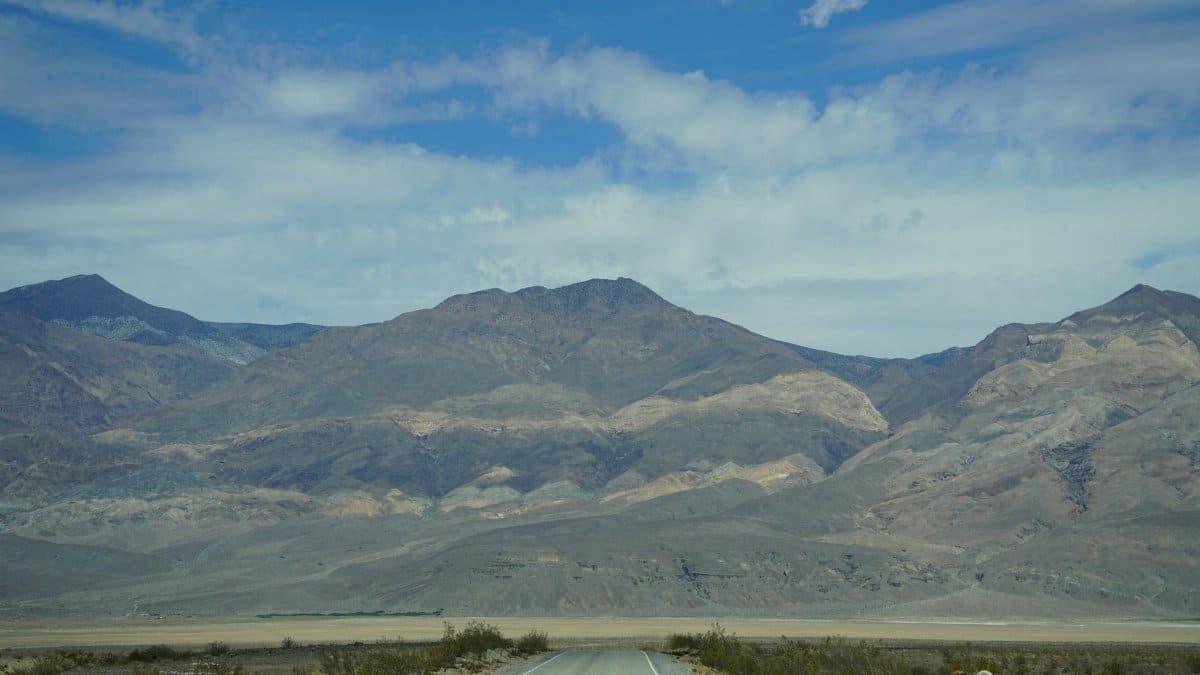
California’s Death Valley, certified in 2013, offers stark beauty by day and cosmic brilliance by night. Badwater Basin, the lowest point in North America, provides flat expanses ideal for skywatching. The Milky Way reflects off salt flats during new moon phases, creating surreal panoramas. Furnace Creek Resort hosts stargazing programs, including meteor showers and planetary alignments. Extreme heat demands preparation, with visitors advised to camp in fall or winter. A 2022 Dark Sky International report noted Death Valley’s skies as Bortle class 1, among the world’s darkest. Photographers flock here for long-exposure shots revealing galactic cores. (Report: link.)
Bryce Canyon National Park, Utah
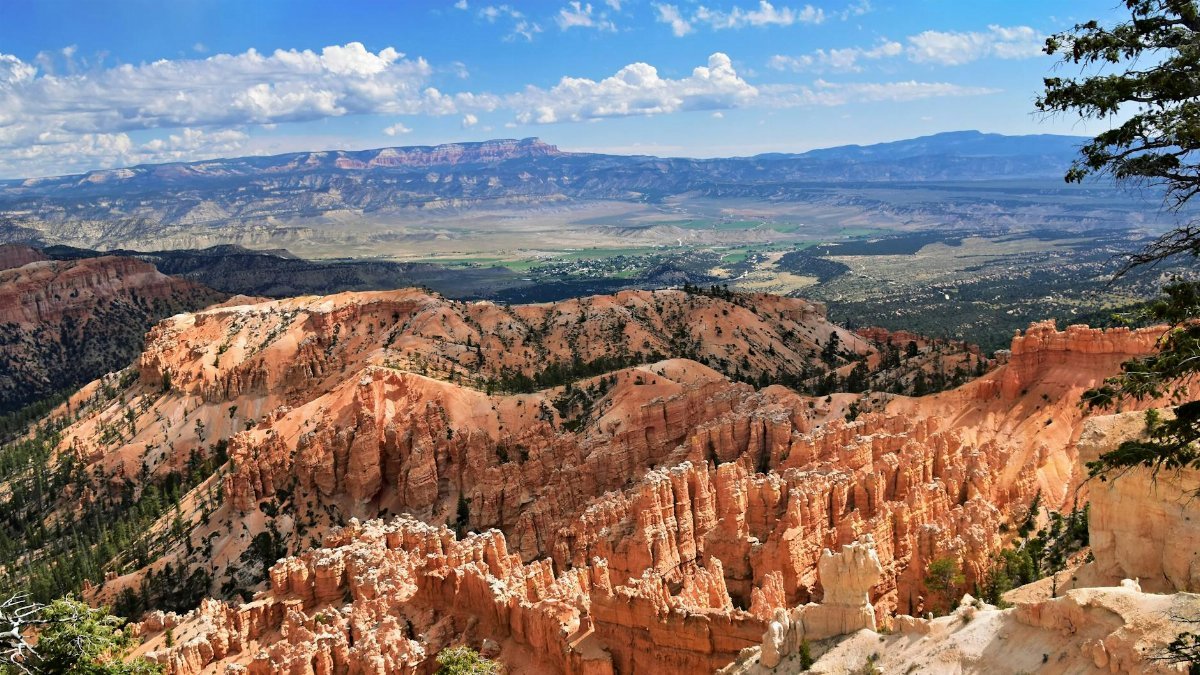
Bryce Canyon’s hoodoos, those spindly rock spires, silhouette dramatically against a star-filled sky. Certified in 2016 after retrofitting park lighting, it now hosts astronomy festivals with solar telescopes and night sky tours. From Inspiration Point, the Milky Way weaves through the amphitheater, rivaling any observatory. Rim Trail hikes lead to secluded viewpoints, while lodge stays include balcony stargazing. Utah’s high elevation, over 8,000 feet, sharpens air transparency. Families enjoy the park’s accessibility, with shuttles reducing light intrusion. Bryce proves dark sky protection enhances, rather than limits, natural wonders.
Joshua Tree National Park, California
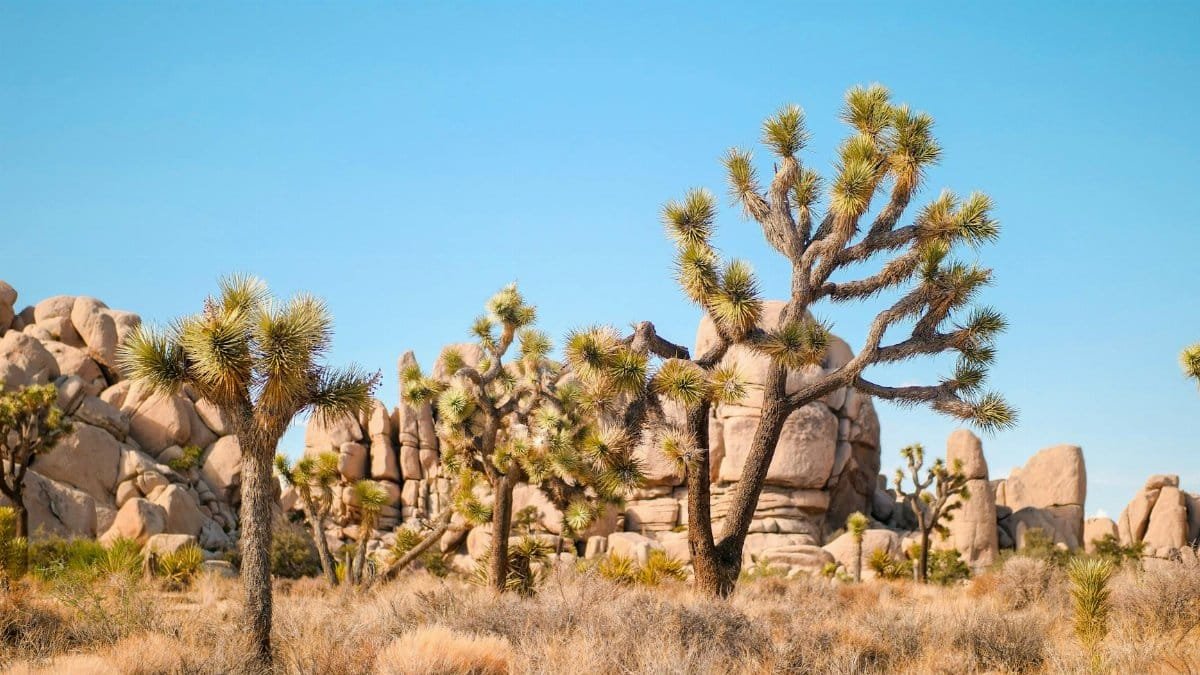
Joshua Tree’s certification in 2017 transformed this desert icon into a stargazer’s mecca. Twisted yucca trees frame the Milky Way rising over Hidden Valley or Keys View. The park’s annual Star Party features food trucks, music and astronomers with massive scopes. Campers at Black Rock or Jumbo Rocks enjoy fire rings under unpolluted skies. Climbers by day scale boulders, then rest beneath constellations. Recent LED lighting upgrades minimized skyglow, per park service data. This blend of adventure and astronomy appeals to urban escapees craving silence and stars.
Capitol Reef National Park, Utah
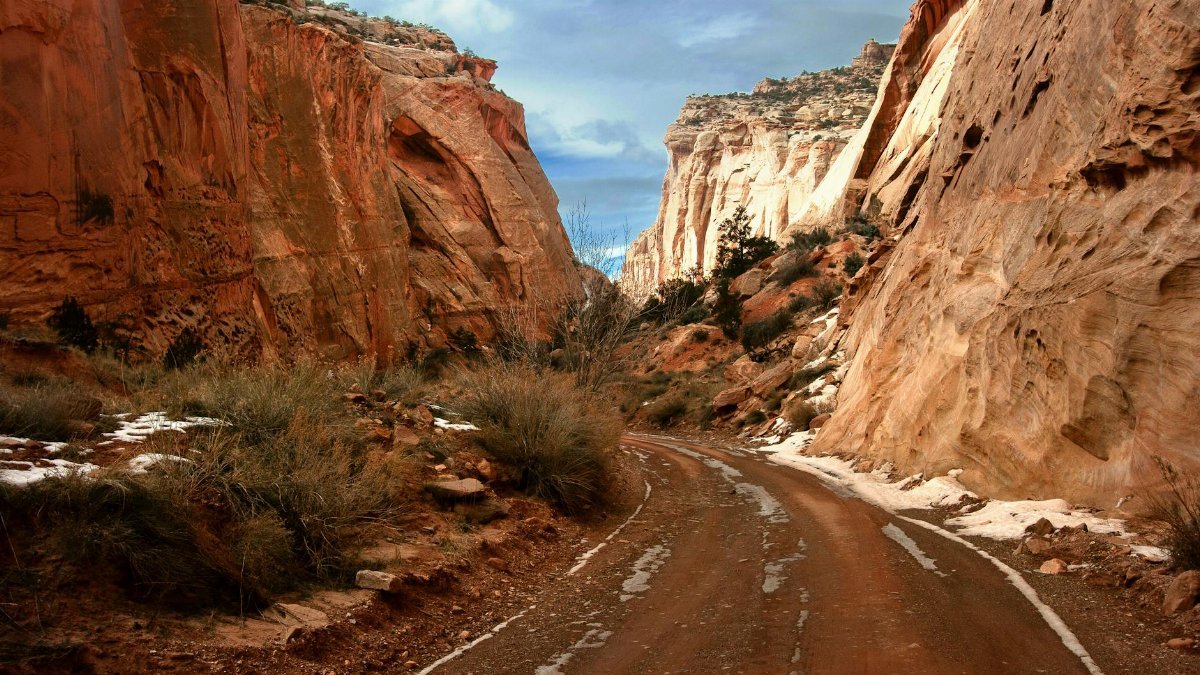
Tucked in Utah’s Waterpocket Fold, Capitol Reef earned its 2015 certification through vigilant lighting policies. Fruita Historic District orchards glow softly under starlight, with the Milky Way visible from picnic areas. Rangers lead full-moon hikes and constellation programs. The park’s remote location, 12 miles from the nearest town, ensures pristine conditions. Backcountry permits allow solitude at Cathedral Valley. Monsoon season adds drama with lightning illuminating the dome. Capitol Reef highlights how small communities collaborate for cosmic preservation.
Great Sand Dunes National Park, Colorado
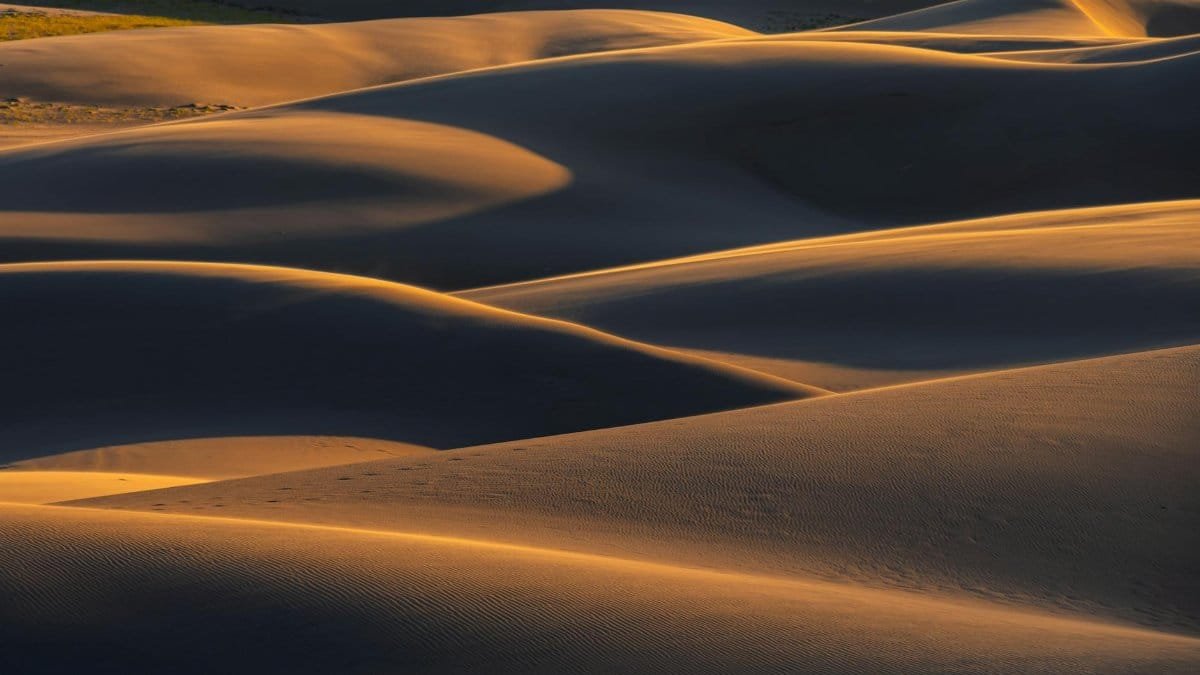
Colorado’s Great Sand Dunes, certified in 2019, pairs the tallest dunes in North America with pitch-black skies. From the amphitheater, the Milky Way hovers above 750-foot Star Dune. Winter sledding transitions to summer stargazing festivals with live music. Piñon Flats Campground offers ranger programs on dark sky science. High altitude and dry air minimize atmospheric interference. Visitors sled by day, then sled trails become star paths at night. This park underscores the restorative power of unlit nature.
Natural Bridges National Monument, Utah
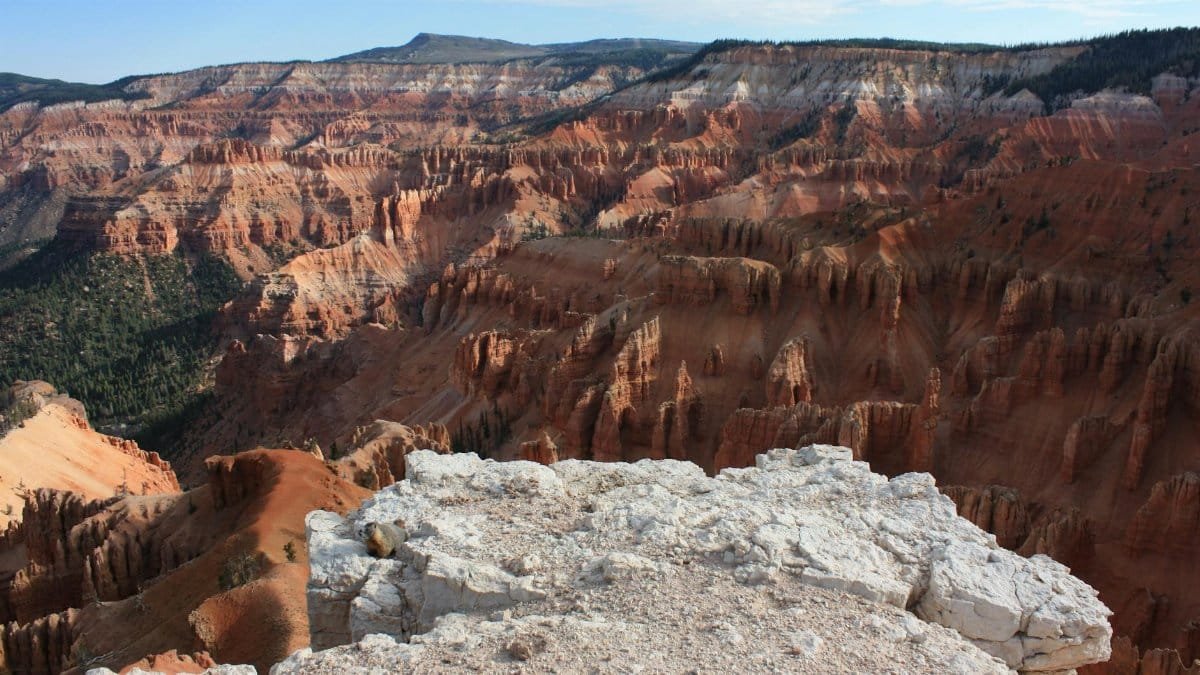
The first Dark Sky Park worldwide, certified in 2007, Natural Bridges in southeast Utah features massive rock arches framing the heavens. Owachomo Bridge perfectly aligns for Milky Way shots. Park-in-place policies keep lights low, with viewpoints like Horse Collar Ruin accessible by short hikes. Annual astronomy events include eclipse viewings. Remote access via dirt roads weeds out crowds. This monument set the global standard, inspiring hundreds of certifications since.
Planning Your Dark Sky Adventure
Timing matters: target new moon phases using apps like Stellarium. Pack red flashlights to preserve night vision, layers for chilly deserts and wide-angle cameras. Check park websites for events; many require free permits. Respect rules like no white lights after dark. Apps such as Dark Sky Finder locate nearby sites. Combine with daytime hikes for full immersion.
The Broader Fight for Dark Skies

These parks spearhead a movement against light pollution, which the International Dark-Sky Association estimates costs the U.S. $2.7 billion yearly in wasted energy. Legislation in states like Utah mandates shielded fixtures. Visitors become advocates, sharing photos that inspire policy change. As urbanization accelerates, dark sky parks safeguard our stellar heritage for future generations.
These eight destinations prove the night sky remains within reach. They invite contemplation amid the rush of modern life, reminding us of the universe’s vastness. Book soon; the stars await.