

What happens when the smallest changes in how we feel ripple out to transform our entire day? In a world buzzing with constant demands, many Americans are discovering that subtle, emotional shifts can quietly recalibrate their moods without grand gestures. These aren’t dramatic overhauls but gentle nudges toward calm. A quick pause to notice your breath, or a fleeting moment of appreciation, might seem minor. Yet they add up, easing stress and sharpening focus. As we navigate 2025’s fast pace, understanding these shifts offers a practical edge. Research backs this up; studies show small emotional adjustments can lower cortisol levels and boost well-being. It’s not about forcing happiness. Instead, it’s tuning into those understated moments that help the body unwind. This article explores eight such shifts, drawing from mindful living practices that promise real change.
1. Noticing Breath Patterns

Breath is the body’s quiet regulator. Often, we rush through days without paying it any mind. But pausing to observe your inhale and exhale can spark a subtle emotional shift. Imagine sitting at your desk, deadlines piling up. You close your eyes for a minute. Feel the air fill your lungs, then release. Suddenly, tension eases. This isn’t new age fluff. A study from the National Institutes of Health highlights how mindful breathing reduces anxiety by activating the parasympathetic nervous system. NIH Study on Mindful Breathing.
Take Sarah, a teacher in Chicago. She described how, during a hectic school day, focusing on her breath turned overwhelm into clarity. “It was like flipping a switch,” she said. No elaborate routine needed. Just awareness. In 2025, with remote work still dominant, such practices are gaining traction. Apps and online communities buzz with similar stories. One anonymous post shared feeling “grounded after just five breaths,” echoing a common thread in public discussions. Yet, it’s not always easy. Distractions pull us away. The key? Start small. Build from there. Over time, this shift fosters calm amid chaos.
Experts note variations. Some prefer box breathing: four counts in, hold, out, hold. Others opt for simple observation. Either way, the mood lift is tangible. It quiets the mind’s chatter, inviting focus. Think of it as resetting your internal rhythm. Without force, just gentle attention.
2. Embracing Micro-Gratitudes
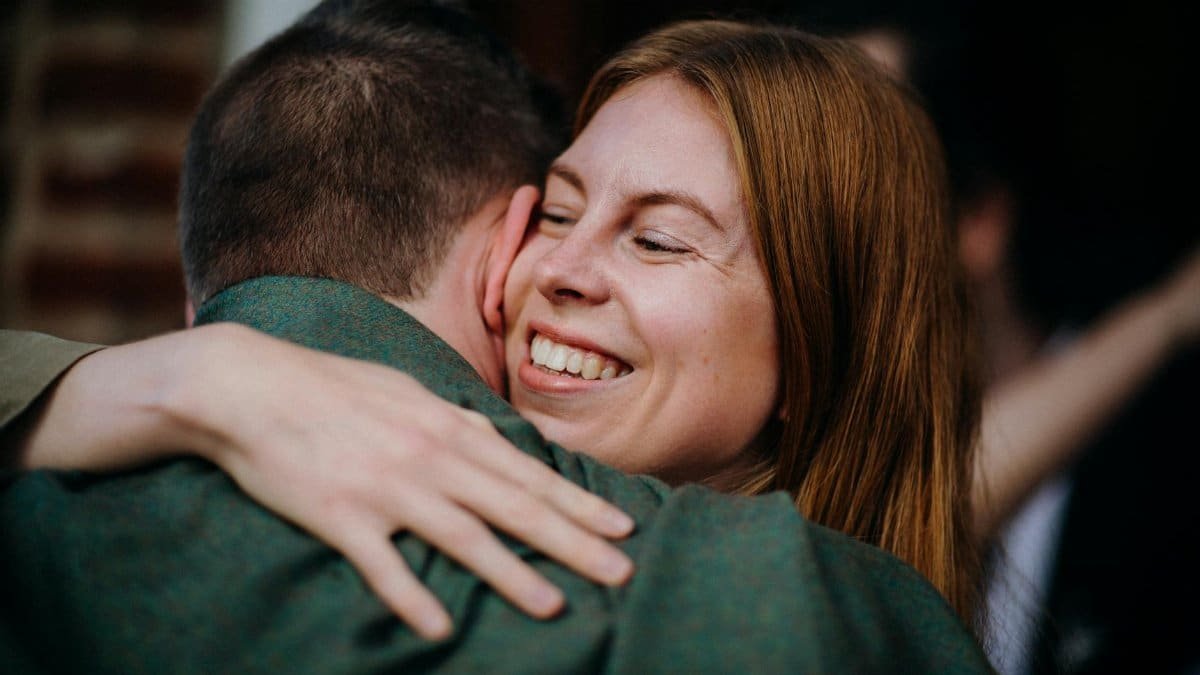
Gratitude doesn’t have to be a journal entry. Sometimes, it’s a fleeting thought. Spotting beauty in a morning coffee or a kind word from a stranger. This subtle emotional shift reframes negativity. Research from Harvard Medical School shows daily gratitude practices enhance mood by increasing dopamine. Harvard on Gratitude.
Picture a commuter in New York, stuck in traffic. Instead of fuming, he notes the skyline’s glow. Mood lifts. It’s subtle, yet powerful. Online, folks share how these moments combat burnout. One account described shifting from frustration to peace by appreciating a pet’s companionship. No names, just raw honesty in forums. But challenges arise. Cynicism creeps in during tough times. Push through with specificity: not “I’m grateful for health,” but “for legs that carried me today.”
The science is clear. Pew Research data indicates rising interest in wellness amid economic pressures. Pew Research on Wellness Trends. In 2025, this ties into broader mindful living. It builds resilience. Start with one gratitude per hour. Watch moods evolve.
3. Tuning Into Body Sensations

Our bodies send constant signals. A tight shoulder, a fluttering stomach. Tuning in creates a subtle emotional shift toward relaxation. It’s like listening to an old friend. Ignore it, and stress builds. Acknowledge it, and calm follows.
Consider a scenario in a bustling office. An employee feels her neck tense. She rolls her shoulders, breathes. Mood softens. The CDC reports body awareness techniques lower stress hormones. CDC on Stress Management. Real life mirrors this. In Seattle, a group of friends experimented during hikes, noting how scanning for tension melted away worries. One recalled, “It was freeing, like shedding invisible weight.”
Yet, it’s not instant. Distractions from screens compete. Persistence pays off. Integrate it into routines: while waiting in line, scan from head to toe. This fosters focus, reducing emotional clutter. As 2025 brings more hybrid lifestyles, such shifts help maintain balance.
Vary the approach. Pair it with movement or stillness. The result? A quieter mind, ready for whatever comes.
4. Allowing Gentle Pauses

In a culture of hustle, pausing feels radical. But inserting brief stillness a subtle emotional shift that resets mood. No agenda, just space. It counters the always-on mentality.
Envision a parent in Atlanta, juggling kids and work. She steps outside for two minutes. Breathes the air. Irritation fades. Studies from the American Psychological Association link pauses to improved emotional regulation. APA on Mindfulness.
Challenges include guilt over “wasting time.” Reframe it as investment. Online narratives highlight this: one shared feeling recharged after a midday break, transforming a grumpy afternoon. Anonymously, these stories inspire. Build habit by linking to triggers, like after emails.
In 2025, with mental health in the spotlight, these pauses gain relevance. They enhance calm, sharpening focus for tasks ahead. Short or long, they work wonders.
5. Shifting To Positive Self-Talk

That inner voice can be harsh. Flipping it to kindness is a subtle emotional shift with big impact. Replace “I can’t” with “I’m learning.” Mood brightens.
A student in Texas tried it during exams. “Instead of beating myself up, I encouraged,” she said. Anxiety dropped. NIH research supports this, showing positive self-talk reduces depression symptoms. NIH on Self-Talk.
It’s tricky at first. Old habits die hard. Start by noticing patterns, then rephrase. Public forums buzz with successes: one post described going from self-doubt to confidence in weeks. This ties into 2025’s emphasis on personal growth. It builds emotional resilience, aiding stress management.
Experiment in mirrors or journals. The shift feels natural over time, fostering lasting calm.
6. Connecting With Nature Briefly

Nature’s pull is primal. Even a short glance at trees can trigger a subtle emotional shift. It grounds us, easing mental fog.
Think of a walker in Portland spotting birds. Worry dissolves. Forest bathing studies from Japan, echoed by U.S. researchers, show nature exposure lowers cortisol. USDA on Nature Benefits.
Urban dwellers adapt with parks or plants. One anonymous online tale: “A window view changed my stressed mornings.” Barriers like weather exist, but indoor alternatives work. In 2025, eco-anxiety rises, making this shift vital for focus and calm.
Incorporate it daily. The mood uplift is subtle yet profound.
7. Practicing Mindful Listening

Listening deeply to sounds around us or music can shift emotions subtly. It pulls focus outward, quieting inner noise.
A retiree in Florida tuned into ocean waves. “It washed away my restlessness,” he noted. Audio therapy research from Mayo Clinic confirms mood benefits. Mayo Clinic on Relaxation.
Noise pollution challenges this. Headphones help. Forums share how playlists turned bad days around. This practice enhances concentration, fitting 2025’s distracted world.
Try it during commutes. The result: renewed energy and poise.
8. Releasing Expectations Softly

Letting go of rigid plans opens space for joy. This subtle emotional shift reduces disappointment, inviting flexibility.
In a Denver cafe, a professional dropped her to-do list for a moment. Relief followed. Psychological studies link flexibility to better mood stability. APA on Flexibility.
Perfectionism hinders it. Practice acceptance gradually. Online, someone described how releasing control improved relationships. As 2025 unfolds with uncertainties, this fosters calm and adaptability.
Embrace the unknown. Moods transform, one release at a time.