

A recent survey by the American Psychological Association found that nearly 80% of adults experience stress-related symptoms weekly, yet many overlook the quieter signs that signal deeper tension. This uptick, noted in their 2024 report, highlights how everyday pressures manifest in subtle ways, often dismissed as mere fatigue or habit. In a fast-paced world, understanding these stress signals people miss can be a game-changer for well-being. From disrupted sleep to unexplained irritability, these indicators whisper warnings before burnout hits full force. As we navigate 2025’s demands—hybrid work, economic uncertainties, and digital overload—paying attention to these hidden cues isn’t just smart; it’s essential. Experts suggest that recognizing them early allows for timely interventions, fostering resilience in an era where mental health conversations are finally gaining traction.
1. Shallow Breathing and Its Silent Alarm
Breathing often goes unnoticed until it’s labored. Yet shallow, rapid breaths can be one of the first stress signals people miss. When anxiety builds, the body shifts into fight-or-flight mode, tightening the chest and limiting oxygen flow. This isn’t dramatic hyperventilation; it’s a subtle restriction that leaves you feeling vaguely off-kilter.
Consider a busy parent juggling deadlines. They might not realize how their breaths shorten during a heated email exchange, only to feel exhausted by evening. A study from the American Psychological Association links chronic shallow breathing to heightened cortisol levels, exacerbating fatigue. To counter this, simple awareness helps. Pause during the day, note your rhythm, and practice deeper inhales. It’s not about perfection but catching the pattern before it spirals.
Online discussions reveal similar frustrations. One anonymous account described feeling perpetually winded during work calls, only realizing later it tied to unspoken worries about job security. Such stories underscore how this signal hides in plain sight, blending into routine hustle.
2. Unexplained Muscle Tension in Unexpected Places
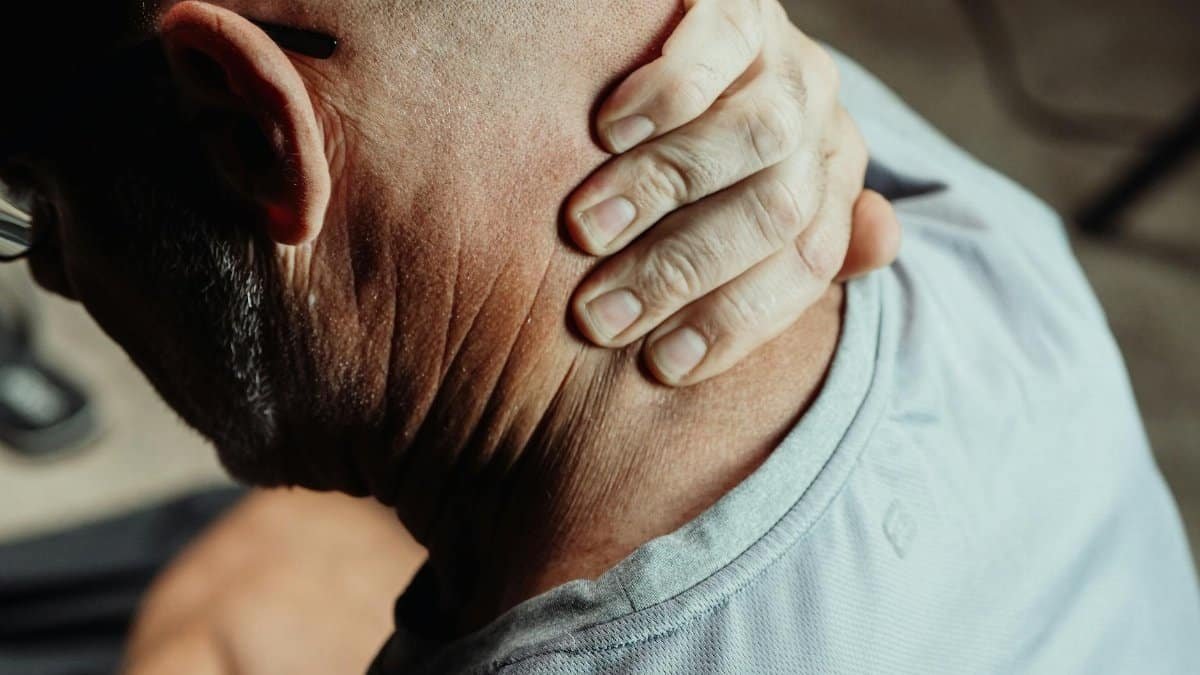
What starts as a slight ache in the jaw or shoulders can signal accumulating stress. People often attribute it to poor posture or a bad night’s sleep, missing the emotional undercurrent. Clenched muscles reflect the body’s way of bracing against perceived threats, even if they’re mental.
In urban centers like New York, where commutes and crowds amplify tension, this manifests quietly. A teacher might grind her teeth at night, waking with a sore face, unaware it’s linked to classroom pressures. Research from the Mayo Clinic shows that persistent muscle tightness correlates with elevated stress hormones, potentially leading to chronic pain if ignored.
Breaking the cycle involves mindful scans. Lie down, tense and release each muscle group, noting where tightness lingers. It’s a practical step, drawing from techniques like progressive muscle relaxation, which therapists recommend for reclaiming ease.
3. Shifts in Appetite That Whisper Warnings

Sudden cravings or loss of hunger aren’t always about diet. Stress can hijack eating patterns, turning food into a comfort or afterthought. This signal slips by because it’s easy to blame on skipped meals or trendy snacks, not underlying pressure.
Picture a software engineer in Silicon Valley, munching chips late at night while debugging code. What feels like habit might actually stem from deadline dread, as the brain seeks dopamine hits to offset unease. Data from the Harvard T.H. Chan School of Public Health indicates that stress alters ghrelin and leptin hormones, disrupting normal appetite cues.
To tune in, track patterns over a week. Notice if emotional lows prompt binges or skips. Small adjustments, like mindful eating pauses, can realign this internal barometer, preventing it from escalating into bigger health ripples.
4. Forgetfulness Creeping Into Daily Routines

Misplaced keys or forgotten appointments might seem like scatterbrained moments. But frequent lapses can indicate stress overloading cognitive bandwidth. The brain, flooded with worries, prioritizes survival over minutiae, letting details slip.
A nurse in Chicago, amid staffing shortages, might blank on a colleague’s name during shifts, chalking it up to exhaustion. Yet it’s often a sign of mental overload. Findings from the National Institute of Mental Health connect chronic stress to impaired memory function, as cortisol hampers the hippocampus.
Addressing it starts with lists and breaks. Jot down tasks, then step away for a walk. This isn’t about overhauling life but reclaiming mental space, one forgotten errand at a time.
5. Irritability Surfacing in Small Interactions

A sharp tone with a loved one or impatience in line—these flashes of irritability often get dismissed as bad days. Underneath, they can be stress signals people miss, bubbling up when reserves run low.
Envision a marketing executive snapping at her team over a minor error, later regretting it. Such reactions stem from an overtaxed nervous system, where minor annoyances feel amplified. The American Psychological Association reports that irritability ranks high among unrecognized stress markers, linked to relational strains if unchecked.
Reflection helps. After an outburst, ask what triggered it. Was it accumulated pressure? Breathing exercises or quick journaling can diffuse the edge, fostering calmer exchanges.
6. Avoidance Behaviors Masking Deeper Discomfort

Procrastinating on emails or skipping social invites might feel like needed downtime. Often, though, it’s avoidance signaling stress overload, where facing tasks feels overwhelming.
In smaller towns across the Midwest, a retiree might delay doctor’s visits, not out of laziness but from anxiety about health news. This pattern, per insights from Centers for Disease Control and Prevention resources, ties to stress-induced withdrawal, potentially isolating individuals further.
Countering it involves gentle nudges. Set tiny goals, like opening one email, to build momentum. Over time, this chips away at the barrier, revealing the avoidance for what it is—a call for support.
7. Physical Symptoms Like Headaches Without Obvious Cause
Recurring headaches or stomach knots often get treated with pills, ignoring their role as stress messengers. These bodily protests arise when emotional strain translates to physical discomfort.
A student in Boston, cramming for exams, might endure migraines, assuming it’s eye strain from screens. But stress constricts blood vessels, triggering pain. Studies compiled by the National Center for Biotechnology Information affirm that tension headaches frequently stem from unmanaged stress.
Listening means connecting dots. Hydrate, rest, and explore relaxation apps. When patterns persist, professional input can unpack the root, turning pain into a pathway for relief.
8. Emotional Numbness Settling In Quietly

Feeling detached or going through motions without joy—this numbness can be the subtlest stress signal, mistaken for maturity or routine. It signals emotional exhaustion, where the system shuts down to cope.
Think of a caregiver in Atlanta, numb after months of family duties, no longer finding pleasure in hobbies. This detachment, as outlined in World Health Organization classifications of burnout, often precedes full depletion.
Reigniting spark requires intentional steps. Seek novel experiences, like a nature walk, to stir feelings. Therapy or support groups can guide the process, reminding that numbness isn’t permanent—it’s a signal to recalibrate.
As 2025 unfolds with its blend of opportunities and challenges, tuning into these stress signals people miss empowers proactive choices. From urban professionals to rural families, awareness bridges the gap between enduring tension and embracing balance. It’s about honoring the body’s quiet language, one signal at a time.