
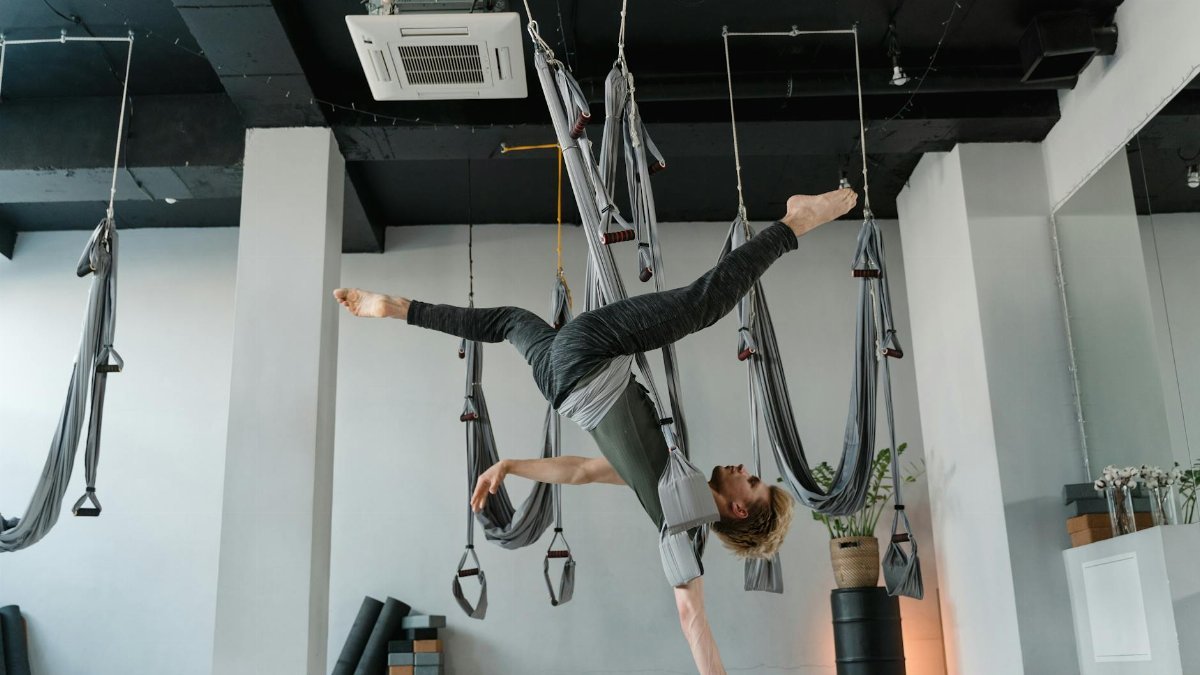
Introduction
New data shows 45% of Americans are now incorporating somatic practices into their daily routines, up from 30% just five years ago, according to a recent survey by the National Center for Complementary and Integrative Health. This surge in modern, lifestyles, practices reflects a broader shift toward body-centered wellness amid rising stress levels. From breathwork to mindful movement, these techniques promise emotional grounding and physical relief. As urban life accelerates in 2025, more people turn to them for balance. But what exactly are the standout practices making waves? Here’s a look at eight transforming modern lifestyles.
1. Breathwork Sessions
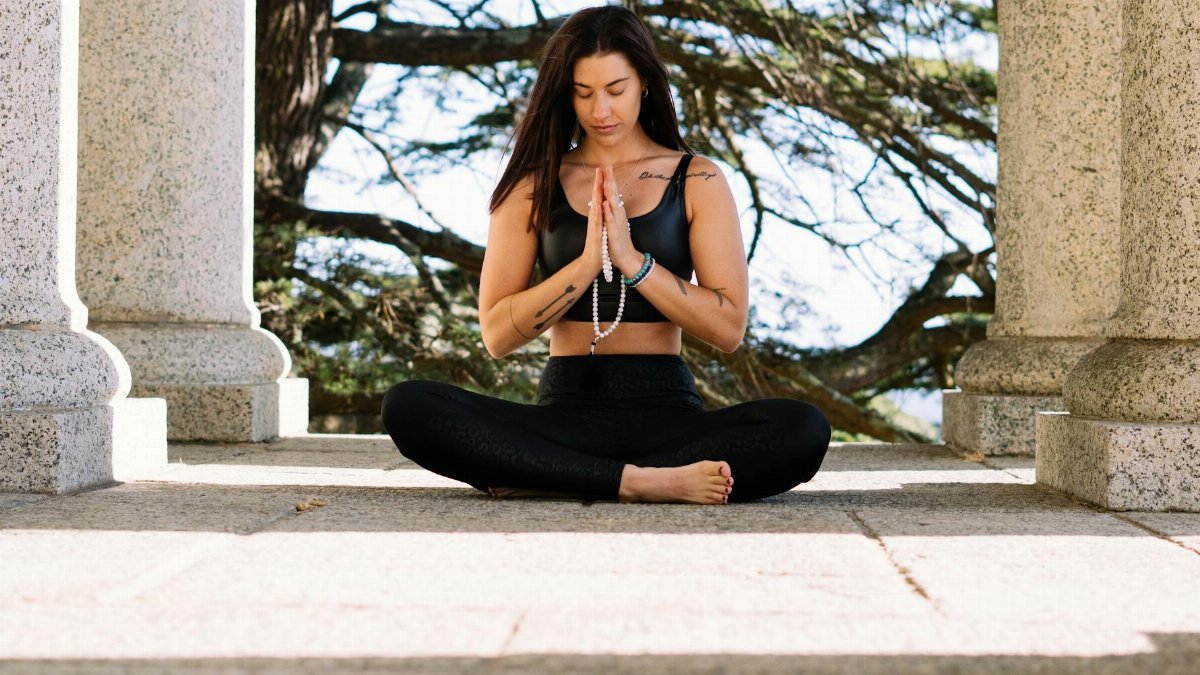
Breathwork tops the list for its simplicity and immediate impact. Practitioners use controlled breathing to release tension and boost mental clarity. In fast-paced cities like New York, professionals swear by it to combat burnout. A study from the University of California links regular breathwork to reduced anxiety levels. Sessions often last 10 to 20 minutes, making them easy to fit into busy schedules. As modern lifestyles demand constant connectivity, breathwork offers a quick reset button. Experts recommend starting with guided apps for beginners.
2. Somatic Experiencing
Developed by Peter Levine, somatic experiencing focuses on resolving trauma through body awareness. It helps individuals process stored stress without reliving events. Clinics across the U.S. report growing demand, especially post-pandemic. Research from the Trauma Research Foundation shows it lowers PTSD symptoms effectively. In 2025, therapists integrate it with talk therapy for holistic results. This practice shifts modern, lifestyles, practices toward deeper emotional healing, appealing to those tired of surface-level fixes.
3. Yoga Flows
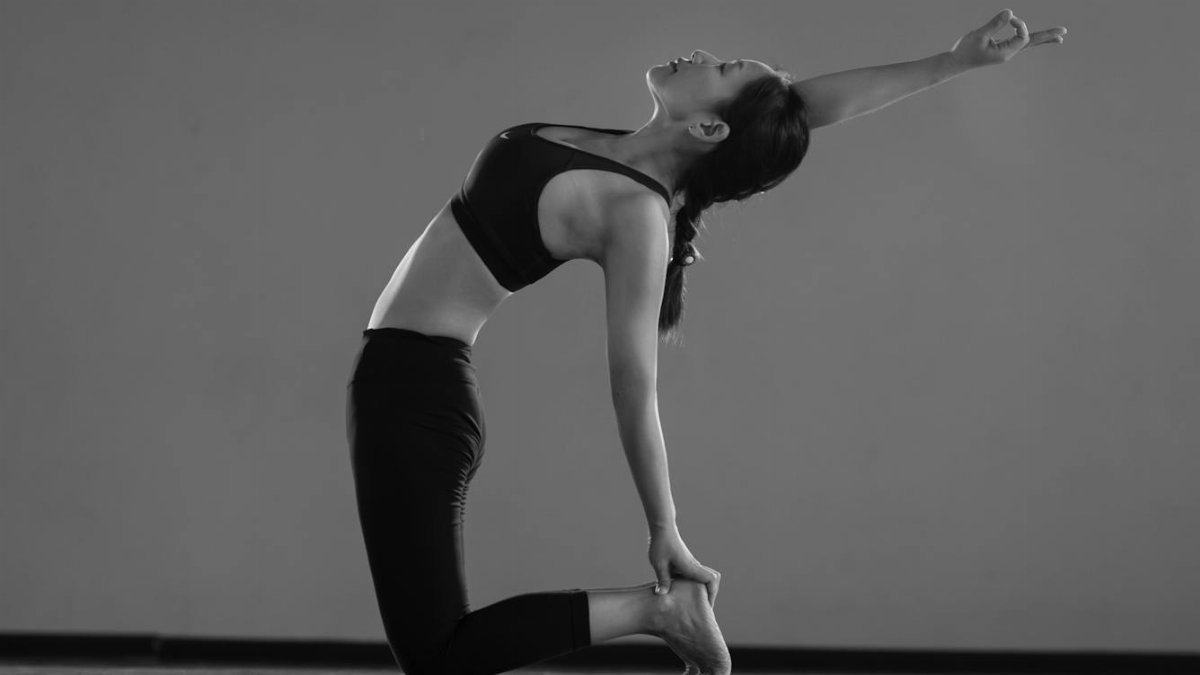
Yoga remains a cornerstone, blending movement with mindfulness to enhance flexibility and calm. Variations like vinyasa target both body and mind. A report from the Yoga Alliance indicates over 36 million Americans practice it regularly. It counters sedentary office life by improving posture and reducing chronic pain. In modern lifestyles, yoga classes have gone virtual, accessible via platforms anytime. Instructors emphasize listening to bodily cues, fostering long-term well-being.
4. Body Scan Meditation
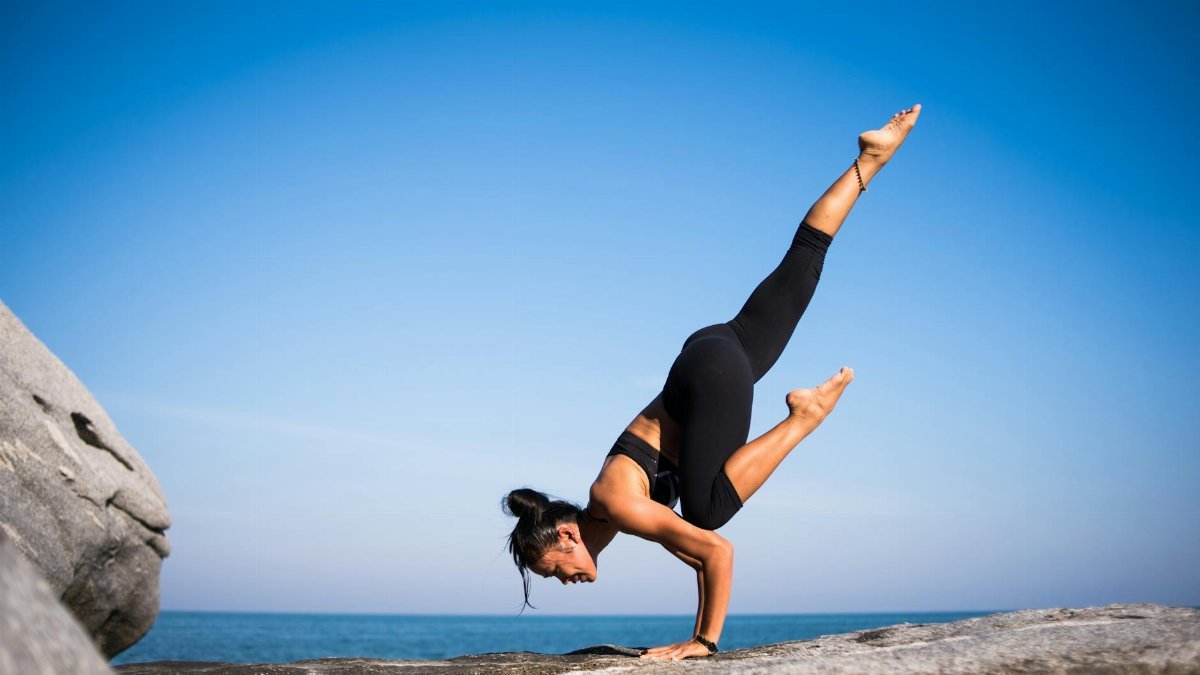
This technique involves mentally scanning the body for tension spots, promoting relaxation. It’s popular in wellness apps and corporate programs. Harvard Medical School studies highlight its role in stress reduction. Users report better sleep and focus after consistent use. As remote work blurs boundaries in 2025, body scans provide a mental break. No equipment needed, just a quiet space, making it ideal for urban dwellers seeking quick somatic relief.
5. Feldenkrais Method
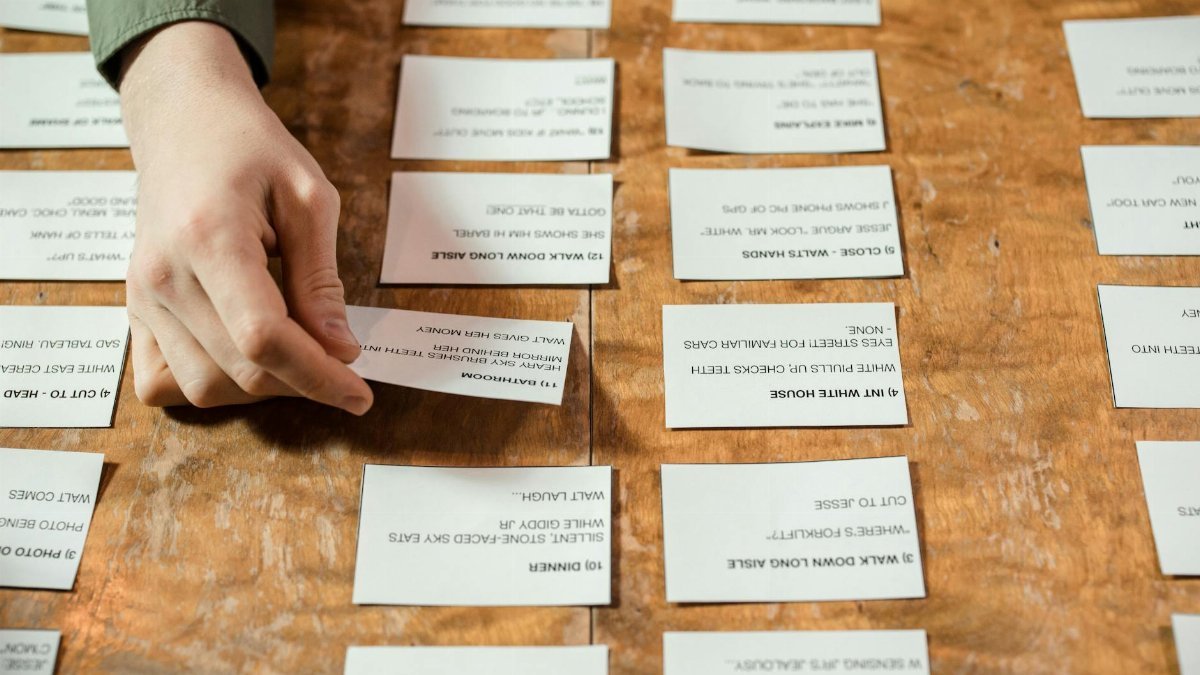
The Feldenkrais Method uses gentle movements to improve body awareness and function. It’s gaining traction among athletes and seniors for pain management. A review in the Journal of Bodywork and Movement Therapies supports its benefits for mobility. Practitioners attend group classes or private sessions to relearn efficient habits. In evolving modern, lifestyles, practices, it challenges the “no pain, no gain” mentality, prioritizing ease over force.
6. Tai Chi Practice
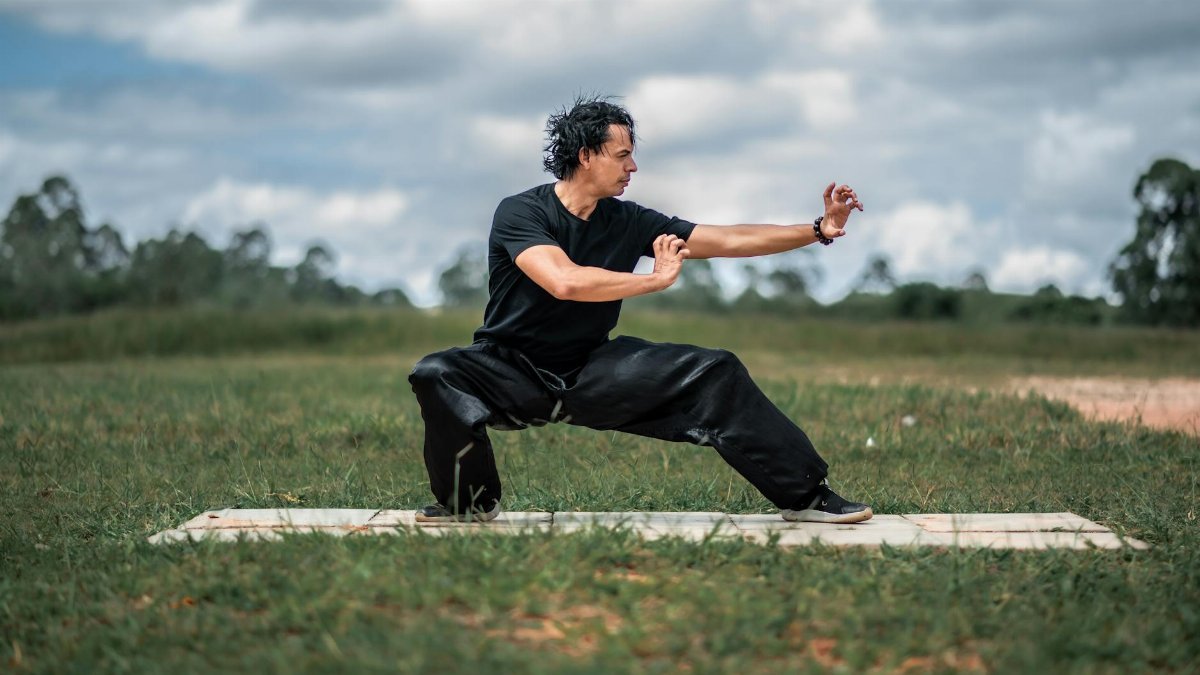
Tai Chi, with its slow, flowing motions, builds balance and inner peace. Originating from martial arts, it’s now a staple in community centers. The CDC notes its effectiveness in preventing falls among older adults. In 2025, apps bring Tai Chi to smartphones, broadening access. This practice aligns with modern lifestyles by integrating exercise with meditation, offering calm in chaotic environments.
7. Dance Therapy
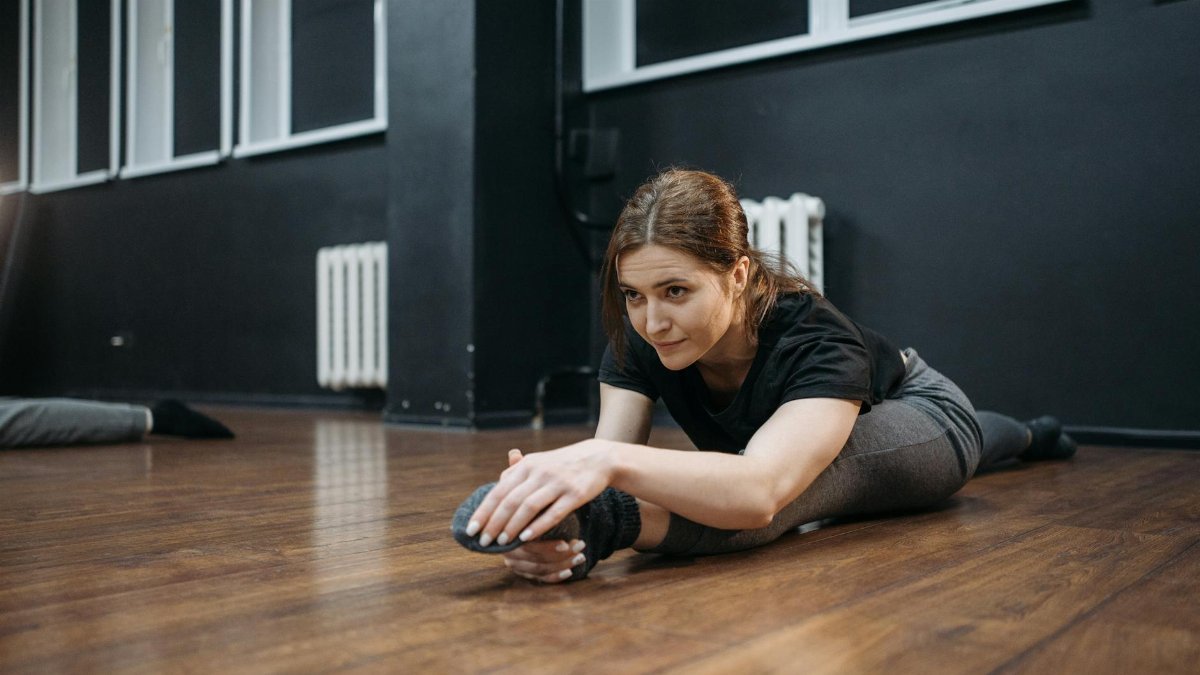
Dance therapy encourages expressive movement to process emotions. It’s used in mental health settings and fitness studios. A study from the American Dance Therapy Association links it to improved mood and self-esteem. Participants don’t need rhythm, just willingness to move. As social isolation lingers, dance therapy fosters connection, reshaping how people approach emotional health in daily routines.
8. Grounding Exercises
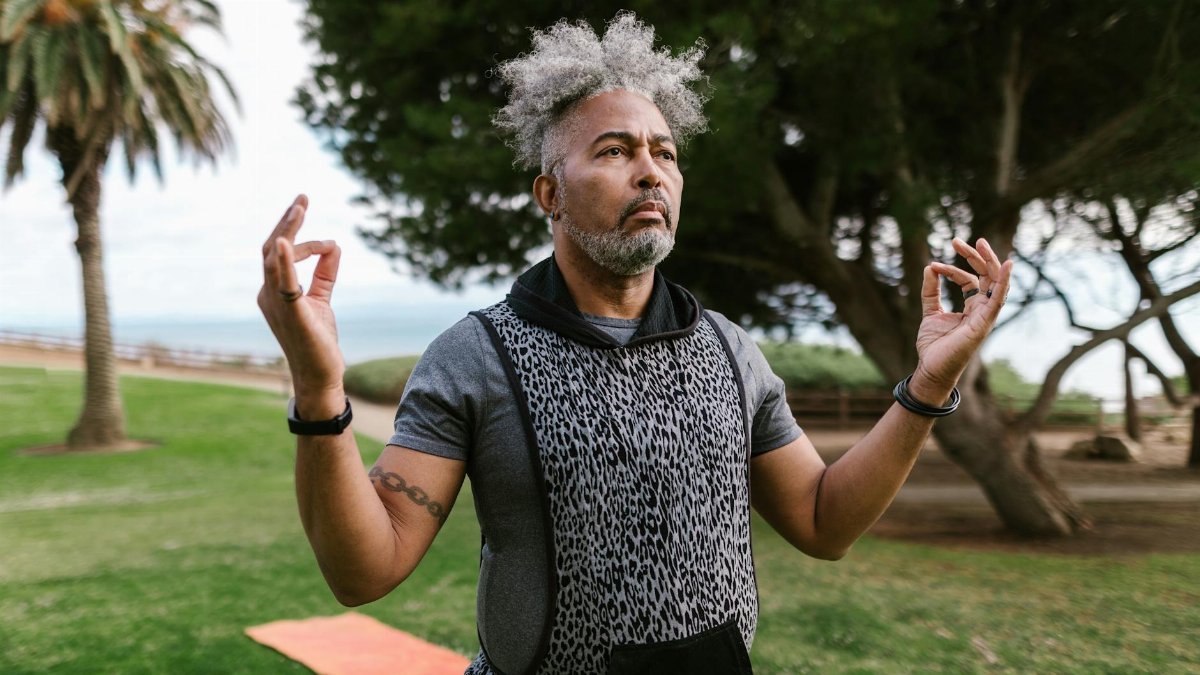
Grounding techniques, like walking barefoot or visualization, connect individuals to the present. They’re simple yet powerful for anxiety relief. Research from the National Institutes of Health shows they stabilize nervous systems. In high-stress jobs, quick grounding breaks enhance productivity. This practice rounds out somatic approaches, emphasizing earth’s role in modern wellness strategies.
These eight somatic practices are reshaping how Americans navigate daily life, providing tools for resilience. For more on breathwork benefits, check the University of California San Francisco health resources. Details on somatic experiencing are available via the Trauma Research Foundation.