

A recent study from the National Institutes of Health revealed that nearly 40% of Americans report turning to certain foods to help manage stress and mood swings, a number that’s climbed steadily over the past decade. This surge highlights a growing awareness of how everyday snacks can play a role in emotional well-being. Amid the hustle of modern life, where work pressures and personal demands often tip the scales toward anxiety or fatigue, people are seeking simple, accessible ways to restore balance. Enter the concept of snacks that improve emotional health, not through magic, but via nutrients that support brain chemistry and reduce inflammation. From omega-rich bites to antioxidant-packed treats, these options offer a practical boost. As researchers delve deeper, it’s clear that what we munch on between meals can subtly shift our inner equilibrium, fostering calm and resilience in an unpredictable world.
1. Dark Chocolate

Dark chocolate stands out as a indulgent yet effective choice for those moments when emotions run high. Picture a busy parent unwinding after a long day, reaching for a square of rich, bittersweet chocolate. It’s not just about the taste; the flavonoids in cocoa can enhance blood flow to the brain, potentially easing symptoms of depression. One woman, sharing her routine anonymously online, described how a small daily portion helped her navigate seasonal blues, turning a simple treat into a ritual of self-care.
Studies back this up. Research from the National Center for Biotechnology Information shows that regular consumption of dark chocolate with at least 70% cocoa may lower stress hormones like cortisol. Yet, moderation is key; overdoing it could lead to sugar crashes that counteract the benefits. Pair it with nuts for added protein, creating a snack that sustains energy without the guilt. This combination illustrates how snacks can improve emotional stability by blending pleasure with purpose.
Of course, not everyone responds the same way. Some find the bitterness off-putting at first, but experimenting with brands or adding a touch of fruit can make it more approachable. In essence, dark chocolate reminds us that emotional balance often hides in familiar comforts, transformed by mindful choices.
2. Almonds
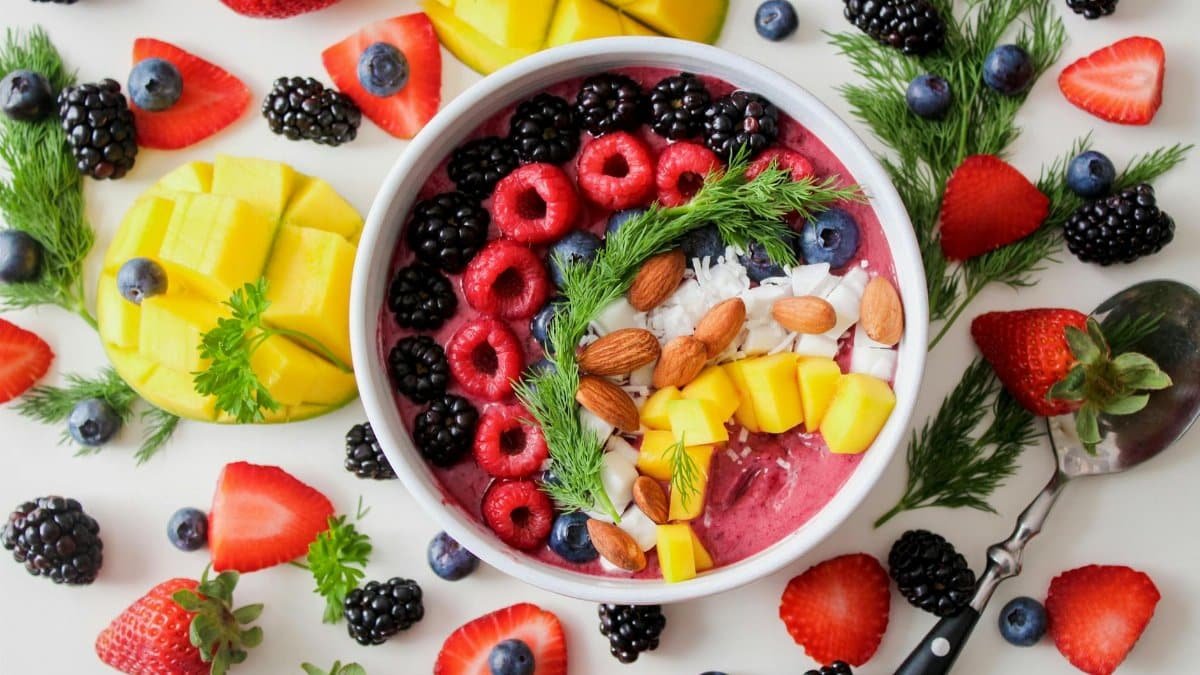
Consider the quiet power of a handful of almonds. These nuts pack magnesium, a mineral crucial for regulating mood and combating anxiety. In a fast-paced office setting, where deadlines loom and tensions build, popping a few can provide a quick reset. A recent account from someone juggling remote work and family life noted how almonds became their go-to for midday calm, staving off the irritability that crept in during low-energy slumps.
Evidence from the Harvard T.H. Chan School of Public Health underscores this, linking magnesium-rich foods to improved sleep and reduced depression risk. Almonds also offer healthy fats and fiber, which stabilize blood sugar levels, preventing the emotional rollercoasters tied to energy dips. Try roasting them lightly with a sprinkle of sea salt for extra appeal.
But there’s a nuance here: while they’re nutrient-dense, portion control matters to avoid excess calories. This snack highlights a broader trend in 2025, where people increasingly view food as a tool for emotional resilience, integrating it into daily routines with intention.
3. Berries
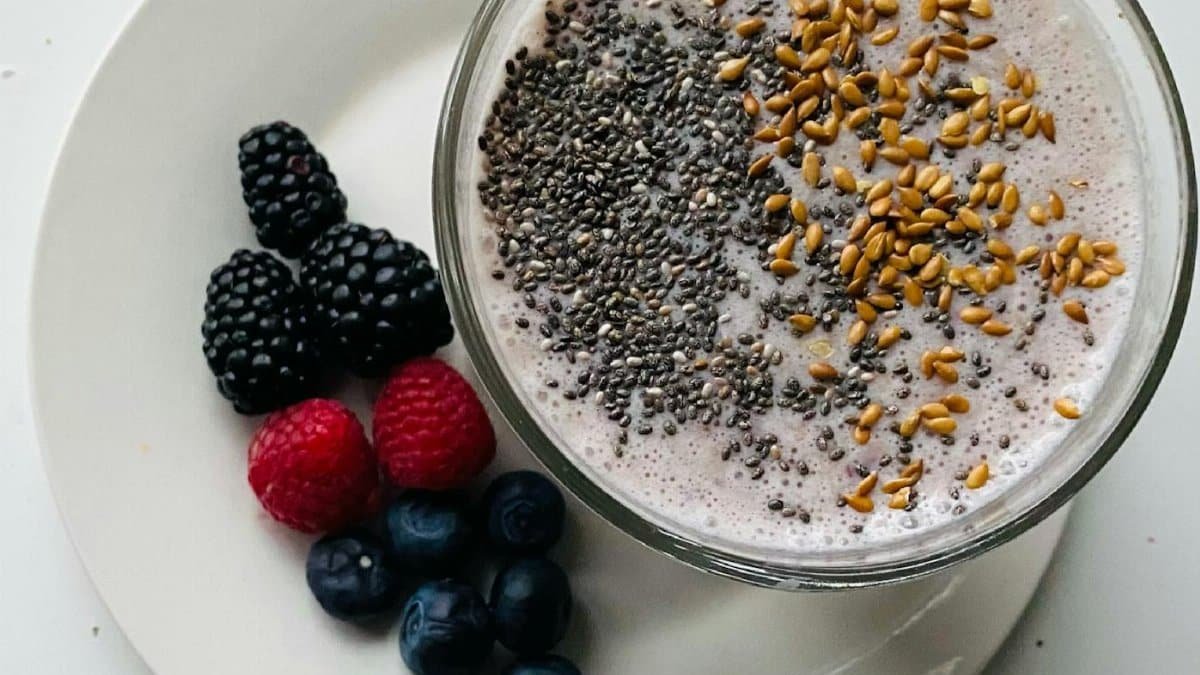
Berries burst with color and potential, offering a fresh way to tackle emotional fog. Imagine strolling through a farmers’ market, selecting a pint of blueberries or strawberries, their vibrant hues promising more than just sweetness. These fruits are loaded with antioxidants that protect brain cells from oxidative stress, which can contribute to mood disorders.
A study published in the Journal of Nutritional Biochemistry found that regular berry intake correlates with lower rates of depression, thanks to compounds like anthocyanins. For middle-aged adults facing midlife transitions, incorporating berries into yogurt parfaits or smoothies can become a delightful habit that subtly enhances focus and positivity.
Yet, accessibility varies; fresh berries aren’t always in season or budget-friendly. Frozen options work just as well, preserving nutrients without the premium price. This versatility shows how snacks can improve emotional outlook by connecting us to nature’s simple gifts, even in urban settings.
4. Greek Yogurt
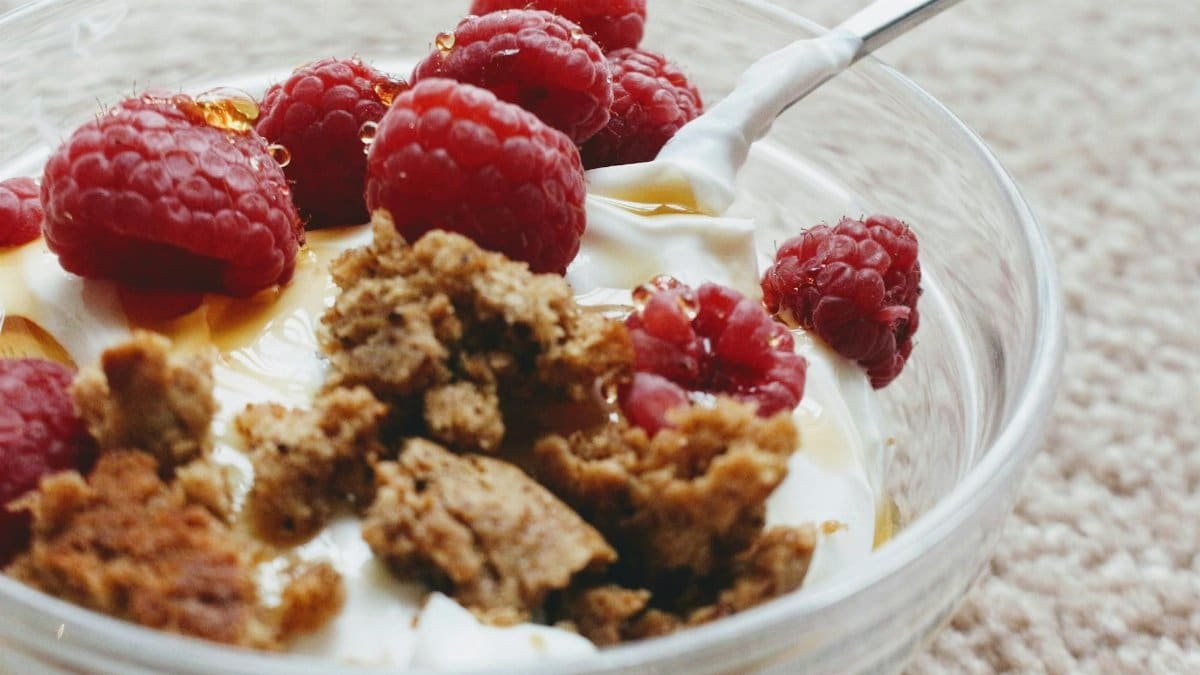
Diving into a bowl of Greek yogurt might seem routine, but its probiotic content makes it a powerhouse for the gut-brain connection. Think of a teacher, exhausted after a day of virtual classes, finding solace in this creamy snack topped with honey. The live cultures support microbiome health, which influences serotonin production, the body’s natural mood stabilizer.
Research from the Harvard Health Publishing explains how a balanced gut can lead to better emotional regulation. Adding fruits or granola turns it into a satisfying treat that curbs cravings while nurturing inner peace.
However, not all yogurts are equal; opt for plain varieties to avoid added sugars that might disrupt the benefits. This choice reflects a growing awareness among Americans of how everyday foods like this can foster emotional harmony through biological pathways we often overlook.
5. Bananas
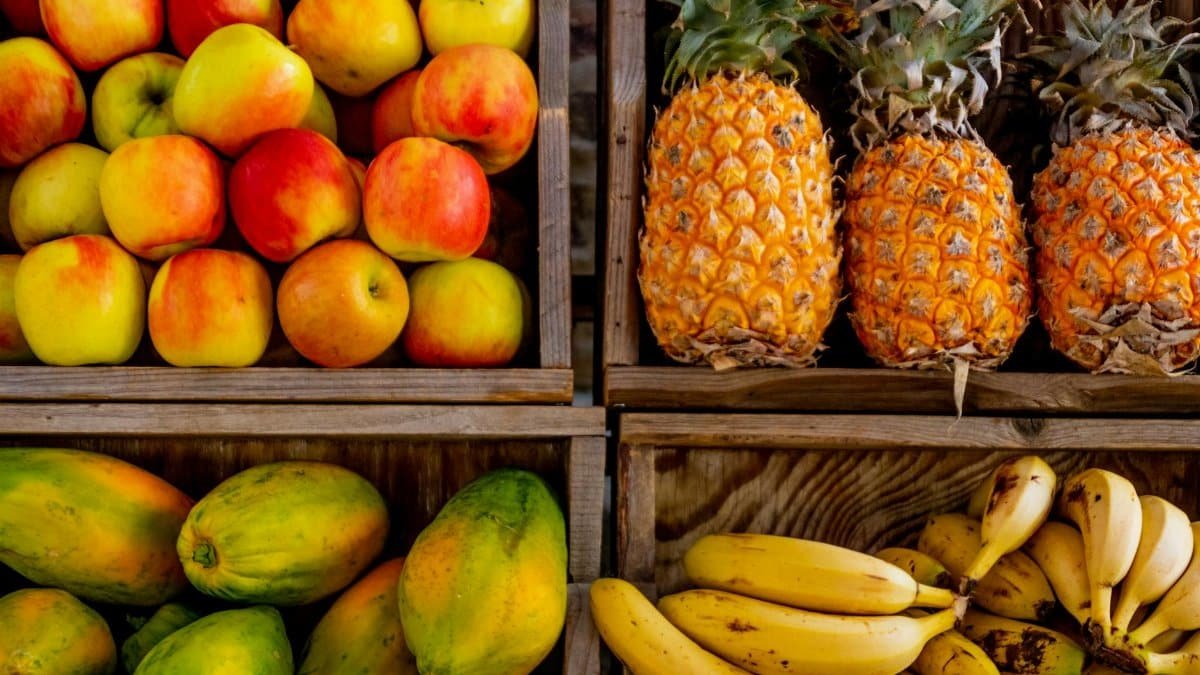
Bananas, with their portable convenience, serve as an easy ally in the quest for emotional steadiness. Envision a commuter on a crowded train, peeling one open to counter the morning rush’s edge. Rich in vitamin B6, they aid in the synthesis of neurotransmitters like dopamine and serotonin, essential for feeling grounded.
According to insights from the National Institutes of Health Office of Dietary Supplements, adequate B6 intake supports cognitive function and mood stability. Smear some peanut butter on slices for a protein boost, making it a snack that sustains through afternoon lulls.
Still, ripeness matters; overly ripe ones spike blood sugar quickly. Balancing this with mindful eating underscores how such snacks can improve emotional responses, turning potential stressors into manageable moments.
6. Avocado

Avocado’s creamy texture invites experimentation, from toast toppers to standalone slices. In a home kitchen, someone slicing one open might not realize its folate content helps combat fatigue and irritability. This nutrient is vital for producing mood-regulating chemicals in the brain.
A report from the Nutrients Journal highlights avocados’ role in mental health, thanks to healthy monounsaturated fats that support overall brain function. Season with lime and chili for a zesty twist that elevates the experience.
Price fluctuations can be a barrier, but even half an avocado provides substantial benefits. This adaptability illustrates the evolving ways snacks can improve emotional well-being, blending nutrition with culinary creativity.
7. Oat-Based Snacks

Oats form the base of comforting snacks like energy balls or bars, delivering complex carbohydrates that release energy slowly. Recall a writer at their desk, munching on homemade oat clusters to maintain focus amid creative blocks. This steady fuel prevents the mood dips associated with blood sugar crashes.
Findings from the Whole Grains Council link whole grains to improved emotional health by enhancing serotonin levels. Customize with dried fruits or seeds for variety.
Preparation time might deter some, yet quick no-bake recipes abound. Here, snacks reveal their potential to improve emotional consistency, grounding us in routines that nourish body and mind alike.
8. Fatty Fish Bites

Small portions of fatty fish, like salmon or sardine snacks, bring omega-3 fatty acids to the forefront of emotional support. Envision a weekend angler preparing simple bites, unaware of how these nutrients reduce inflammation linked to anxiety. Omega-3s are key for brain health, promoting clarity and calm.
A comprehensive review in the Frontiers in Psychiatry confirms that higher omega-3 intake correlates with lower depression rates. Opt for canned versions for convenience, mixed with herbs for flavor.
Sustainability concerns arise, so choosing responsibly sourced options matters. Ultimately, these snacks exemplify how targeted choices can profoundly improve emotional balance, weaving science into daily habits for lasting impact.