
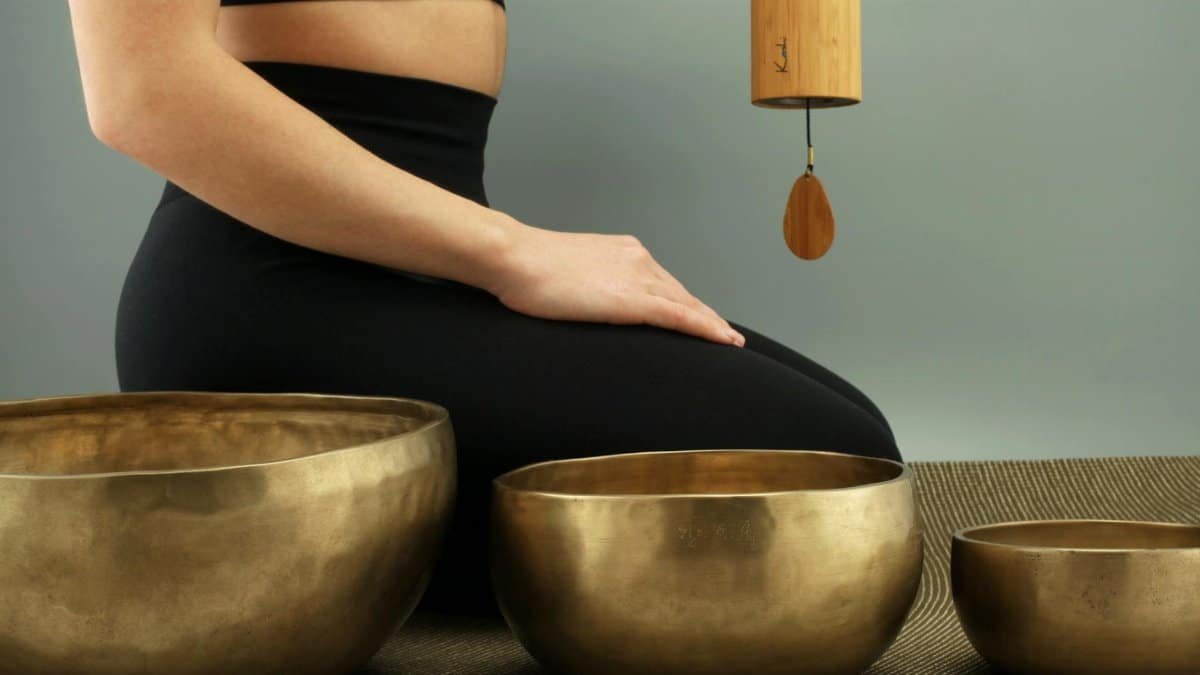
Walk down any street in Brooklyn these days, and you might notice yoga studios advertising sessions that blend ancient sounds with deep breathing exercises. This surge reflects a broader cultural shift toward holistic practices amid rising stress levels in urban America. Breathwork wellness meditation, often paired with sound healing tools like gongs or singing bowls, has gained traction as people seek ways to reclaim calm in a chaotic world. A recent survey by the National Center for Complementary and Integrative Health showed that nearly 18% of adults now incorporate some form of meditative breathing into their routines, up from a decade ago. This trend isn’t just about relaxation; it’s a response to the demands of modern life, where notifications buzz endlessly and work blurs into evenings. As more Americans turn to these methods, the appeal lies in their accessibility—no fancy equipment required, just intentional inhales and exhales synced with resonant tones.
1. Persistent Stress Overwhelms Daily Life

Many people find themselves caught in a cycle of tension that no amount of coffee breaks can fix. Consider Sarah, a marketing executive in Chicago, who described her days as a relentless grind until she discovered sound healing workshops. “It was like someone turned down the volume on my anxiety,” she shared in a casual conversation. This sentiment echoes a common reality: when stress builds to the point where simple tasks feel monumental, it might signal a need for deeper intervention.
Sound healing, often integrated with breathwork techniques, targets this by using vibrations to shift the body’s energy. Research from the National Library of Medicine highlights how rhythmic breathing can lower cortisol levels, the hormone tied to stress. In sessions, participants lie back as facilitators guide them through slow inhales while crystal bowls hum softly. It’s not magic; it’s physiology at work. The practice encourages the parasympathetic nervous system to kick in, promoting rest and recovery. For those juggling demanding jobs or family pressures, this could be the reset button they’ve overlooked.
Yet, it’s worth noting the nuance. Not everyone responds the same way—some find the sounds jarring at first. Starting small, perhaps with a guided app at home, helps ease into it. Over time, the combination of breath and sound builds resilience, turning overwhelming days into manageable ones.
2. Sleep Disruptions Become the Norm

Picture a restless night: tossing, turning, mind racing through tomorrow’s to-do list. If this sounds familiar, sound healing might offer a path to better rest. One anonymized account from an online forum captured it well: a user described how incorporating evening sound baths finally quieted their overactive thoughts, leading to deeper sleep cycles.
Breathwork wellness meditation plays a key role here, often woven into sound healing to regulate breathing patterns that influence sleep quality. A study published by the Sleep Foundation notes that meditative practices can increase melatonin production, aiding in faster sleep onset. Imagine dim lights, the low drone of a didgeridoo, and instructions to breathe deeply—inhale for four counts, exhale for six. This method calms the mind, easing the transition to slumber.
The beauty lies in its simplicity. No pills or gadgets; just intentional practice. However, consistency matters. Experts suggest pairing it with a bedtime routine, like avoiding screens an hour before. For chronic insomniacs, this could mark a turning point, revealing how disrupted sleep often stems from unaddressed daytime tensions.
3. Emotional Volatility Feels Uncontrollable

Emotions can swing like a pendulum, from irritation to sudden sadness, leaving one feeling unmoored. This volatility often points to underlying imbalances that sound healing addresses through vibrational therapy and focused breathing.
In group sessions across Los Angeles wellness centers, participants report a sense of emotional release after exposure to healing frequencies. Drawing from breathwork wellness meditation, these practices help process feelings by syncing breath with sound waves. The American Psychological Association discusses how mindfulness-based interventions, including those with auditory elements, can enhance emotional regulation by fostering present-moment awareness.
Take the example of a teacher in Texas who turned to sound healing after burnout. Through guided sessions, she learned to breathe through waves of frustration, using chimes to anchor her focus. It’s a reminder that emotions aren’t enemies but signals. By engaging with them via sound and breath, individuals gain tools to navigate ups and downs more steadily, reducing the chaos that volatility brings.
Of course, it’s not a cure-all. Combining it with therapy might yield the best results for deeper issues.
4. Physical Tension Builds Without Relief

Tight shoulders, clenched jaws—the body holds stress in subtle ways. When massages or stretches fall short, sound healing emerges as an alternative, using acoustic vibrations to release pent-up tension.
Integrated with breathwork wellness meditation, it encourages deep diaphragmatic breathing that loosens muscles. A report from Harvard Health Publishing explains how controlled breathing activates the relaxation response, countering the fight-or-flight mode. Sessions might involve lying on a mat as Tibetan bowls resonate, with prompts to exhale fully, visualizing tension melting away.
One vivid snapshot comes from a retiree in Florida: after years of back pain, regular sound meditations shifted his posture and ease. The practice highlights the mind-body connection, showing how ignored physical cues can amplify discomfort. In 2025, with remote work still prevalent, addressing this tension proactively could prevent long-term issues.
5. Focus and Concentration Wane Easily

In an era of constant distractions, maintaining attention feels like a lost art. Sound healing, paired with meditative breathing, can sharpen mental clarity by training the brain to tune out noise.
Breathwork wellness meditation within these sessions uses rhythmic sounds to anchor wandering thoughts. Research from the National Library of Medicine indicates that such practices improve cognitive function, enhancing focus through neuroplasticity. Participants often start with simple gong strikes, breathing in sync to build concentration over time.
Consider a freelance writer in Seattle who struggled with deadlines until sound healing became her ritual. “The vibrations cut through the fog,” she noted. This approach underscores how fragmented attention stems from overload, and targeted practices rebuild it. Varying the routine—perhaps alternating between sounds and silent breathwork—keeps it engaging.
6. A Desire for Deeper Self-Connection Arises

Sometimes, amid the hustle, a quiet yearning for introspection surfaces. Sound healing fosters this by creating space for inner exploration through immersive auditory experiences.
Weaving in breathwork wellness meditation, it invites participants to connect breath with personal insights. The Greater Good Science Center at UC Berkeley explores how mindful breathing enhances self-awareness, leading to better emotional intelligence. In a session, as harmonics fill the room, one might reflect on life’s patterns while breathing deliberately.
An entrepreneur in New York found this transformative: post-session, he reevaluated priorities, feeling more aligned. It’s a gentle nudge toward authenticity, especially in 2025’s fast-paced culture. The practice reveals that self-connection isn’t indulgent—it’s essential for fulfillment.
7. Creative Blocks Hinder Expression

Artists and thinkers alike hit walls where ideas refuse to flow. Sound healing can dissolve these blocks by stimulating the mind through vibration and breath.
By incorporating breathwork wellness meditation, it clears mental clutter, fostering creativity. A study in the Psychology of Music journal links music-based relaxation to enhanced creative thinking. Imagine breathing to the tune of flutes, allowing inspirations to emerge naturally.
A musician in Nashville broke through a dry spell this way, crediting the resonance for reigniting her spark. Such experiences show how blocks often root in stress, and sound-infused breathwork provides a breakthrough. Experimenting with different instruments adds variety, making it a dynamic tool for expression.
8. Seeking Community in Wellness Practices

Isolation creeps in easily, even in connected times. If a pull toward shared experiences grows, sound healing groups offer communal healing through collective sound and breath.
These gatherings emphasize synchronized breathwork wellness meditation, building bonds. Insights from the Pew Research Center reveal increasing interest in group wellness activities post-pandemic. In circles, voices and instruments merge, creating a supportive vibe.
One participant in Denver recalled the warmth of group energy: “It was healing to breathe together.” This sign points to a need for connection, where sound healing serves as a bridge. In 2025, with hybrid lifestyles, these communities provide vital human touchpoints, enriching individual journeys.