

Intro
New data shows 40% of Americans report heightened stress levels in 2025, according to a recent Pew Research survey. Amid this surge, techniques, emotional, restoring are gaining traction as practical tools for self-regulation. These methods help individuals regain control over their feelings, fostering calmer responses to daily pressures. From mindfulness practices to cognitive reframing, they’re not just buzzwords—they’re backed by science and real-world application. As mental health awareness grows, more people are turning to these strategies to restore emotional balance without relying solely on therapy or medication.
1. Deep Breathing Exercises
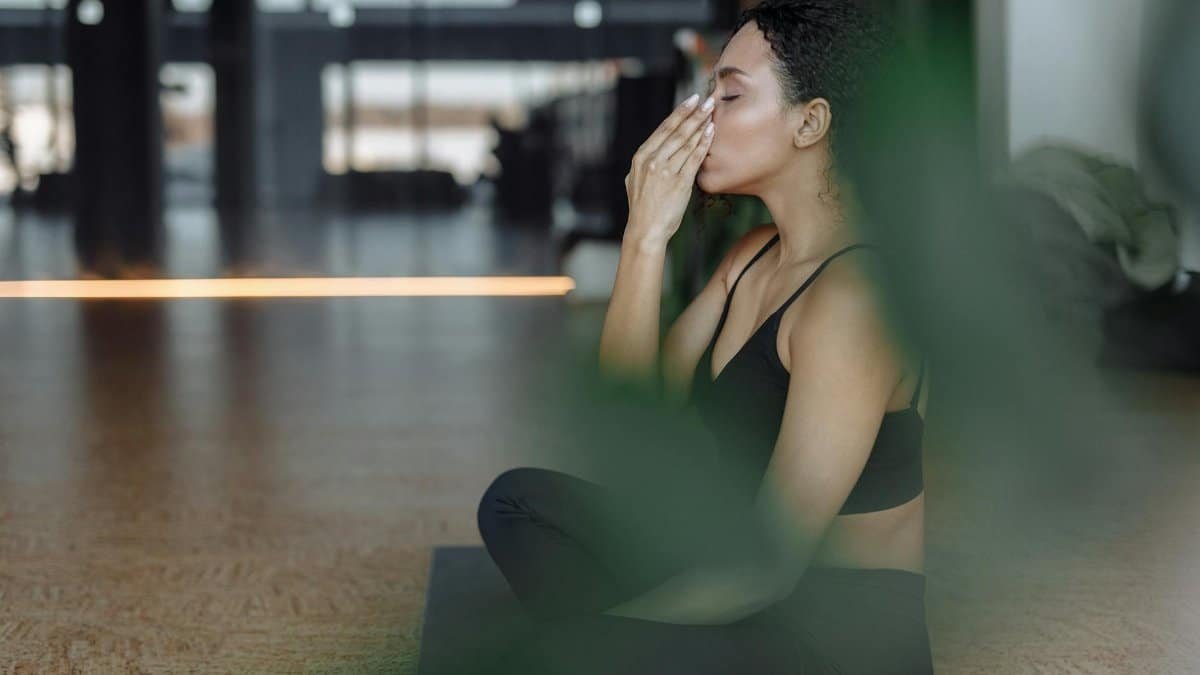
Deep breathing stands out as a cornerstone for emotional restoration. When anxiety spikes, simply inhaling slowly through the nose for four counts, holding for four, and exhaling for four can reset the nervous system. This technique activates the parasympathetic response, countering the fight-or-flight mode. Studies from the National Institutes of Health highlight its effectiveness in reducing cortisol levels. In busy U.S. cities like New York, professionals use it during commutes to maintain composure. It’s quick, free, and requires no special tools—just a moment of focus.
2. Mindfulness Meditation

Mindfulness meditation involves observing thoughts without judgment, a key method among techniques, emotional, restoring. Practitioners sit quietly, focusing on the present moment, which helps detach from overwhelming emotions. Research from Harvard Medical School shows it rewires brain patterns for better emotional regulation. Apps like Headspace make it accessible, with millions of downloads in 2025. One user reported transforming daily frustration into clarity after just 10 minutes a day. This approach builds resilience, especially useful in high-stress environments like corporate America.
3. Cognitive Reframing

Cognitive reframing challenges negative thought patterns by viewing situations from a new angle. For instance, instead of seeing a setback as failure, consider it a learning opportunity. This technique draws from cognitive behavioral therapy principles, supported by findings from the American Psychological Association. It empowers individuals to shift perspectives, reducing emotional turmoil. In 2025, therapists recommend it for remote workers facing isolation. Real-life application involves journaling reframed thoughts, leading to sustained emotional balance over time.
4. Progressive Muscle Relaxation

Progressive muscle relaxation eases tension by tensing and releasing muscle groups sequentially. Start from the toes and work up, holding tension for five seconds before letting go. This method, endorsed by the Mayo Clinic, directly combats physical manifestations of emotional stress. It’s particularly effective for insomnia linked to anxiety, with users reporting deeper sleep. Amid rising mental health concerns in the U.S., this technique offers a hands-on way to restore calm without external aids.
5. Journaling for Emotional Release

Journaling allows people to pour out emotions onto paper, clarifying feelings and patterns. Write freely about daily experiences, then reflect on triggers. Evidence from a study by the University of Rochester indicates it lowers depression symptoms. In 2025, digital journals are popular, but traditional notebooks provide a tactile benefit. This self-regulation tool helps process grief or anger, turning chaos into structured insights for emotional restoring.
6. Physical Exercise Routines

Regular physical activity, like brisk walking or yoga, releases endorphins that naturally elevate mood. Aim for 30 minutes daily to harness this emotional booster. The Centers for Disease Control and Prevention links exercise to improved mental health outcomes. Urban dwellers in places like Los Angeles incorporate it into routines, noting reduced irritability. As part of techniques, emotional, restoring, it bridges body and mind, promoting long-term stability.
7. Grounding Techniques

Grounding brings awareness back to the physical world during emotional overload. Name five things you see, four you can touch, three you hear, two you smell, and one you taste. This sensory exercise, recommended by mental health experts at the National Institute of Mental Health, interrupts panic cycles. It’s invaluable for trauma survivors, offering immediate relief. In 2025, schools teach it to students facing academic pressures.
8. Social Connection Strategies

Building social ties combats isolation, a common emotional disruptor. Schedule regular check-ins with friends or join support groups. Research from the Pew Research Center shows strong networks correlate with better emotional health. In the U.S., virtual meetups have surged post-pandemic, providing outlets for sharing burdens. This technique fosters empathy and perspective, essential for restoring balance in a disconnected world.