

In a world that often feels like it’s spinning too fast, what if the key to true healing lies not in grand gestures, but in mastering the quiet art of self-regulation? This question has gained traction among those navigating personal traumas, chronic stress, or emotional upheavals. Across the U.S., from bustling cities to quiet suburbs, individuals are turning to techniques that foster self-regulation on their healing journeys. These methods promise not just momentary relief, but a deeper sense of control and resilience. A recent survey by the American Psychological Association highlighted how such practices are becoming mainstream, with more Americans reporting improved mental health through consistent application. As we delve into eight specific techniques, consider how they might reshape your own path toward wholeness.
1. Mindfulness Meditation

Mindfulness meditation stands out as a cornerstone for those embarking on healing journeys. It invites practitioners to anchor themselves in the present moment, observing thoughts without judgment. This technique has roots in ancient traditions but fits seamlessly into modern life. Imagine a busy parent in Chicago, pausing amid the chaos of daily routines to sit quietly for ten minutes. She focuses on her breath, letting worries about tomorrow fade. Over time, this practice builds neural pathways that enhance emotional regulation, according to research from the National Institutes of Health.
Studies show that regular mindfulness can reduce symptoms of anxiety and depression by up to 30 percent in some groups. One compelling example comes from a veteran dealing with PTSD; he described how meditation helped him reclaim moments of peace that once felt lost. The shift isn’t immediate, but persistent effort yields profound changes. For deeper insights, explore the NIMH page on anxiety disorders, which discusses mindfulness as a evidence-based tool.
Yet, it’s not without hurdles. Beginners often grapple with wandering minds, feeling frustrated at first. That’s part of the process, a gentle reminder that healing isn’t linear. Integrating it into routines, like during morning coffee, makes it sustainable. As one anonymous online account shared, the technique transformed overwhelming grief into manageable waves, allowing space for growth.
2. Deep Breathing Exercises
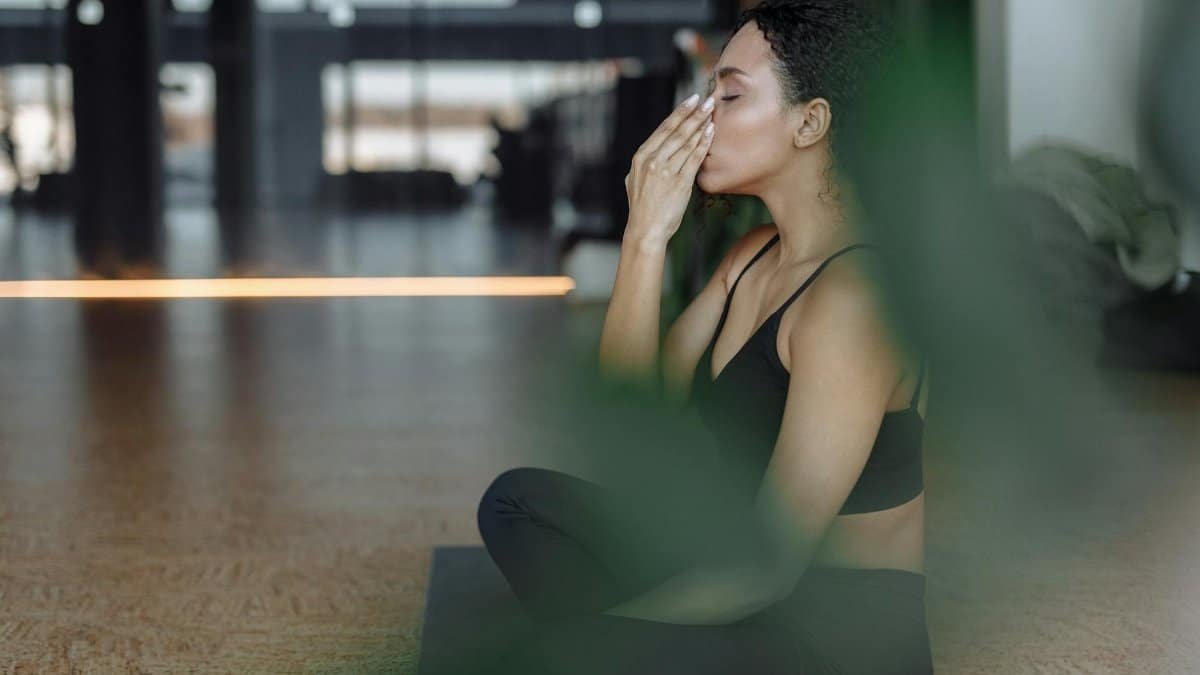
Start with something as simple as breath. Deep breathing exercises activate the body’s relaxation response, countering the fight-or-flight mode that plagues many on healing paths. Techniques like the 4-7-8 method—in for four counts, hold for seven, out for eight—can swiftly lower heart rates and calm racing thoughts. Picture a teacher in Atlanta, overwhelmed by classroom stresses, stepping aside to breathe deeply. In those breaths, she finds clarity, a brief sanctuary amid demands.
This approach draws from physiological science, stimulating the vagus nerve to promote calm. A study published in the Journal of Clinical Psychology found participants experienced reduced cortisol levels after just a week of practice. It’s accessible, requiring no tools, yet powerful in disrupting cycles of emotional turmoil. Weave it into daily life, perhaps during commutes or before bed, and watch how it steadies the journey.
Of course, not everyone clicks with it right away. Some feel lightheaded initially, a sign to ease in slowly. But persistence pays off, as evidenced by countless stories of regained composure. For more on the science, check the APA’s resources on stress and the body.
3. Journaling for Reflection

What if putting pen to paper could unlock hidden insights? Journaling serves as a self-regulation technique that encourages processing emotions through writing. It transforms vague feelings into tangible words, fostering clarity on healing journeys. A middle-aged executive in Seattle might jot down daily gratitudes, uncovering patterns in his stress triggers. This act of reflection builds self-awareness, a vital step toward emotional balance.
Research from the University of Texas supports this, showing journaling reduces rumination and boosts mood over time. It’s not about perfect prose; even bullet points work. One person’s narrative revealed how chronicling setbacks turned them into stepping stones, highlighting resilience they hadn’t recognized before.
Challenges arise when vulnerability feels daunting, but starting small eases the way. Over months, it evolves into a trusted companion, much like a quiet conversation with oneself. Dive into supporting data via the University of Texas research publications, where studies on expressive writing are archived.
4. Progressive Muscle Relaxation

Tension often hides in the body, unnoticed until it erupts. Progressive muscle relaxation addresses this by systematically tensing and releasing muscle groups, promoting physical and mental ease. Ideal for those whose healing journeys involve chronic pain or anxiety, it teaches the body to let go. Envision a nurse in New York, after a long shift, lying down to methodically relax from toes to head. The release brings a wave of calm, easing the day’s burdens.
Backed by evidence from the Mayo Clinic, this technique can improve sleep and reduce hypertension. It’s a hands-on way to interrupt stress cycles, making space for emotional healing. A brief anecdote: someone recovering from loss found that releasing physical tightness mirrored letting go of grief, one muscle at a time.
Adapting it for shorter sessions keeps it practical. While some struggle with focus, guided audio helps. For comprehensive guides, visit the Mayo Clinic’s relaxation techniques page.
5. Grounding Techniques

When emotions swirl like a storm, grounding techniques pull you back to earth. These involve sensory engagement—naming five things you see, four you can touch—to reconnect with the now. On healing journeys marked by dissociation or panic, this method offers immediate anchor. Think of a student in Los Angeles, amid exam anxiety, touching a textured keychain to refocus. The simplicity belies its effectiveness.
Psychologists at Harvard note its role in managing trauma responses, with quick interventions preventing escalation. It’s versatile, usable anywhere, from boardrooms to bedrooms. One shared experience described it as a lifeline during overwhelming moments, turning chaos into control.
Variety keeps it fresh; some prefer cold water on the face. Integration builds habit, enhancing overall self-regulation. Explore more at Harvard Health’s relaxation techniques.
6. Cognitive Reframing
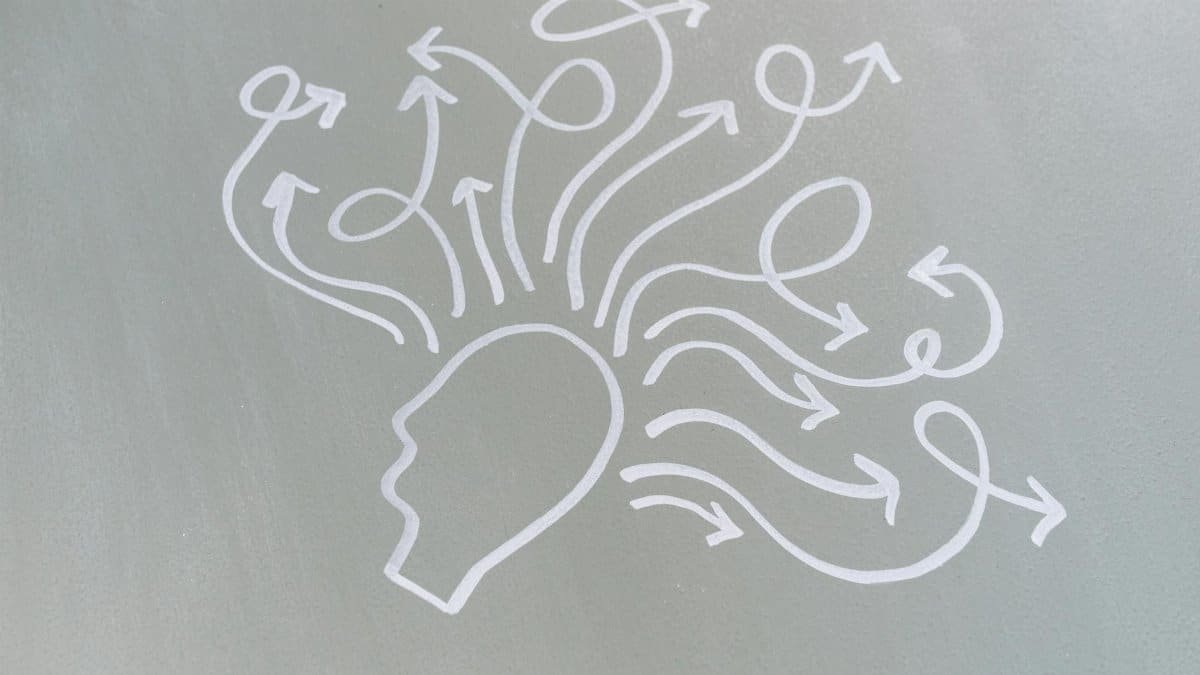
Shifting perspectives can rewrite internal narratives. Cognitive reframing involves challenging negative thoughts and replacing them with balanced views, a key self-regulation tool for healing. It empowers individuals to question assumptions, fostering resilience. A retiree in Florida, facing loneliness, reframes “I’m isolated” to “I have opportunities to connect,” sparking action.
The Cognitive Behavioral Therapy framework, as outlined by the Beck Institute, underscores its efficacy in altering mood patterns. It’s intellectual yet practical, often leading to behavioral changes. Tensions emerge when old habits resist, but practice erodes them.
Weave in prompts like “What’s another way to see this?” for daily use. For foundational reading, link to the Beck Institute’s CBT resources.
7. Emotional Freedom Technique (Tapping)

Tapping on acupressure points while voicing affirmations might sound unconventional, but Emotional Freedom Technique (EFT) delivers real results. It combines Eastern medicine with psychology to release emotional blocks on healing journeys. A writer in Denver taps through writer’s block, affirming self-worth, and finds creativity flowing again.
Clinical trials, including those reviewed by the American Psychological Association, indicate reductions in anxiety. The ritualistic aspect adds comfort, making abstract emotions concrete.
Skeptics may balk, yet many convert after trying. It’s self-paced, adaptable. Check supportive evidence at APA’s article on tapping therapy.
8. Yoga or Mindful Movement

Movement meets mindfulness in yoga, a holistic self-regulation technique that unites body and breath. For those on extended healing journeys, it cultivates flexibility in more ways than one. A community organizer in Boston flows through poses, releasing stored tension from advocacy stresses. Each session builds strength, both physical and emotional.
The National Center for Complementary and Integrative Health reports benefits like improved mood and stress reduction. It’s communal or solitary, fitting various lifestyles. One account highlighted how it bridged isolation, fostering connections.
Modifications ensure accessibility; chair yoga works for many. As trends evolve in 2025, its popularity surges. For details, visit NCCIH’s yoga information page.
These techniques, woven into daily life, illuminate paths of self-regulation and journeys toward healing. They remind us that progress comes in small, intentional steps.