
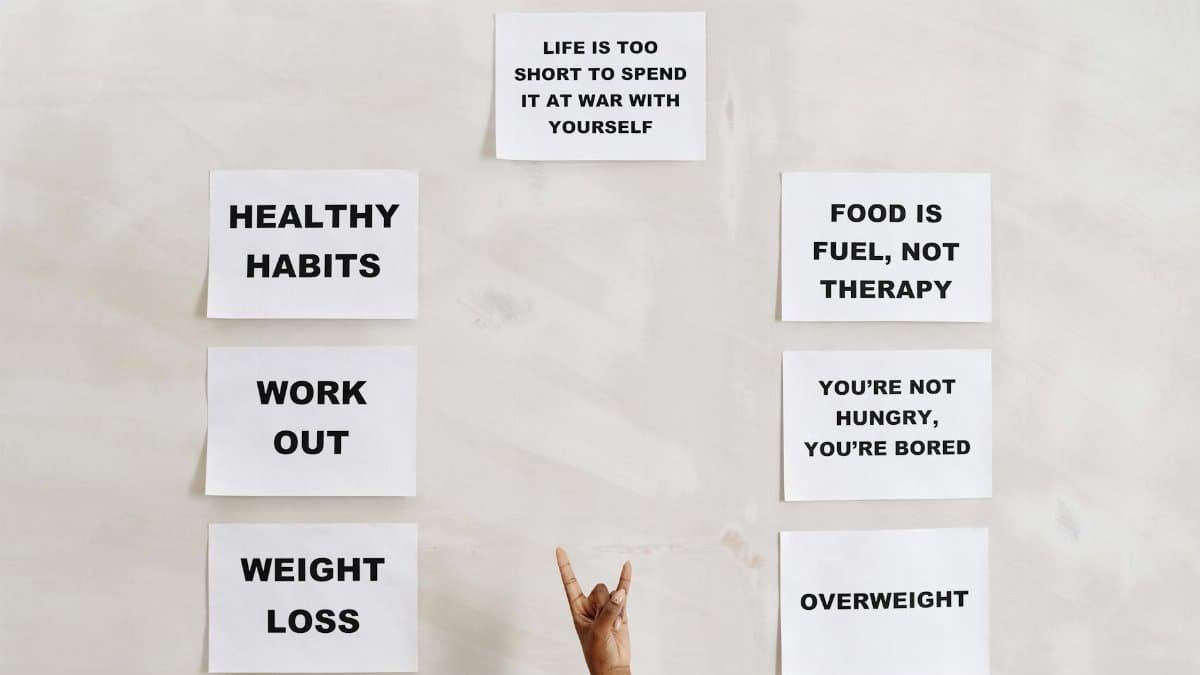
In a fast-paced world, new data shows that 60% of Americans are adopting quiet-living habits to combat stress, according to a recent survey by the American Psychological Association. These habits, elevating trends in wellness, focus on simplicity and mindfulness, offering a counterpoint to hustle culture. From digital detoxes to intentional routines, they’re reshaping how people prioritize mental health in 2025. This shift isn’t just a fad—it’s backed by experts who say small, quiet changes can lead to big improvements in overall well-being.
1. Digital Detox Routines
Quiet-living starts with unplugging. Many are setting strict no-screen times, like evenings without devices, to reclaim mental space. This habit reduces anxiety and improves sleep quality. A study from the University of Pennsylvania found that limiting social media to 30 minutes a day boosts happiness levels. In 2025, apps that enforce these boundaries are surging in popularity, making it easier to integrate into daily life. Wellness experts note it’s not about abandoning tech but using it mindfully.
People report feeling more present after just a week of detox. One user shared that ditching late-night scrolling helped her connect better with family. This trend aligns with broader movements toward minimalism, where less digital noise equals more peace.
2. Mindful Morning Rituals

Starting the day quietly sets a positive tone. Habits like journaling or gentle stretching before checking emails are gaining traction. These routines foster gratitude and focus, elevating wellness trends by grounding individuals early. Research from Harvard Medical School links morning mindfulness to lower cortisol levels throughout the day.
In practice, it could be as simple as five minutes of deep breathing. Trends show more Americans incorporating this in 2025, with wellness apps offering guided sessions. The key is consistency, turning it into a non-negotiable part of the morning.
3. Nature Immersion Walks

Quiet walks in nature, often called forest bathing, are a cornerstone of quiet-living. This Japanese-inspired practice involves slow, sensory engagement with the outdoors. It lowers blood pressure and boosts mood, per findings from the National Institutes of Health. In urban areas, people are seeking out parks for these escapes.
Trends indicate a rise in solo nature outings, away from crowded gyms. Participants describe a sense of renewal, making it a habit that elevates everyday wellness without high costs or equipment.
4. Simplified Meal Prep
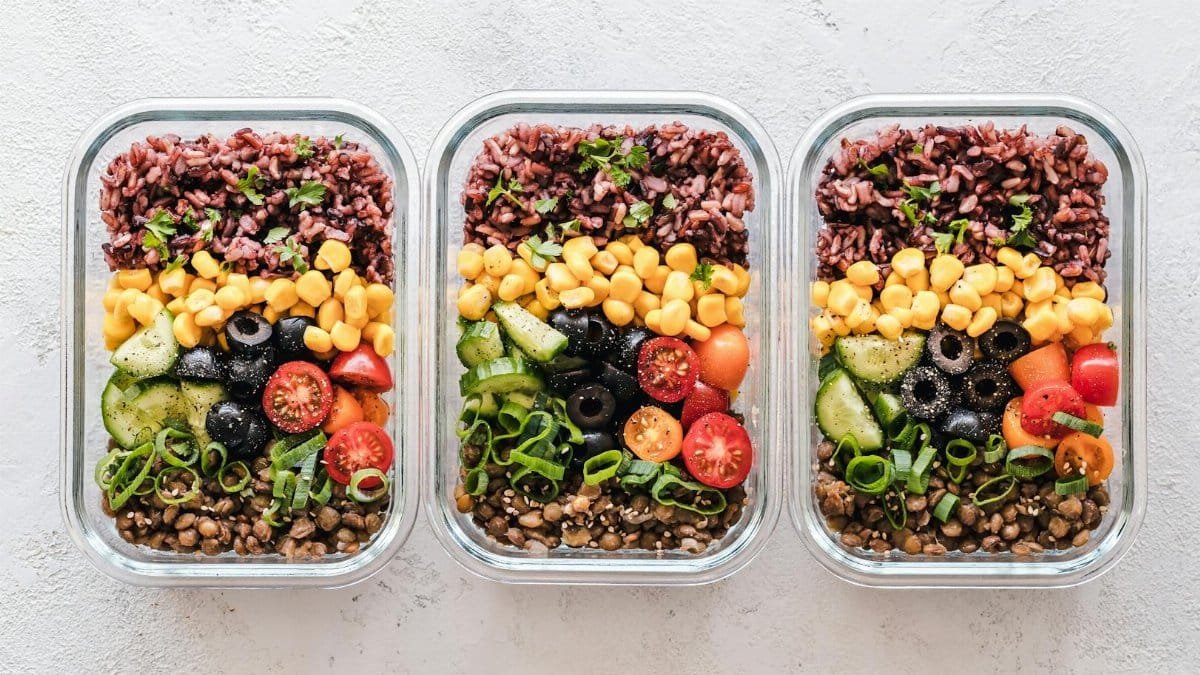
Quiet-living extends to the kitchen with minimalist cooking. Focusing on whole foods and batch prepping reduces decision fatigue. This habit supports nutritional wellness, with studies showing it aids weight management and energy stability. The CDC reports that home-cooked meals correlate with healthier eating patterns.
In 2025, meal kit services are adapting to this trend by offering simpler recipes. It’s about quality over quantity, turning cooking into a meditative act rather than a chore.
5. Intentional Rest Periods

Scheduled downtime, like afternoon naps or reading breaks, is revolutionizing recovery. These pauses combat burnout, a growing issue highlighted in Gallup polls. Habits elevating trends here emphasize guilt-free rest as essential for productivity.
Experts recommend 20-minute power naps, backed by sleep research from the Centers for Disease Control and Prevention. More workers are incorporating this into hybrid schedules, reporting sharper focus afterward.
6. Gratitude Journaling

Daily entries of things one appreciates build resilience. This quiet habit shifts mindset from scarcity to abundance, improving emotional health. A study in the Journal of Positive Psychology found it increases life satisfaction over time.
In wellness circles, apps track these entries, making it accessible. Trends in 2025 show integration with therapy, where journaling complements professional care for sustained mental uplift.
7. Boundary-Setting Practices
Learning to say no protects energy in quiet-living. This involves clear communication at work and home to avoid overload. Wellness trends highlight its role in preventing resentment and fostering healthier relationships.
According to workplace studies, those who set boundaries experience less stress. It’s a habit that’s elevating self-care standards, with coaches offering workshops on assertive techniques.
8. Evening Wind-Down Routines

Ending the day with calm activities, like herbal tea or light reading, prepares for better sleep. This counters the always-on culture, promoting restorative rest. Data from sleep trackers shows improved sleep scores with consistent wind-downs.
In 2025, smart home devices are aiding these routines by dimming lights automatically. Users find it transforms bedtime from rushed to reflective, rounding out a day of quiet wellness.
These eight habits, elevating trends in wellness, offer practical ways to embrace quiet-living. As more Americans seek balance, experts predict continued growth, supported by ongoing research into mindful practices.