

Did you know that according to a 2023 survey by the American Pet Products Association, nearly 70% of Texas households own a pet, and many report noticeable drops in daily anxiety levels thanks to their furry companions? This figure underscores a growing recognition across the Lone Star State, where wide-open spaces and bustling cities alike foster deep bonds between people and animals. Amid the stresses of modern life—think relentless work demands or the isolation that can creep in during hot summer months—pets offer something quietly profound. Their innate behaviors, those pet instincts that support mental ease, tap into our need for connection and calm. Researchers at places like the University of Texas have explored how these natural animal traits align with human well-being, revealing patterns that feel especially resonant in a state known for its independent spirit and community ties. As we delve into eight such instincts, it’s clear they’re more than quirks; they’re subtle allies in navigating emotional ups and downs.
1. The Loyal Gaze of a Dog
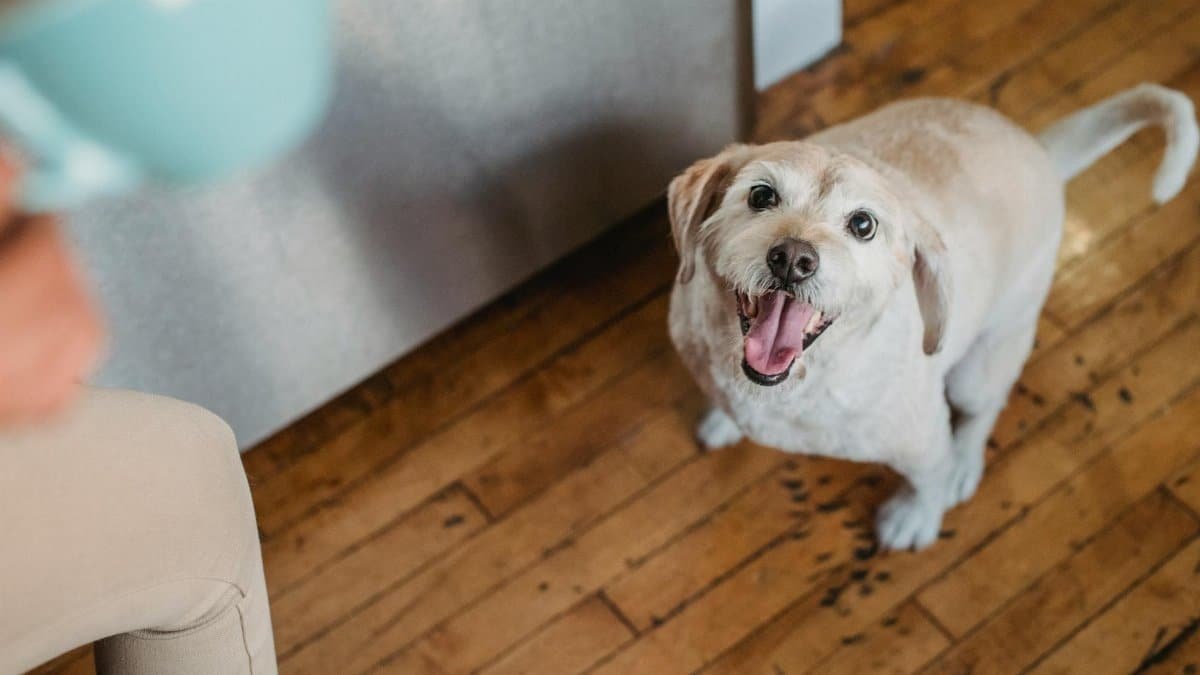
Dogs have this uncanny way of locking eyes with their owners, a behavior rooted in their pack instincts. In Texas, where ranches stretch for miles and family bonds run deep, this gaze often translates to unspoken reassurance. Picture a weary rancher returning home after a long day herding cattle; his border collie meets him at the door, staring intently, as if saying, “You’re not alone.” Studies from the National Institutes of Health highlight how such eye contact boosts oxytocin levels in humans, the hormone linked to trust and reduced stress. It’s not just affection—it’s a biological nudge toward calm. One anonymous account shared online described a Houston teacher feeling overwhelmed by classroom chaos until her labrador’s steady look pulled her back to center. This instinct shines in everyday Texas life, from urban apartments to rural spreads, offering a simple yet powerful buffer against mental fatigue.
2. Cats’ Rhythmic Purring
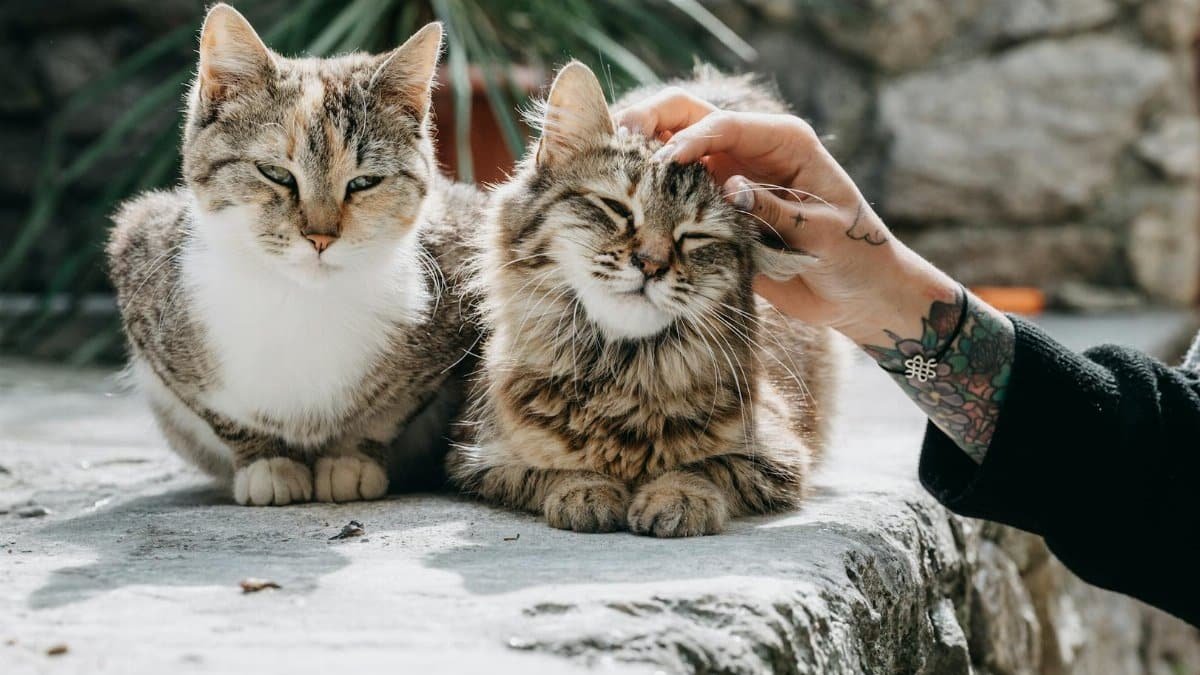
Ever notice how a cat’s purr seems to vibrate right through your worries? This instinct, evolved for self-soothing and communication, acts like a natural sound bath for humans too. In the humid evenings of East Texas, where thunderstorms can amplify inner turmoil, a cat curling up and purring provides a steady hum that eases tension. Research published in the Journal of Feline Medicine and Surgery suggests these vibrations, often between 25 and 150 Hertz, promote bone density and healing, but the mental perks are equally compelling—lowering blood pressure and fostering relaxation. It’s like having a built-in meditation aid. A Dallas resident once recounted how her tabby’s purr helped her unwind after a grueling commute, turning a chaotic evening into one of quiet restoration. Amid Texas’s fast-paced growth, this purring ritual reminds us of the small, instinctive ways animals ground our minds.
3. Birds’ Morning Songs
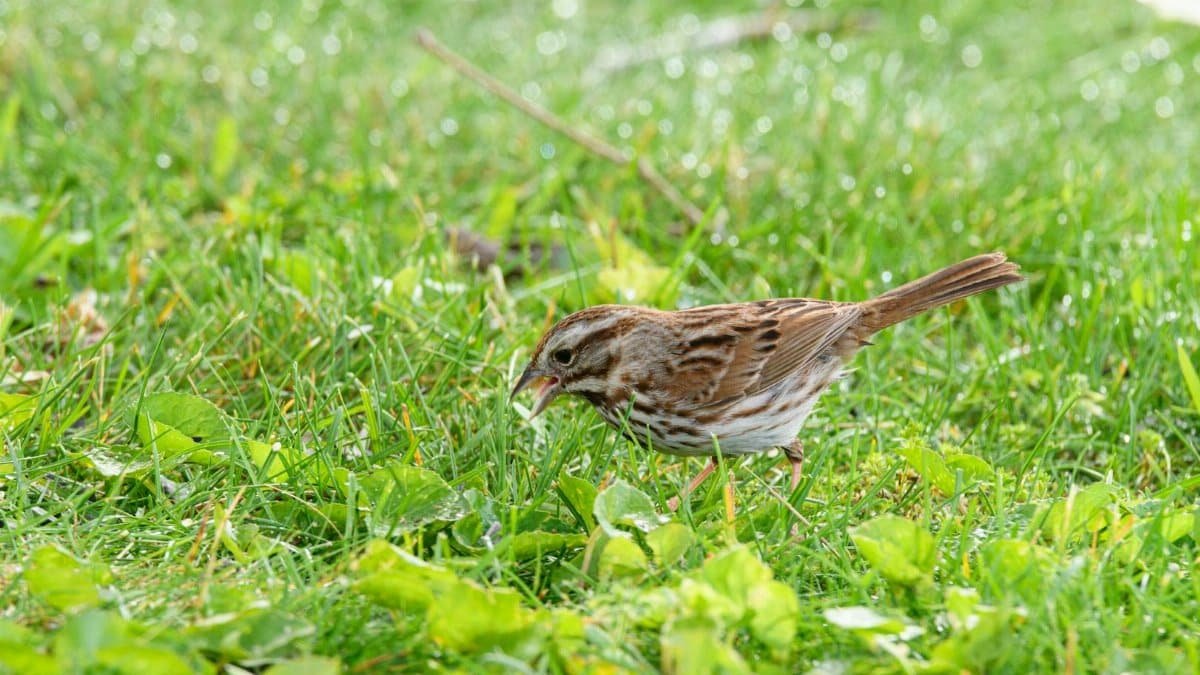
Birds don’t just sing for territory or mates; their melodies are an instinctual call that can reset our mental rhythms. In the Hill Country of Texas, where dawn breaks over rolling landscapes, the trill of a mockingbird often greets the day, pulling listeners into a moment of presence. This isn’t mere background noise—it’s a prompt for mindfulness. A study from the Pew Research Center on pet ownership trends notes how avian companions help with emotional regulation, especially in regions with high stress from seasonal changes. Imagine sipping coffee on a Austin porch as finches chatter; that soundscape shifts focus from swirling thoughts to the here and now. One bird enthusiast shared a story of how her parakeet’s tunes eased post-retirement blues, weaving joy into solitary mornings. Such instincts highlight nature’s role in supporting mental clarity amid Texas’s diverse environments.
4. Rabbits’ Gentle Nudging
Rabbits have a subtle habit of nudging with their noses, an instinct for social bonding that translates to tender human interactions. In suburban Texas homes, where backyards offer space for these quiet pets, a soft nose bump can dissolve the day’s accumulated stress. It’s a gentle reminder of connection without demands. Insights from the Centers for Disease Control and Prevention emphasize how small mammals like rabbits contribute to lower cortisol levels through low-key companionship. Think of a Fort Worth family where the kids’ bunny nudges a parent’s hand during homework time, sparking a laugh and a break from worry. This behavior fosters patience and empathy, key for mental ease. Online forums buzz with similar tales, like one where a rabbit’s nudge helped someone through a tough workweek, proving these instincts offer understated yet vital support in the heart of Texas.
5. Fish’s Calming Swims
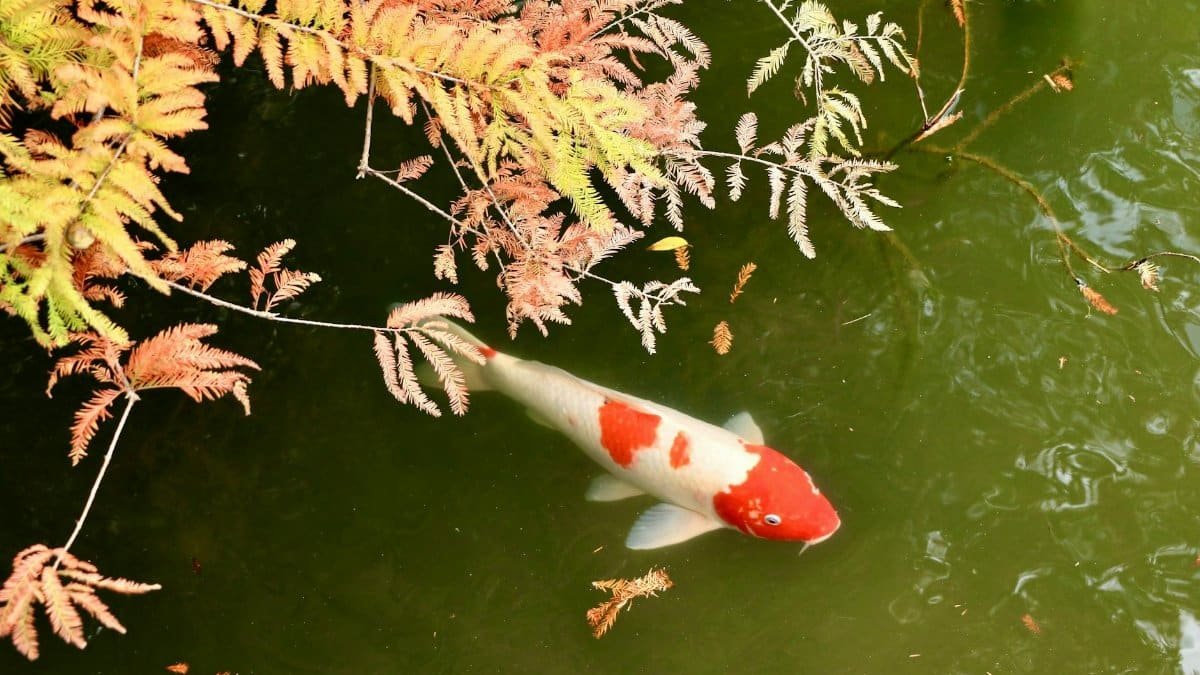
Watching fish glide through an aquarium isn’t passive entertainment; it’s tapping into their instinctive schooling patterns that mesmerize and soothe. In coastal Texas areas like Galveston, where the Gulf’s rhythms influence daily life, an aquarium setup mirrors that serene flow, aiding mental decompression. The repetitive motion reduces anxiety, as backed by findings in the National Institutes of Health on aquariums’ therapeutic effects. Envision a retiree in Corpus Christi gazing at her tetras after a stormy day; their synchronized swims quiet the mind’s chatter. This instinct for fluid movement provides a visual anchor, promoting focus and calm. A shared anecdote described how maintaining a fish tank turned evenings of restlessness into peaceful reflections, underscoring how even aquatic pets weave into Texas’s tapestry of mental well-being strategies.
6. Horses’ Empathetic Responses

Horses mirror emotions through their instincts, responding to human cues with a sensitivity that’s almost therapeutic. On Texas ranches, where equine therapy programs thrive, this mirroring helps process feelings. A horse might lower its head in sync with a rider’s tension, inviting release. Programs documented by the Professional Association of Therapeutic Horsemanship International show significant mental health benefits, including reduced PTSD symptoms. Picture a veteran in San Antonio grooming a mustang, feeling the animal’s calm seep in. It’s not magic—it’s evolution at work. One participant’s reflection captured it: the horse’s steady breath matched her own, easing buried grief. In a state with a strong equestrian heritage, these instincts foster profound emotional support, blending tradition with modern mental health needs.
7. Reptiles’ Steady Presence
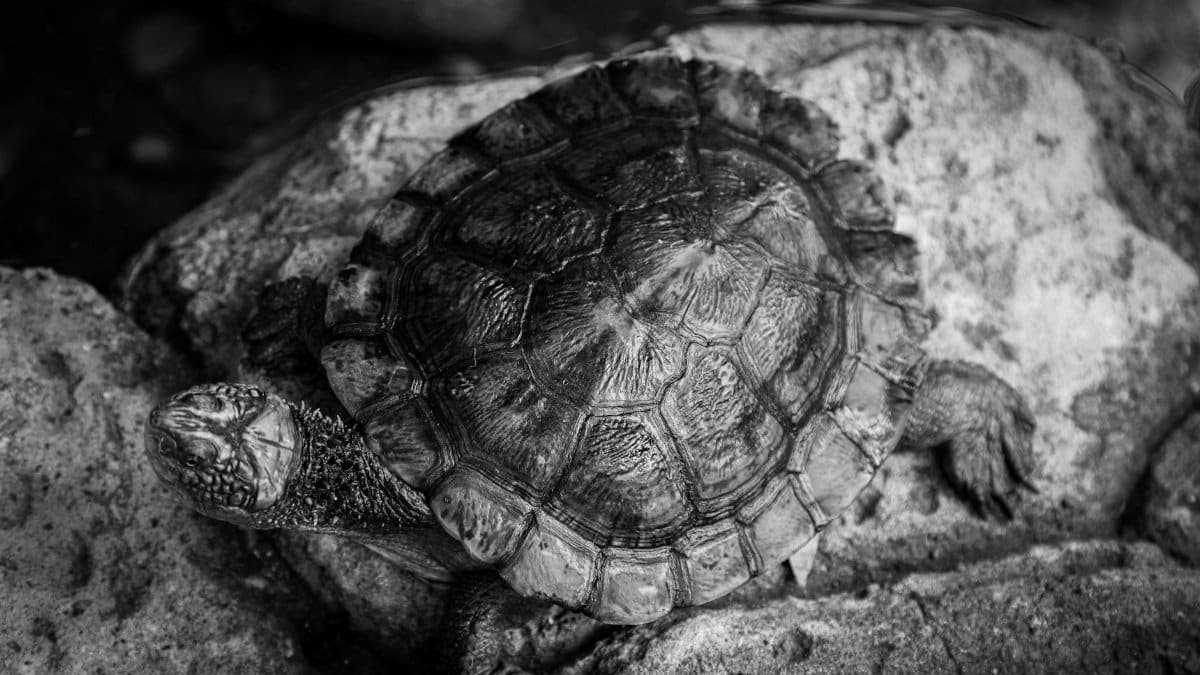
Reptiles like turtles or lizards offer a calm, unchanging presence, an instinct for stillness that counters our hectic paces. In arid West Texas, where the landscape echoes this quiet endurance, a pet turtle’s deliberate movements encourage patience. It’s a lesson in being, not doing. Research from the PLOS One journal explores how observing reptiles lowers stress markers. Imagine an El Paso artist watching her bearded dragon bask; that unhurried vibe inspires creative flow without pressure. This instinct for minimalism supports mental ease by modeling resilience. Stories circulate of how a simple terrarium setup helped someone navigate urban burnout, proving reptiles’ subtle role in Texas’s varied pet culture.
8. Small Rodents’ Playful Energy
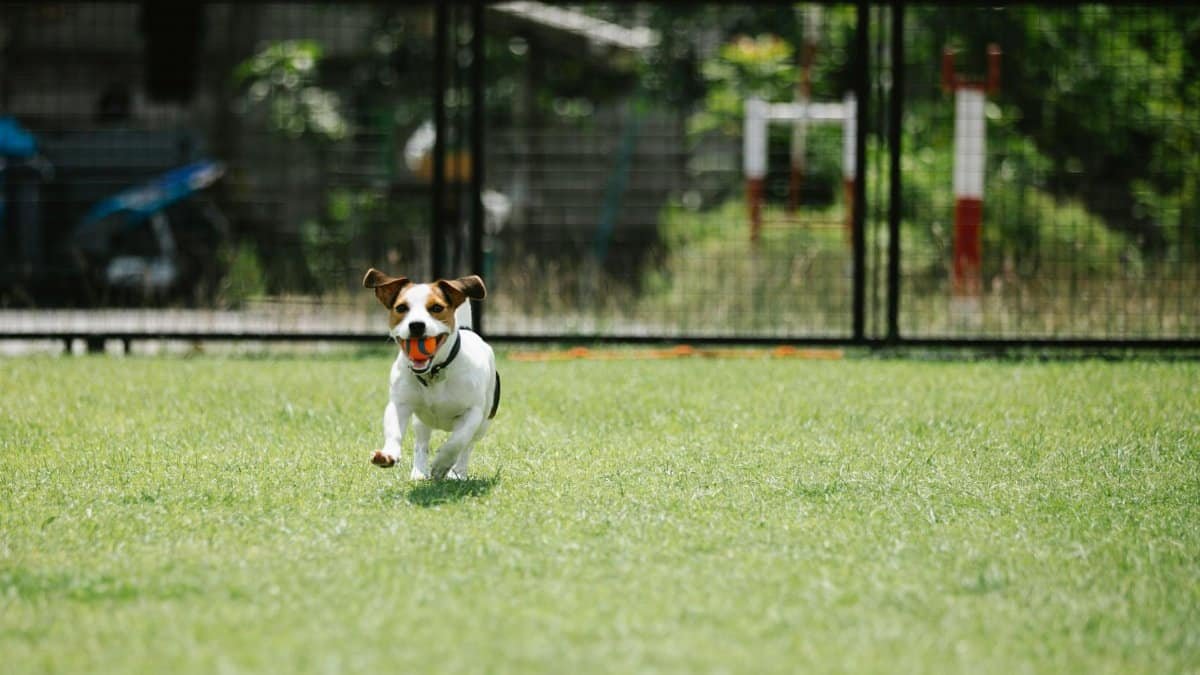
Guinea pigs and hamsters channel playful instincts through scampering and exploring, injecting lightheartedness into routines. In family-oriented Texas suburbs, these bursts of energy spark joy and laughter, key antidotes to mental strain. Their curiosity invites interaction without overwhelm. A report from the Humane Society of the United States details how such pets enhance mood via endorphin release. Envision kids in Amarillo giggling at a hamster’s wheel runs, pulling parents into the fun and easing daily pressures. This playful drive fosters bonding and positivity. An online share highlighted how a guinea pig’s antics lifted spirits during a family transition, illustrating how these instincts support mental resilience across Texas’s communities.
As 2025 unfolds with its mix of challenges and opportunities, these pet instincts remind us of the organic ways animals bolster our inner worlds. In Texas, from the Panhandle to the Rio Grande, they’re not just companions—they’re quiet architects of ease.