

In a state where the sun-kissed beaches and tech booms paint a picture of endless opportunity, what if the relentless pursuit of that California dream is quietly eroding our well-being? Amid the golden glow, hidden stress lurks, often disguised in everyday routines. A recent survey by the American Psychological Association found that 76 percent of adults report significant stress, with Californians facing amplified pressures from high living costs and natural disasters. These patterns, reveal, hidden tensions that many overlook until they bubble over. This piece uncovers eight such patterns, drawing from expert insights and real-life observations, to help readers spot and address them before they take a toll. By recognizing these cues, one might foster a steadier daily calm in the Golden State.
1. Erratic Sleep Cycles Amid Urban Hustle
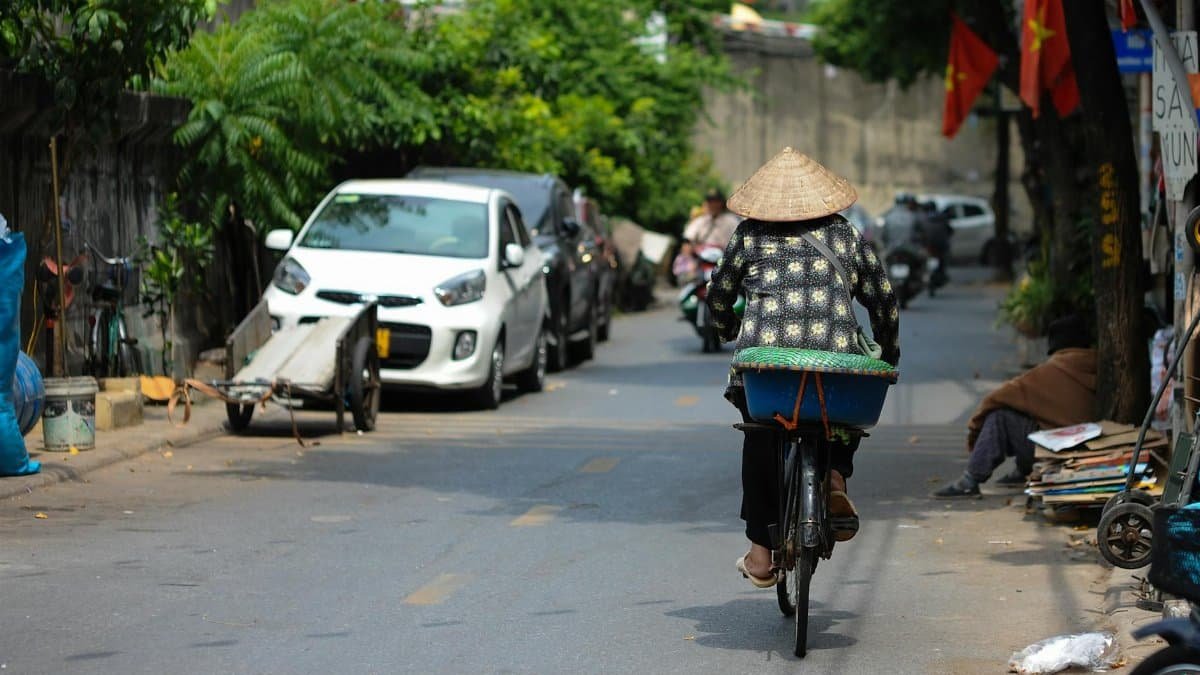
Californians often juggle demanding jobs in Silicon Valley or Hollywood, leading to sleep patterns that swing wildly. Someone might crash early one night after a long commute, only to stay up scrolling through work emails until dawn the next. This inconsistency signals deeper anxiety about performance and stability. Experts note that such disruptions link to chronic stress, exacerbating issues like irritability and poor focus.
Consider a tech worker in San Francisco who described her routine: she sets multiple alarms, yet wakes feeling exhausted, her mind racing with project deadlines. This mirrors broader trends where irregular rest stems from economic pressures. A study from the Centers for Disease Control and Prevention highlights how insufficient sleep affects one in three adults, with urban areas like California’s major cities showing higher rates.
Yet, it’s not just about hours logged; the quality suffers too. Light pollution from bustling streets interferes, and the constant buzz of notifications keeps the brain on alert. Addressing this starts with small rituals, like dimming screens an hour before bed, which can gradually realign these hidden stress indicators.
2. Overreliance on Quick Fixes Like Caffeine Bursts
Picture a line snaking out of a Los Angeles coffee shop at dawn, where bleary-eyed professionals grab triple espressos to power through. This pattern of leaning on stimulants to mask fatigue points to underlying stress from overloaded schedules. In California, where innovation never sleeps, such habits become normalized, but they often hide exhaustion from perpetual deadlines.
One anonymous account shared online captured it vividly: after pulling all-nighters for a startup pitch, the individual relied on energy drinks, only to crash hard later, feeling more anxious than ever. This cycle reflects a statewide issue, as data from the National Institutes of Health indicates that chronic stress contributes to unhealthy coping mechanisms, including excessive caffeine intake.
Shifting away involves mindfulness practices, perhaps swapping that afternoon latte for a short walk along the coast. Over time, this reveals how these quick fixes were merely band-aids over deeper emotional strains tied to the state’s competitive edge.
3. Social Withdrawal in Crowded Social Scenes
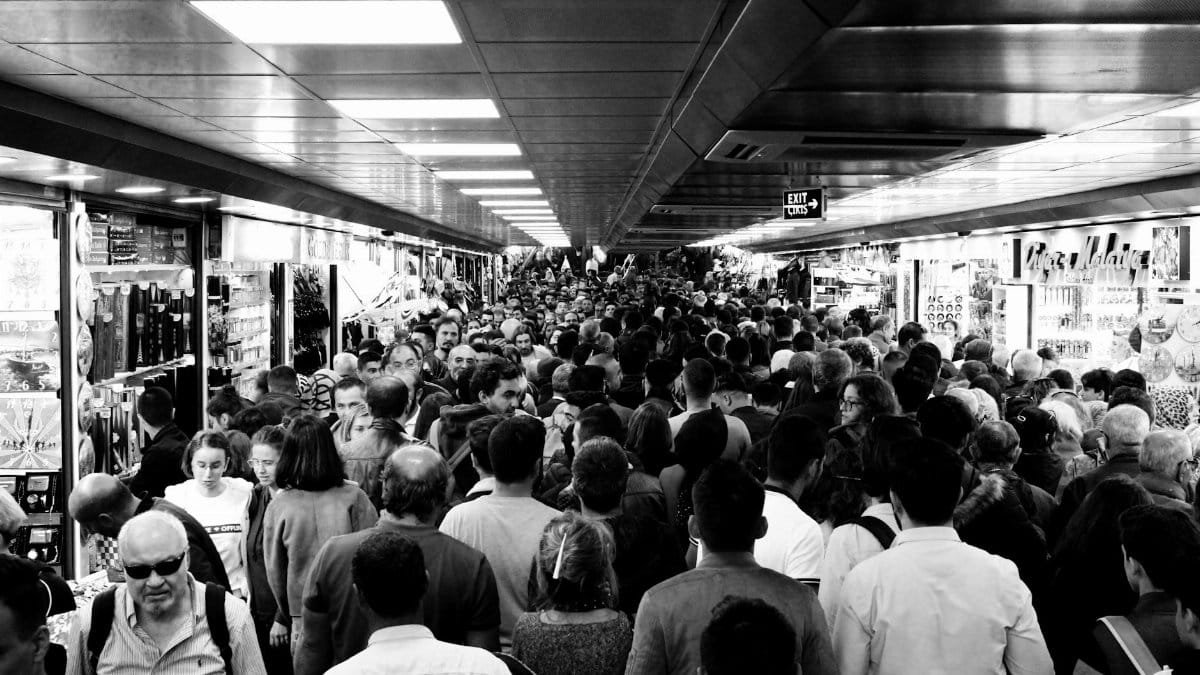
Even in vibrant spots like San Diego’s Gaslamp Quarter, some Californians pull back from gatherings, opting for solitary evenings instead. This retreat often masks stress from social comparisons amplified by Instagram feeds showcasing perfect lives. It’s a subtle shift, where invitations get declined under the guise of busyness.
Delving deeper, therapists observe that wildfires and economic volatility heighten isolation. A report by Pew Research Center shows that 41 percent of adults felt more alone during recent years, with California’s diverse yet fragmented communities intensifying this.
One might notice a friend who used to thrive at beach barbecues now excuses themselves early, their laughter forced. Encouraging open conversations can illuminate these hidden patterns, fostering connections that counteract the solitude bred by stress.
4. Compulsive Checking of News and Alerts

With earthquakes, wildfires, and political upheavals, many in California find themselves glued to apps for updates, a habit that betrays anxiety about uncertainty. This constant vigilance keeps adrenaline high, even on calm days, as notifications ping relentlessly.
Imagine a Sacramento resident refreshing feeds during lunch, heart racing at every headline. Such behavior aligns with findings from the American Psychological Association’s Stress in America surveys, which in 2025 report elevated stress levels tied to environmental and social instability in the state.
Breaking free might mean setting boundaries, like designated times for news intake. This not only reduces overwhelm but also uncovers how these patterns were silently fueling a cycle of worry.
5. Physical Tension in Leisure Activities

Yoga classes in Malibu promise relaxation, yet participants often hold tension in their shoulders, a physical echo of hidden stress. This manifests as clenched jaws during what should be downtime, revealing unresolved pressures from daily life.
Anecdotes from wellness retreats describe attendees who arrive frazzled from LA traffic, their bodies rigid despite serene surroundings. Research from the University of California supports this, linking chronic stress to musculoskeletal issues in high-pressure regions.
To counter it, incorporating breathwork can help release these knots, showing how bodily cues often speak louder than words about inner turmoil.
6. Fluctuating Appetites Tied to Mood Swings
In California’s farm-to-table culture, skipping meals or bingeing on comfort foods can signal emotional unrest. Stress might suppress hunger one day, only to trigger overeating the next, especially amid the state’s fast-paced lifestyle.
One public reflection online noted a pattern of grabbing fast food after stressful meetings, later regretting the choice amid guilt. The Harvard T.H. Chan School of Public Health explains how cortisol spikes disrupt eating habits, prevalent in areas with high living costs like the Bay Area.
Mindful eating practices, such as savoring local produce, can stabilize these swings, peeling back layers of hidden anxiety.
7. Avoidance of Nature Despite Abundant Access

California boasts stunning parks and trails, yet stressed individuals might bypass them for indoor routines, a sign of burnout that keeps them disconnected. This avoidance hints at overwhelm, where even restorative outings feel like another task.
Think of a hiker who once loved Yosemite but now sticks to urban gyms, citing time constraints. Studies from the USDA Forest Service emphasize nature’s role in stress reduction, yet urban Californians often miss out due to work demands.
Reintegrating short hikes can revive this connection, exposing how isolation from the outdoors amplified underlying stress.
8. Heightened Irritability in Daily Interactions

From road rage on the 405 freeway to sharp exchanges at farmers’ markets, small frustrations erupt more readily, unveiling pent-up stress. In a state of constant motion, these outbursts reflect broader tensions like housing shortages and climate concerns.
A commuter might snap at a barista over a minor delay, later recognizing it as spillover from job insecurity. The APA’s 2025 data underscores this, with interpersonal conflicts rising in stressed populations.
Cultivating patience through meditation apps or therapy can temper these reactions, ultimately revealing pathways to greater calm amid California’s dynamic landscape.