

A recent study from the Pew Research Center shows that nearly 60 percent of Americans report feeling more stressed in 2025 than a decade ago, amid rising work demands and digital overload. Yet, amid this tension, a simple antidote emerges from the outdoors. Researchers at the University of Michigan found that just 20 minutes in green spaces can lower cortisol levels significantly. This points to nature behaviors that encourage calm, subtle actions drawing from the environment to soothe the nervous system. These aren’t grand adventures but everyday habits, like pausing to watch leaves rustle or breathing in fresh air. For middle-aged adults juggling careers and family, such practices offer accessible relief. They tap into an innate human connection to the wild, fostering ease without much effort. As urban life intensifies, these behaviors remind us that tranquility often lies just beyond the doorstep.
1. Forest Bathing for Mindful Immersion
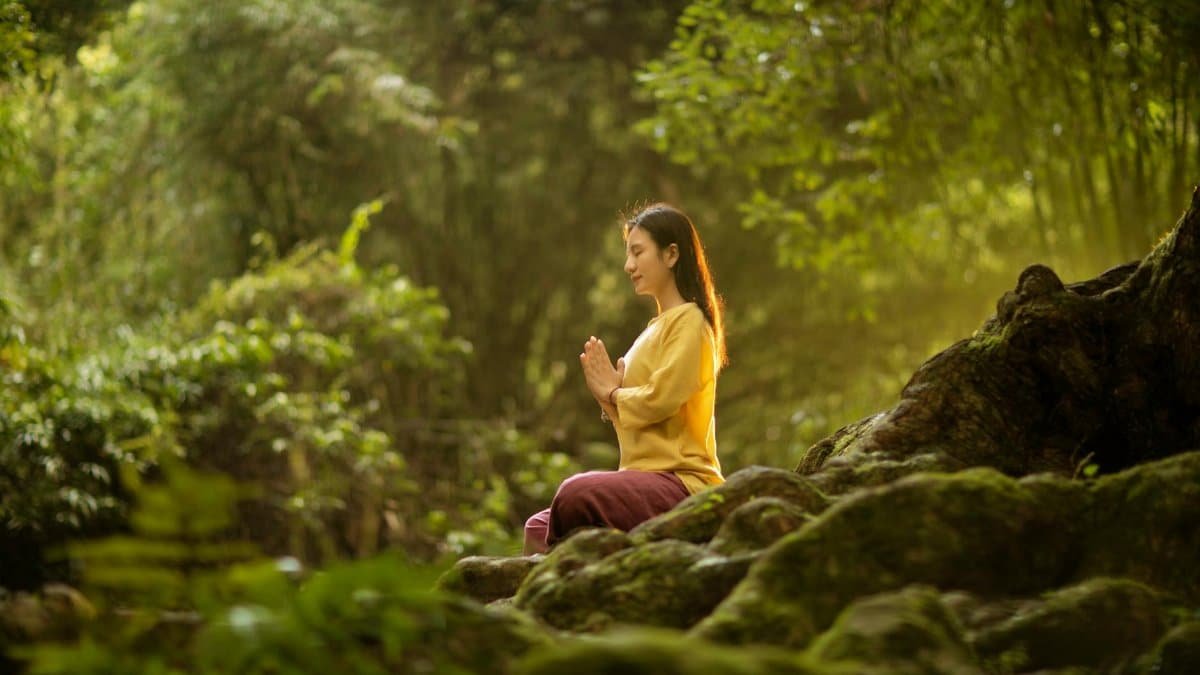
Step into a wooded area and let the senses take over. This Japanese practice, known as shinrin-yoku, involves wandering slowly among trees, absorbing sights, sounds, and scents. It’s not about hiking with purpose but lingering in the moment. Picture a busy parent in Seattle, after a long day at the office, slipping into a nearby park. The crunch of leaves underfoot, the whisper of wind through branches, it all works to dial down anxiety. Studies back this up. Research from the National Institutes of Health indicates that forest bathing reduces blood pressure and boosts mood-regulating hormones. One participant in a trial described it as “washing away the mental clutter.” For those in bustling cities, even a small grove can serve as a reset button. It’s a reminder that calm doesn’t require escape; it blooms from presence amid greenery.
Yet, not everyone finds it easy at first. Distractions pull attention away. Start small, maybe with a 10-minute stroll. Over time, the habit builds resilience against daily stressors. In 2025, with remote work blurring boundaries, such immersion offers a boundary of its own, a space where worries fade into the foliage.
2. Birdwatching to Tune into Rhythms

Ever noticed how a robin’s call can cut through morning chaos? Birdwatching invites that focus, encouraging observers to attune to avian patterns. It’s less about spotting rare species and more about the quiet vigilance it demands. In suburban backyards across the Midwest, people set up feeders and wait. One anonymous account shared online recently captured the shift: feeling overwhelmed by news feeds, they turned to watching finches flit about, finding a steadying pulse in their movements. This aligns with findings from the Cornell Lab of Ornithology, where data shows birdwatching enhances attention and reduces rumination.
The beauty lies in its accessibility. No fancy gear needed, just binoculars or even bare eyes. As seasons change, so do the visitors, mirroring life’s ebbs and flows. For middle-aged folks navigating midlife transitions, this behavior fosters patience and wonder, subtly encouraging calm through observation rather than action.
3. Gardening as Grounding Ritual

Digging into soil, planting seeds, tending growth, these acts root us literally and figuratively. Gardening channels energy into nurturing, diverting from internal turmoil. Consider a retiree in Florida, hands deep in earth, coaxing tomatoes from vines. What starts as a chore evolves into meditation, with each weed pulled releasing pent-up tension. A study by the American Horticultural Therapy Association links gardening to lowered stress markers, emphasizing its therapeutic role.
Challenges arise, like pests or poor weather, yet they teach acceptance. In 2025’s unpredictable climate, this resilience translates to broader life skills. It’s not flawless; plants die, plans falter. But therein lies the calm, in embracing impermanence through hands-on care.
4. Sunset Gazing for Evening Reflection
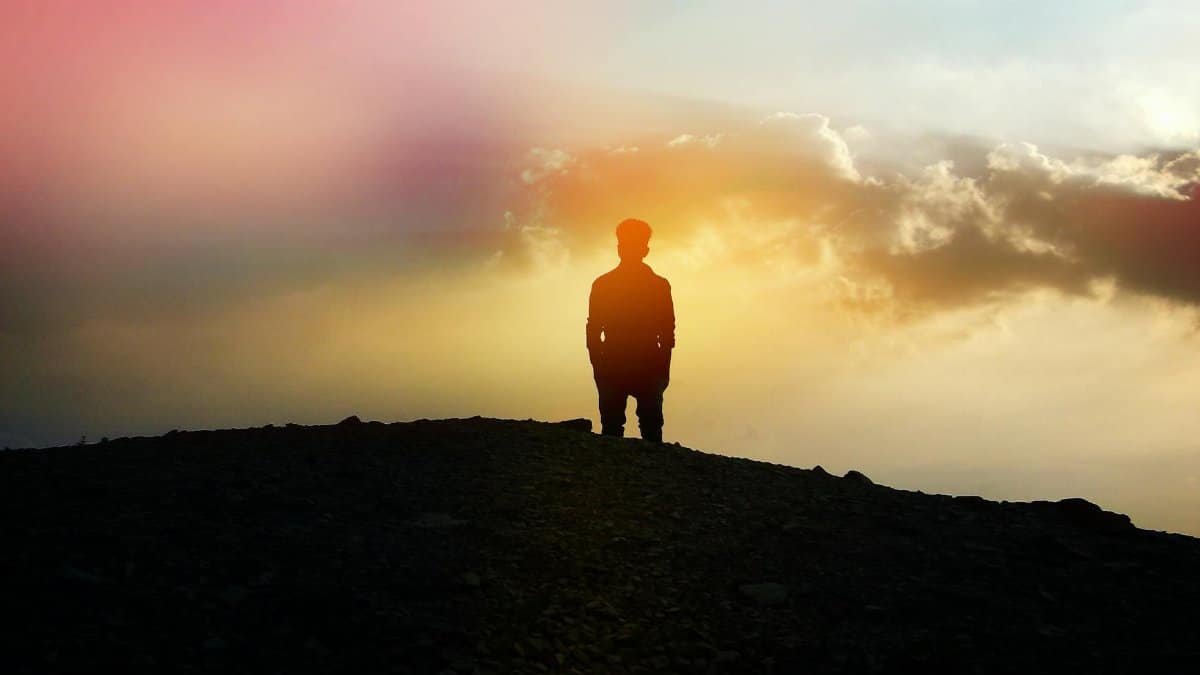
As the sun dips below the horizon, colors streak the sky, inviting pause. This daily spectacle prompts reflection without forcing it. In coastal towns like those along California’s shore, locals gather on beaches, conversations hushed by the display. It’s a communal unwind, yet deeply personal. Research from the University of California, Berkeley highlights how awe-inspiring views like sunsets activate the parasympathetic nervous system, promoting relaxation.
One might start skeptical, dismissing it as passive. But sit through a few, and patterns emerge: thoughts slow, breaths deepen. For those with packed schedules, it’s a low-commitment entry to nature’s calm, bridging day to night with gentle encouragement.
5. Stream Listening to Soothe the Senses
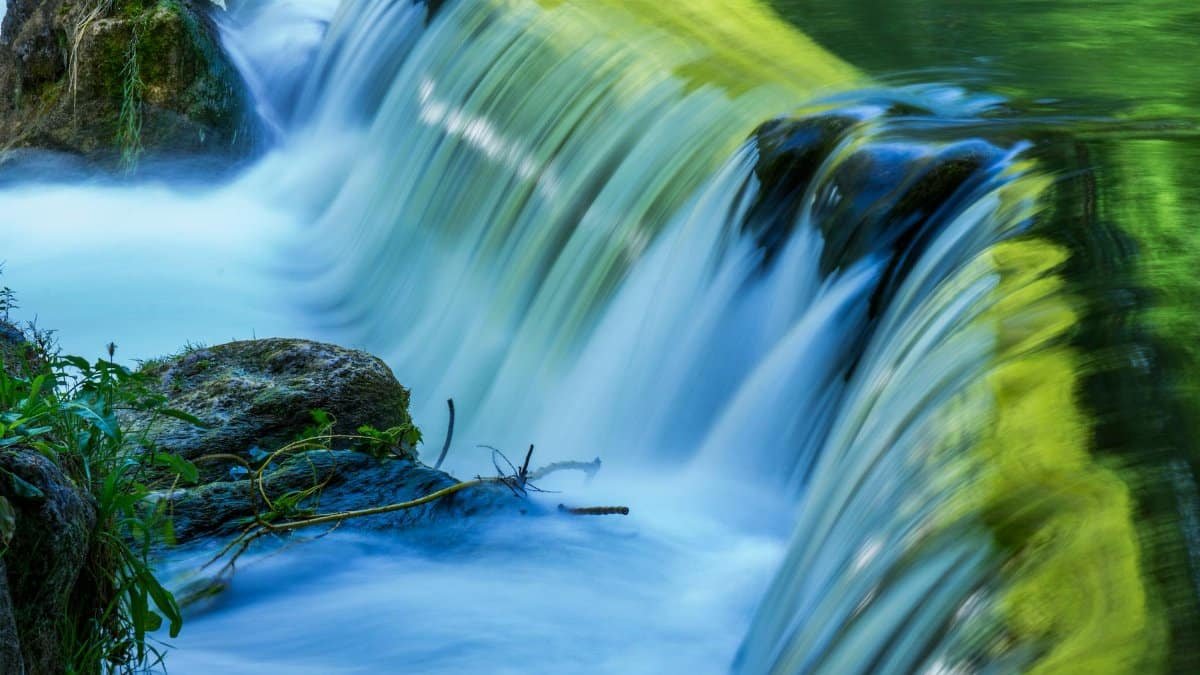
The babble of a brook or rush of a river provides an auditory balm. Sitting by water, ears attuned to its flow, drowns out mental noise. Imagine a hiker in the Appalachians, perched on a rock, letting the current’s murmur wash over them. This isn’t mere background sound; it’s active engagement, syncing breath to the water’s rhythm. Findings from the Environmental Protection Agency underscore how natural sounds reduce physiological stress, supporting ecosystem health alongside human well-being.
Urban dwellers adapt with recordings or fountains, but nothing matches the real thing. In an era of constant notifications, this behavior carves out sonic sanctuary, encouraging calm through immersion in nature’s soundtrack.
6. Barefoot Walking on Grass

Kicking off shoes to feel earth beneath feet reconnects body to ground. Known as earthing, it involves direct contact with soil or grass, purportedly balancing electrical charges. A group in a New York park tries it during lunch breaks, toes sinking into dew-kissed turf. Laughter ensues at first, then quiet settles. A review in the Journal of Environmental and Public Health explores its benefits, noting potential reductions in inflammation and improved sleep.
Skeptics question the science, yet the sensory joy is undeniable. It counters the insulation of modern life, literally grounding amid chaos. For middle-aged readers facing health niggles, it’s a simple, encouraging step toward calm.
7. Cloud Watching for Creative Drift

Lying back, eyes skyward, tracing shapes in clouds sparks idle imagination. This unstructured time counters productivity obsessions. In open fields of the Great Plains, families sprawl out, pointing to fleeting forms. It fosters creativity without pressure, as one cloud morphs into another. Psychological insights from the American Psychological Association link such downtime to enhanced problem-solving and reduced burnout.
Not every session yields epiphanies; sometimes it’s just rest. But in 2025, with mental health discussions amplifying, this behavior encourages calm by allowing minds to wander freely, untethered from demands.
8. Herbal Foraging with Intentional Harvest

Seeking out wild edibles or herbs, like mint or dandelion, combines movement with mindfulness. It’s about respectful gathering, attuning to plant life cycles. A forager in Oregon describes the thrill of spotting edible greens, hands gently plucking. This ties into broader wellness trends, with the National Center for Complementary and Integrative Health reporting on herbalism’s role in stress management.
Risks exist, like misidentification, so education matters. Yet, the process builds connection, turning a walk into purposeful exploration. It encourages calm by blending curiosity with caution, reminding us of nature’s generous, if subtle, offerings.
These nature behaviors that encourage calm weave into daily routines, offering middle-aged Americans tools for navigating 2025’s pressures. From forests to backyards, they highlight how small shifts yield profound ease. Embracing them isn’t about perfection but persistence, fostering a quieter inner world amid the noise.