
A recent study from the National Institutes of Health revealed that nearly 40% of Americans report using natural remedies for stress relief, up from just 25% a decade ago. This surge points to a growing distrust of synthetic options amid rising anxiety levels. In bustling cities like New York or Los Angeles, people turn to simple, plant-based aids to unwind after long days. The appeal lies in their gentle approach. Exploring natural ingredients that improve relaxation offers a timely lens on this trend. These elements, drawn from herbs and botanicals, promise calm without harsh side effects. As we navigate 2025’s fast pace, understanding them could shift how we manage daily tensions.
1. Lavender
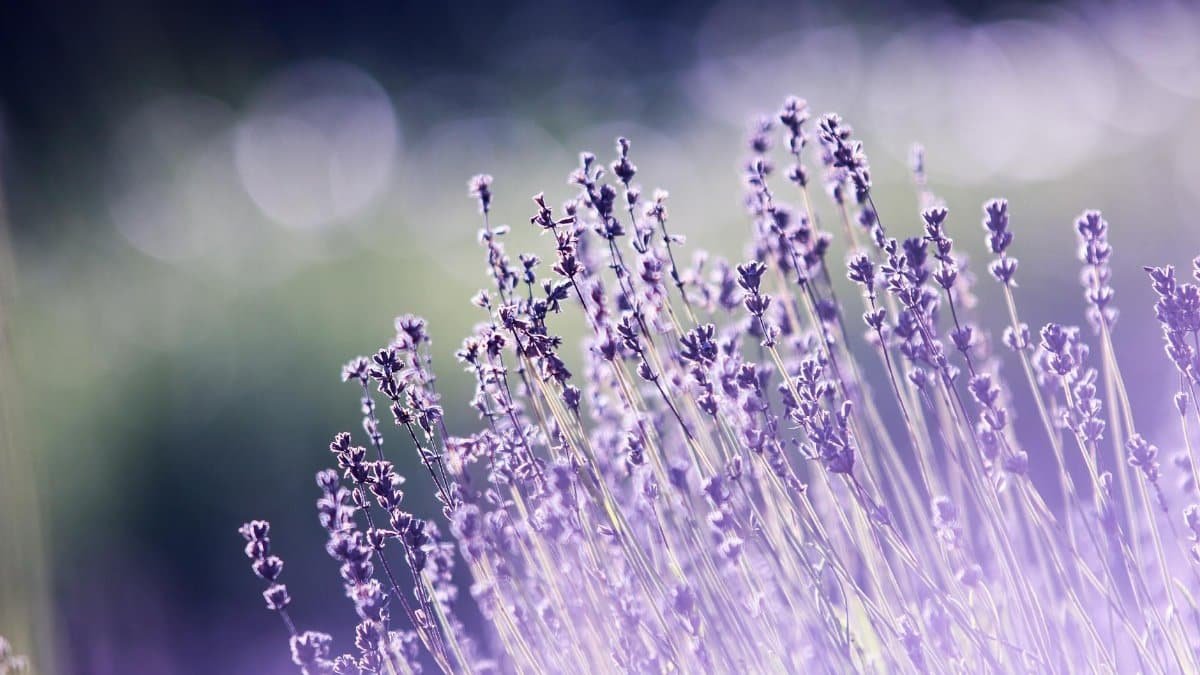
Lavender stands out for its soothing aroma, often evoking fields in Provence. Research shows it reduces anxiety by interacting with brain receptors. One study linked lavender oil inhalation to lower cortisol levels. People brew it into teas or use essential oils in baths. Imagine a harried parent diffusing lavender at bedtime; the scent eases the mind’s chatter. Yet, not everyone responds the same. Some find it too floral, preferring subtler blends. Still, its versatility shines in lotions or pillows. For those seeking natural ingredients to improve calm, lavender provides an accessible start. A quick spritz can transform a stressful evening.
Delving deeper, lavender’s history ties back to ancient Romans, who used it for relaxation. Modern science backs this up. A trial from the University of Maryland Medical Center found it effective for mild insomnia. Participants reported better sleep quality after using lavender sachets. This isn’t just folklore. In online discussions, one anonymous user shared feeling “wrapped in a gentle hug” after adding lavender to their routine, highlighting its emotional pull. But caution matters; excessive use might cause skin irritation. Balance is key here.
Pairing lavender with mindfulness amplifies effects. Think of it as a bridge to deeper rest. As trends evolve in 2025, more wellness apps incorporate lavender-guided meditations. This fusion of old and new underscores its enduring role.
2. Chamomile

Chamomile whispers of quiet evenings with a warm mug in hand. This daisy-like flower contains apigenin, an antioxidant that binds to brain sites promoting drowsiness. It’s no wonder herbal teas feature it prominently. Studies indicate chamomile eases generalized anxiety disorder symptoms. One group sipped chamomile extract daily and noted improved mood. The ritual itself calms – steeping the flowers, inhaling the steam. For someone juggling work deadlines, this pause becomes a sanctuary.
But chamomile isn’t one-size-fits-all. Allergies to ragweed can trigger reactions. Alternatives exist, yet its mild flavor appeals broadly. In a reported anecdote, a teacher described chamomile tea as her “secret weapon” against end-of-day jitters, turning chaos into composure. Science supports this; a study in the Journal of Clinical Psychopharmacology confirmed its anxiolytic properties. Exploring natural ingredients that improve relaxation often leads back to such timeless herbs.
The plant’s cultivation in U.S. gardens adds a local touch. Homegrown chamomile empowers individuals, fostering self-reliance in wellness.
3. Valerian Root
What draws people to valerian root? Its earthy scent and potent effects on sleep. This herb increases GABA levels, a neurotransmitter that quiets the nervous system. Europeans have used it for centuries; now, Americans embrace it for insomnia. Capsules or tinctures deliver the benefits without the taste. Picture a restless sleeper finally drifting off after a dose – the relief is palpable.
Challenges arise with its strong odor, often compared to dirty socks. Mixing with honey helps. A National Center for Complementary and Integrative Health overview notes mixed evidence, but many users swear by it. One public account online detailed a shift from pharmaceuticals to valerian, describing nights of unbroken rest. This reflects a broader move toward natural ingredients that improve well-being.
In 2025, with sleep tech booming, valerian complements devices like wearables, tracking improved patterns. It’s a nod to blending tradition with innovation.
4. Ashwagandha

Ashwagandha, an adaptogen from Ayurvedic traditions, adapts to the body’s needs. It lowers stress hormones, fostering resilience. Athletes and executives alike turn to it for sustained calm. Supplements come in powders or pills, easily added to smoothies. The root’s bitter edge fades in recipes.
Evidence mounts: A randomized trial showed reduced anxiety scores after eight weeks. Participants felt more centered. Yet, interactions with medications warrant checks. An anonymized story from wellness circles recounted a professional reclaiming focus through ashwagandha, turning overwhelm into clarity. This herb exemplifies natural ingredients that improve mental fortitude.
As U.S. interest grows, farms in California cultivate it locally. A review in the African Journal of Traditional, Complementary and Alternative Medicines highlights its cortisol-lowering prowess. It’s not magic, but a steady ally.
5. Lemon Balm

Lemon balm brings a citrusy brightness to relaxation efforts. Part of the mint family, it calms nerves and aids digestion. Infusions or extracts work wonders for mild stress. Gardeners love its easy growth, yielding fresh leaves year-round.
Starting with a question: How does it soothe? By modulating mood-regulating enzymes. A study found it effective for restlessness in children and adults. One snapshot: A busy mom steeps lemon balm during family dinners, easing collective tensions. Side effects are rare, making it approachable.
Online sentiments echo this; someone shared anonymously how it “lifted the fog” of daily worries. For natural ingredients that improve relaxation, lemon balm offers a refreshing twist. Research from Nutrients journal supports its cognitive benefits.
6. Passionflower
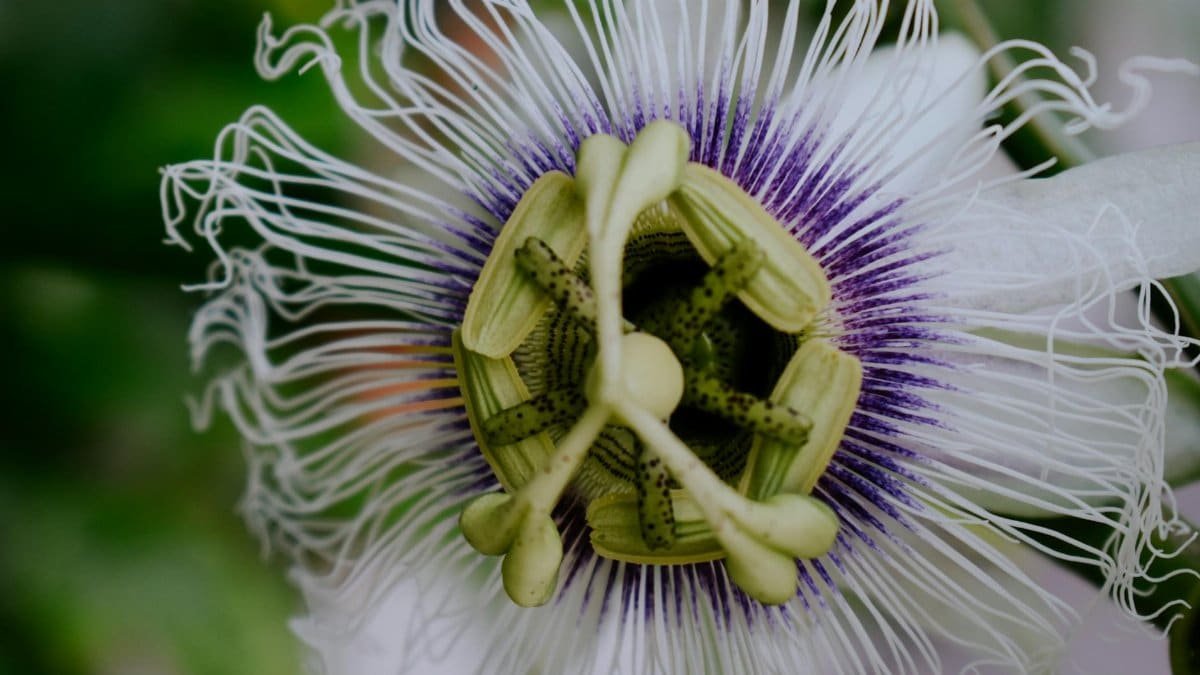
Passionflower’s intricate blooms hide powerful calming agents. Native to the Americas, it boosts GABA, similar to valerian. Teas or supplements target anxiety without drowsiness. Indigenous uses date back, now validated by science.
A clinical trial demonstrated its equivalence to some anti-anxiety meds. Users report a gentle unwind. But over-reliance isn’t advised. In a brief tale, a traveler used passionflower tincture to combat jet lag, arriving refreshed. This illustrates its portability.
With 2025’s travel rebound, such aids gain traction. Exploring natural ingredients that improve adaptability, passionflower stands resilient.
7. Holy Basil

Holy basil, or tulsi, carries sacred connotations in India, but its stress-busting qualities appeal universally. It balances cortisol and enhances mood. Brewed as tea, it warms from within.
Studies link it to reduced psychological stress. One group experienced better coping after regular intake. The aroma alone invigorates. A wellness enthusiast might describe it as “nature’s shield” against burnout. Potential for thyroid interactions exists, so moderation rules.
In U.S. markets, tulsi teas proliferate. It embodies natural ingredients that improve holistic health.
8. Peppermint
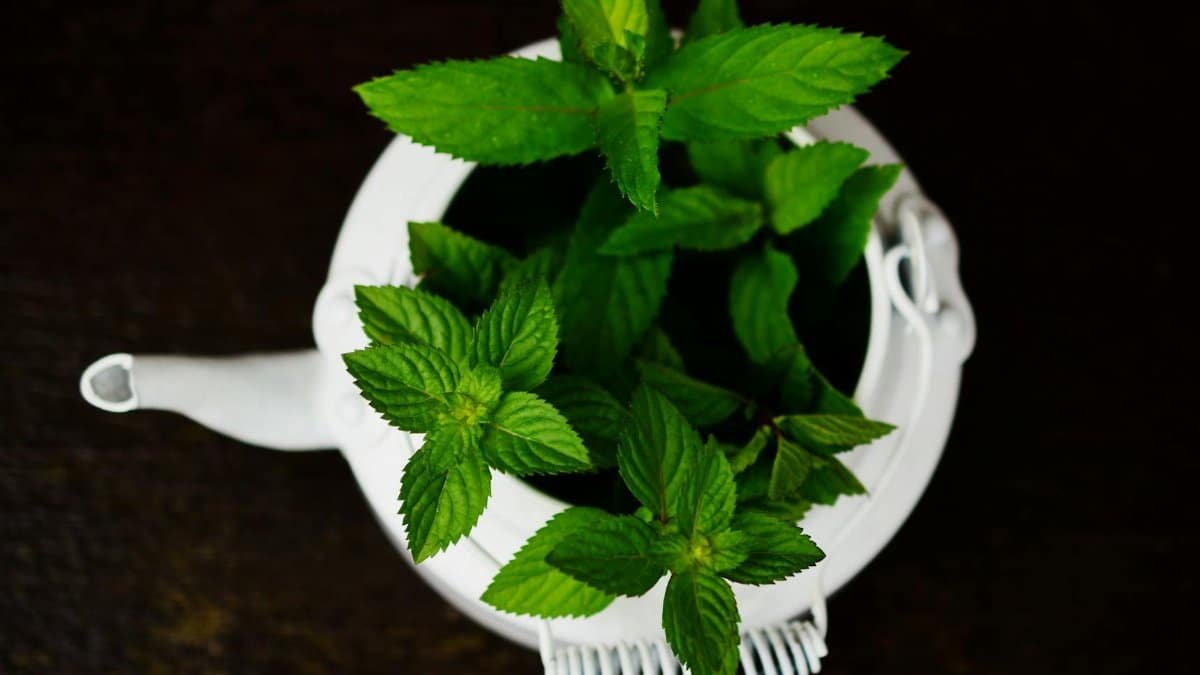
Peppermint rounds out the list with its invigorating yet calming profile. Menthol relaxes muscles, easing tension headaches. Inhaled or ingested, it promotes mental clarity.
Research shows it aids IBS-related stress. A cup after meals soothes. Imagine a desk worker rubbing peppermint oil on temples during crunch time – focus returns. Allergic reactions are uncommon.
As a final note, peppermint’s accessibility makes it ideal for beginners. It ties into broader trends of natural ingredients that improve everyday serenity in 2025. A NCCIH summary details its therapeutic uses, reinforcing its place.