

Every morning, millions of Americans jolt awake to the blare of alarms, already racing toward a day packed with deadlines and distractions. A recent survey by the American Psychological Association found that 77 percent of adults regularly experience physical symptoms of stress upon waking. Yet amid this frenzy, a simple practice known as morning grounding is gaining traction among wellness experts and everyday people alike. These brief rituals, often lasting less than five minutes, anchor the mind and body in the present moment, fostering calm before the chaos begins. Drawing from mindfulness traditions and modern psychology, morning grounding techniques require no apps, gear or prior experience. What follows are eight proven methods to start your day centered and resilient.
The Power of 4-7-8 Breathing

One of the most accessible entry points into morning grounding is the 4-7-8 breathing technique, popularized by Dr. Andrew Weil. Still lying in bed or seated on its edge, inhale quietly through the nose for a count of four. Hold that breath for seven counts, then exhale completely through the mouth for eight counts, making a whooshing sound. Repeat four times. This pattern activates the parasympathetic nervous system, slowing heart rate and quieting racing thoughts almost instantly. Studies from Harvard Medical School, including research published in the Journal of Alternative and Complementary Medicine (link), show it reduces anxiety by up to 40 percent in minutes. For busy parents or executives, it is a stealthy reset that fits any routine.
Sensing the Room: The 5-4-3-2-1 Method

Grounding through the senses pulls attention away from mental chatter and into the immediate environment. The 5-4-3-2-1 technique works like this: Name five things you see, four you can touch, three you hear, two you smell and one you taste. Do it with eyes open, scanning your bedroom. Developed by therapists for panic management, it interrupts the fight-or-flight response by engaging multiple brain regions. A 2019 study in the Journal of Clinical Psychology (link) confirmed its efficacy for acute stress. In the morning haze, this exercise sharpens focus, transforming grogginess into gentle awareness without forcing positivity.
A Quick Body Scan for Tension Release

Lie flat and mentally sweep from toes to head, noticing tightness without judgment. Spend 30 seconds per major area: feet, legs, abdomen, chest, arms, neck, face. Tense and release each subtly if needed. This body scan, rooted in mindfulness-based stress reduction programs, recalibrates the nervous system. Research from the University of Massachusetts Medical School, where the practice originated, demonstrates it lowers cortisol levels significantly (link). Morning grounding via body awareness is especially valuable for those carrying overnight worries in their muscles, offering relief before coffee even brews.
Gratitude in Three Breaths

Shift perspective with a micro-gratitude practice: Inhale and think of one thing your body does well, exhale thanks. Repeat for your home and a loved one. No journaling required, just silent acknowledgment. Positive psychology pioneer Martin Seligman has shown such habits build emotional resilience; a Penn State study linked brief morning gratitude to 25 percent better mood regulation throughout the day (link). This grounding technique counters the brains negativity bias, setting a tone of abundance amid daily pressures.
Barefoot Grounding on the Floor
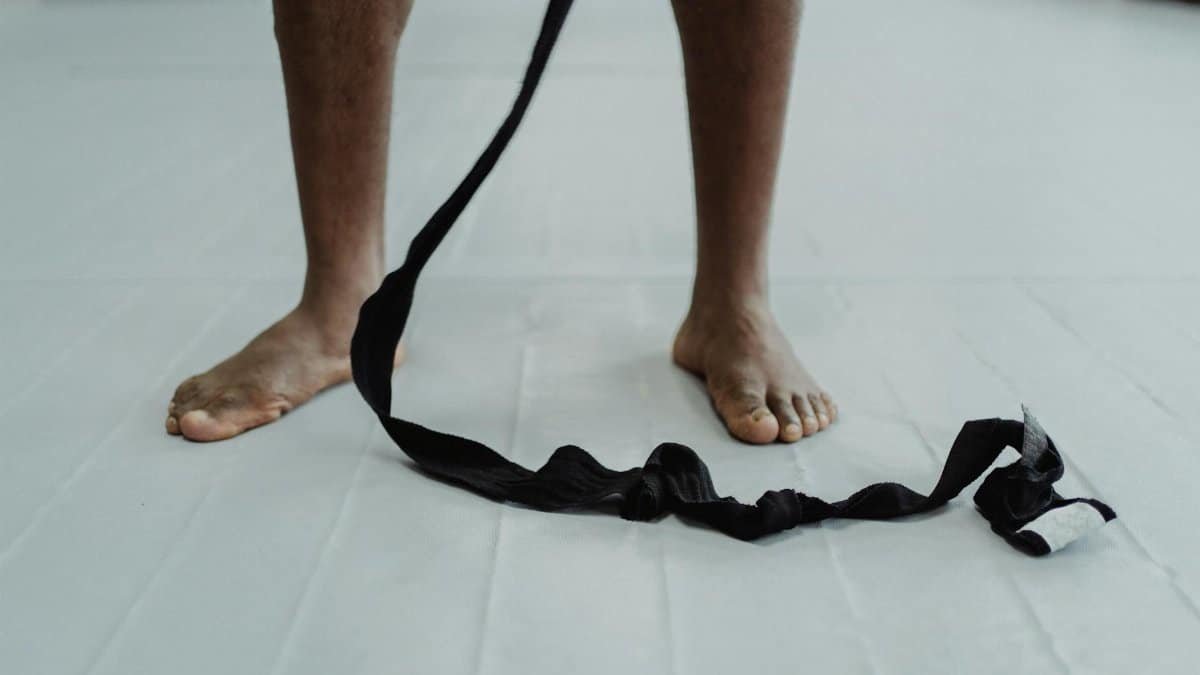
Step out of bed and stand barefoot, pressing feet firmly into the floor or carpet. Wiggle toes, feeling weight distribute evenly. Roll gently from heels to balls. Known as earthing in some circles, this reconnects with physical stability. A small Journal of Environmental and Public Health study found skin-to-surface contact reduces inflammation markers (link). For urban dwellers far from nature, morning grounding through the floor evokes solidity, countering the disorientation of sleep inertia in under two minutes.
Mindful Sips of Water

Keep a glass by the bed and upon waking, sip slowly, savoring temperature and texture as it travels down. Swallow mindfully five times. Hydration alone boosts cognition, but presence amplifies it. Neuroscientists note this engages the vagus nerve, promoting calm. A simple trial in Frontiers in Psychology highlighted mindful hydration improving alertness (link). As morning grounding, it honors the bodys first need, blending necessity with intention for a hydrated, awake start.
Affirmations Tied to Breath

Pair a single phrase like “I am here now” with inhales and exhales, repeating four times. Speak softly or think it. Customize to your needs, avoiding vague platitudes. Cognitive behavioral therapy endorses this for rewiring thought patterns; a meta-analysis in Health Psychology Review found affirmations buffer stress effectively (link). In mornings rushed by emails and kids, this grounding anchors identity before external demands erode it.
Gentle Twists for Spinal Awakening

Sit tall and twist torso left then right, hands on opposite knees, holding five breaths each side. Add neck tilts. This releases stored tension without strain. Yoga research from the International Journal of Yoga shows morning twists enhance proprioception and mood (link). As a final morning grounding layer, it prepares the spine for upright living, blending movement with presence for sustained energy.
Incorporating even one of these morning grounding techniques can reshape how the day unfolds. Therapists and coaches report clients who adopt them experience fewer mid-morning slumps and sharper decision-making. No need for retreats or gurus, these practices democratize calm. Experiment over a week, noting what resonates. In an era of perpetual motion, reclaiming the first moments offers profound returns, one breath at a time.
By Chris F. Weber