
In a nation where stress seems baked into daily life, a startling fact emerges from recent research. According to a 2023 survey by the American Psychological Association, nearly 77 percent of adults report experiencing physical symptoms tied to tension, from headaches to insomnia. That’s a jump from previous years, signaling a widespread need for relief. Enter the world of natural ingredients that calm the nervous system. These aren’t miracle cures, but science-backed options that many turn to for easing anxiety and promoting rest. As we navigate 2025’s fast pace, understanding these elements could offer a gentle path to better balance. This piece explores eight such ingredients, drawing on studies and real-world insights to show how they might fit into everyday routines.
1. Magnesium: The Mineral That Eases Tension

Magnesium often flies under the radar, yet it plays a starring role in regulating neurotransmitters. Think of it as a quiet guardian against the jitters. In one study, participants with low magnesium levels reported higher anxiety, but supplementing helped dial it down. A woman in her forties, juggling work and family, once shared anonymously online how adding magnesium-rich foods like spinach transformed her evenings. No more racing thoughts before bed. She described it as flipping a switch, turning chaos into calm.
Research backs this up. The National Institutes of Health notes magnesium’s involvement in over 300 biochemical reactions, including those that support nerve function. For those deficient—a common issue in processed-food-heavy diets—supplements can make a difference. But it’s not just about pills. Incorporating almonds or dark chocolate provides a tasty boost. Still, moderation matters; too much can upset the stomach. As trends in 2025 lean toward holistic wellness, magnesium stands out for its accessibility. Experts recommend consulting a doctor, especially if on medications, to avoid interactions.
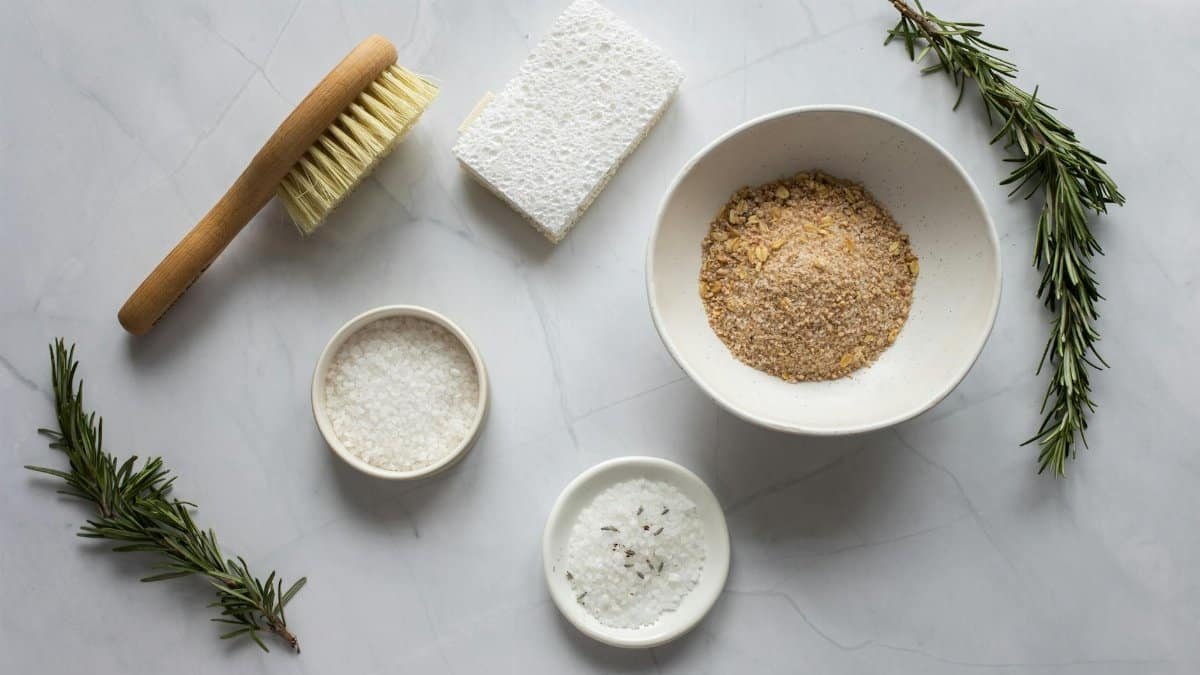
Delving deeper, consider how urban lifestyles strip away this mineral. Soil depletion means even veggies pack less punch than decades ago. That’s why some turn to epsom salt baths, absorbing it through the skin. It’s a simple ritual, one that evokes spa-like serenity at home. Yet, not everyone responds the same. Variations in absorption highlight the need for personalized approaches. Overall, magnesium offers a foundational way to soothe the nervous system without overwhelming changes.
2. Chamomile: Nature’s Gentle Sedative

Picture a steaming cup on a chilly evening, steam curling up like a soft invitation to unwind. Chamomile has long been that go-to herb for calming frayed nerves. Its apigenin compound binds to brain receptors, mimicking the effects of anti-anxiety meds but without the haze. A randomized trial showed participants sleeping better after chamomile tea, with reduced wakefulness during the night.
This isn’t new lore. Ancient Egyptians revered it, and today, it’s a staple in American households. One anonymous forum post captured the essence: a stressed parent recounted how nightly chamomile rituals helped quiet the mental noise after long days. It wasn’t instant, but consistent use built a buffer against daily pressures. The National Center for Biotechnology Information details how its antioxidants combat inflammation linked to stress.
Variety keeps it interesting. From teas to extracts, chamomile adapts. Some blend it with honey for added sweetness, turning a simple drink into a mindful pause. In 2025, with wellness apps promoting herbal trackers, it’s easier to integrate. But allergies to ragweed can pose risks, so starting slow is wise. Chamomile exemplifies how age-old remedies align with modern science for nervous system support.
3. Lavender: A Scent That Soothes the Senses
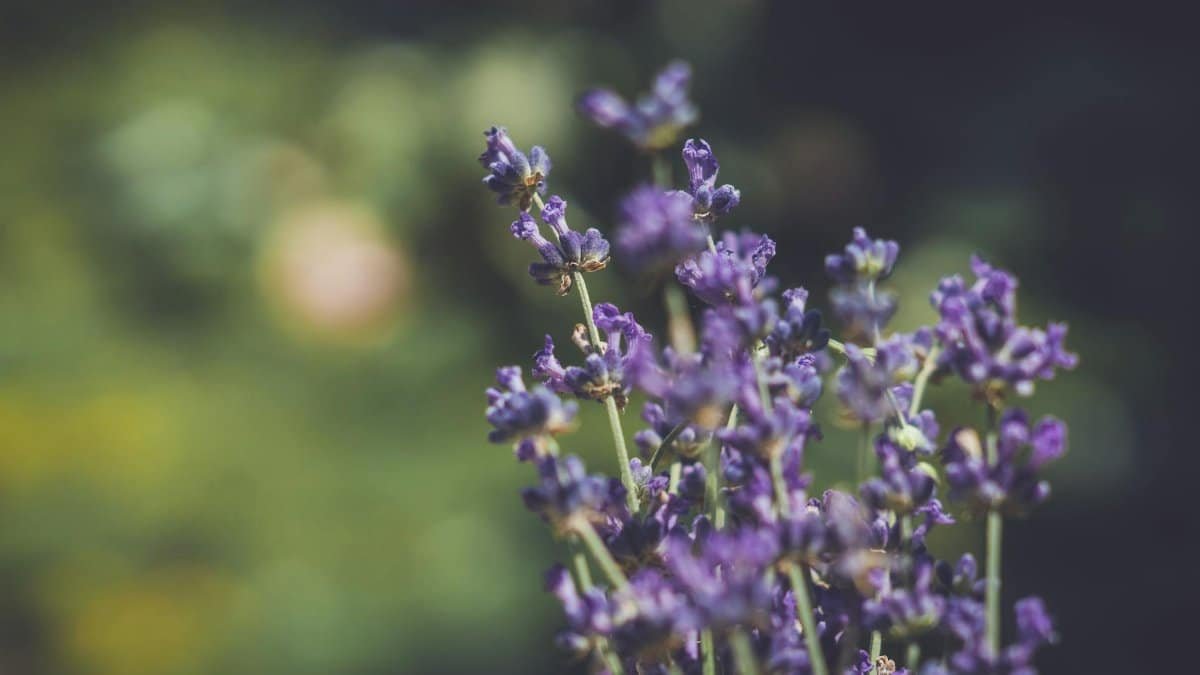
Lavender’s aroma alone can transport you to fields in Provence, but its benefits run deeper. Essential oils from this plant reduce cortisol levels, the hormone behind fight-or-flight responses. Inhaling it during stressful moments eases heart rates, as shown in clinical settings where patients awaiting surgery felt less anxious.
Real stories bring this to life. Imagine a commuter in bustling New York, dabbing lavender oil on her wrists before the subway rush. It became her armor against the crowd’s energy. Studies from the Mayo Clinic affirm its role in promoting relaxation, often used in aromatherapy for insomnia.
Beyond scent, lavender tea or capsules offer alternatives. In 2025, diffusers in homes and offices make it ubiquitous. Yet, potency varies by source, so quality matters. Some experience skin irritation with direct application, underscoring patch tests. Lavender’s versatility makes it a key ingredient for calming the nervous system, blending sensory pleasure with tangible relief.
4. Valerian Root: The Sleep-Inducing Herb

Valerian root has a pungent smell that might wrinkle noses, but its effects on sleep are worth it. It increases GABA levels, a neurotransmitter that quiets brain activity. European studies have long supported its use for mild insomnia, with users falling asleep faster.
Consider a shift worker struggling with erratic schedules. After trying valerian, he noted deeper rest, sharing in a public account how it curbed his midnight worries. The Office of Dietary Supplements outlines its mechanisms, though results can take weeks to build.
Forms range from tinctures to pills, often combined with other herbs. In America’s sleep-deprived culture, it’s gaining traction. Side effects like headaches are rare but possible. As 2025 sees more focus on restorative sleep, valerian provides a natural nudge toward nervous system harmony.
5. Ashwagandha: The Adaptogen for Stress Resilience

Ashwagandha, an ancient Ayurvedic herb, adapts to the body’s needs, lowering stress hormones over time. Clinical trials reveal reduced anxiety scores in users, with one group experiencing a 56 percent drop after eight weeks.
It’s like a shield for modern pressures. A teacher facing burnout incorporated it into her routine, later describing a newfound steadiness amid classroom chaos. Research from the National Center for Biotechnology Information supports its cortisol-modulating effects.
Powdered forms mix into smoothies, making it user-friendly. In 2025, with adaptogens trending, ashwagandha leads the pack. Thyroid interactions warrant caution, so medical advice is key. This ingredient bolsters the nervous system by building long-term resilience.
6. Omega-3 Fatty Acids: Brain-Boosting Essentials
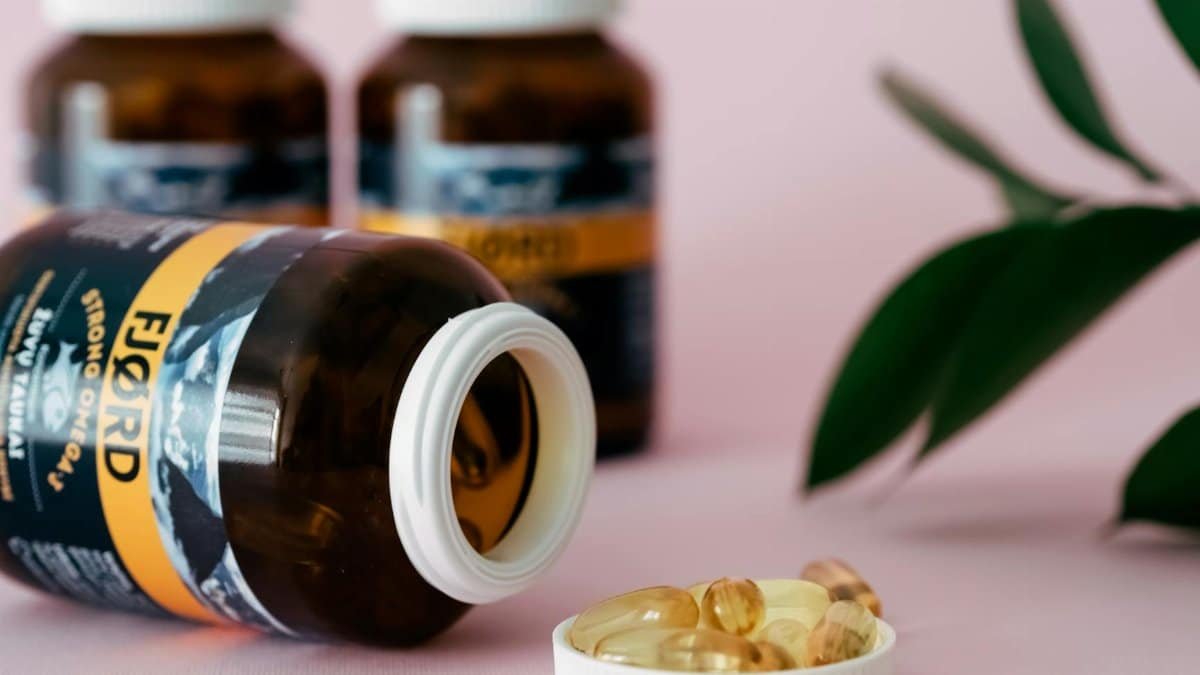
Found in fish like salmon, omega-3s combat inflammation that exacerbates anxiety. They enhance serotonin pathways, fostering mood stability. A meta-analysis linked higher intake to lower depression risks.
Envision a veteran dealing with post-traumatic stress, finding solace in omega-rich meals. His improved focus and calm were game-changers. The Harvard School of Public Health emphasizes their role in neural health.
Supplements suit non-fish eaters, with algae options for vegans. As dietary trends evolve in 2025, omega-3s remain vital for nervous system calm.
7. L-Theanine: The Calm from Green Tea

L-Theanine promotes alpha brain waves, inducing relaxation without drowsiness. Paired with caffeine, it sharpens focus while easing jitters.
A student during exams used it to stay composed, crediting it for balanced energy. Studies confirm its anxiety-reducing properties.
Available in teas or capsules, it’s subtle yet effective. In fast-paced 2025, L-Theanine supports sustained nervous system peace.
8. Passionflower: The Vine That Quiets the Mind

Passionflower boosts GABA, similar to valerian, aiding in anxiety relief. Trials show it rivals some pharmaceuticals for mild cases.
One user recounted how it softened her panic edges during transitions. It’s a gentle ally for the nervous system.
Teas and extracts are common, with minimal side effects. As wellness expands in 2025, passionflower offers accessible tranquility.