

In a fast-paced world, it’s easy to overlook the quiet power of inner peace. But consider this: A recent survey by the Pew Research Center found that nearly 40% of American adults now incorporate some form of mindfulness practice into their routines, up from just 8% a decade ago. This surge reflects a growing recognition that calm mindfulness healing isn’t just a buzzword—it’s a practical response to the stresses of modern life. From bustling cities to quiet suburbs, people are turning to these methods to foster focus and balance. As we navigate 2025’s uncertainties, understanding how everyday actions can nurture this inner calm becomes essential. What follows are eight accessible steps, drawn from expert insights and real-life applications, that anyone can adopt to build resilience and harmony in daily living.
1. Start with Intentional Breathing
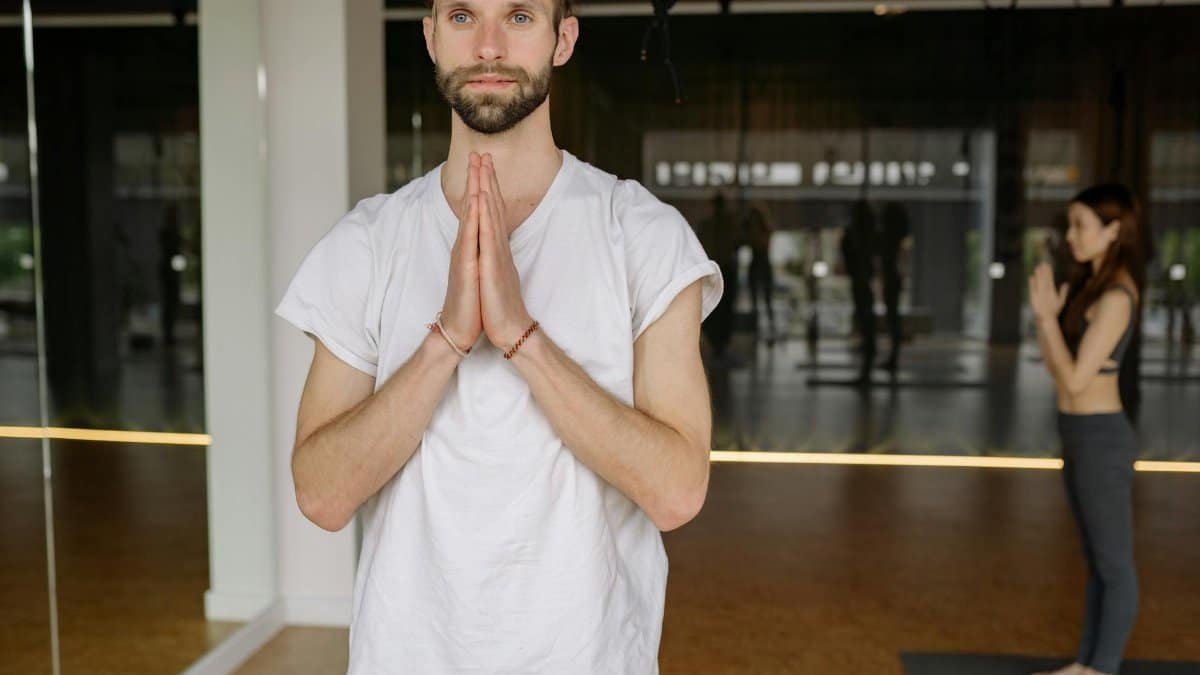
Breathing might seem automatic, but turning it into a deliberate practice can transform your day. Imagine a harried parent pausing amid morning chaos to take five slow, deep breaths. That simple act grounds them, easing the rush. Experts at the National Institutes of Health emphasize how such techniques activate the body’s relaxation response, reducing cortisol levels and promoting calm. In one study, participants who practiced mindful breathing for just ten minutes daily reported a 25% drop in anxiety symptoms over a month. It’s not about perfection; it’s about consistency. Try it during your commute or before bed. Over time, this builds a foundation for broader calm mindfulness healing, helping you respond to stressors with clarity rather than reaction.
Of course, challenges arise. Some find their minds wandering, but that’s part of the process. As one anonymous online account shared recently, the initial frustration gave way to a profound sense of control after weeks of persistence. To get started, focus on the sensation of air filling your lungs. Resources like those from the National Institute of Mental Health offer guided exercises that make it approachable for beginners.
2. Embrace Morning Rituals Without Screens

What if the first thing you did each day wasn’t checking emails but savoring a quiet moment? This shift sets a tone of intentionality. Picture someone in a sunlit kitchen, sipping tea while jotting down three things they’re grateful for. Such rituals foster mindfulness by creating space before the digital deluge. Research from Harvard Medical School links screen-free mornings to improved mood and focus, with participants experiencing less overwhelm throughout the day. In 2025, as remote work blurs boundaries, this action becomes even more vital for inner peace.
It’s not always easy—habits die hard. Yet, weaving in elements of calm mindfulness healing, like a brief body scan, can make it stick. Transition smoothly by placing your phone in another room overnight. Over weeks, you’ll notice sharper attention and a deeper sense of balance, supported by findings in journals like those from the Harvard Health Publishing.
3. Incorporate Mindful Movement

Movement doesn’t have to mean intense workouts; gentle activities like walking or yoga can invite profound calm. Envision a group of friends strolling through a park, noticing the rustle of leaves and the rhythm of their steps. This isn’t exercise for its own sake—it’s a pathway to healing awareness. A study published in the Journal of the American Medical Association showed that regular mindful movement reduces symptoms of depression by up to 30% in middle-aged adults. By tuning into your body’s signals, you cultivate a healing presence that counters daily tensions.
Dive into variety: Alternate between yoga flows and simple stretches. One person described feeling “reborn” after starting this, their scattered thoughts aligning into focus. For credibility, turn to the JAMA Network, where ongoing research highlights these benefits. In our current year, with wellness apps abundant, integrating this action feels both timely and transformative.
4. Practice Gratitude Journaling

Gratitude isn’t fluffy advice; it’s a tool backed by science. Begin by noting small wins each evening—what went well, however minor. This reframes your perspective, building inner peace amid life’s ups and downs. Researchers at the University of California, Davis, found that consistent journaling boosts emotional resilience, with participants reporting higher life satisfaction after eight weeks. It’s a cornerstone of calm mindfulness healing, shifting focus from lacks to abundances.
Sometimes, it starts awkwardly, like scribbling “coffee tasted good today.” But persistence pays off. An anonymized story from public discussions captured this: After a tough loss, journaling helped someone rebuild their sense of self. Explore guides from the Greater Good Science Center at UC Berkeley to deepen your practice. As 2025 unfolds, this habit offers a steady anchor.
5. Engage in Mindful Eating

Eating mindfully turns meals into moments of presence. Slow down, savor flavors, and notice textures—it’s a direct route to calm. Think of a busy professional who, instead of wolfing down lunch at their desk, steps away to eat without distractions. Studies from the Centers for Disease Control and Prevention indicate this reduces stress eating and improves digestion, contributing to overall well-being. In essence, it’s healing through awareness.
Challenges include time constraints, but even five mindful bites can make a difference. This ties into broader calm mindfulness healing by fostering self-compassion. Reflect on how it feels: Nourished, centered. For more, the CDC’s Healthy Weight resources provide evidence-based tips. It’s a subtle yet powerful daily action.
6. Schedule Digital Detox Periods

Unplugging isn’t avoidance; it’s reclamation. Set aside an hour daily without devices, perhaps reading or tending a garden. This creates breathing room for the mind. A Pew Research analysis reveals that excessive screen time correlates with heightened anxiety, but intentional breaks counteract that. In 2025’s connected landscape, this action is crucial for sustaining inner peace.
Start small to avoid withdrawal jitters. One illustrative snapshot: A retiree found renewed creativity after evening detoxes, their evenings filled with meaningful conversations instead. This enhances calm mindfulness healing by quieting mental noise. Backed by data from the Pew Research Center’s Internet & Technology section, it’s a step toward balance.
7. Foster Connections Through Kindness

Acts of kindness ripple outward, but they also heal inward. Offer a compliment or help a neighbor—simple gestures that build community and self-worth. Psychological research from the American Psychological Association shows this boosts endorphins, easing inner turmoil. It’s a relational aspect of calm mindfulness healing, reminding us we’re not isolated.
Not every day feels generous, yet pushing through yields rewards. Consider a story where someone, feeling low, baked cookies for colleagues and felt their own burdens lighten. Explore this through the APA’s Positive Psychology resources. In our divided times, this action fosters genuine peace.
8. End Days with Reflection

Reflection closes the loop on daily experiences. Spend a few minutes reviewing what you learned or appreciated, perhaps in a quiet space. This isn’t rumination; it’s mindful processing. Findings from the National Center for Complementary and Integrative Health suggest it improves sleep and emotional regulation. As the final piece, it solidifies calm mindfulness healing into habit.
Vary it with prompts like “What surprised me today?” One online reflection shared anonymously described how this practice turned chaos into clarity over months. For guidance, visit the NCCIH website. Embracing this in 2025 ensures inner peace isn’t fleeting but foundational.