

A recent poll from the American Psychological Association showed that nearly 70% of Californians report heightened stress levels compared to a decade ago, a spike attributed to everything from wildfires to relentless traffic jams. But what if we could spot the warning signs before they spiral into full-blown burnout? Enter the concept of emotional, predict, overload—those subtle emotional cues that signal an impending mental tipping point. In a state where the pace of life often feels like a perpetual sprint, recognizing these indicators isn’t just helpful; it’s essential for maintaining some semblance of calm. From the foggy mornings in San Francisco to the sun-soaked beaches of San Diego, people are learning to tune into these signals, turning potential crises into opportunities for reset. This isn’t about avoiding life’s pressures entirely, but about navigating them with a bit more grace.
1. Sudden Bursts of Irritability Over Minor Issues

Californians know the drill: a delayed coffee order or a slow freeway merge can suddenly feel like the end of the world. This isn’t just a bad mood; it’s often the first whisper of emotional overload building up. Picture a tech worker in Silicon Valley, juggling endless Zoom calls and venture pitches, snapping at a colleague over a misplaced emoji in an email. Such reactions stem from accumulated stress, where the brain’s emotional centers start firing on all cylinders without warning.
Research backs this up. A study from the University of California, Berkeley, highlights how chronic stress amplifies irritability as a precursor to broader mental fatigue. Participants exposed to ongoing pressures showed heightened amygdala activity, the brain’s alarm system, leading to these outbursts. In California’s high-stakes environments, from Hollywood sets to startup hubs, this cue emerges frequently, signaling it’s time to step back.
One anonymous account shared publicly online described it vividly: feeling rage bubble up during a routine grocery run amid LA’s perpetual hustle. It’s a reminder that what seems trivial might actually point to deeper exhaustion. Addressing it early, perhaps with a quick walk in a nearby park, can prevent escalation.
2. Persistent Fatigue Despite Adequate Sleep

Even after eight solid hours, many in California wake up feeling drained, as if the Golden State’s endless sunshine can’t pierce the fog of tiredness. This lingering exhaustion often predicts emotional overload, where mental strain overrides physical rest. Consider a teacher in Sacramento, prepping lessons while navigating budget cuts and classroom chaos; no amount of sleep seems to recharge her fully.
Insights from the Centers for Disease Control and Prevention emphasize that emotional stress disrupts sleep quality, even if quantity is met. Their data on sleep health reveals how anxiety-laden thoughts fragment restorative cycles, common in regions prone to natural disasters like California’s fire seasons.
The narrative shifts when people notice this pattern. Instead of pushing through, some turn to mindfulness apps or coastal hikes, recalibrating their inner rhythm. It’s not laziness; it’s the body’s way of waving a flag before the overload hits hard.
3. Difficulty Concentrating on Familiar Tasks

When everyday activities like reading the news or cooking dinner become Herculean efforts, it’s a stark sign. In California, where innovation drives industries from agriculture in the Central Valley to entertainment in Los Angeles, this scattered focus can derail productivity and hint at brewing emotional turmoil.
A report from the National Institutes of Health links such concentration lapses to elevated cortisol levels from prolonged stress. Their findings, drawn from nationwide surveys, show this is particularly acute in urban areas with high living costs, much like California’s major cities.
Imagine a farmer in Fresno staring blankly at crop reports, his mind wandering to water shortages and market volatility. This isn’t mere distraction; it’s a predictive cue urging intervention, maybe through journaling or seeking community support groups that thrive in the state’s diverse networks.
4. Withdrawal from Social Interactions

Suddenly, that invitation to a beach barbecue in Malibu feels overwhelming, prompting excuses instead of enthusiasm. This pullback is a classic indicator of impending emotional overload, especially in a state celebrated for its vibrant social scenes yet plagued by isolation in sprawling suburbs.
According to Pew Research Center’s analysis, social withdrawal often precedes mental health dips, with data indicating a 25% rise in such behaviors among stressed populations. Their social trends reports underscore how this manifests in places like California, where remote work and traffic woes exacerbate feelings of disconnection.
One person’s shared experience echoed this: opting out of family gatherings during wildfire evacuations, only to realize it was the stress talking. Reconnecting gradually, perhaps with a phone call first, can rebuild those vital ties before isolation deepens the overload.
5. Heightened Sensitivity to Sensory Inputs
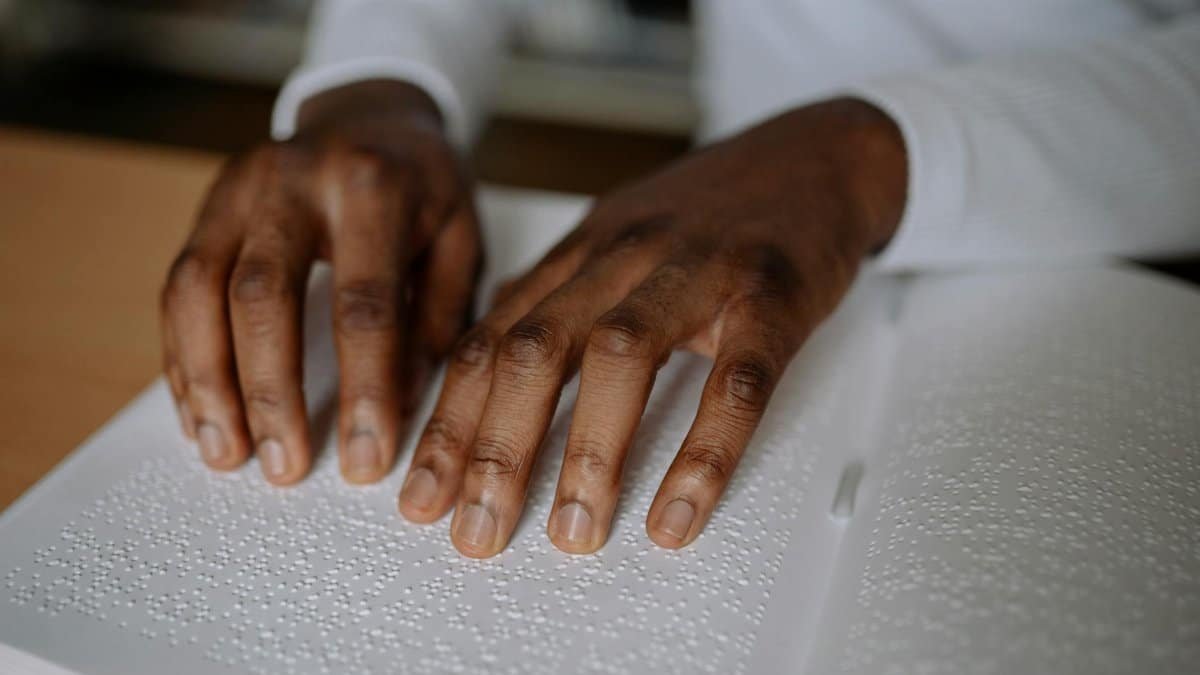
Lights seem too bright, noises too loud, and even the scent of eucalyptus in a Bay Area park feels intrusive. This amplified sensitivity often forecasts emotional overload, turning California’s sensory-rich environment—from bustling markets in San Jose to the roar of ocean waves—into potential triggers.
Harvard Medical School’s publications on sensory processing note that stress overloads neural pathways, making everyday stimuli feel unbearable. A specific Harvard Health article details how this ties to autonomic nervous system responses, prevalent in high-pressure lifestyles common across the state.
Visualize an artist in Oakland, usually inspired by urban grit, suddenly overwhelmed by street sounds. Recognizing this cue prompts simple adjustments, like noise-cancelling headphones or quiet retreats to redwood forests, restoring balance amid the chaos.
6. Unexplained Physical Aches and Pains

A nagging headache or tense shoulders without clear cause? In California, where wellness trends abound from yoga studios in Venice to spas in Napa, these somatic signals frequently predict emotional strain bubbling under the surface.
The Mayo Clinic’s research connects psychosomatic symptoms to stress, with studies showing how emotional tension manifests physically. Their stress symptoms overview highlights this in populations facing environmental stressors, akin to California’s earthquake anxieties and drought concerns.
It’s like the body whispering warnings before the mind catches up. A hiker in the Sierra Nevada might attribute back pain to trails, but often it’s unresolved worry from urban life. Listening to these cues, through practices like acupuncture or therapy, can avert a full overload.
7. Changes in Appetite or Eating Habits

Skipping meals or bingeing on comfort foods like In-N-Out burgers becomes the norm, diverging from usual patterns. This shift is a telling predictor of emotional overload in a state where farm-to-table dining meets fast-paced living, from Sacramento’s orchards to San Diego’s food trucks.
Findings from the American Journal of Clinical Nutrition indicate stress alters hunger hormones, leading to these irregularities. A linked NIH-supported study explores how this plays out in high-stress environments, mirroring California’s blend of affluence and inequality.
Think of a student in Berkeley cramming for exams, her fridge raids masking deeper anxieties about the future. Spotting this early encourages mindful eating, perhaps joining local cooking classes, to stabilize both body and emotions.
8. Recurring Feelings of Overwhelm in Routine Situations

Even mundane tasks, like navigating rush hour on the 405 or attending a neighborhood meeting in Fresno, trigger a sense of drowning. This pervasive overwhelm is perhaps the clearest cue predicting emotional overload, encapsulating California’s unique blend of opportunity and overload.
The World Health Organization’s mental health reports affirm that such feelings often precede burnout, with global data applicable to regional hotspots. Their mental health resources stress early recognition, especially in areas with compounded stressors like climate events.
In 2025, as trends show increasing awareness, more Californians are turning to community wellness programs. It’s about transforming that overwhelm into actionable steps, fostering resilience in a state that demands it daily.