
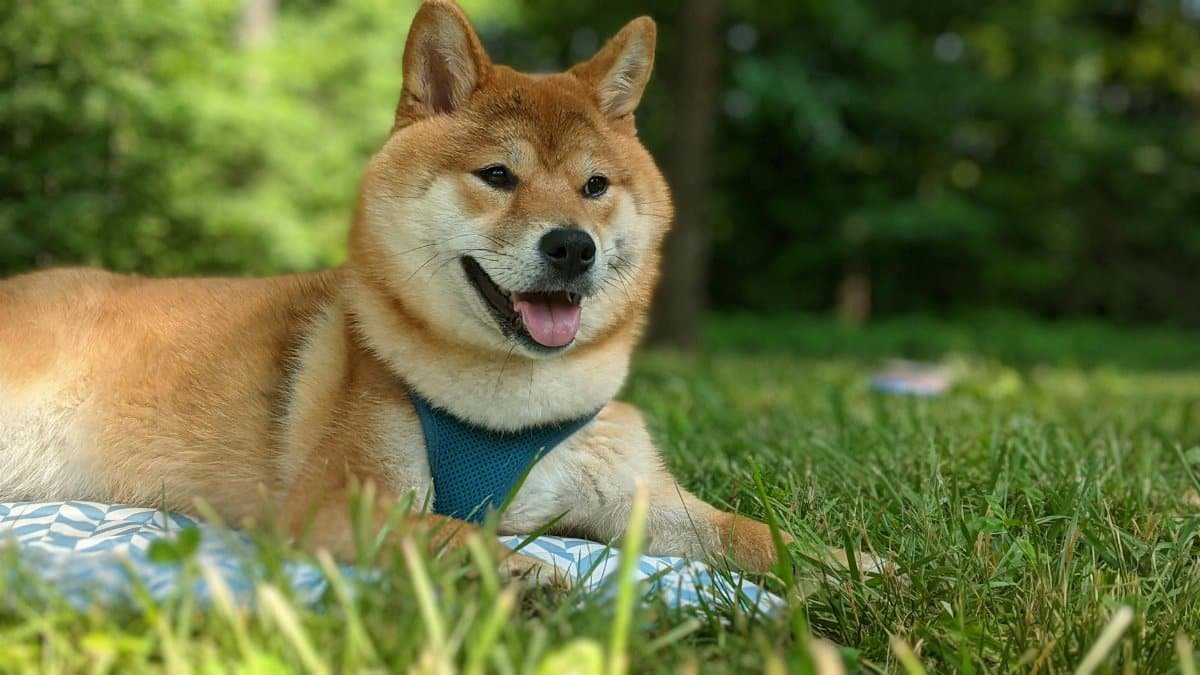
A recent study from the American Psychological Association revealed that 75% of pet owners report lower stress levels after interacting with their dogs, a figure that’s climbed steadily amid the pressures of modern life. This surge isn’t surprising in places like Ohio, where long winters and bustling urban centers can amplify daily tensions. But what if the key to unwinding lies in subtle canine cues? Enter the world of dog behaviors that reduce stress, those gentle signals that improve nervous-system ease without a word spoken. From the quiet companionship of a loyal pup to the rhythmic wag of a tail, these actions tap into something primal, offering relief in unexpected ways. In 2025, as more Ohioans turn to pets for solace amid economic shifts and seasonal blues, understanding these behaviors could transform routine moments into pockets of calm. Researchers note how such interactions release oxytocin, fostering bonds that buffer against anxiety.
1. The Gentle Lean

Dogs often press their bodies against their owners, a subtle act of seeking and offering comfort. This lean isn’t just affection; it’s a stress-buster rooted in shared warmth. Picture a chilly evening in Cleveland, where the wind howls off Lake Erie. One owner recalled her golden retriever leaning in during a tough workday debrief, melting away the knots in her shoulders. Studies show this contact lowers cortisol levels, the hormone tied to stress. The American Psychological Association highlights how physical touch from pets promotes relaxation, much like a hug from a friend. In Ohio’s variable climate, this behavior shines, providing instant warmth and emotional grounding. Owners describe it as a silent reassurance, turning solitary evenings into shared respites.
Yet, not every lean signals calm. Sometimes, dogs do this out of insecurity, so context matters. Observing your pet’s overall demeanor helps distinguish. One anonymous online account shared how noticing this nuance helped during a family move to Columbus, where the dog’s lean became a barometer for everyone’s adjustment. Over time, these moments build resilience, weaving a tapestry of trust that eases life’s sharper edges.
2. Playful Zoomies

Ever watched a dog suddenly sprint in joyful circles? These bursts, known as zoomies, inject energy and laughter into stagnant routines. In Ohio, where cabin fever hits hard during snowy months, a dog’s playful dash can shatter the monotony. It’s more than fun; it encourages owners to join in, boosting endorphins that combat stress. Research from the Centers for Disease Control and Prevention links pet play to improved mental health, noting reduced symptoms of depression. Imagine a Toledo backyard, blanketed in fresh snow, as a labrador bounds about, coaxing smiles from a weary parent.
This behavior sparks spontaneity, a rare commodity in structured lives. One person described chasing their beagle through a park in Akron, forgetting work woes in the chase. Such interactions remind us of lighter sides, fostering a mindset shift. However, moderation is key; excessive zoomies might indicate pent-up energy needing outlets like walks. Blending this with daily routines creates a rhythm that sustains well-being year-round.
3. Attentive Eye Contact
When a dog locks eyes with you, it’s often a bid for connection, one that can soothe frayed nerves. This gaze activates mirror neurons, syncing emotions and reducing isolation. In bustling Cincinnati households, where family dynamics pull in many directions, a dog’s steady look offers a moment of undivided attention. The National Institutes of Health reports that such bonds enhance cardiovascular health by lowering blood pressure during stressful times.
Consider the quiet power in that shared stare after a long commute on I-71. It conveys empathy without words, a balm for overwhelmed minds. Yet, prolonged eye contact can intimidate some dogs, so gentle blinks signal safety. An anonymized story from a public forum captured this: a Dayton resident felt their anxiety ebb as their spaniel’s gaze held steady during a panic episode. These exchanges deepen over time, turning pets into intuitive stress allies.
4. Rhythmic Tail Wagging
A dog’s tail wag isn’t random; it’s a barometer of mood that can lift yours. Slow, wide wags often signal contentment, inviting owners to mirror that peace. Amid Ohio’s agricultural heartlands, where farm life brings its own pressures, this simple motion reminds folks to pause. Science backs it: a study summarized by the Pew Research Center shows pet owners experience heightened well-being through such cues.
Envision a sunset in rural Ohio, your collie wagging lazily by the porch. That rhythm syncs with your breathing, easing tension. Owners often weave this into evenings, using it as a cue to unwind. But watch for variations; a stiff wag might mean unease. Integrating awareness of these behaviors reduces stress by fostering mindful interactions, turning ordinary days into restorative ones.
5. Soft Nudging

Dogs nudge with their noses, a gentle prompt that draws you back to the present. This tactile reminder disrupts rumination, key in high-stress zones like Columbus offices. It encourages breaks, aligning with findings that brief pet interactions recharge focus. The act feels personal, like a friend’s tap on the shoulder.
In one snapshot, a teacher in Youngstown felt her terrier’s nudge during grading marathons, prompting a walk that cleared her head. Such behaviors reduce stress by interrupting negative cycles. Yet, persistent nudging could signal needs like hunger, so responding appropriately strengthens the bond. Over weeks, this evolves into a mutual language of care, enhancing daily resilience.
6. Calming Licks

A dog’s lick can be affectionate, releasing feel-good chemicals in both parties. In Ohio’s humid summers, when irritability peaks, this cooling gesture soothes. It’s evolutionary, mimicking grooming that builds pack harmony. Owners report feeling centered after such moments, supported by research linking pet affection to lower anxiety.
Think of a steamy afternoon in Canton, your hound licking your hand post-yardwork. It diffuses built-up frustration. However, excessive licking might indicate allergies, warranting a vet check. Balancing this with training ensures it remains a positive force, weaving comfort into the fabric of home life.
7. Quiet Companionship

Sometimes, a dog simply sits nearby, offering presence without demand. This silent support is profound in isolated rural Ohio spots, where solitude amplifies worries. It fosters mindfulness, akin to meditation, with studies showing reduced heart rates in such scenarios.
One narrative paints a widow in Marietta finding solace in her shepherd’s steadfast vigil during evenings. These behaviors reduce stress by providing non-judgmental space. Encourage it with cozy spots, turning it into a ritual that bolsters emotional health.
8. Protective Watching

Dogs often stand guard, their vigilance creating a sense of security that eases underlying fears. In urban Cleveland neighborhoods, this watchfulness reassures during uncertain times. It taps into primal safety instincts, lowering chronic stress.
Visualize your mastiff scanning the horizon from a Dayton stoop, its posture a shield against chaos. Owners feel empowered, with data indicating stronger coping mechanisms. Yet, overprotectiveness needs addressing to avoid anxiety in the dog. Harnessing this positively transforms it into a cornerstone of tranquility.
As these eight behaviors illustrate, dogs in Ohio aren’t just pets; they’re unwitting therapists, their actions weaving calm into the everyday. In 2025, embracing them could redefine how we navigate stress, one wag at a time.