

A recent study from the American Psychological Association revealed that 72% of dog owners report lower stress levels after interacting with their pets, a jump from just 50% a decade ago. This surge highlights how canine companionship has become a go-to remedy in our high-pressure world. Amid rising demands from work and daily life, many Americans are turning to their furry friends for relief. But it’s not just any interaction—specific dog behaviors can actively reduce stress, fostering calm and emotional balance. These subtle signals, from a gentle nuzzle to playful antics, tap into our biology, lowering heart rates and easing anxiety. As we navigate 2025’s uncertainties, understanding these behaviors offers a simple yet powerful tool for well-being. In bustling cities like New York or quiet suburbs in the Midwest, dog owners are discovering these natural stress-busters right at home.
1. The Gentle Lean

Dogs often press their bodies against their owners, a quiet gesture that speaks volumes. This leaning isn’t just affection; it’s a behavior rooted in pack dynamics, where physical closeness builds security. For humans, that contact triggers oxytocin release, the hormone linked to bonding and relaxation. Imagine coming home after a grueling day at the office—your dog sidles up, leaning into your leg with steady warmth. Suddenly, the day’s tensions start to melt. Researchers at the University of Veterinary Medicine in Vienna have explored this, finding that such interactions can drop cortisol levels by up to 20%. One owner shared anonymously in an online discussion how her rescue dog’s persistent leans pulled her through a tough divorce, turning solitary evenings into moments of shared peace. It’s a reminder that sometimes, the simplest touches carry the most weight.
Yet, not all leans are equal. Puppies might do it for reassurance, while older dogs use it to sense and soothe human emotions. In a 2025 survey by the American Kennel Club, over half of respondents noted this behavior as their top stress reliever during remote work slumps. The key is reciprocity—responding with a pat reinforces the bond, creating a feedback loop of calm. This isn’t about training; it’s instinctual, a bridge between species that eases modern life’s chaos.
2. Tail Wagging Rhythms
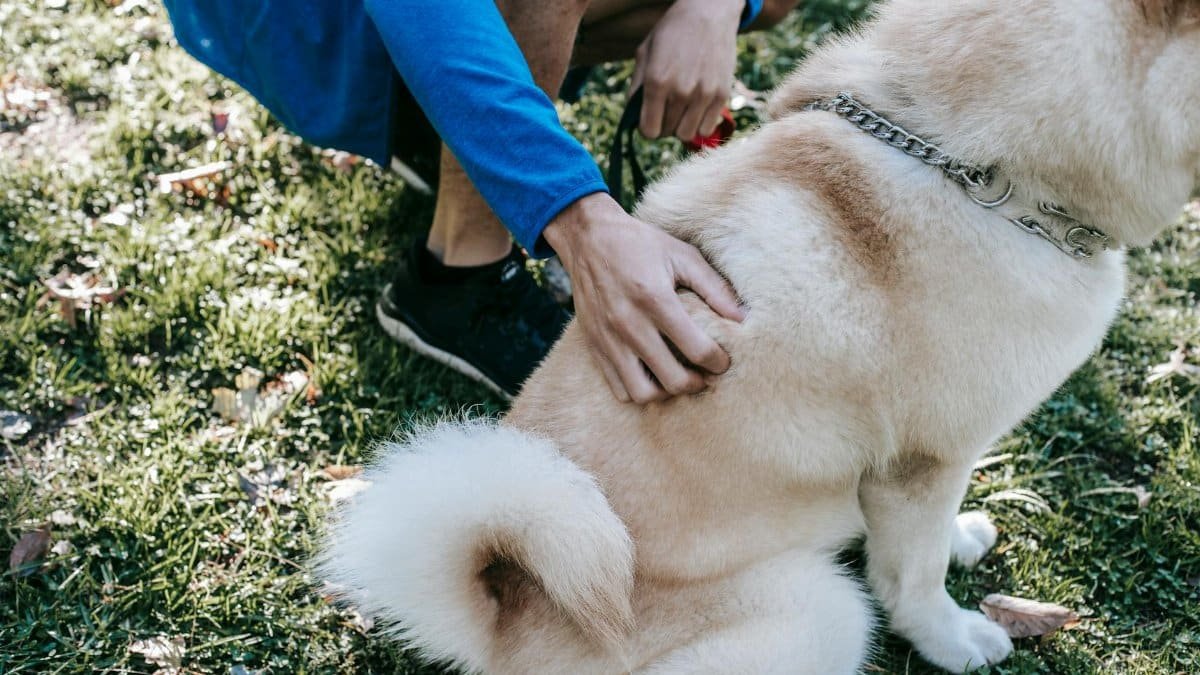
“That enthusiastic wag always turns my frown upside down,” a Midwestern teacher recounted, describing how her Labrador’s tail thumps against the floor like a metronome of joy. Tail wagging, a classic dog behavior, signals happiness and invites interaction, which in turn reduces stress for owners. Science backs this: a study from Azabu University in Japan showed that watching a dog’s wag activates brain areas associated with positive emotions, mirroring the effects of laughter therapy. It’s contagious, pulling people out of rumination and into the present.
Different wags tell different stories— a slow, wide sweep might mean contentment, while a rapid helicopter spin screams excitement. In urban settings like Chicago, where stress from commutes runs high, owners report these moments as quick resets. Pair it with a walk, and the benefits compound, blending movement with emotional uplift. As trends in 2025 lean toward pet-inclusive workplaces, this behavior could redefine office dynamics, offering spontaneous morale boosts without a single word spoken.
3. Soothing Licks

Start with the sensation: a warm, rhythmic lick on your hand, pulling you from a spiral of worry. Dogs lick as a form of grooming and affection, but for humans, it mimics nurturing care, dialing down anxiety. The Mayo Clinic highlights how such tactile interactions stimulate endorphins, natural mood elevators that combat stress hormones. One vivid example comes from a veteran who, after returning from deployment, found his dog’s persistent licks a lifeline during PTSD episodes, grounding him in the here and now.
This behavior isn’t random; dogs often sense elevated heart rates and respond instinctively. In a nation where mental health conversations are evolving, incorporating these natural aids feels timely. A Mayo Clinic overview on pet therapy details how licking promotes relaxation, backed by physiological data. Yet, moderation matters—overlicking can signal a dog’s own anxiety, so attuned owners learn to read the cues, turning the exchange into mutual healing.
4. Playful Fetch Sessions
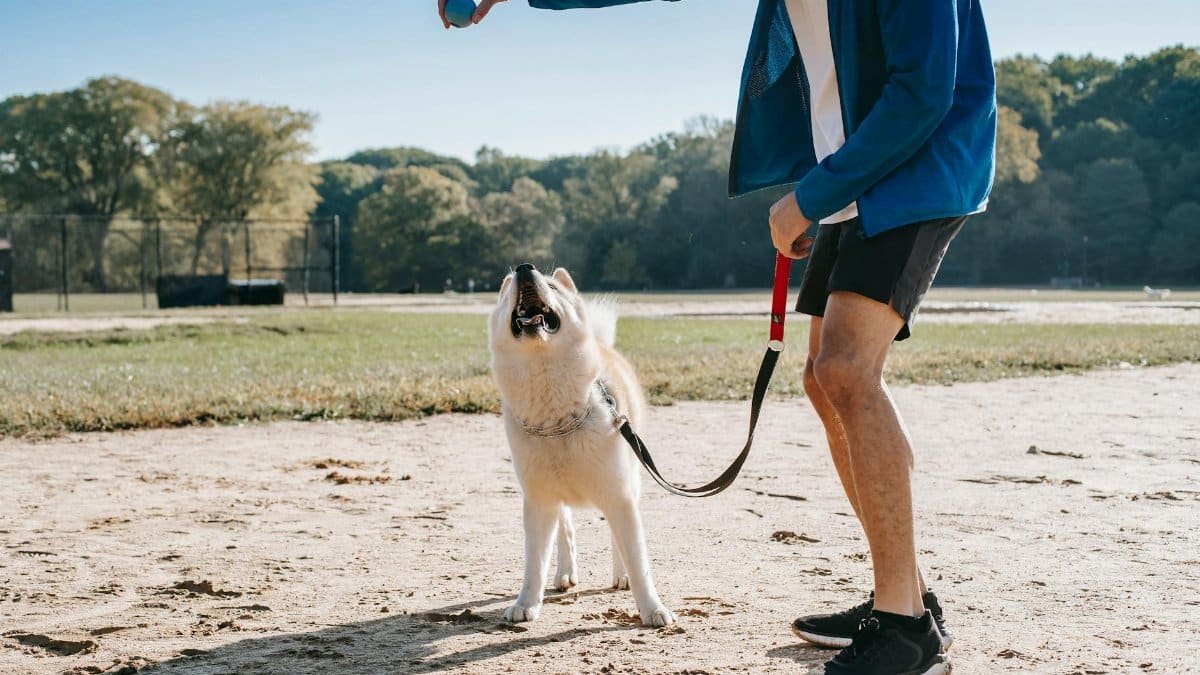
What begins as a tossed ball evolves into a dance of energy and release. Fetch isn’t mere exercise; it’s a dog behavior that channels playfulness, inviting owners to shed inhibitions and laugh freely. This lighthearted chase reduces stress by boosting dopamine, as noted in research from the National Institutes of Health. Picture a sunny park in Seattle, where a Border Collie darts back and forth, her owner forgetting emails and deadlines in the thrill of the game.
Variety keeps it fresh—switch to a frisbee or tug toy, and the engagement deepens. For middle-aged professionals juggling careers and family, these sessions offer accessible joy. A 2025 report from the National Institutes of Health links regular play with pets to improved cardiovascular health, tying directly to stress reduction. It’s not about perfection; even a clumsy throw builds connection, reminding us that fun is a potent antidote to burnout.
5. Attentive Eye Contact

Hold a dog’s gaze, and something profound happens—a silent conversation that calms the mind. This behavior, where dogs lock eyes with trust, fosters empathy and reduces isolation-induced stress. Studies from the University of Helsinki confirm that mutual gazing increases oxytocin in both parties, much like human bonding. One anonymous online account described a moment during lockdown: “My dog’s steady stare pulled me from despair, like she was saying, ‘You’re not alone.'”
In diverse U.S. households, from Texas ranches to Boston apartments, this subtle exchange bridges emotional gaps. It’s especially potent for remote workers facing screen fatigue in 2025. The University of Helsinki research page on canine-human bonds provides deeper insights, showing sustained effects on mood regulation. Yet, respect boundaries; forced stares can unsettle, so let it unfold naturally, turning a glance into a sanctuary of peace.
6. Calming Yawns

A dog’s yawn spreads like wildfire, often prompting owners to follow suit, releasing tension in the process. This contagious behavior signals relaxation and empathy, helping synchronize emotional states. The American Veterinary Medical Association explains how yawning lowers brain temperature, easing stress. Envision a quiet evening: your dog yawns widely, and suddenly, your own shoulders drop, worries fading into the background.
It’s evolutionary—dogs yawn to de-escalate conflict or show non-threat. For city dwellers battling noise and crowds, this offers an effortless reset. Integrating it into routines, like pre-bedtime rituals, amplifies benefits. A comprehensive AVMA resource on dog behavior underscores its role in human wellness, with data from observational studies. As awareness grows, this understated act could become a staple in stress management toolkits across the country.
7. Nuzzling for Comfort

With a soft nose nudge, dogs seek and offer solace, a behavior that melts away accumulated stress. This gentle prodding encourages physical closeness, activating parasympathetic responses for calm. Purdue University’s veterinary research links nuzzling to reduced blood pressure in owners. Recall a harried parent in Atlanta, whose Golden Retriever’s insistent nuzzles during homework chaos transformed frustration into giggles.
Context matters—post-walk nuzzles might celebrate shared adventure, while evening ones provide wind-down cues. In an era of hybrid lifestyles, this adaptability shines. The Purdue University Center for the Human-Animal Bond explores these dynamics, offering evidence-based perspectives. It’s a two-way street; responding affirms the dog’s intuition, strengthening the partnership that buffers life’s strains.
8. Relaxed Rolling Over

When a dog flops onto its back, exposing its belly, it’s an invitation to vulnerability and play, dissolving human stress through trust and touch. This submissive pose encourages belly rubs, which release feel-good chemicals. The Centers for Disease Control and Prevention note pet interactions like this contribute to overall mental health. Think of a weekend morning in Denver, where a playful roll leads to laughter, erasing the week’s residue.
Not every dog does it freely—trust builds over time, making the moment special. For empty-nesters or solo agers in 2025, it combats loneliness effectively. Expanding on CDC findings, a CDC page on health benefits of pets details stress reduction mechanisms. Ultimately, this behavior underscores the profound, wordless ways dogs heal, inviting us to embrace simplicity amid complexity.