

New data shows 75% of Texans report heightened stress levels amid economic pressures and extreme weather, according to a recent survey. These “clues, sends, under” pressure often manifest as subtle body signals that many overlook. In a state known for its resilience, from bustling Houston offices to rural ranches, ignoring these signs can lead to burnout or worse. Experts say recognizing them early is key to maintaining emotional stability, especially as 2025 brings new challenges like job market shifts and climate impacts.
1. Rapid Heartbeat
When pressure mounts, the body often responds with a racing heart. This is the classic fight-or-flight response kicking in. In Texas, where heat waves amplify stress, a sudden spike in heart rate can signal overload. Doctors note it’s not just about anxiety; it could indicate dehydration or overexertion in the scorching sun. A study from the American Heart Association highlights that chronic stress increases cardiovascular risks by 20% in high-heat areas. Paying attention to this clue helps prevent escalation. Residents in Dallas have reported this during peak traffic hours, turning commutes into health hazards.
2. Muscle Tension
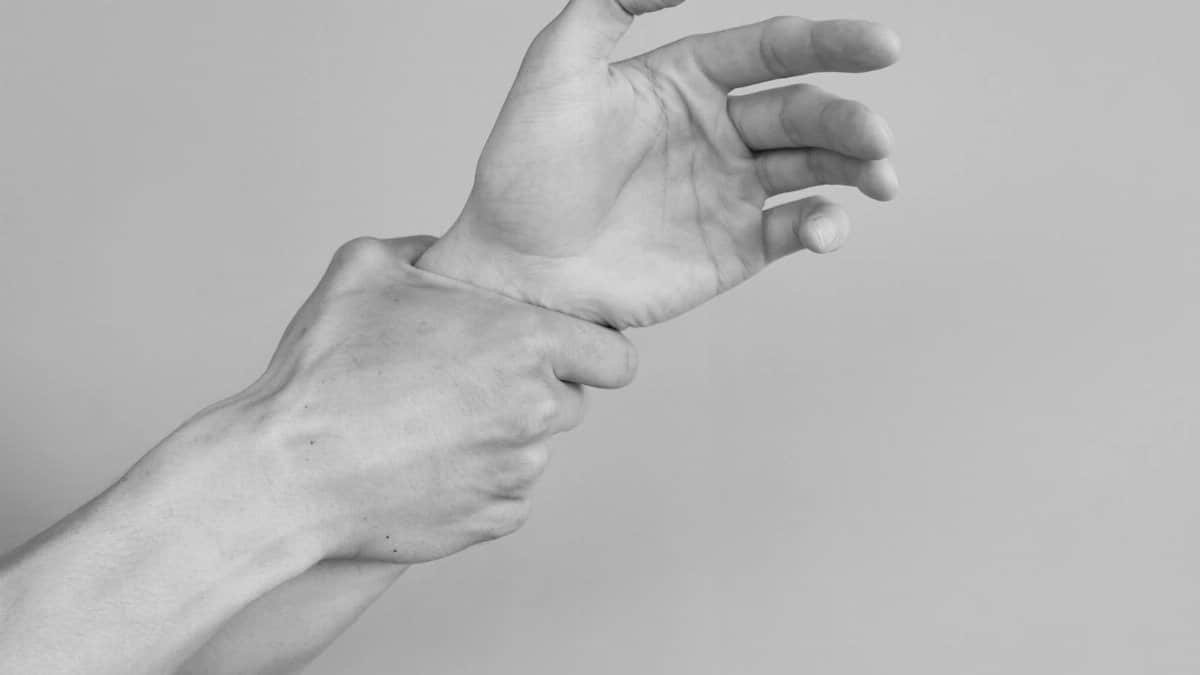
Stiff shoulders or a clenched jaw are common under duress. The body tightens up as a defense mechanism. In Texas’s fast-paced oil industry or tech hubs like Austin, workers often carry this tension home. Experts from the Mayo Clinic explain it stems from cortisol surges, leading to headaches if ignored. Incorporating simple stretches can alleviate it. One Austin tech worker shared how noticing neck strain prompted her to take breaks, boosting productivity. This clue is subtle but persistent, especially in sedentary jobs dominating the state’s economy.
3. Digestive Issues

Stress can wreak havoc on the gut, causing nausea or irregular bowels. Under pressure, the body diverts energy from digestion, leading to discomfort. Texans facing hurricane seasons or financial strains often experience this. A report from the Centers for Disease Control and Prevention links chronic stress to gastrointestinal problems in 40% of adults. Eating spicy Tex-Mex might exacerbate it, but mindfulness can help. Recognizing this signal early allows for dietary adjustments, preventing long-term issues like IBS.
4. Sleep Disturbances

Insomnia or restless nights are telltale signs of mounting pressure. The mind races, replaying worries. In Texas, with its diverse time zones from El Paso to Houston, shift workers in energy sectors suffer most. Sleep experts warn that poor rest compounds stress, creating a vicious cycle. Data from the National Sleep Foundation indicates 50% of stressed individuals report disrupted sleep. Simple routines like dimming lights can counteract this. One Houston nurse described how tracking her sleep patterns revealed underlying work stress, leading to better habits.
5. Skin Changes
Breakouts, rashes, or dryness can emerge when the body is under siege. Stress hormones like cortisol inflame the skin. In humid Texas climates, this clue is amplified, with sweat mixing into the problem. Dermatologists note acne flares in high-stress periods, such as during tax season for small business owners. A study published in the Journal of the American Academy of Dermatology connects emotional strain to skin conditions in 30% of cases. Hydration and stress-relief techniques, like short walks in state parks, can mitigate this visible signal.
6. Fatigue Despite Rest
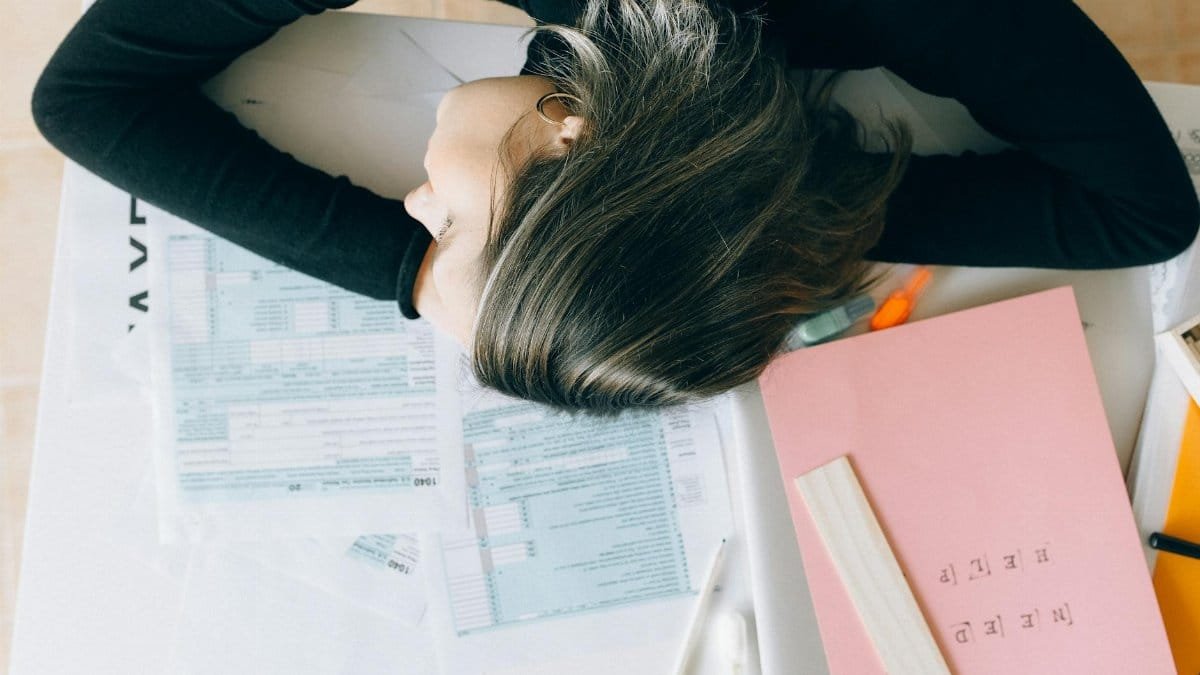
Feeling exhausted even after a full night’s sleep points to deeper pressure. The body is in constant alert mode, draining energy reserves. Texans in agriculture, battling droughts, often report this. The American Psychological Association surveys show 60% of adults experience this amid economic uncertainty. It’s not laziness; it’s a cry for balance. Incorporating hobbies like fishing in Texas lakes has helped many recharge. Ignoring it leads to decreased performance at work or home.
7. Mood Swings
Irritability or sudden sadness can signal internal turmoil. Under pressure, emotional regulation falters. In family-oriented Texas communities, this affects relationships. Psychologists attribute it to neurotransmitter imbalances from stress. Recent findings from Pew Research indicate rising mental health concerns in Southern states, with 25% reporting mood instability. Deep breathing exercises, popular in yoga classes across San Antonio, offer relief. Spotting this clue encourages seeking support, fostering resilience in a state that prides itself on toughness.
8. Appetite Fluctuations

Overeating or loss of hunger are body responses to stress. Comfort food cravings spike in Texas, home to barbecue and comfort eats. This clue ties to hormonal shifts disrupting hunger signals. Nutritionists warn it can lead to weight issues, exacerbating health problems. A government report from the USDA notes stress-related eating patterns in 35% of rural populations. Mindful eating practices help. One Dallas resident turned appetite changes into a cue for journaling, uncovering work-related stressors and improving overall well-being.
As Texas navigates 2025’s uncertainties, from energy transitions to natural disasters, tuning into these body clues is crucial. They serve as early warnings, guiding toward better emotional stability. Health professionals urge proactive steps, blending the state’s independent spirit with smart self-care.