
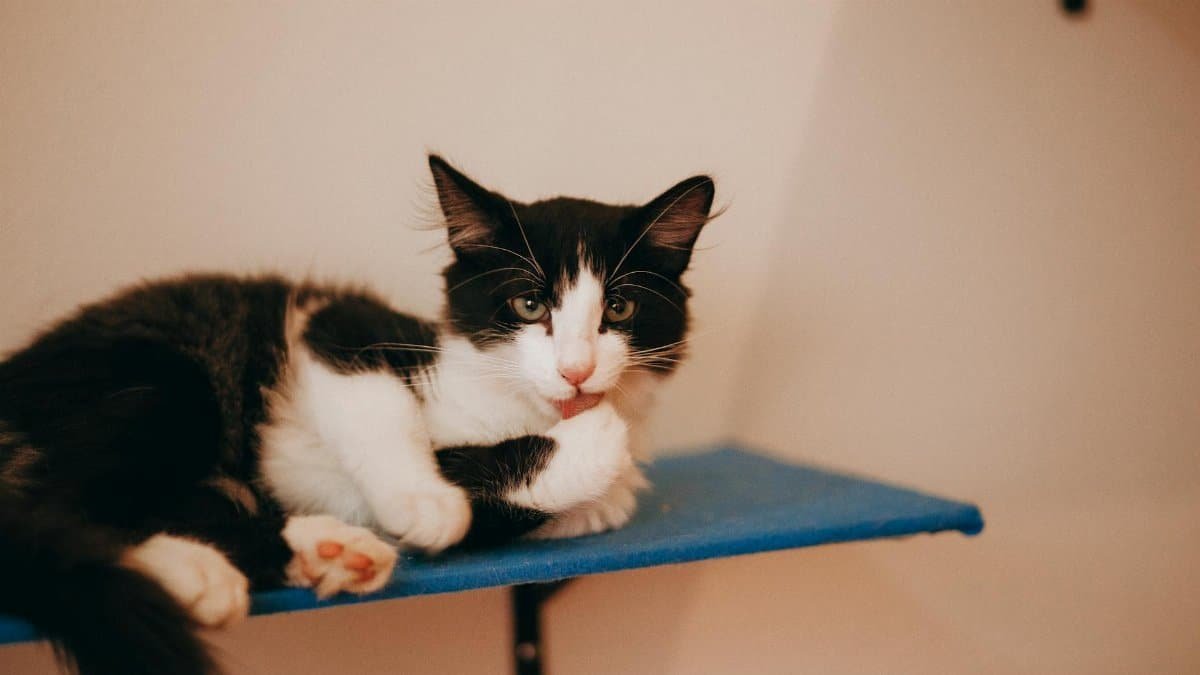
New data shows that 68% of cat owners experience lower stress levels by observing their pets’ behaviors, according to a recent survey by the American Pet Products Association. This isn’t just fluff—simple cat habits can inspire humans to improve calm in everyday life. From rhythmic purring to strategic napping, these feline traits offer practical ways to habits, improve emotional balance. As U.S. trends in 2025 highlight a surge in pet therapy, experts say mimicking cats could be the key to combating modern anxiety. Let’s break down eight game-changing habits.
1. Purring for Relaxation
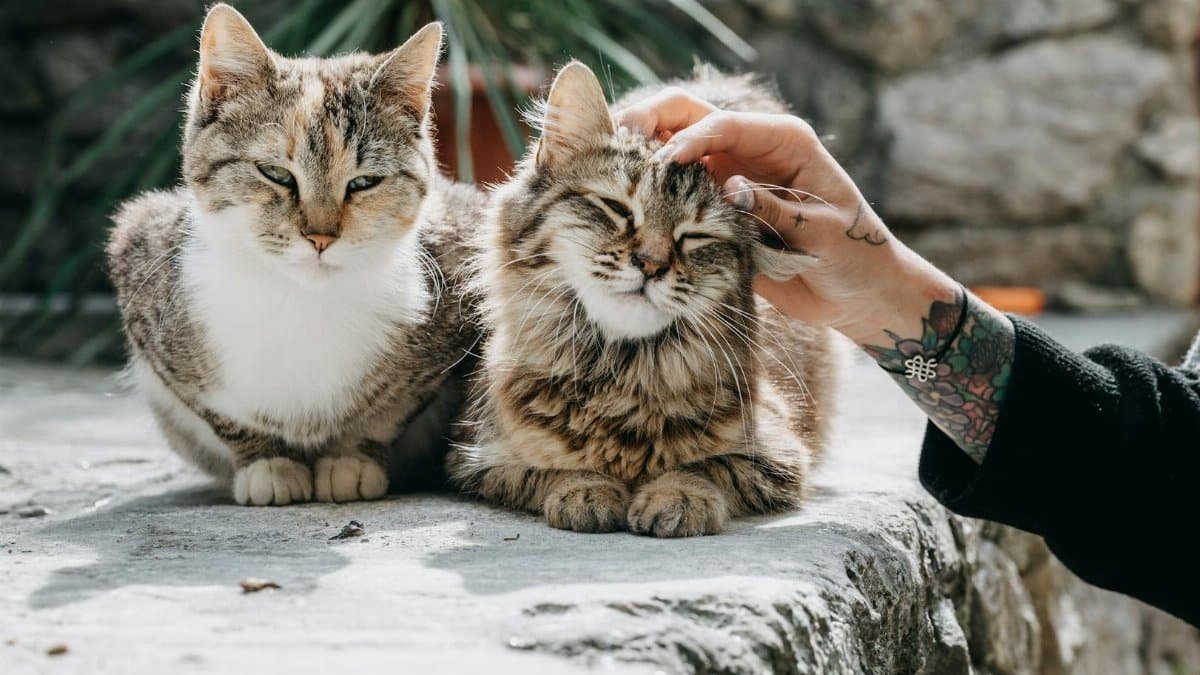
Cats purr not just when happy, but to self-soothe during stress. This low-frequency vibration, around 25-150 Hz, has been linked to healing benefits in studies. Humans can mimic this by using sound therapy apps or even humming to reduce tension. A report from the National Institutes of Health notes similar vibrations aid bone density and pain relief. In busy American households, adopting this habit means setting aside five minutes daily for deep breathing exercises, effectively lowering cortisol levels.
2. Strategic Napping
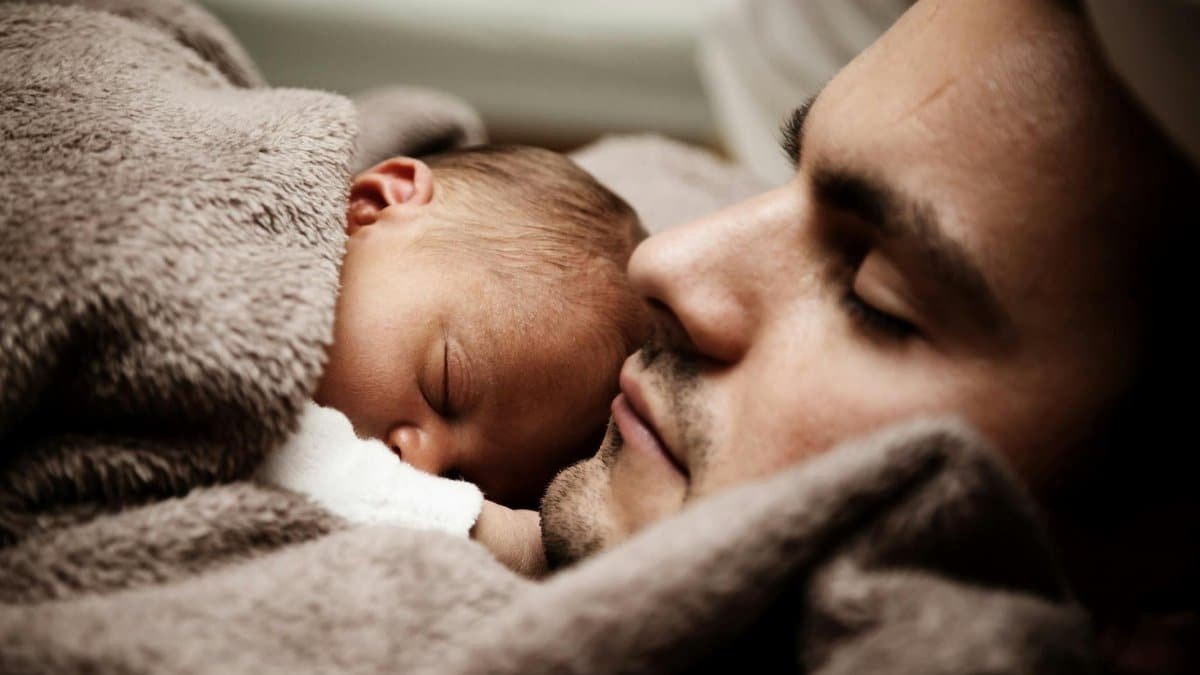
Cats sleep up to 16 hours a day, but it’s their short, frequent naps that recharge them efficiently. This polyphasic sleep pattern helps maintain energy without burnout. For people juggling work and life in 2025’s fast-paced economy, power naps of 20 minutes can boost alertness. Research from the Centers for Disease Control and Prevention supports that brief rests improve cognitive function. Try it during lunch breaks to habits, improve focus and reduce afternoon slumps.
3. Grooming Rituals

Self-grooming keeps cats clean and calm, acting as a meditative routine. The repetitive motion releases endorphins, similar to human mindfulness practices. In the U.S., where stress affects 77% of adults per Gallup polls, incorporating daily grooming like skincare or hair brushing can ground you. Experts at Harvard Medical School emphasize routines for mental health. Make it a habit: Spend 10 minutes each evening on personal care to foster a sense of control and serenity.
4. Observing Surroundings
Cats perch high to survey their territory, gaining perspective that prevents reactive behaviors. This vigilance translates to human habits like pausing to assess situations before responding. Amid rising workplace tensions in 2025, this can prevent conflicts. A study in the Journal of Personality and Social Psychology highlights observation’s role in emotional regulation. Practice by taking a moment to breathe and evaluate during heated moments, helping to habits, improve overall poise.
5. Playful Curiosity
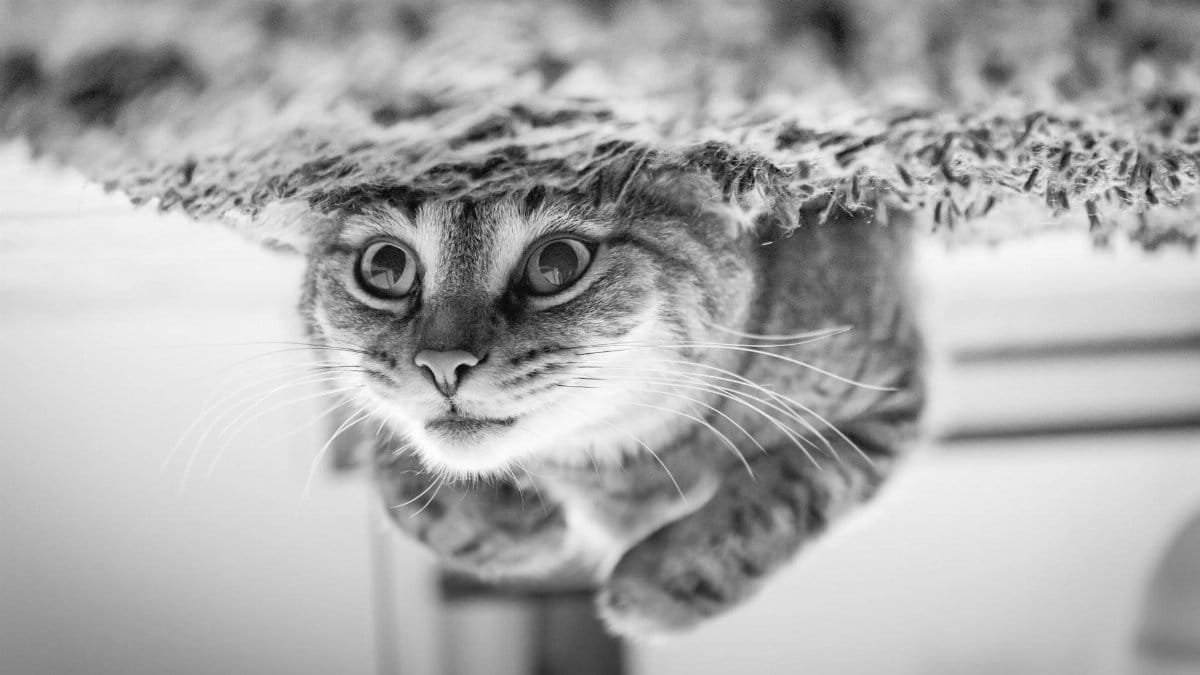
Cats chase toys or explore boxes with unbridled curiosity, keeping their minds sharp and stress at bay. This playful attitude combats boredom, a common anxiety trigger. For Americans facing digital overload, engaging in hobbies like puzzles or walks can replicate this. The Mayo Clinic reports that play reduces depression symptoms. Dedicate time weekly to novel activities—it’s a fun way to habits, improve mental agility and lift your mood.
6. Setting Boundaries
Cats hiss or retreat when overwhelmed, clearly communicating limits. This self-preservation tactic maintains their calm. In human terms, saying “no” to overcommitments is crucial, especially with remote work blurring lines in 2025. Therapists from the American Psychological Association advocate boundary-setting for well-being. Start small: Politely decline extra tasks to protect your energy, leading to sustained emotional balance.
7. Stretching Routines

That iconic cat stretch upon waking loosens muscles and prepares for the day, promoting physical and mental readiness. Yoga enthusiasts know this as “cat-cow” pose for a reason. With sedentary lifestyles plaguing U.S. workers, daily stretches can alleviate tension. A Harvard Health Publishing article details how it improves flexibility and reduces injury risk. Incorporate morning stretches to kickstart calm and enhance productivity.
8. Seeking Warmth and Comfort

Cats curl up in sunny spots or cozy blankets, prioritizing comfort to recharge. This instinct reminds us to create soothing environments. As winter blues hit in 2025, optimizing home spaces with soft lighting and warmth can fight seasonal affective disorder. The National Institute of Mental Health links environment to mood. Build your “cat nook”—a dedicated relaxation spot—to nurture inner peace and habits, improve resilience against daily stressors.
These cat-inspired habits aren’t just cute quirks; they’re proven strategies for calmer living. With pet ownership at record highs, tapping into feline wisdom could be the low-effort boost many need. As experts predict more emphasis on holistic wellness, why not let your cat lead the way?