

A recent study from the National Institutes of Health revealed that nearly 40% of Americans in rural areas reported improved mental health after incorporating simple breathing exercises into their routines, a sharp rise from just a decade ago. This surge highlights how breathwork is quietly transforming everyday life, especially in small towns where access to traditional therapy might be limited. From community centers in the Midwest to online groups connecting isolated residents, these practices are fostering emotional resilience amid economic shifts and social isolation. In places like rural Vermont or Appalachian Kentucky, locals are turning to changing, breathwork, towns as a tool for collective healing, proving that something as basic as controlled breathing can spark profound community change. As we navigate the stresses of 2025, these techniques offer a grounded way to reclaim calm and connection.
1. Box Breathing for Daily Calm
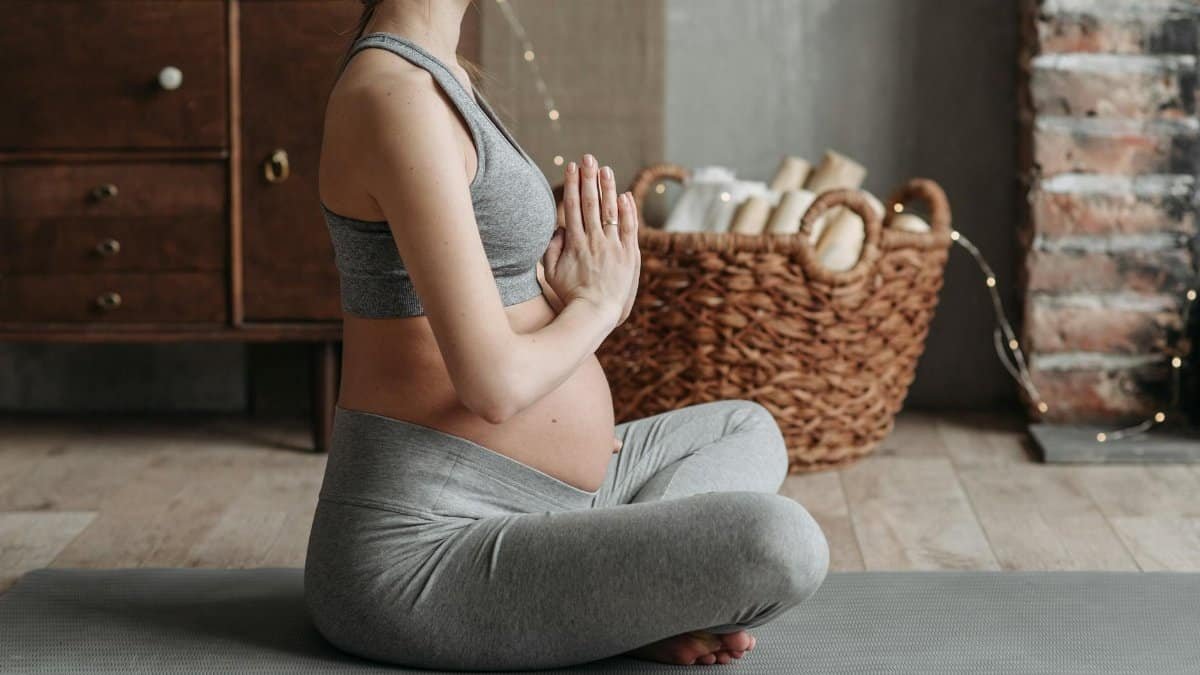
Imagine a group of factory workers in a fading industrial town in Ohio, gathering after shifts not for drinks, but for a quick session of box breathing. This technique, popularized by Navy SEALs for high-stress situations, involves inhaling for four counts, holding for four, exhaling for four, and holding again. It’s straightforward, requiring no equipment, which makes it perfect for small-town settings where resources are scarce.
Residents there describe it as a reset button. One anonymous account shared publicly online captured the sentiment: feeling overwhelmed by job losses, they tried box breathing during lunch breaks and noticed a shift in focus, turning anxiety into steady resolve. Studies back this up; research from the National Center for Biotechnology Information shows such rhythmic breathing reduces cortisol levels, easing chronic stress that plagues many rural communities.
What’s fascinating is how it’s rippling through towns. Local libraries host free sessions, drawing in everyone from retirees to young parents. This isn’t just personal relief; it’s communal. By practicing together, people build bonds, discussing their days while syncing breaths. In 2025, with mental health crises on the rise in underserved areas, box breathing stands out as a simple yet powerful agent of change, helping towns adapt to evolving challenges without relying on distant experts.
2. Diaphragmatic Breathing to Build Resilience

Deep in the heart of a Nebraska farming community, where droughts and market fluctuations test endurance, diaphragmatic breathing has emerged as a quiet hero. Often called belly breathing, it encourages full engagement of the diaphragm, expanding the abdomen on inhales and contracting on exhales, promoting oxygen flow and relaxation.
Picture a weekly meetup at the town hall, where farmers share stories of failed crops while learning this method. It’s not therapy, they insist, but it feels close. A brief snapshot from a participant’s perspective: after a season of hardship, one farmer found that focusing on deep breaths helped manage the knot of worry in his gut, leading to clearer decisions about the family business.
Evidence from the American Psychological Association underscores its benefits, linking diaphragmatic techniques to lower blood pressure and enhanced emotional regulation. In small towns, where stoicism often masks deeper struggles, this practice is changing the narrative, encouraging open conversations about mental health. It’s a subtle shift, but one that’s strengthening the fabric of these communities, making them more resilient to the uncertainties of rural life.
3. 4-7-8 Breathing for Sleep Improvement

Dr. Andrew Weil’s 4-7-8 method starts with a provocative twist: what if the key to better rest in a sleepless town lies in a pattern as simple as counting? Inhale for four, hold for seven, exhale for eight. Repeat a few times, and it mimics a natural sedative, ideal for those in quiet burgs where night shifts or farm chores disrupt slumber.
In a West Virginia hollow, insomniacs have formed informal groups, trading tips over coffee. One story stands out: a night owl, plagued by racing thoughts about local mine closures, adopted this and reported deeper sleep, waking with energy to volunteer at community events. It’s these personal victories that illustrate broader impacts.
A study published in the Journal of Evidence-Based Integrative Medicine confirms its efficacy in reducing anxiety and improving sleep quality. As small towns grapple with isolation amplified by digital divides in 2025, 4-7-8 breathing is fostering better rest, which in turn boosts daytime productivity and social ties, subtly revitalizing local spirits.
4. Alternate Nostril Breathing for Balance

Balancing life’s chaos with something as elemental as nostril alternation might sound esoteric, but in changing, breathwork, towns across the South, it’s gaining traction. The yogic practice of nadi shodhana involves closing one nostril while inhaling through the other, then switching for the exhale, aiming to harmonize the body’s energies.
Consider a church basement in rural Georgia, where a diverse crowd practices this amid hymns and shared meals. It started as a wellness experiment but evolved into a ritual that bridges generational gaps. An anonymized tale from a public forum described a stressed teacher using it to center before classes, finding patience amid budget cuts and student needs.
Research from the National Library of Medicine highlights its role in reducing sympathetic nervous system activity, promoting calm. In towns facing demographic shifts, this technique is helping residents find equilibrium, encouraging empathy and collaboration that strengthen community bonds.
5. Coherent Breathing to Enhance Focus

Five breaths per minute: that’s the rhythm of coherent breathing, a pace that syncs heart rate with respiration for optimal focus. In small Midwestern towns hit by economic downturns, it’s becoming a go-to for entrepreneurs and students alike, turning scattered thoughts into purposeful action.
A local bookstore owner in Iowa weaves this into her routine, sharing how it helped pivot her business during slow seasons. The practice isn’t flashy, but its effects are tangible, as she recounts clearer planning sessions that saved her shop from closure.
Findings from the HeartMath Institute, detailed in reports accessible via the HeartMath Research Library, show it improves cognitive function. Amid 2025’s push for local innovation, coherent breathing is empowering individuals, leading to town-wide initiatives that breathe new life into fading economies.
6. Lion’s Breath for Emotional Release

Stick out your tongue, roar like a lion: this playful yet potent technique, simhasana in yoga, involves a forceful exhale with wide-open mouth and eyes. It’s cathartic, especially in tight-knit towns where unspoken tensions simmer.
In a Montana ranching community, laughter echoes during sessions as participants let loose. One rancher’s reflection captures it: after years of bottling up grief from family losses, this breathwork unlocked a flood of relief, sparking honest talks with neighbors.
A review in the Frontiers in Psychology journal notes its stress-relieving properties. By facilitating emotional purges, lion’s breath is changing, breathwork, towns by dismantling barriers to vulnerability, fostering deeper connections in places where self-reliance once dominated.
7. Resonant Breathing for Community Harmony
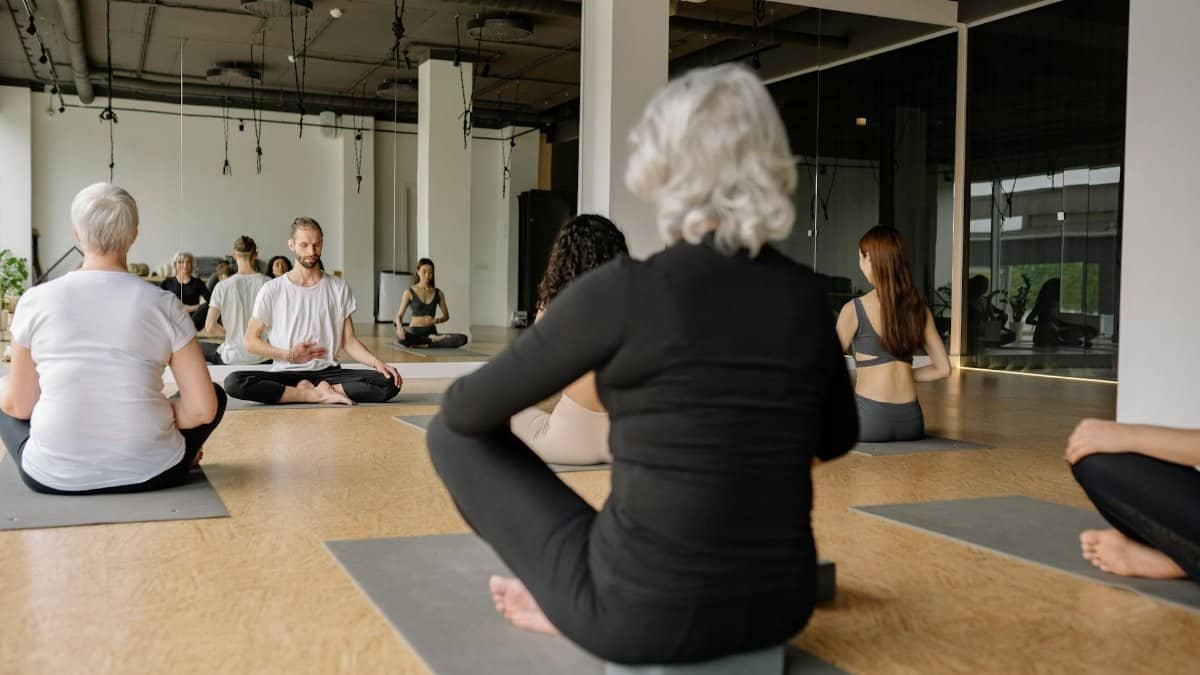
Tuning into a shared frequency through resonant breathing, where groups breathe in unison at a comfortable pace, builds collective calm. In changing, breathwork, towns like those in upstate New York, it’s uniting disparate voices during town meetings.
Visualize a heated debate over local development pausing for a group breath, diffusing anger into dialogue. A participant’s anonymous share online described the shift: from confrontation to consensus, all thanks to synchronized inhales.
Studies from the U.S. Department of Veterans Affairs Whole Health Library support its role in group cohesion. In an era of division, this technique is harmonizing communities, promoting unity that sustains small-town vitality.
8. Breath Counting for Mindful Presence

Simply counting breaths, from one to ten and back, anchors the mind in the now. In Pacific Northwest logging towns facing environmental changes, it’s a staple for staying grounded amid uncertainty.
A logger’s routine includes this during breaks, transforming worry about industry shifts into focused presence. It’s unassuming, yet profound, as he notes improved relationships at home and work.
Research compiled by the Greater Good Science Center at UC Berkeley links it to mindfulness benefits. As small towns evolve in 2025, breath counting is cultivating awareness, inspiring adaptive strategies that ensure these places not just survive, but thrive.
These techniques, woven into the daily rhythm of small towns, underscore a broader movement. Breathwork isn’t a fad; it’s a lifeline, reshaping how communities confront change with resilience and grace.