
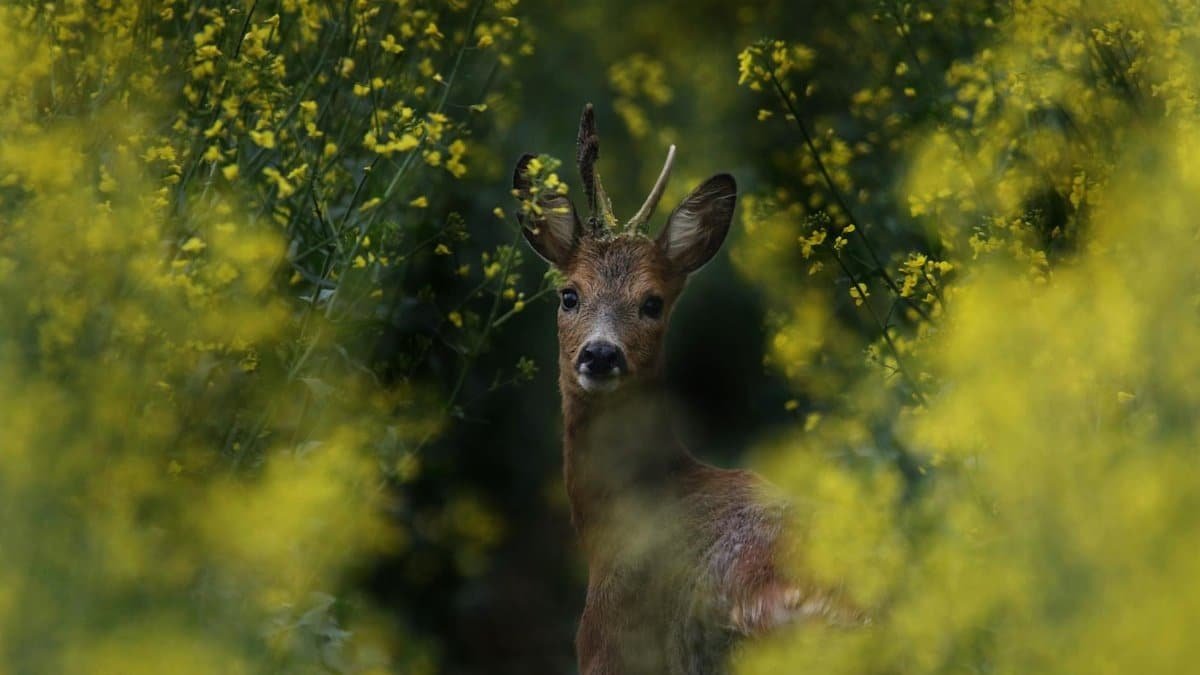
Michigan’s wildlife is sending SOS messages, and experts are tuning in. New data from the Michigan Department of Natural Resources shows that 40% of observed animal behaviors in the state indicate rising environmental stress, up from 25% just five years ago. These animal signals reveal hidden tensions bubbling under the surface, from urban sprawl to climate shifts. As a U.S. journalist digging into this, it’s clear: ignoring these cues could spell trouble for the Great Lakes State’s ecosystems.
1. Birds Altering Migration Patterns
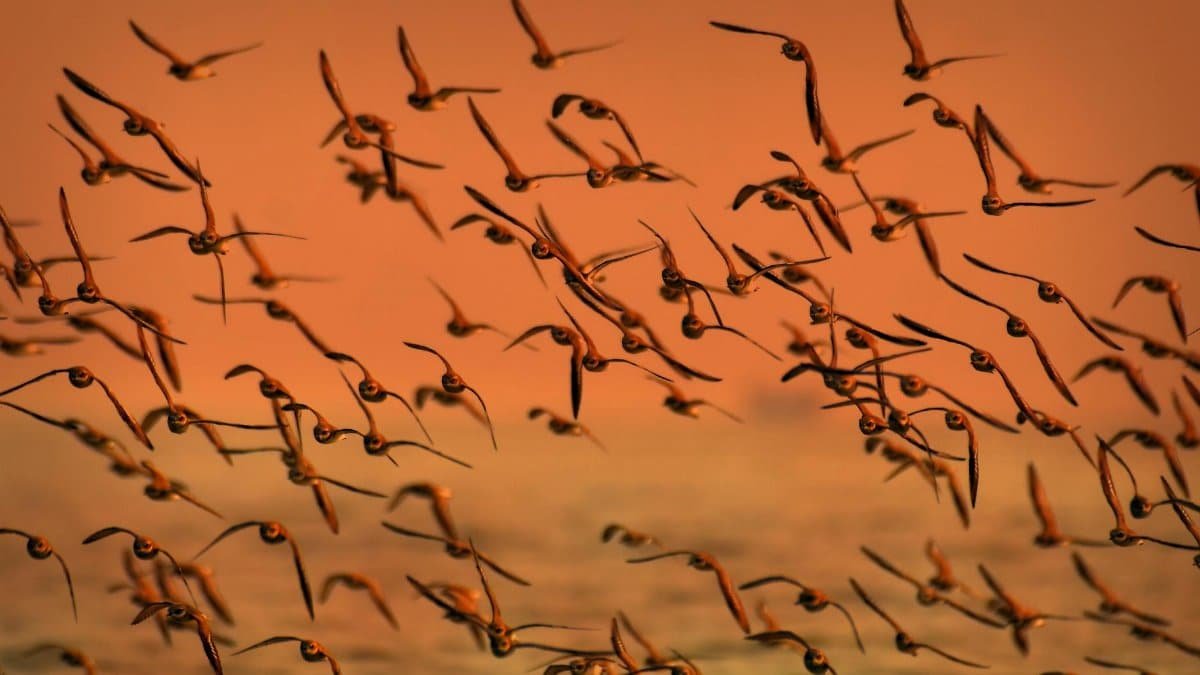
Michigan’s migratory birds are throwing curveballs. Normally clockwork fliers like sandhill cranes are arriving weeks early or skipping stops altogether. This shift points to hidden tension from warmer winters disrupting food sources. Biologists at the University of Michigan note these changes correlate with a 15% drop in insect populations, stressing avian diets. It’s not just a fluke—it’s a red flag for broader ecological imbalance. In 2025, tracking apps are helping locals report sightings, amplifying the data.
2. Deer Exhibiting Unusual Aggression
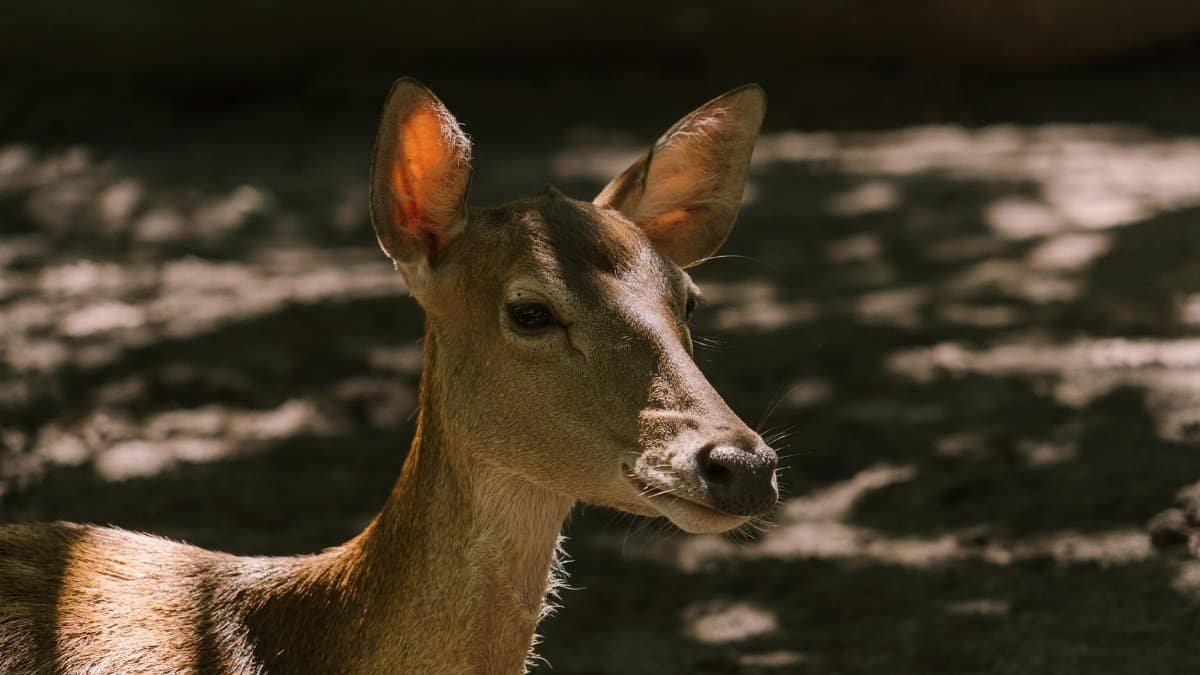
White-tailed deer in Michigan’s forests are getting feisty. Reports of bucks charging hikers have spiked 30% in the Upper Peninsula, per state wildlife logs. These animal signals reveal underlying stress from habitat loss due to development. Overcrowding forces competition for scarce resources, turning docile creatures combative. Experts warn this could lead to more human-wildlife conflicts if urban expansion isn’t checked.
3. Fish Populations Declining in Lakes

The Great Lakes are Michigan’s crown jewel, but fish like walleye are vanishing. Catch rates have plummeted 25% in Lake Huron, signaling pollution and invasive species woes. These subtle drops reveal hidden tension in aquatic ecosystems, with algae blooms choking oxygen levels. A study from the USGS Great Lakes Science Center confirms invasive mussels are reshaping food webs, pushing native species to the brink.
4. Squirrels Hoarding Excessively
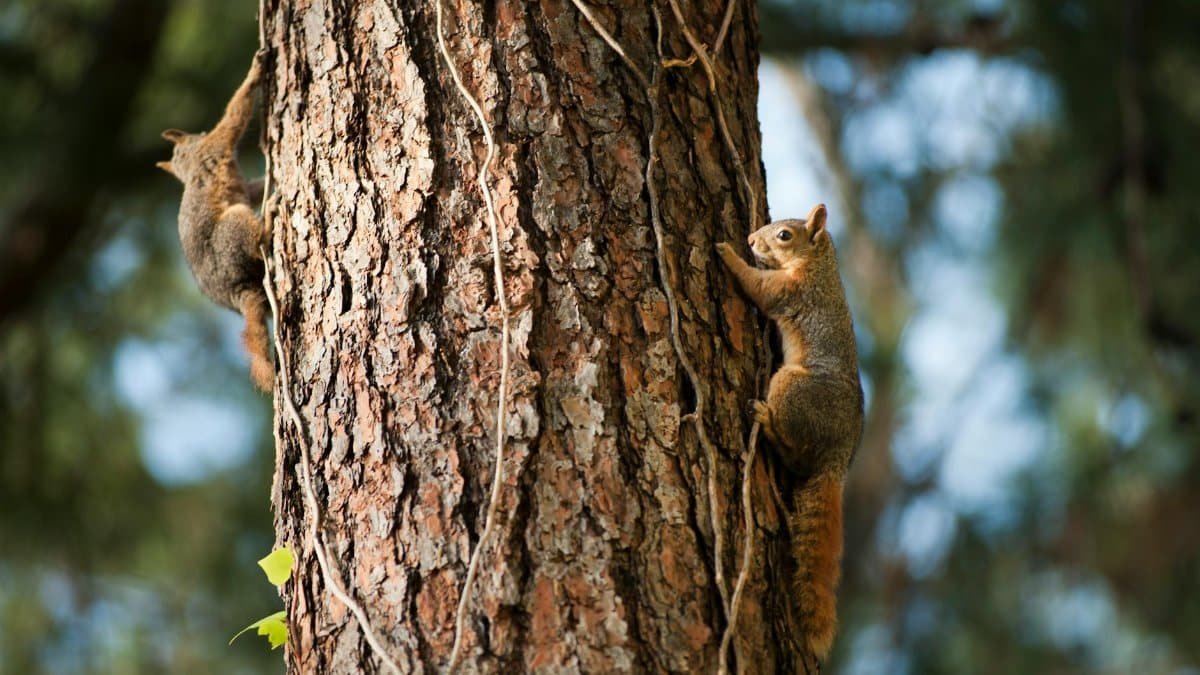
Squirrels in Detroit suburbs are stockpiling nuts like doomsday preppers. This over-hoarding behavior indicates food scarcity fears, driven by erratic weather patterns. Animal signals like this reveal tension from climate variability, with droughts hitting acorn yields hard. Local ecologists observe a 20% increase in such activity, linking it to urban heat islands amplifying stress.
5. Wolves Howling More Frequently
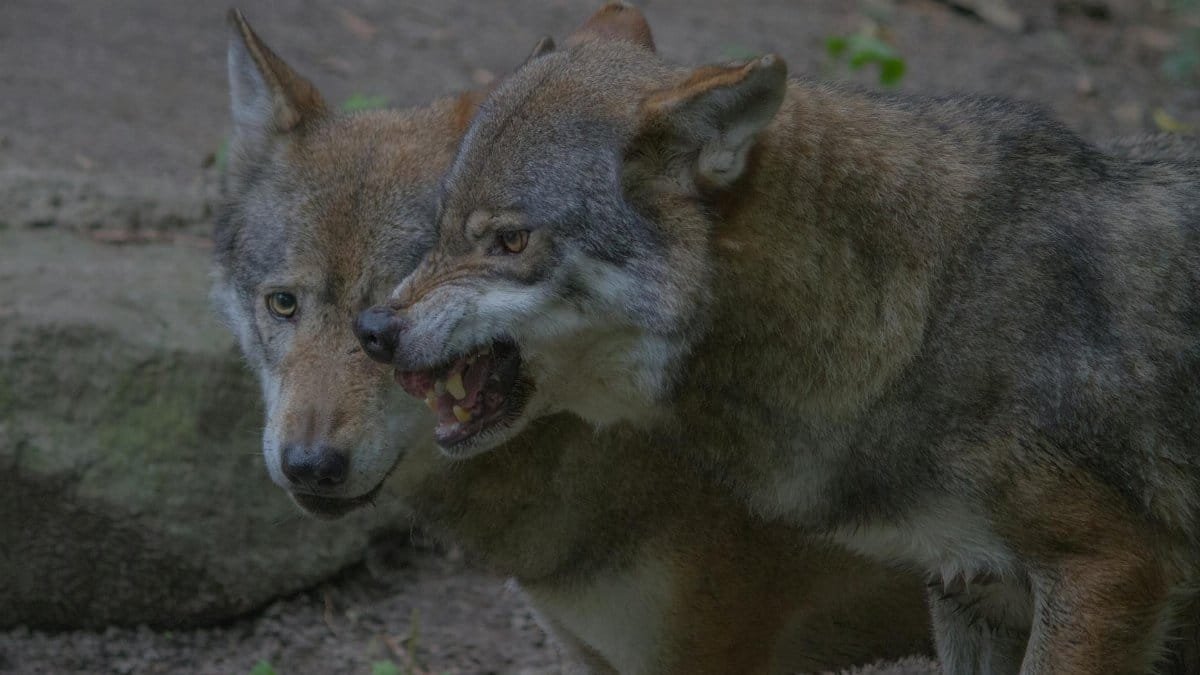
In Michigan’s wild north, gray wolves are vocalizing non-stop. Nightly howls have increased by 35%, according to trail cam data from the Isle Royale National Park. This uptick reveals hidden pack tensions, possibly from prey shortages or human encroachment. Researchers tie it to declining moose numbers, forcing wolves into riskier territories. It’s a sonic cry for conservation balance.
6. Bees Abandoning Hives Prematurely
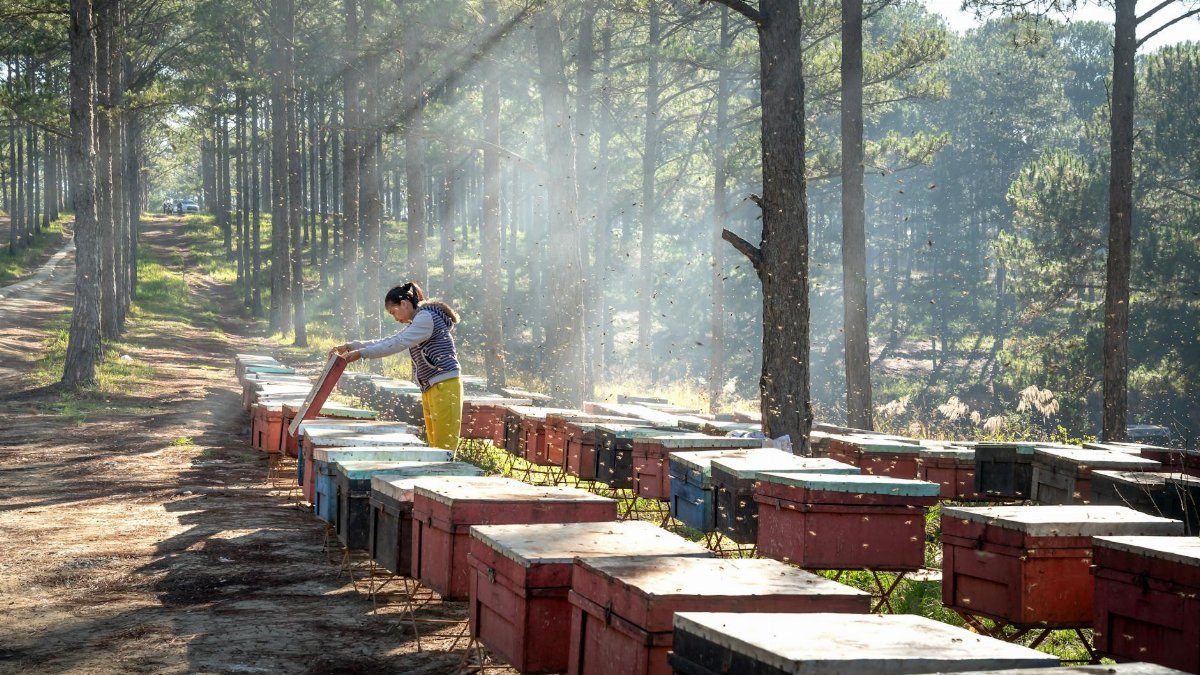
Michigan’s bee colonies are buzzing off early. Hive abandonments have risen 28% statewide, per apiary surveys. These signals point to pesticide exposure and floral shortages stressing pollinators. The impact ripples to agriculture, with crop yields potentially dipping. A report from USDA Pollinator Resources highlights how neonicotinoids exacerbate this, urging farmers to adopt bee-friendly practices in 2025.
7. Frogs Changing Call Patterns

Amphibians in Michigan wetlands are croaking out of sync. Spring peeper calls are starting earlier and lasting longer, indicating temperature-driven stress. This alteration reveals hidden tension from wetland drainage and pollution. Herpetologists note a correlation with a 10% habitat loss over the decade, threatening biodiversity. Monitoring these vocal shifts could guide restoration efforts.
8. Bears Raiding Trash More Often
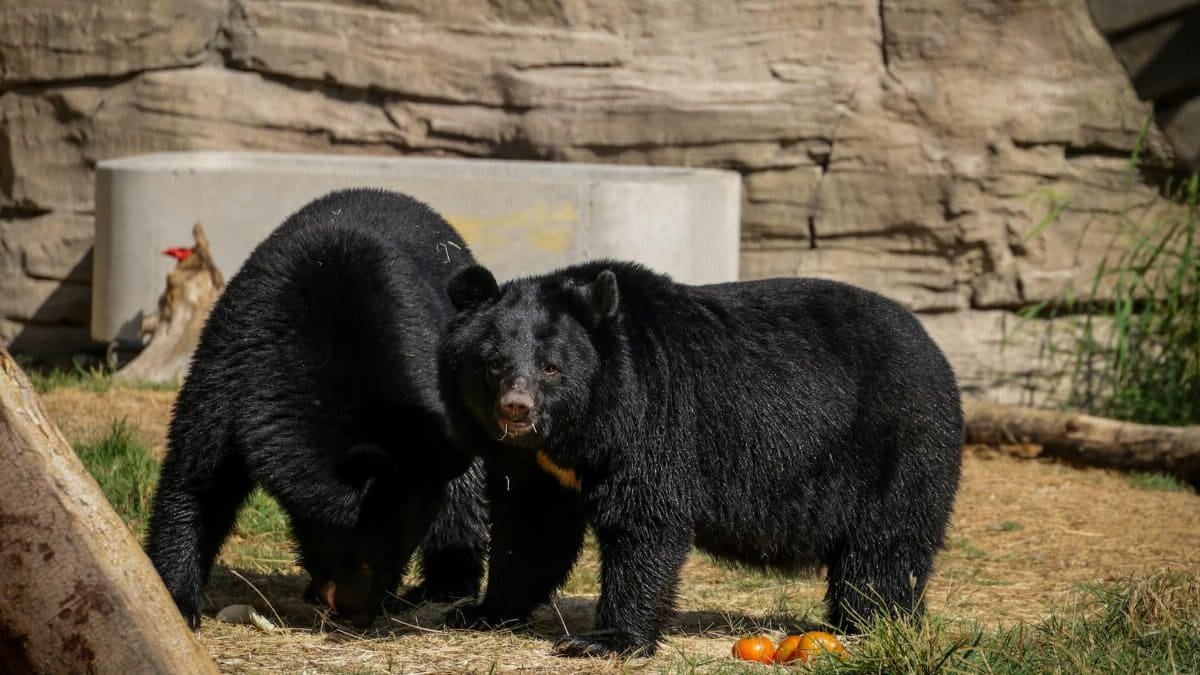
Black bears in the Lower Peninsula are dumpster diving like pros. Incidents have jumped 45% in recent years, signaling food scarcity in shrinking forests. These bold forays reveal tension from human expansion pushing bears into suburbs. Wildlife officials stress proper waste management to curb conflicts, as encounters rise with Michigan’s growing population.
These eight animal signals reveal a state under strain, where nature’s whispers are turning into warnings. Michigan residents and policymakers must heed them to preserve the balance. With 2025 bringing new environmental policies, there’s hope for turning the tide.