

In the rolling hills of Virginia, where urban bustle meets untamed wilderness, a quiet cultural shift is underway. Stressed professionals in cities like Richmond and Alexandria are turning to nature’s subtle signals for respite, drawing on the timeless interplay between animals, people, and Virginia’s diverse landscapes. It’s not about grand adventures but small, everyday observations, like the rustle of a deer in Shenandoah or the call of a red tailed hawk overhead. A recent survey by the Virginia Department of Wildlife Resources highlights this trend: nearly 40 percent of residents report that engaging with local wildlife helps them unwind, up from just 25 percent a decade ago. This growing awareness reflects a broader American yearning for calm amid relentless pace, where Virginia’s rich biodiversity offers accessible cues to pause and breathe. As we navigate 2025’s demands, these animal inspired moments might just be the antidote we’ve been seeking.
1. The Patient Forage of White Tailed Deer
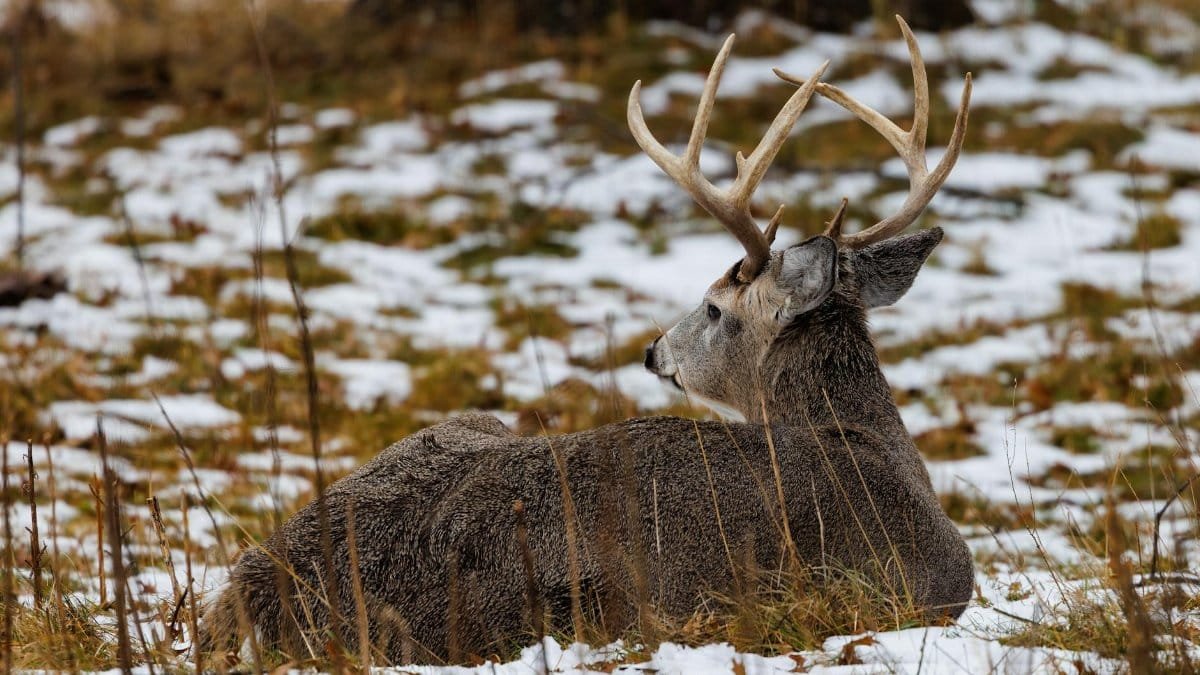
Virginia teems with white tailed deer, those graceful creatures that embody a deliberate slowness. Picture a family on a weekend hike in the Blue Ridge Mountains, spotting a doe methodically browsing for leaves. It’s not rushed; each movement is measured, a reminder to savor the present. This cue resonates deeply in a state where traffic jams in Northern Virginia can fray nerves. One anonymous account shared publicly online described watching deer at dusk as “like hitting a reset button on my chaotic day,” capturing how such sightings encourage mindfulness. Research from the USDA Forest Service supports this, showing that exposure to wildlife reduces stress hormones. In Virginia’s suburbs, where development encroaches on habitats, these encounters prompt people to step off the treadmill of productivity.
Yet, it’s not always serene. Tensions arise when deer venture into gardens, sparking debates over coexistence. Still, that friction underscores a key lesson: slowing down involves accepting nature’s unpredictability. Through storytelling sessions at local parks, Virginians share how emulating the deer’s patience has transformed rushed mornings into reflective rituals.
2. The Steady Rhythm of River Otters
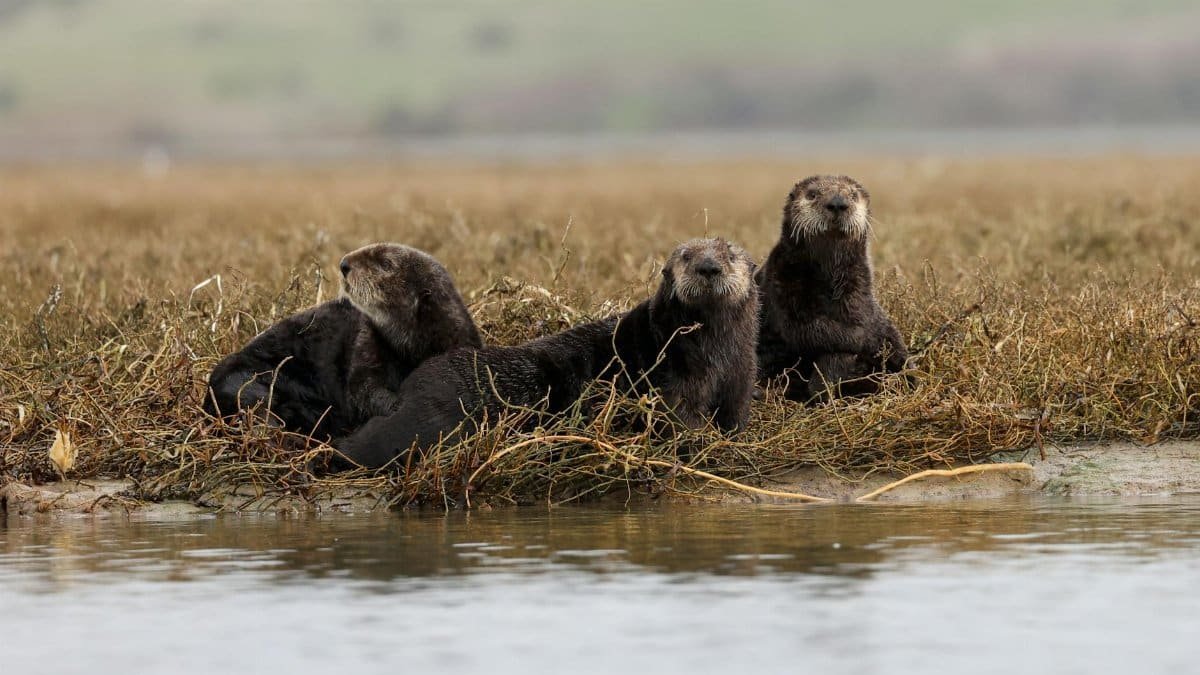
Along Virginia’s winding rivers, like the James or the Potomac, river otters glide with an effortless flow that invites observers to match their tempo. Imagine standing on a bridge in Richmond, watching an otter playfully tumble in the current, unhurried by the water’s pull. This sight has become a balm for city dwellers overwhelmed by deadlines. Studies from the U.S. Fish and Wildlife Service note how otters’ behaviors promote relaxation, with viewers reporting lower anxiety levels after just minutes of observation.
Diving deeper, these animals teach adaptability without frenzy. A group of friends on a kayaking trip once paused their paddles to watch otters hunt, later reflecting on how it mirrored letting go of rigid plans. In 2025, as remote work blurs boundaries, such cues from Virginia’s waterways help redefine balance, blending play with purpose in unexpected ways.
3. The Silent Vigil of Great Horned Owls
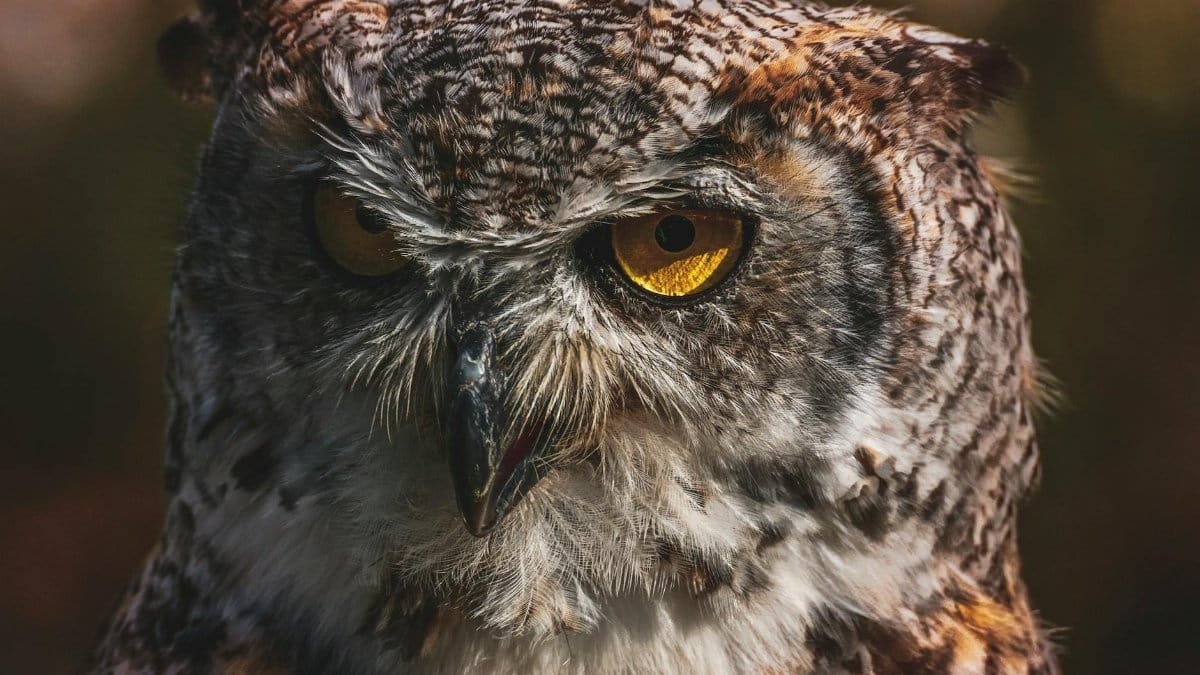
What if the hush of night held the key to inner quiet? Enter the great horned owl, perched high in Virginia’s oak forests, its wide eyes scanning with profound stillness. Residents in rural areas, from the Shenandoah Valley to the Eastern Shore, often hear its haunting hoot, a signal to wind down. This nocturnal sentinel encourages a shift from daytime hustle, as one might pause on a porch swing, absorbing the calm.
Blending observation with science, data from the Cornell Lab of Ornithology reveals that bird watching, including owls, enhances emotional regulation. Yet, the real magic unfolds in personal tales: a stressed teacher in Charlottesville recounted how owl spotting during evening walks eased her insomnia, turning sleepless nights into moments of connection with nature’s rhythm.
Of course, owls aren’t always visible, adding an element of anticipation that mirrors life’s uncertainties, fostering patience in the process.
4. The Gentle Grazing of Wild Ponies
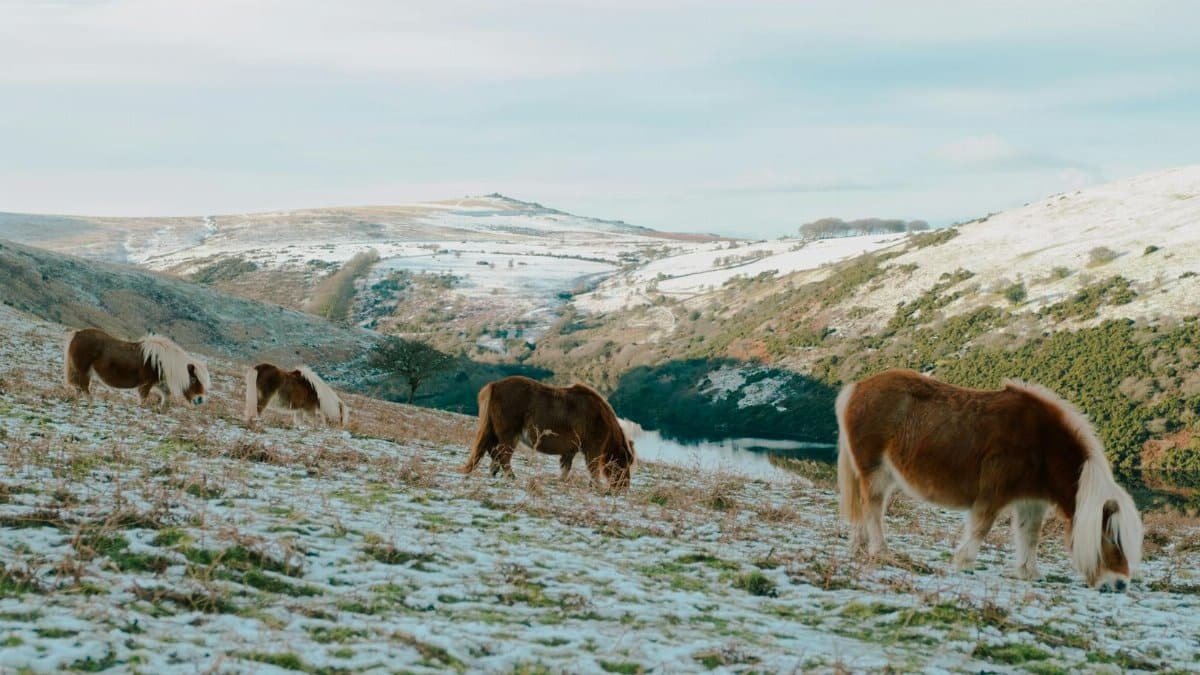
On Assateague Island, Virginia’s wild ponies roam freely, grazing with a contentment that captivates visitors. Their unhurried munching on saltmarsh grasses offers a visual cue to decelerate, especially for those escaping the intensity of nearby Washington, D.C. commuters. This tradition draws crowds, but it’s the ponies’ serene demeanor that lingers, prompting reflections on simplicity.
Insights from the National Park Service highlight how these herds contribute to ecosystem balance, indirectly teaching humans about sustainable pacing. Anecdotes abound: a family vacationer described how watching the ponies “melted away the week’s worries,” illustrating the restorative power woven into Virginia’s coastal heritage.
Amid debates over pony management, these animals remind us that slowing down often means embracing communal harmony over individual rush.
5. The Soaring Grace of Bald Eagles
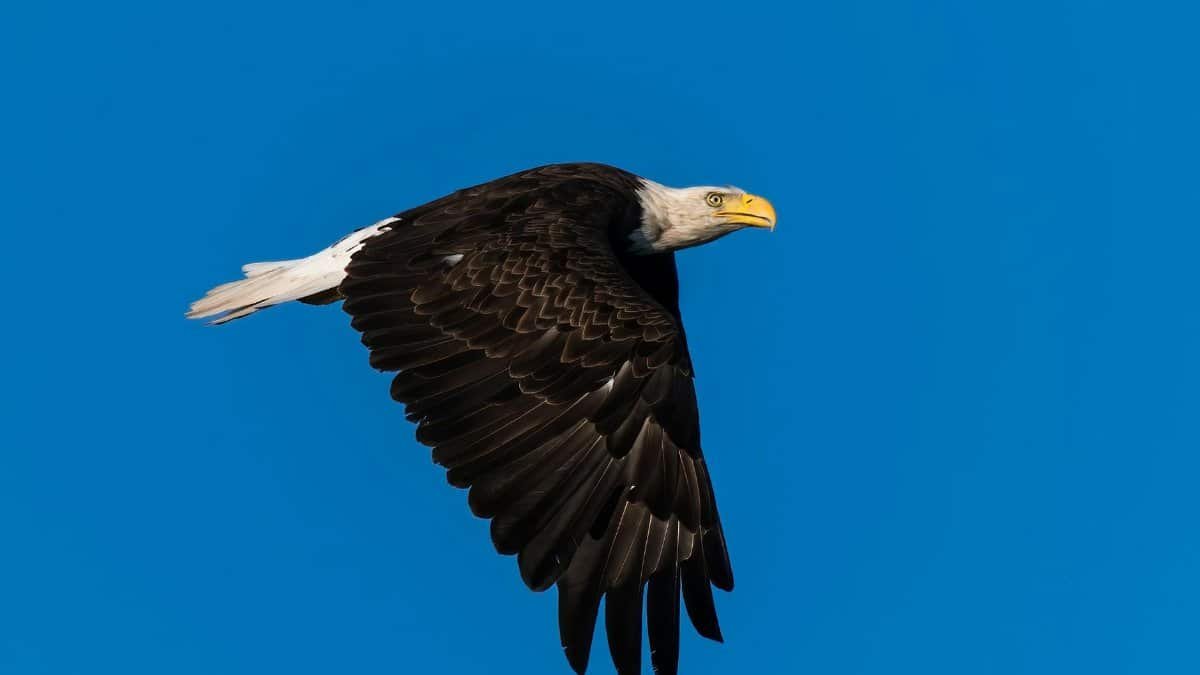
Bald eagles, symbols of American resilience, soar over Virginia’s skies with wings spread wide, embodying effortless elevation. Spot one circling above the Chesapeake Bay, and it’s hard not to feel inspired to rise above daily grind. For many in the Tidewater region, these birds provide a cue to pause and appreciate broader perspectives.
A study linked through the USGS Patuxent Wildlife Research Center shows eagle observation correlates with improved mood and reduced burnout. One vivid snapshot: during a boat tour, a group marveled as an eagle dove for fish, sparking conversations about mirroring that focused yet relaxed approach in their own lives.
Challenges like habitat loss add nuance, urging proactive conservation that aligns with personal slowdown strategies.
6. The Busy Yet Balanced Bees
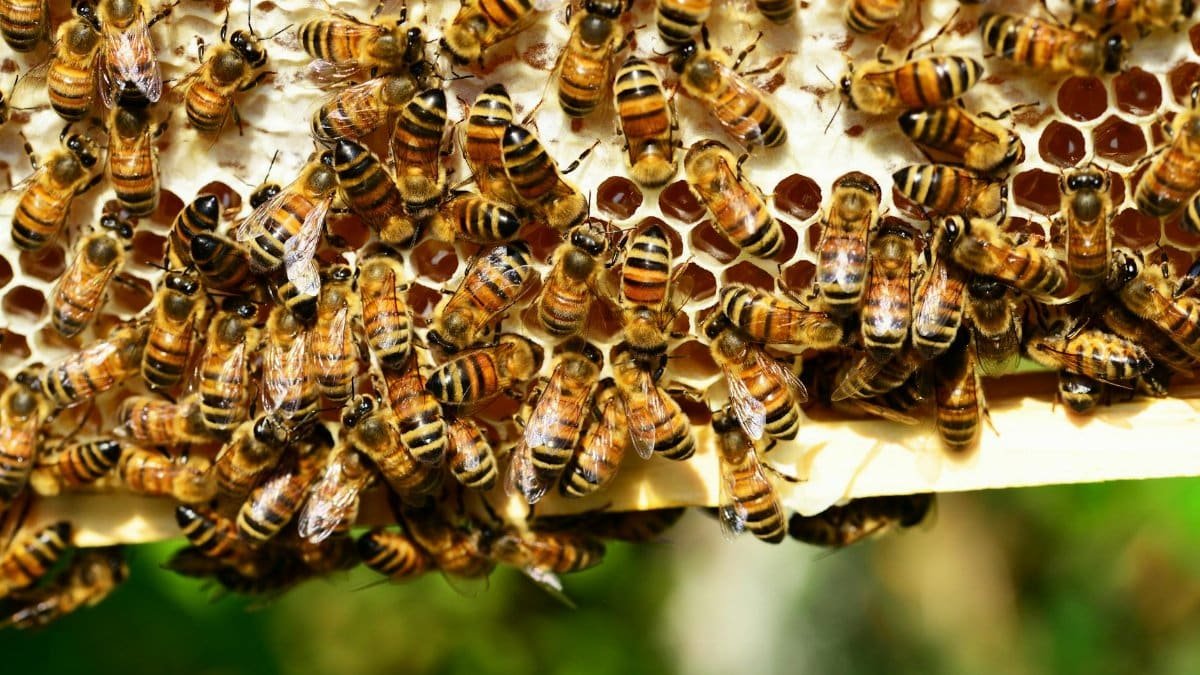
Virginia’s meadows buzz with honeybees, their diligent yet harmonious work a paradox of activity and calm. Observing a hive in a community garden in Roanoke reveals patterns of cooperation, where no bee rushes recklessly. This cue helps people reframe busyness, turning frantic energy into purposeful flow.
Research from the USDA Agricultural Research Service underscores bees’ role in pollination and their metaphorical lessons in sustainability. Publicly shared stories often note how bee watching during lunch breaks fosters a sense of collective calm amid individual tasks.
With colony collapse concerns, these insects highlight the fragility of balance, encouraging mindful engagement with nature.
7. The Camouflaged Calm of Box Turtles

Hidden in Virginia’s woodlands, box turtles move with deliberate slowness, their shells a shield of patience. Encounter one on a trail in the Appalachian region, and it prompts a halt, inviting contemplation of hidden strengths. This understated cue appeals to those seeking subtlety in a loud world.
Findings from the Virginia Wildlife Center emphasize turtles’ longevity, linking it to stress reducing benefits of nature immersion. A hiker’s tale of gently relocating a turtle off a path evolved into a metaphor for navigating life’s obstacles without haste.
Urban expansion threatens their habitats, adding urgency to these lessons in resilience and rest.
8. The Playful Leaps of Dolphins
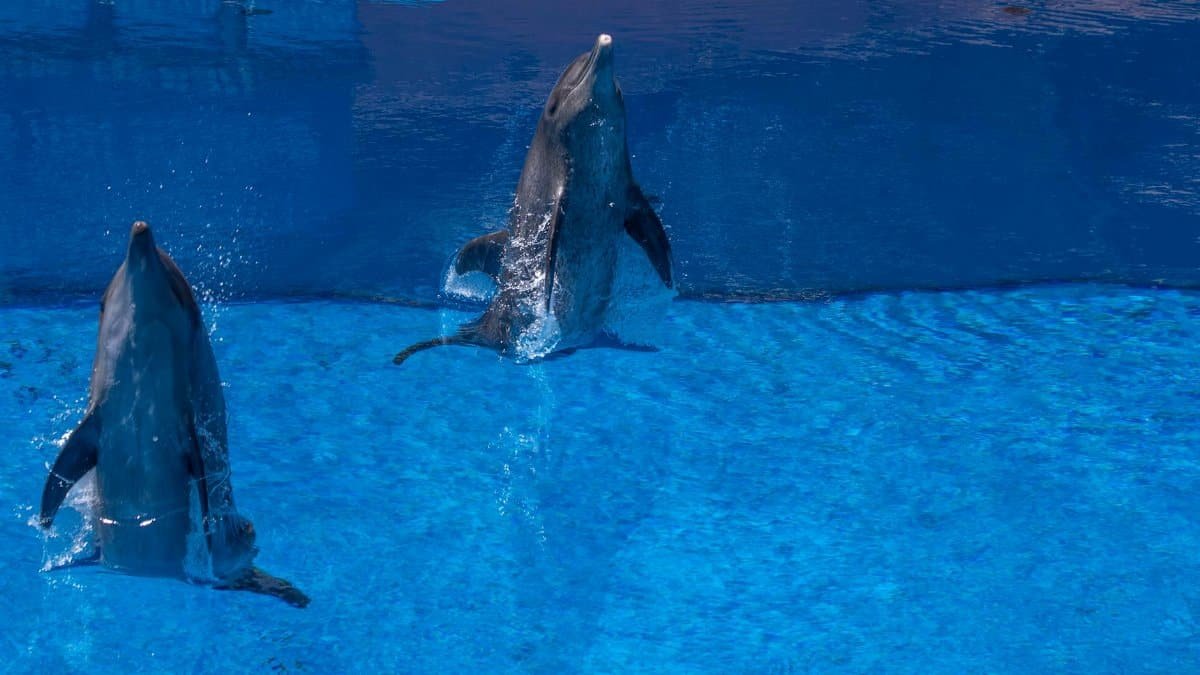
Off Virginia Beach, bottlenose dolphins leap with joyful abandon, their synchronized swims a dance of leisure. Tourists and locals alike find solace in these displays, where play trumps productivity. This final cue encapsulates Virginia’s coastal spirit, urging a blend of fun and tranquility.
Data from the NOAA Fisheries illustrates dolphins’ social behaviors, which inspire human connections and relaxation. One beachgoer’s reflection: spotting dolphins at sunrise turned a stressful vacation into a rejuvenating escape, weaving animal cues into personal renewal.
As climate shifts affect marine life, these encounters reinforce the need for sustainable slowdowns, tying individual well being to environmental health.