
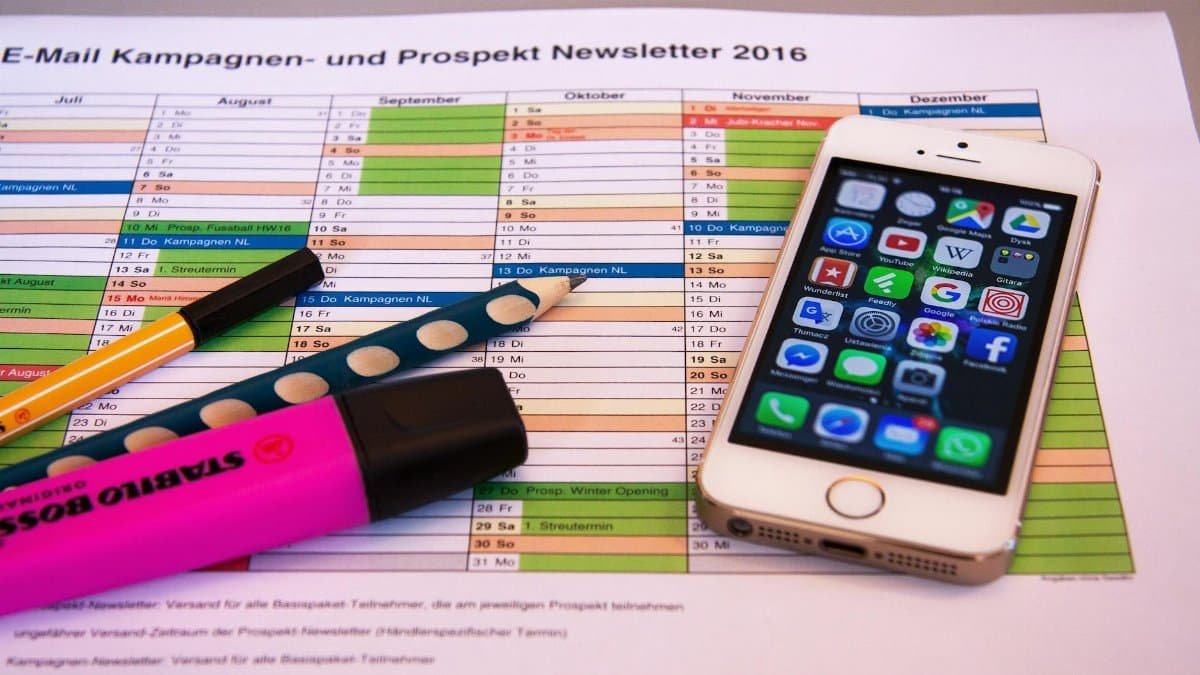
In an age of relentless smartphone notifications, a backlash is brewing among burned-out professionals. They’re trading apps for analog tools that deliver laser focus without endless scrolling. A 2023 study from the University of California found digital multitasking slashes productivity by 40 percent, while tactile methods enhance retention and creativity. From scribbled notes to ticking timers, these eight low-tech powerhouses are helping workers reclaim their day—and their sanity.
1. The Notebook: Brain Dump Central

Digital note apps crash and sync forever, but a sturdy notebook never does. Moleskine sales surged 15 percent last year as execs like Spanx founder Sara Blakely swear by them for idea capture. The act of handwriting engages the brain differently—research from Princeton shows it boosts memory encoding by 25 percent over typing. Jot to-do lists, sketches or meeting recaps on crisp paper. No notifications interrupt your flow. At $20 a pop, it’s cheaper than therapy for your fractured attention.
2. The Fountain Pen: Tactile Task Master
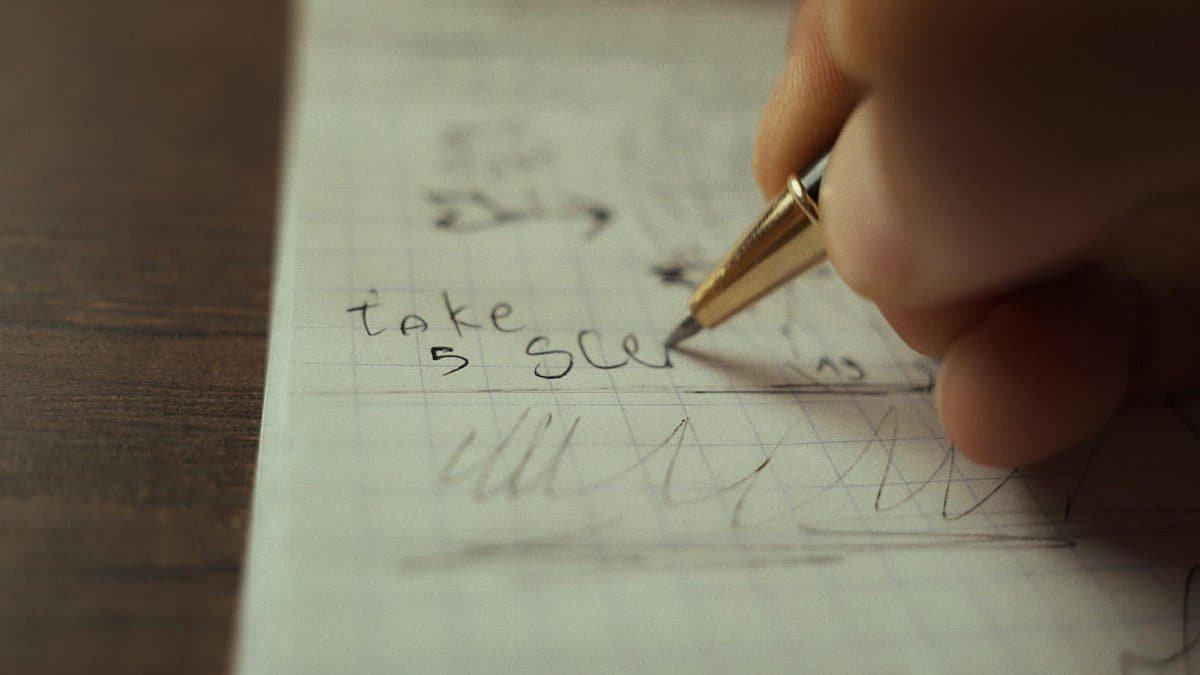
Forget ballpoints that skip; a fountain pen glides like butter, turning writing into ritual. Brands like Pilot Metropolitan offer smooth ink flow for under $30. Neurologists note the deliberate stroke mimics drawing, firing up neural pathways typing ignores. Use it for daily journals or priority lists—physically crossing off tasks delivers a satisfaction apps can’t match. Wall Street traders and authors alike pocket them to dodge phone temptation during brainstorming sessions.
3. Kitchen Timer: Pomodoro’s Physical Punch
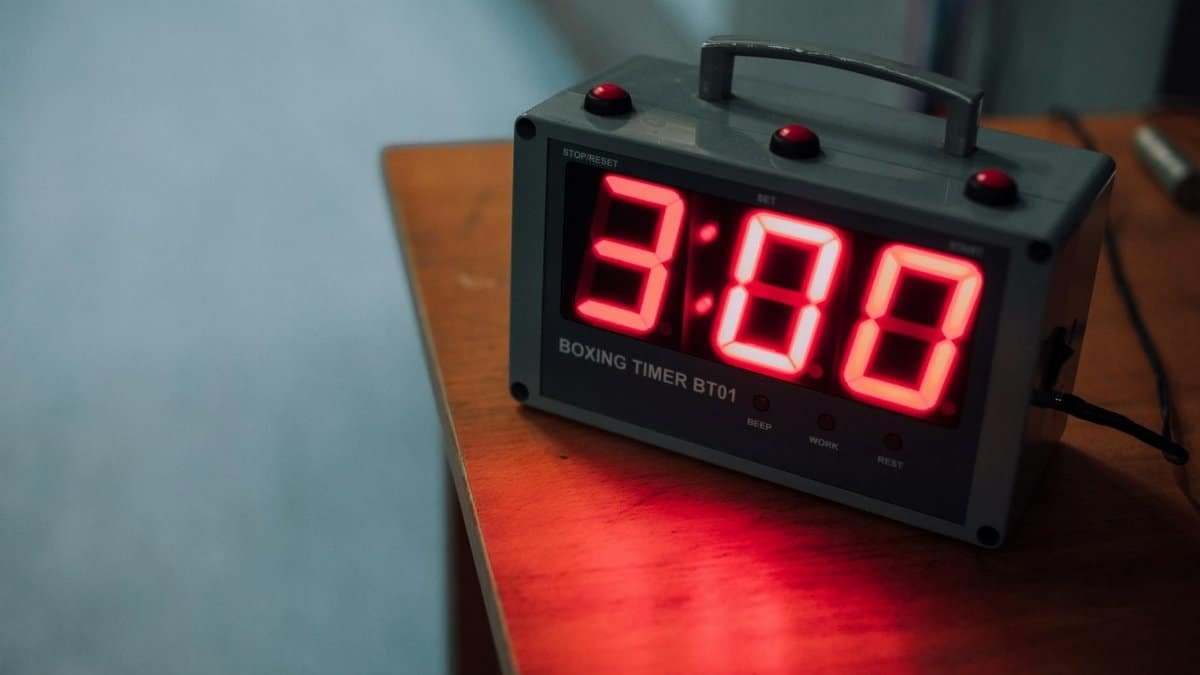
App timers buzz softly and get buried in tabs, but a wind-up kitchen timer demands attention with its insistent ding. Time your 25-minute work sprints like Francesco Cirillo intended with the Pomodoro technique. A retro TimeTimer model, with its sweeping red disk, visually tracks progress without screens. Studies in the Journal of Applied Psychology confirm physical cues outperform digital ones for habit formation. Set it, focus, break—repeat to crush your workday.
4. Wall Calendar: The Big-Picture Boss
Google Calendar hides the forest for the trees; a giant wall calendar lays out months at a glance. Mark deadlines with colored markers—red for urgent, green for wins. Real estate mogul Barbara Corcoran pins hers above her desk for constant visibility. Data from productivity firm RescueTime reveals paper calendars reduce scheduling errors by 30 percent. No swiping needed; it’s always on, fostering proactive planning over reactive firefighting.
5. Index Cards: DIY Kanban Boards
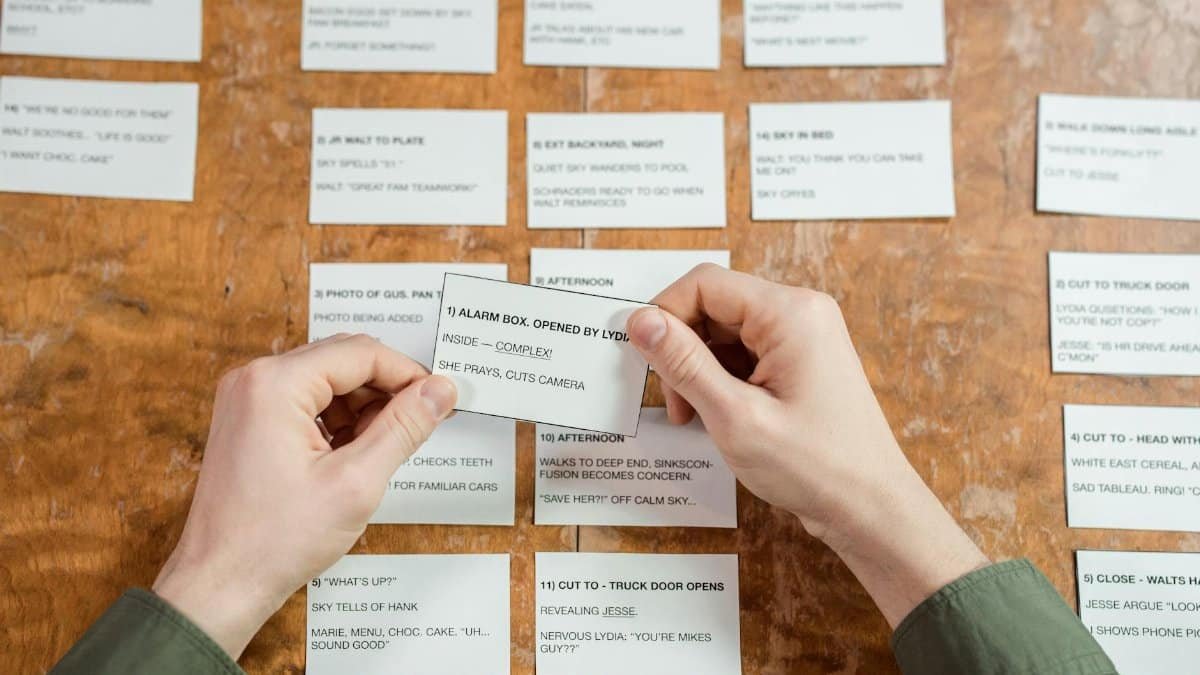
Drag-and-drop apps like Trello glitch; stack index cards for a portable, customizable system. Write one task per card, sort into “To Do,” “Doing,” “Done” piles. David Allen’s Getting Things Done method thrives on this analog agility. At pennies each, they’re infinitely rearrangeable—no software subscriptions. Tech CEOs like Basecamp’s Jason Fried use card walls to visualize projects, claiming it sparks breakthroughs apps smother in features.
6. Analog Watch: Silent Time Guardian
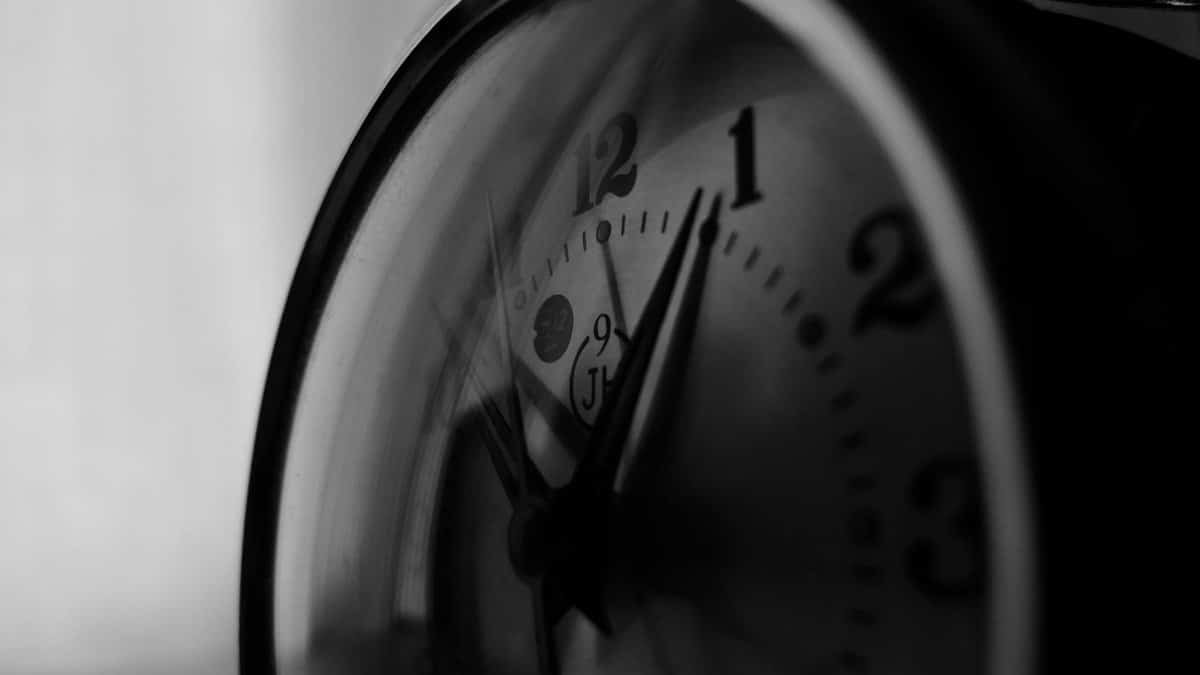
Smartwatches vibrate distractions; a mechanical watch ticks steadily, no alerts. Seiko’s affordable automatics keep precise time with sweeping seconds hands that build subtle urgency. Wear it to train time-blocking—glance, not grab. A Harvard Business Review analysis links constant phone checks to 23 percent less output; analog forces discipline. Pair with the notebook for a duo that turns hours into achievements.
7. Desk Planner Pad: Daily Blueprint
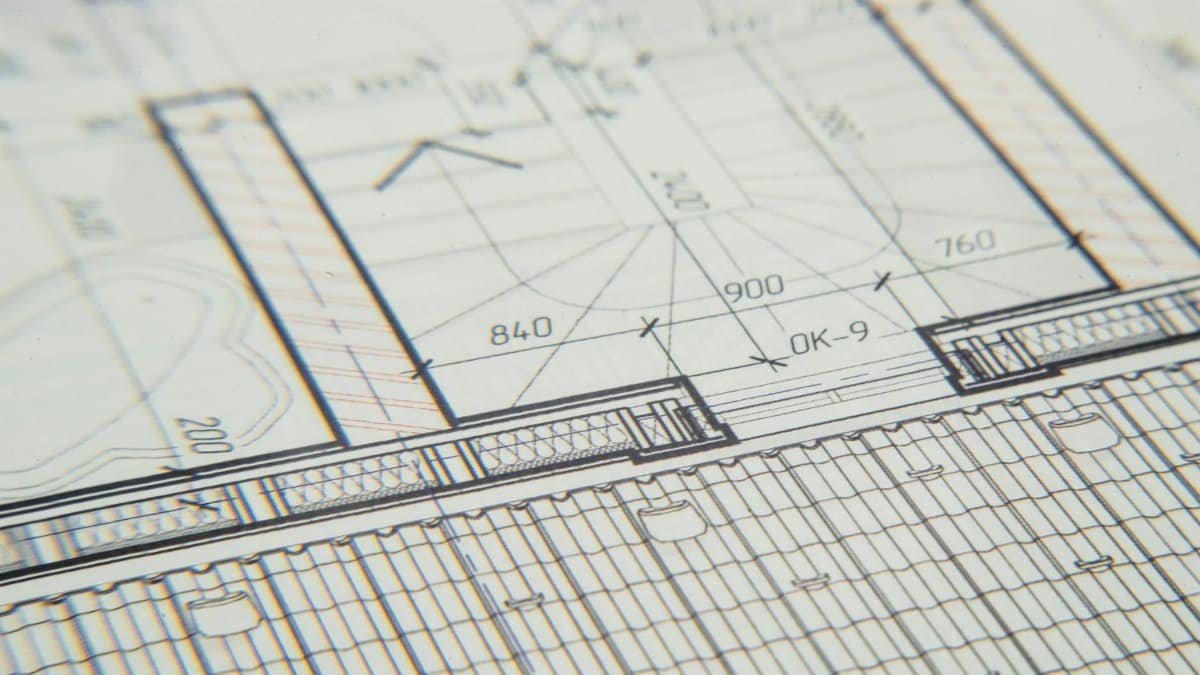
Endless digital planners overwhelm; a tear-off desk pad distills your day to essentials. At-A-Glance pads offer hourly blocks plus goal sections for $10. Fill it each morning—top priorities first. Freelancers report 35 percent faster task completion per a Desktime survey on paper vs. pixels. It’s finite space prevents bloat, keeping you ruthless with time. Rip off yesterday’s sheet for that rare win: closure.
8. Inbox Tray Stack: Zero-Email Chaos
Email inboxes explode into infinity; three-tier physical trays enforce “inbox, action, archive.” Sort mail, docs and notes weekly—no digital deluge. Marie Kondo fans extend her method here for mental clarity. Productivity consultant David Kadavy measured a 20 percent focus gain after going tray-only. Label boldly, process daily—watch overwhelm evaporate as analog tools reclaim your mental bandwidth.
These analog tools aren’t nostalgic relics; they’re battle-tested weapons against smartphone sabotage. As hybrid work blurs boundaries, pros from Silicon Valley to Madison Avenue are stocking desks with paper and gears. Ditch the doomscroll—your output awaits.By Chris F. Weber