
Intro

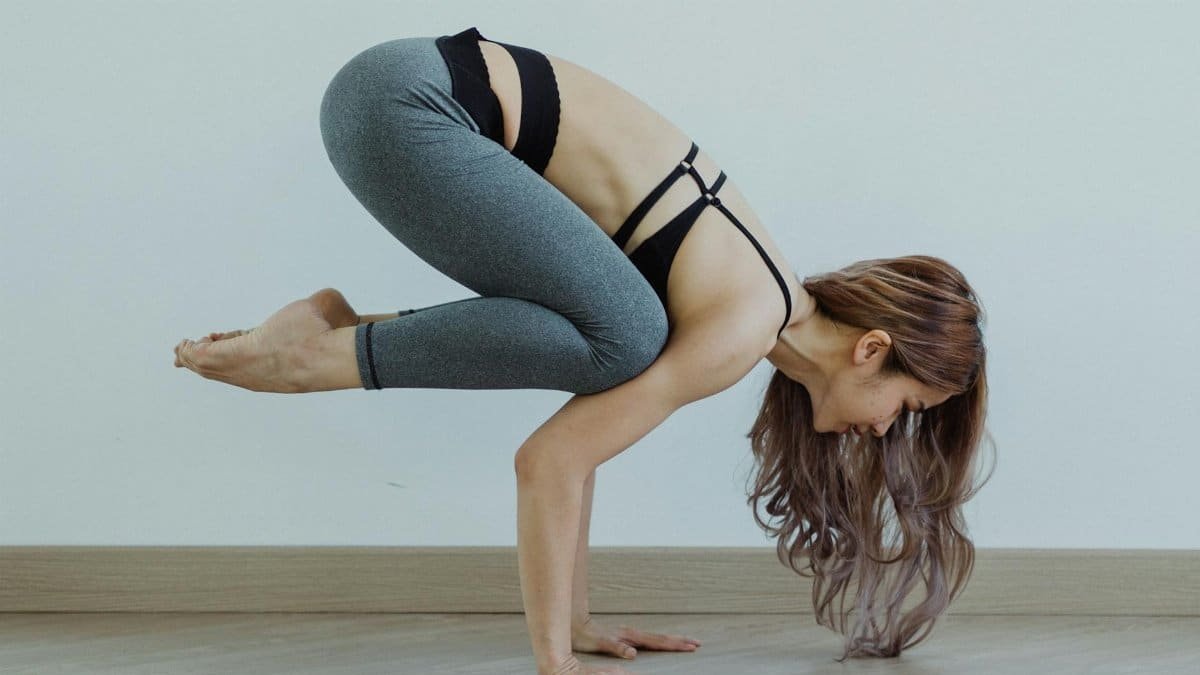
New data shows 35% of U.S. adults are incorporating yoga into their routines for mental health boosts, up from 28% last year, according to a recent survey. At the heart of this surge are transforming, emotional sequences—yoga mobility flows designed to shift moods and build resilience. These practices blend physical stretches with mindful breathing, helping users tackle stress and anxiety head-on. As more people seek natural ways to steady their emotions amid 2025’s fast-paced world, these sequences are gaining traction in gyms and apps nationwide.
1. The Grounding Root Sequence

This sequence starts with child’s pose, easing into downward dog and forward folds. It’s all about rooting down to release pent-up tension. Practitioners report feeling more centered after just 10 minutes. A study from the National Institutes of Health highlights how such poses lower cortisol levels, the stress hormone. In New York City studios, instructors swear by it for urban dwellers battling daily chaos. Repeat three times a week for noticeable calm.
2. Heart-Opening Flow

Focus on backbends like cobra and camel pose to open the chest and invite vulnerability. This transforming emotional sequence targets grief and fosters self-compassion. Users often describe a rush of relief, as if emotional walls crumble. Research from Harvard Medical School, detailed in their yoga benefits overview, links these movements to improved mood regulation. It’s popping up in corporate wellness programs across the U.S., with execs using it to combat burnout in 2025’s hybrid work era.
3. Balancing Warrior Series
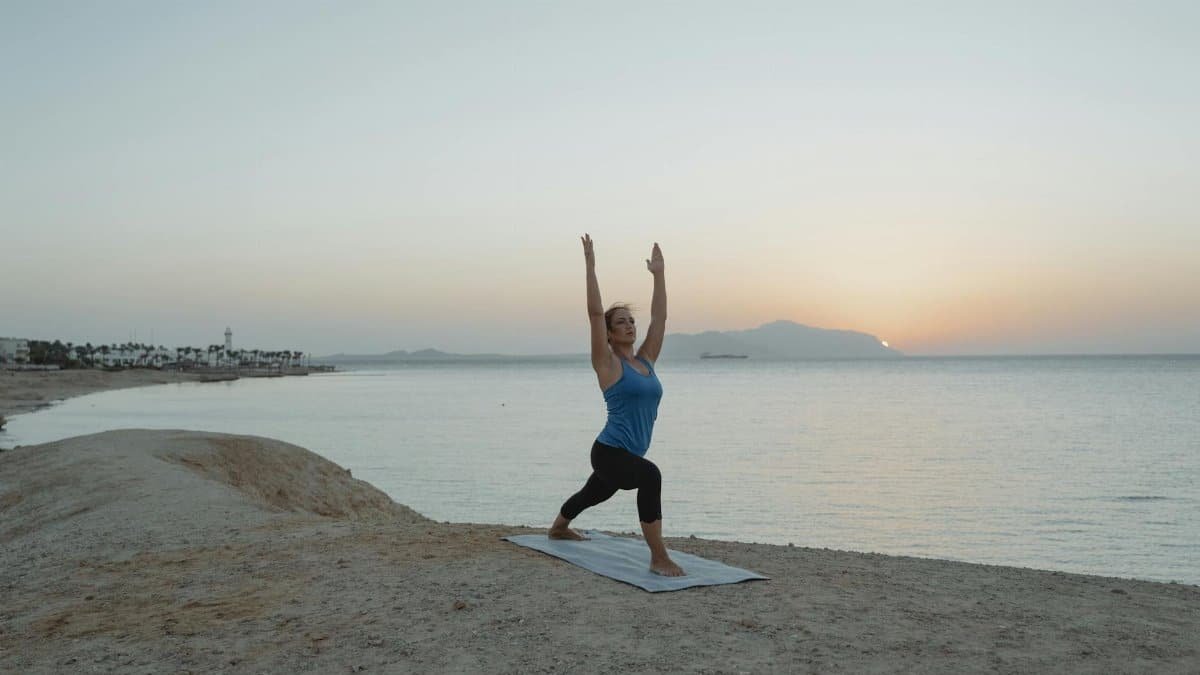
Incorporate warrior poses with tree stance for stability and focus. This sequence builds emotional equilibrium by challenging physical balance, mirroring life’s ups and downs. A quick 15-minute session can shift anxiety to empowerment. The American Psychological Association notes yoga’s role in resilience, supported by findings on their mindfulness page. From California retreats to Midwest home practices, it’s helping folks navigate personal crises with grace.
4. Twisting Detox Flow

Revolved triangle and seated twists wring out toxins, both physical and emotional. It’s ideal for letting go of resentment or regret. Participants feel lighter, with clearer minds post-practice. A report from the Centers for Disease Control and Prevention underscores yoga’s detox benefits for overall well-being. In 2025, therapists are recommending it alongside talk therapy for deeper emotional processing.
5. Restorative Yin Sequence

Slow holds in poses like supported bridge and legs-up-the-wall promote deep relaxation. This gentle approach soothes the nervous system, transforming overwhelm into peace. It’s perfect for evenings, aiding sleep and emotional recovery. Evidence from Johns Hopkins Medicine, via their yoga health page, shows it reduces symptoms of depression. Urban yogis in bustling cities like Chicago are turning to it for nightly resets.
6. Energizing Sun Salutation Variation

A modified sun salutation with added lunges and planks amps up energy while processing stagnant emotions. It sparks motivation and joy, countering lethargy. Morning routines featuring this have surged, per fitness app data. The Mayo Clinic’s stress management resources confirm yoga’s uplift in emotional states. As 2025 brings new wellness trends, this sequence is a staple in virtual classes nationwide.
7. Mindful Breath Integration

Combine alternate nostril breathing with gentle mobility like cat-cow and spinal waves. This sequence directly ties breath to emotion, fostering awareness and control. It’s transformative for anger management, with users gaining tools for real-time calm. A Pew Research Center analysis on wellness trends, accessible through their health trends section, notes rising interest in breathwork. From Texas to Florida, communities are adopting it for everyday emotional balance.
These seven yoga mobility sequences are more than workouts, they’re tools for emotional transformation. With rising mental health awareness in 2025, experts predict even broader adoption. Whether you’re a beginner or seasoned practitioner, starting small can yield big shifts in resilience.