
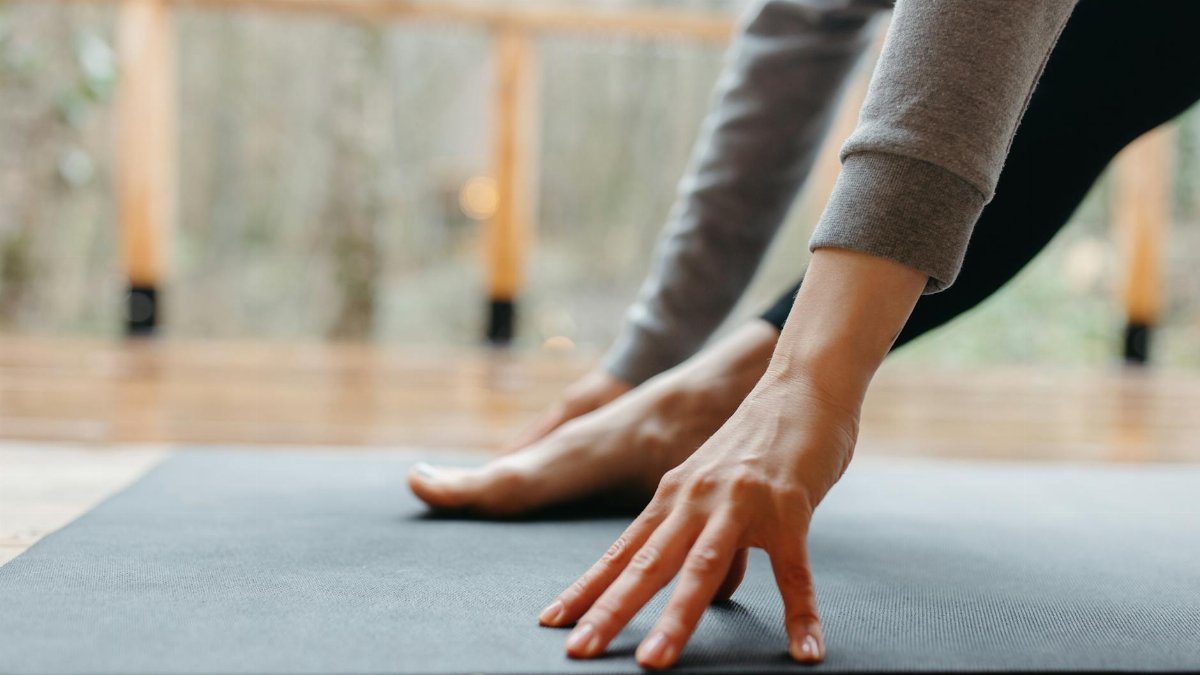
In a nation where sedentary lifestyles dominate, a striking statistic emerges from recent research: nearly 36 million Americans now incorporate yoga into their routines, up from just 20 million a decade ago, according to data from the National Institutes of Health. This surge reflects a growing recognition of how yoga can enhance habits, daily, mobility—those small, consistent movements that keep bodies agile amid the demands of work, family, and aging. For middle-aged adults juggling careers and caregiving, these practices offer more than flexibility; they foster resilience against the stiffness that creeps in with time. As one study participant put it anonymously in an online forum, the shift felt like reclaiming control over a body that had started to feel foreign. But what specific sequences can truly integrate into everyday life? This piece explores seven yoga mobility sequences designed to support daily habits, drawing on expert insights and real-world applications to show how they can transform routines without overwhelming schedules.
1. Morning Sun Salutation Flow

Start the day with intention. This classic sequence, rooted in ancient Hatha traditions, begins with standing tall in mountain pose, arms reaching skyward, then folding forward into a gentle bend. Flow through a series of lunges, planks, and upward-facing dogs, repeating for five to ten rounds. It’s not just about waking up muscles; it primes the body for the physical demands ahead, like commuting or household chores.
Consider Sarah, a 52-year-old teacher from Chicago, who wove this into her mornings after years of back pain from desk work. She noticed her posture improving, making long school days less taxing. Research backs this up: a study published in the Journal of Alternative and Complementary Medicine found that regular sun salutations enhance spinal flexibility and reduce stress hormones. Vary the pace—slower for reflection, faster for energy. Over time, it builds a habit of mindful movement, countering the inertia that sets in with age.
Yet, it’s the subtlety that shines. Short breaths sync with each transition, fostering a rhythm that carries into daily tasks. No need for a full hour; even ten minutes reshapes how one approaches the day.
2. Hip-Opening Sequence for Desk Dwellers

Office life tightens hips, but this sequence loosens them up. Begin seated on the floor in a butterfly pose, soles together, knees wide. Gently press elbows into thighs for a deeper stretch, then transition to pigeon pose, one leg extended back, the other bent forward. Hold each side for a minute, breathing deeply.
It’s particularly useful for those in their forties and fifties, where prolonged sitting contributes to mobility issues. A report from the Centers for Disease Control and Prevention highlights how sedentary behavior increases risks for joint problems, yet simple interventions like this can mitigate them. Imagine a mid-afternoon break: instead of scrolling, someone drops into pigeon pose by their desk, emerging with renewed focus.
The narrative here isn’t linear. Challenges arise—tight hamstrings might protest at first—but persistence reveals freedom. One anonymous account shared publicly described the relief of finally touching toes after months, turning a chore into a victory. Integrate it post-work to unwind, supporting habits that prevent chronic discomfort.
3. Spinal Twist Series for Digestive Health
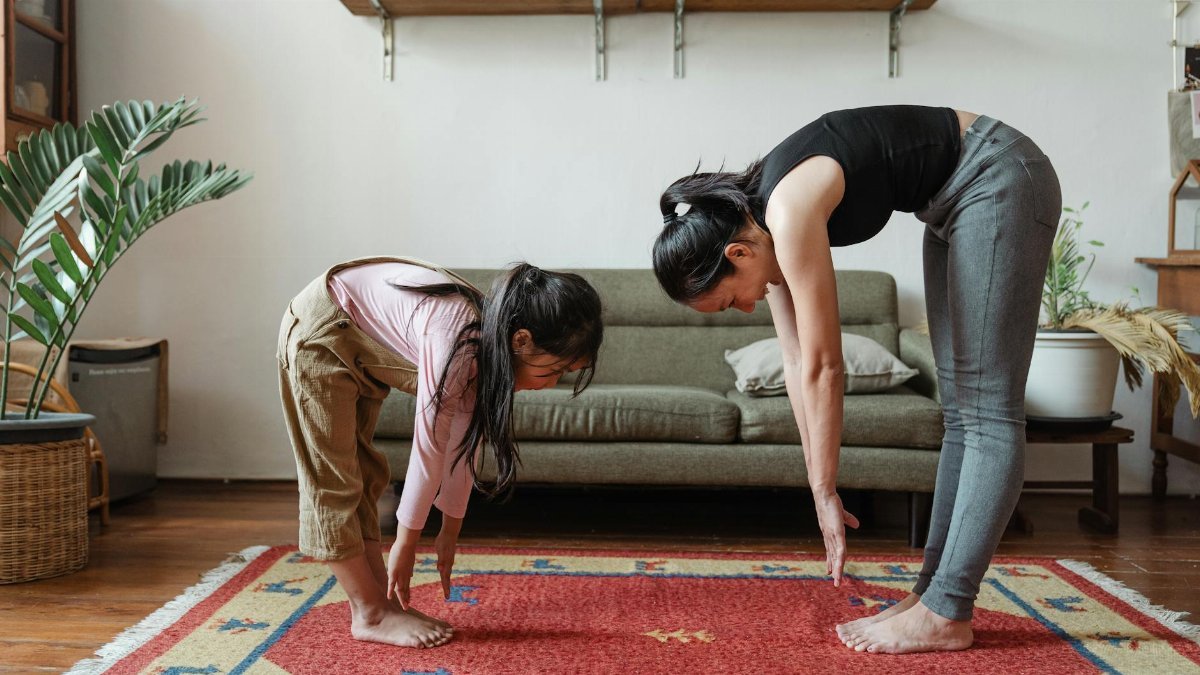
Twists detoxify and energize. Lie on your back, draw one knee across the body, and gaze in the opposite direction. Alternate sides, then move to seated twists, hands pressing for leverage. This sequence aids digestion, crucial for maintaining energy throughout the day.
For middle-aged readers, it’s a quiet ally against bloating from irregular meals. Evidence from Harvard Medical School’s health publications, accessible via their main health resources page, suggests yoga twists improve gut motility. Picture a busy parent squeezing in a few minutes before dinner; suddenly, meals feel less heavy.
But let’s not oversimplify. Some days, the twist uncovers tension from stress, prompting a moment of release. Vary by adding props like a bolster for support, making it accessible. It weaves into evening routines, fostering habits that sustain overall wellbeing without fanfare.
4. Shoulder and Neck Release Flow

Tech necks beware. This sequence starts with gentle neck rolls, circling slowly, then eagle arms—wrapping one elbow under the other and lifting. Follow with thread-the-needle pose on all fours, sliding one arm under the other for a deep shoulder stretch.
Amid rising screen time, it’s essential. A Pew Research Center analysis on digital habits, detailed in their internet and technology reports section, notes how constant device use strains upper bodies. One person’s story: a remote worker from Seattle found that incorporating this midday broke the cycle of headaches, allowing clearer thinking for afternoon calls.
Transitions feel fluid, almost intuitive. Start slow to avoid strain, building to fuller expressions. It supports daily mobility by easing the buildup from hours hunched over keyboards, turning potential pain points into opportunities for relief.
5. Balance-Focused Tree Pose Variations
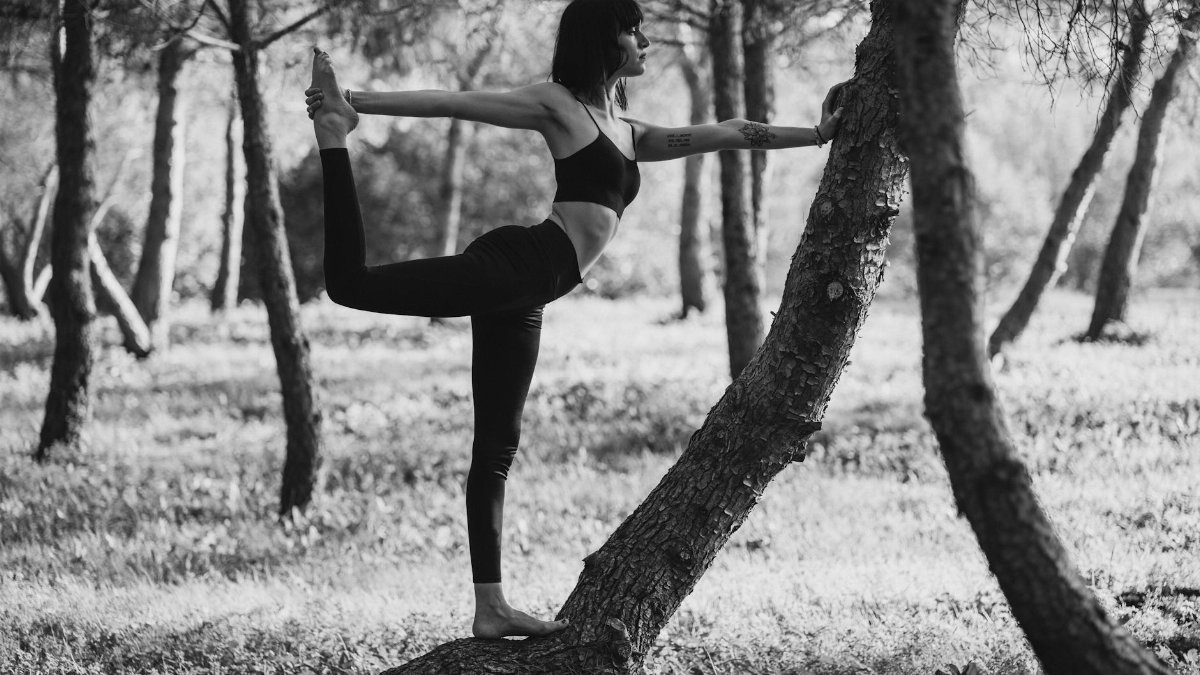
Stability starts here. Stand on one leg in tree pose, foot pressed to the inner thigh, arms branched overhead. Add variations like swaying gently or closing eyes to challenge equilibrium. Repeat on both sides for balance.
This isn’t just physical; it builds mental fortitude for life’s wobbles. Studies from the National Institutes of Health, including those on yoga’s role in fall prevention, available through their aging health resources, show improved proprioception in older adults. Envision a retiree practicing this while waiting for coffee, gaining confidence for daily walks.
Yet, falls happen in practice too, teaching resilience. An online reflection captured this: someone described toppling at first, only to stand taller weeks later. It integrates into habits, daily, mobility, enhancing steadiness for everything from gardening to grandparenting.
6. Core-Strengthening Boat Pose Sequence

Engage the center. From seated, lift legs into boat pose, torso leaning back, arms extended. Hold, then lower and lift in pulses for added intensity. This fortifies the core, supporting posture and endurance.
For those navigating midlife changes, it’s a game-changer. The American Council on Exercise references yoga’s core benefits in their fitness guidelines, found on their public resources page. Think of a commuter holding boat pose mentally during a bumpy ride, translating to real strength off the mat.
The flow varies—some days it’s a quick burst, others a meditative hold. It counters the softening that comes with age, weaving into routines that keep energy flowing through demanding days.
7. Restorative Child’s Pose with Extensions
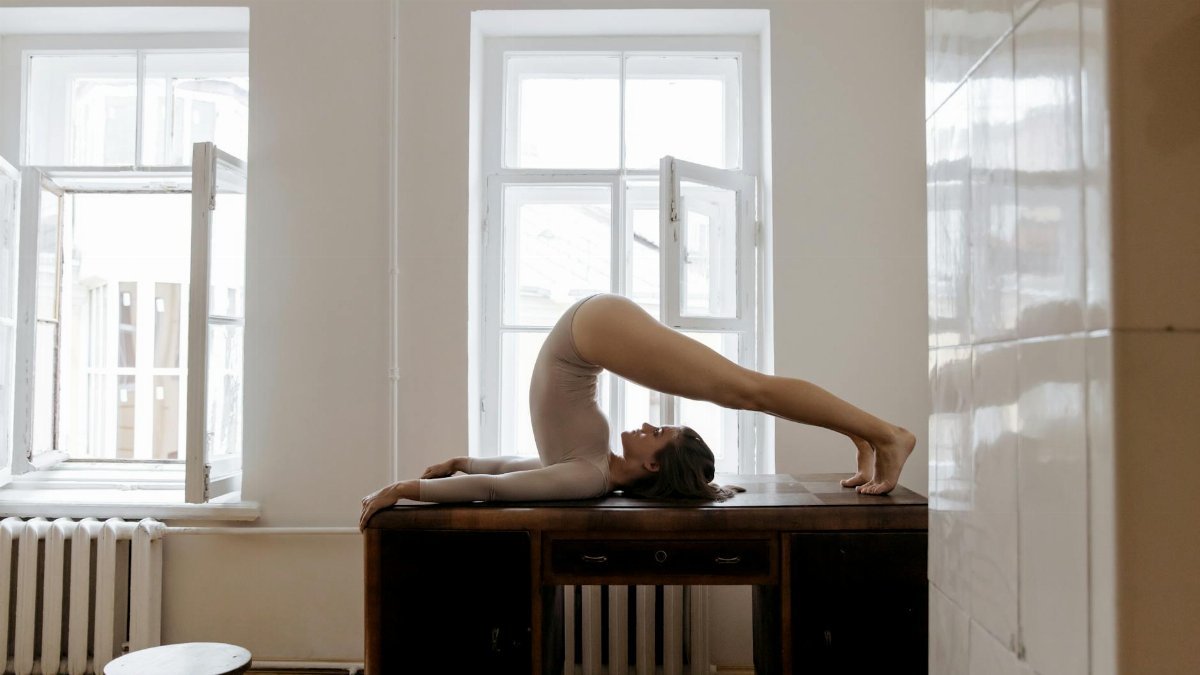
End with surrender. Kneel into child’s pose, arms extended forward, forehead to the mat. Add side stretches by walking hands to one side, then the other. This sequence promotes recovery, essential for sustainable habits.
In a culture of constant go, restoration matters. Insights from the Mayo Clinic’s wellness articles, via their healthy lifestyle section, emphasize rest’s role in mobility maintenance. A quiet evening ritual: after a long day, this pose melts away tension, preparing for tomorrow.
But depth comes in layers. Initial discomfort gives way to ease, mirroring life’s ebbs. It caps off daily practices, ensuring mobility remains a habit, not a fleeting trend, in 2025 and beyond.
As these sequences illustrate, yoga isn’t about perfection; it’s about integration. They support habits, daily, mobility by addressing real needs, from dawn to dusk. Middle-aged Americans, facing the pull of time, find in them a path to vitality. Whether through a quick twist or a balancing hold, the practice invites consistency, reshaping how we move through life.