
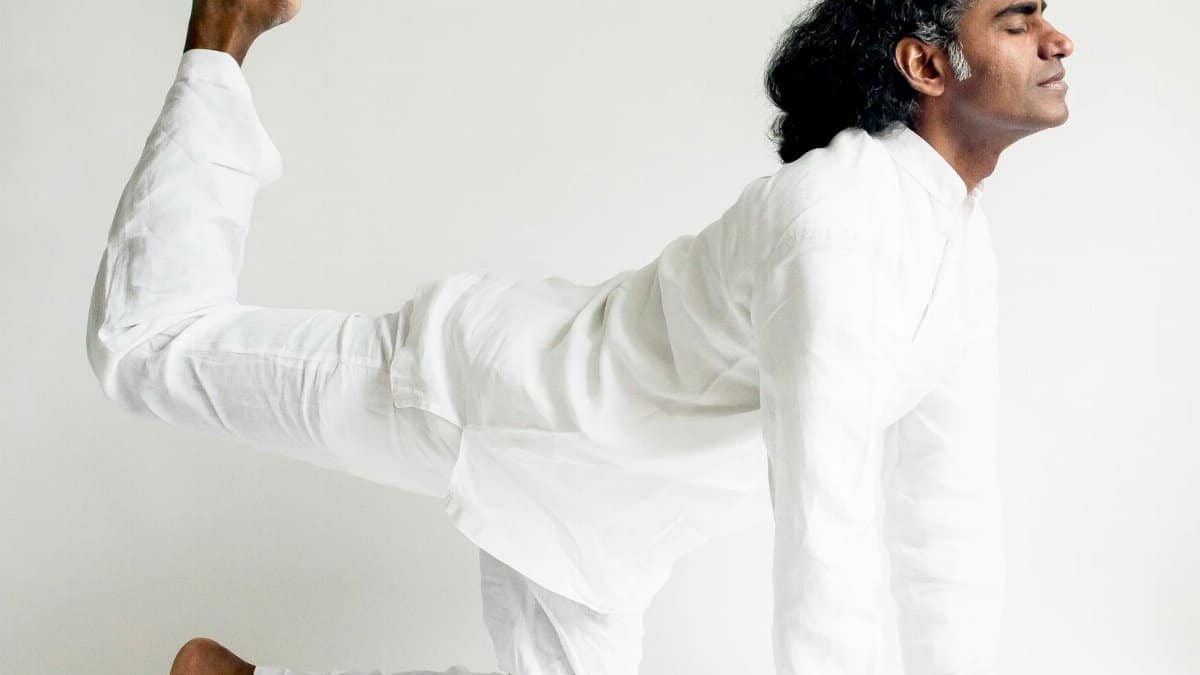
In bustling urban parks across cities like New York and Los Angeles, a quiet revolution unfolds each morning. Groups of people, from office workers to retirees, gather on mats, moving through deliberate poses that blend breath with motion. This isn’t just exercise. It’s a deeper pursuit of balance amid chaotic lives. More Americans, especially those navigating midlife stresses, turn to yoga as a lifeline. A recent survey shows participation in such practices has surged by 20% in the last five years. At the heart of this shift? Mobility, holistic, sequences that nurture body, mind, and spirit together. These flowing routines promise not just flexibility, but a grounded sense of well-being. They address the whole person, countering the fragmentation of modern routines. As one practitioner put it, the practice feels like reassembling scattered pieces. In 2025, with wellness trends emphasizing integration, these sequences stand out as accessible tools for holistic living.
1. Sun Salutation Flow for Daily Awakening

Start the day with purpose. Sun Salutations, or Surya Namaskar, form a classic sequence that energizes from the ground up. Begin in Mountain Pose, arms raised high, then fold forward into a gentle forward bend. Flow into a lunge, plank, and upward dog before reversing back to standing. Repeat five to ten times, syncing each move with steady breaths. This routine boosts circulation and warms muscles, setting a tone of vitality.
Consider Sarah, a 45-year-old teacher from Chicago. She shared how incorporating this flow transformed her mornings. No longer rushed and foggy, she felt alert and centered before her first class. “It’s like flipping a switch,” she said. Such stories highlight how the sequence fosters emotional resilience, a key pillar of holistic living. Research from the National Institutes of Health supports this, showing yoga sequences like this reduce stress hormones and improve mood over time.
Yet, it’s not without nuances. Beginners might struggle with the plank hold, feeling the burn in their core. That’s part of the appeal—pushing gentle boundaries builds not just physical mobility but mental fortitude. In a world of constant demands, this sequence acts as a ritual, weaving physical health with spiritual awakening. Practitioners often report a subtle shift in perspective, viewing challenges as opportunities rather than obstacles.
2. Hip-Opening Sequence for Emotional Release
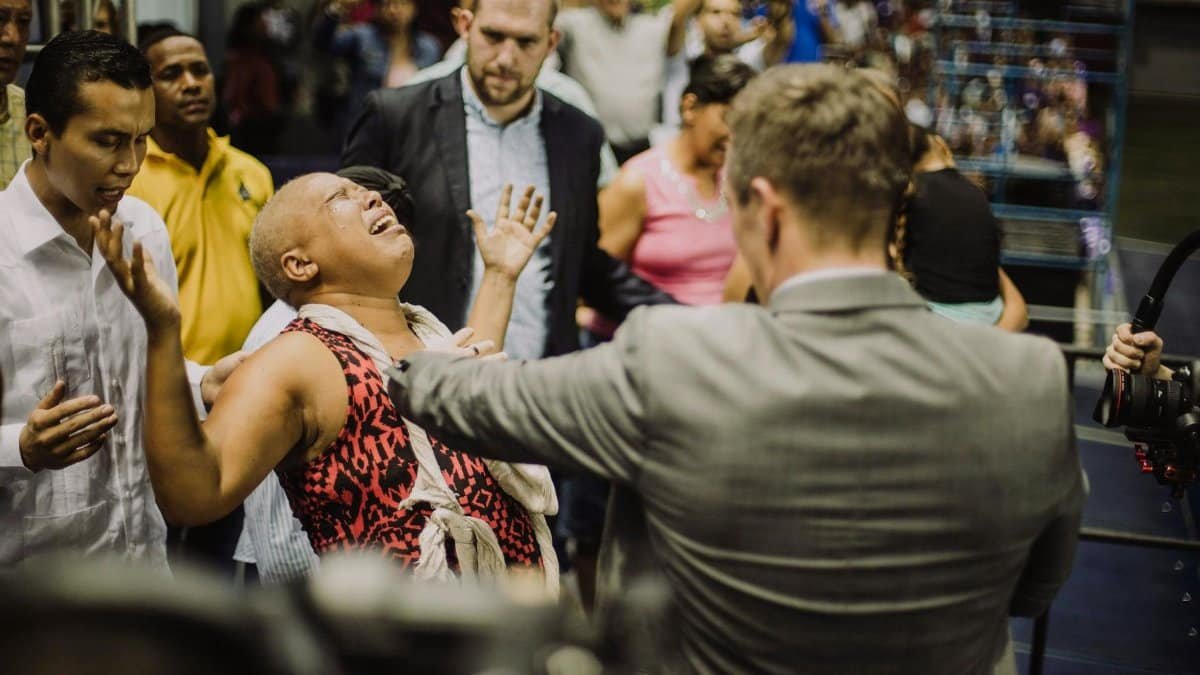
What if unlocking tight hips could free bottled-up feelings? This sequence targets the pelvis, a storehouse for tension. Begin seated in Butterfly Pose, soles together, knees wide. Gently press elbows into thighs for a deeper stretch. Transition to Pigeon Pose, one leg extended back, the other folded forward. Hold each side for a minute, breathing deeply. End with a Reclined Figure-Four stretch on your back.
Online discussions reveal how this practice resonates. One anonymous account described a session where tears flowed unexpectedly, releasing grief from a past loss. It wasn’t just physical; it felt cathartic, aligning body and emotions. For middle-aged adults facing life transitions, like empty nests or career shifts, such sequences offer profound relief. A study by Harvard Health Publishing links hip openers to reduced anxiety, emphasizing their role in holistic emotional health.
The beauty lies in its simplicity. No fancy equipment needed, just a quiet space. But dive deeper, and tensions emerge—some find the vulnerability uncomfortable at first. That discomfort? It’s a teacher, revealing how physical tightness mirrors emotional guards. Over weeks, regular practice softens both, promoting a more fluid, integrated life.
3. Spinal Twist Series for Detox and Clarity

Twists invigorate the spine, wringing out stagnation like a sponge. Launch into Seated Twist, one hand on the opposite knee, gazing over the shoulder. Move to Supine Twist on the floor, knees hugged to chest then dropped to one side. Incorporate a standing variation, like Twisted Lunge, for added challenge. Focus on elongating the spine with each inhale, twisting deeper on exhales.
Picture a group session in a Seattle studio, where participants emerge looking refreshed, as if shedding invisible weights. One woman recounted twisting away the mental fog from a long workday, emerging with sharper focus. This mirrors broader trends in 2025, where yoga aids cognitive health amid digital overload. Evidence from the Yoga Journal underscores how twists support digestion and mental clarity, advancing holistic detoxification.
Variety keeps it engaging. Alternate between gentle and dynamic twists to suit energy levels. Still, not everyone twists easily; back issues require modifications. Here, the sequence teaches adaptation, a metaphor for life’s twists. It encourages listening to the body, fostering self-awareness that permeates daily decisions.
4. Balance Poses Chain for Mental Stability
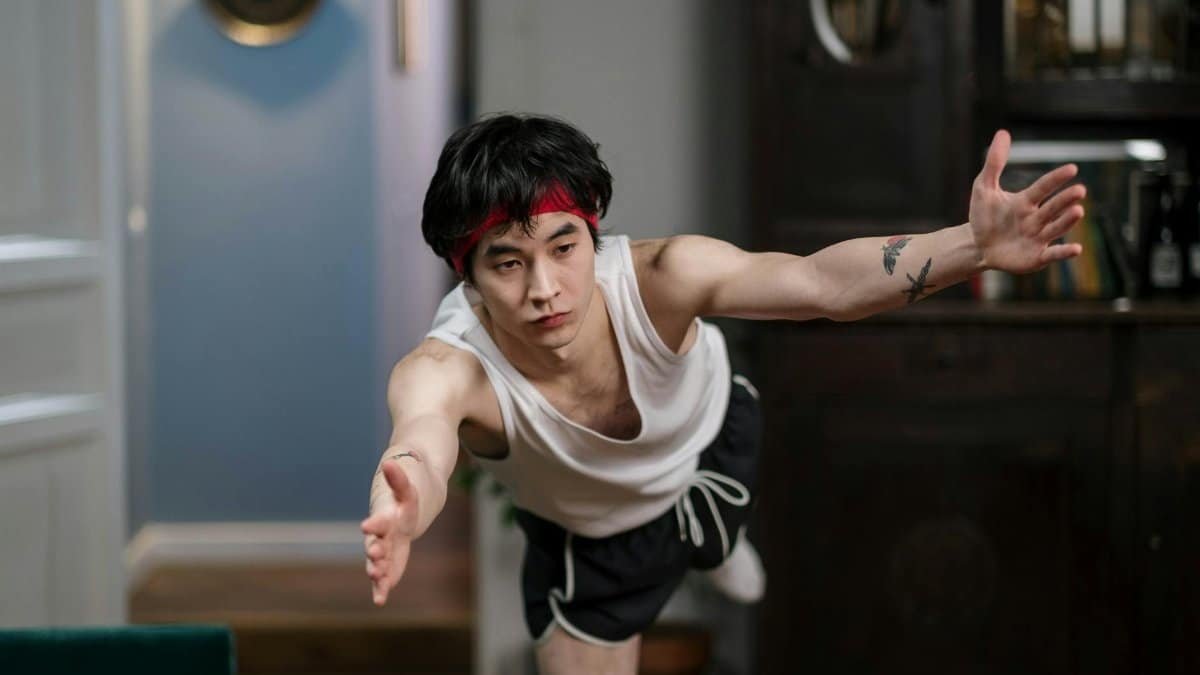
Stability starts with standing firm. This sequence builds equilibrium through Tree Pose, rooting one foot while the other presses into the thigh, arms overhead. Shift to Warrior III, hinging forward with one leg extended back. Include Eagle Pose for a wrapped challenge, twisting limbs for focus. Hold each for 30 seconds per side, gazing steadily ahead.
In a narrative from a Boston wellness retreat, a participant wobbled at first but found poise by the end, mirroring her journey through anxiety. “Balance on the mat taught me balance in life,” she reflected. Such experiences illustrate how these poses cultivate mental resilience, essential for holistic living in uncertain times. The National Center for Biotechnology Information reports that balance yoga enhances proprioception and reduces fall risks, with psychological benefits like improved concentration.
Challenges add depth. Windy days outdoors test resolve, much like real-world distractions. Embracing the wobble builds patience, turning potential frustration into growth. This sequence isn’t about perfection; it’s about presence, integrating mind and body for enduring stability.
5. Restorative Yin Holds for Deep Relaxation
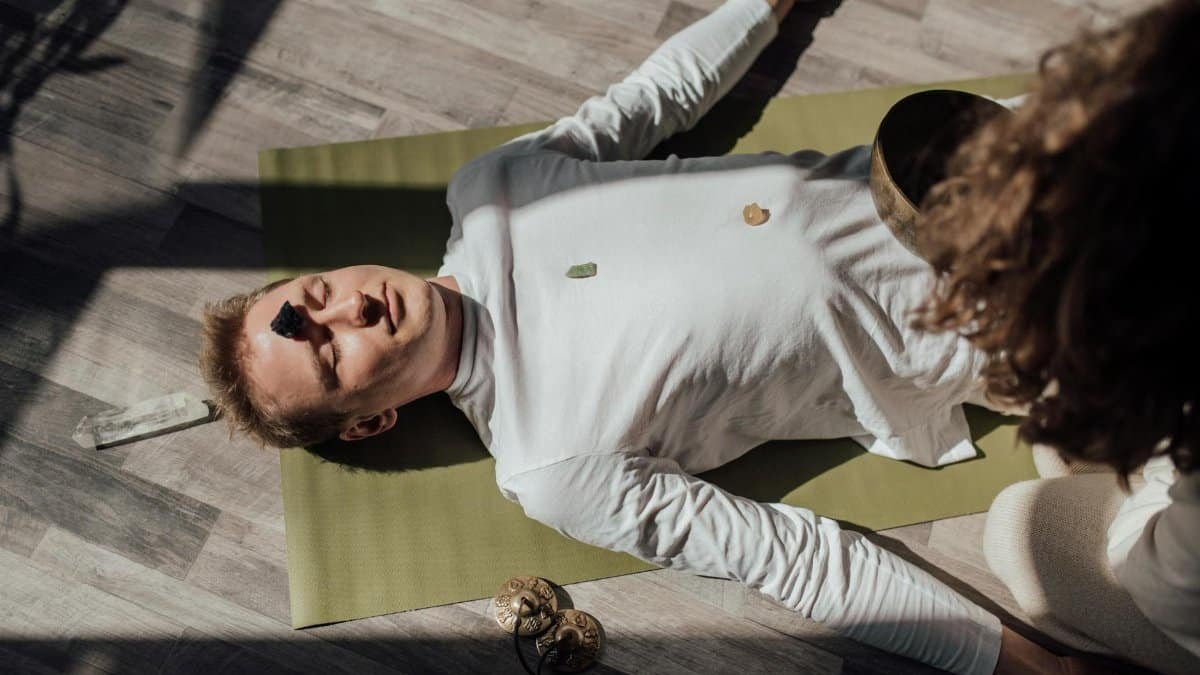
Slow down to heal. Yin yoga emphasizes long holds, like Child’s Pose folded forward for five minutes, or Supported Bridge with a block under the sacrum. Add Legs-Up-the-Wall for inversion benefits, letting gravity ease tension. Breathe slowly, sinking into each posture without force.
A midwestern executive described discovering this after burnout: “It was the first time I truly rested.” Her story captures the restorative power, countering the hustle culture prevalent in 2025. Studies from Healthline, backed by wellness research, show yin practices lower cortisol and promote recovery, key to holistic rejuvenation.
Yet, stillness can stir restlessness. Minds wander, surfacing buried thoughts. That’s the point—confronting them gently fosters inner peace. Over time, this sequence nurtures a holistic calm, blending physical release with emotional serenity.
6. Core Engagement Flow for Inner Strength
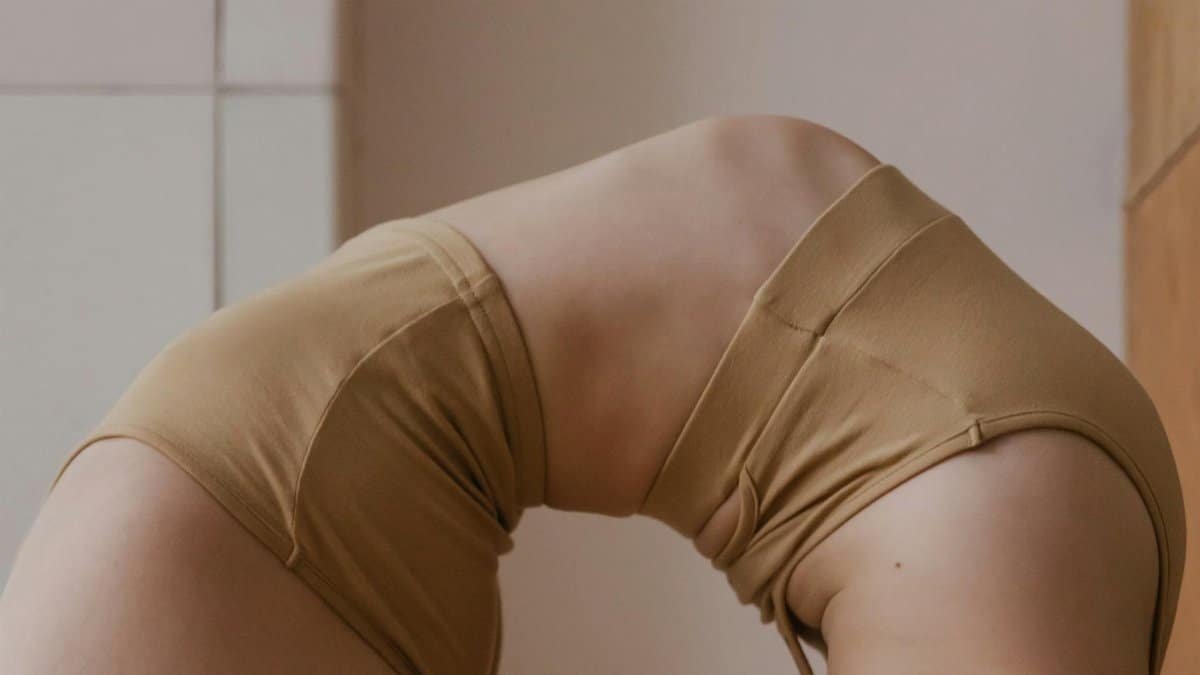
Build from the center. Start with Boat Pose, legs lifted, torso leaning back. Flow into Plank variations, like side planks for oblique work. Incorporate Bicycle Crunches on the mat, twisting to engage the core dynamically. Aim for controlled movements, emphasizing breath over speed.
During a community class in Austin, a man in his fifties found renewed confidence after consistent practice. “My core isn’t just stronger; I feel more capable overall,” he noted. This echoes how core sequences bolster not only physical stability but emotional fortitude, advancing holistic empowerment. A report from the Mayo Clinic highlights yoga’s role in core strength, linking it to better posture and reduced back pain.
Intensity varies. Modify for beginners, yet push for growth. The burn reveals limits, teaching perseverance. In holistic terms, a strong core symbolizes centeredness, helping navigate life’s upheavals with grace.
7. Integrative Full-Body Vinyasa for Unity
Tie it all together. Vinyasa flows link poses seamlessly: from Downward Dog to Warrior I, then Pyramid Pose, circling back to standing. Include backbends like Cobra and forward folds for balance. End with Savasana, absorbing the integration.
At a retreat in California, attendees described a sense of wholeness post-flow, as if fragments of self reunited. One shared, “It’s like my body and mind finally synced.” In 2025’s wellness landscape, such sequences promote unity, per insights from the American College of Sports Medicine. They enhance overall mobility while nurturing spiritual connection.
Flow reveals rhythms. Some days it’s effortless; others, clunky. This variability mirrors life, encouraging acceptance. Ultimately, the sequence embodies holistic living, merging movement with mindfulness for a fuller existence.