

A recent study from the National Institutes of Health revealed that nearly 40 percent of Americans report heightened stress levels, up sharply from a decade ago, often seeking unconventional paths to calm. Amid this surge, nature offers subtle lessons. Wildlife behaviors teach emotional balance in ways that resonate deeply, drawing from instincts honed over millennia. Consider how animals navigate chaos without unraveling. From the deliberate pauses of a foraging squirrel to the communal rhythms of a wolf pack, these patterns highlight strategies for inner steadiness. In 2025, as urban life accelerates, turning to such examples feels timely. They remind us that equilibrium isn’t about perfection but adaptation. This article explores seven specific behaviors, each unpacking a facet of emotional resilience drawn from the wild.
1. The Patient Foraging of Squirrels
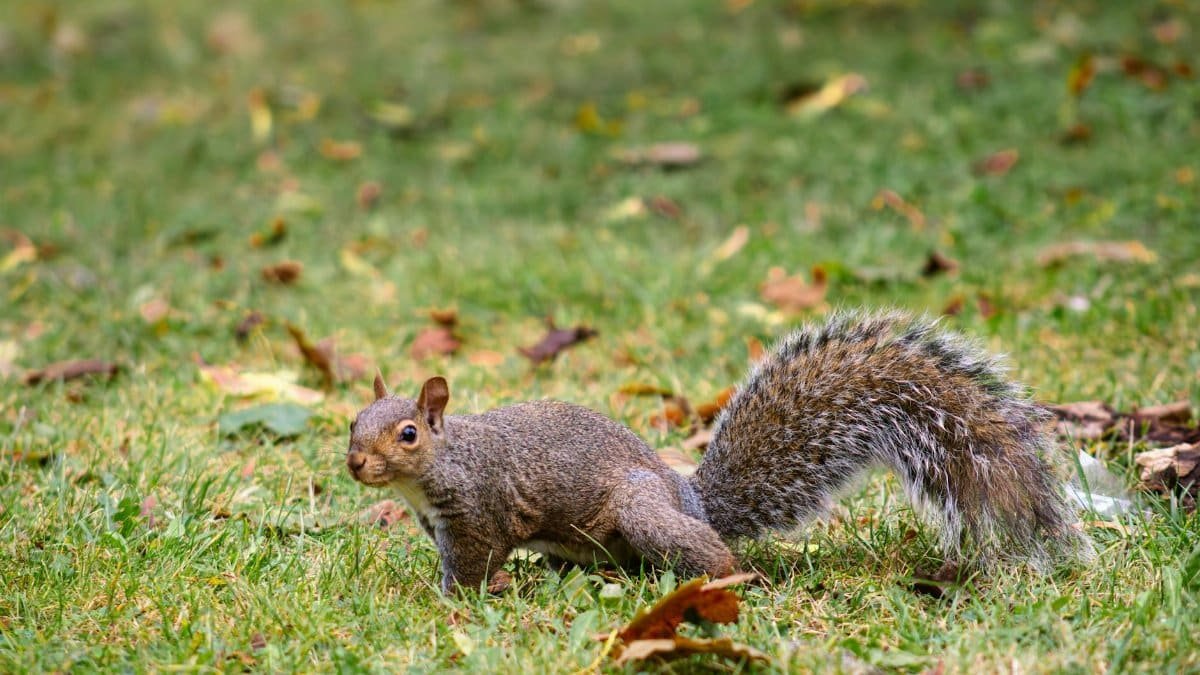
Squirrels dart through trees with a mix of frenzy and focus, but watch closely and you’ll see their real skill lies in waiting. They assess nuts, bury some for later, and move on without haste. This isn’t random; it’s a calculated rhythm that teaches us about delayed gratification. In moments of emotional turbulence, rushing decisions often backfires. Instead, like the squirrel, pausing to evaluate options can ground us.
One afternoon in a bustling park, a group of friends observed this firsthand. Amid their heated debate over work stresses, a squirrel nearby methodically gathered acorns, ignoring distractions. It sparked a shift; they slowed down, shared vulnerabilities, and found clarity. Research from the National Center for Biotechnology Information supports how such mindfulness, inspired by animal habits, reduces anxiety by fostering present-moment awareness.
Yet tensions arise. What if patience feels like inaction in a deadline-driven world? Wildlife behaviors teach that true balance involves trusting the process, even when instincts scream for speed. Vary your pace. Notice how squirrels adapt to seasons, storing energy for lean times. Apply that to emotions: hoard calm during good days to draw from during storms.
2. Wolf Packs and Social Harmony
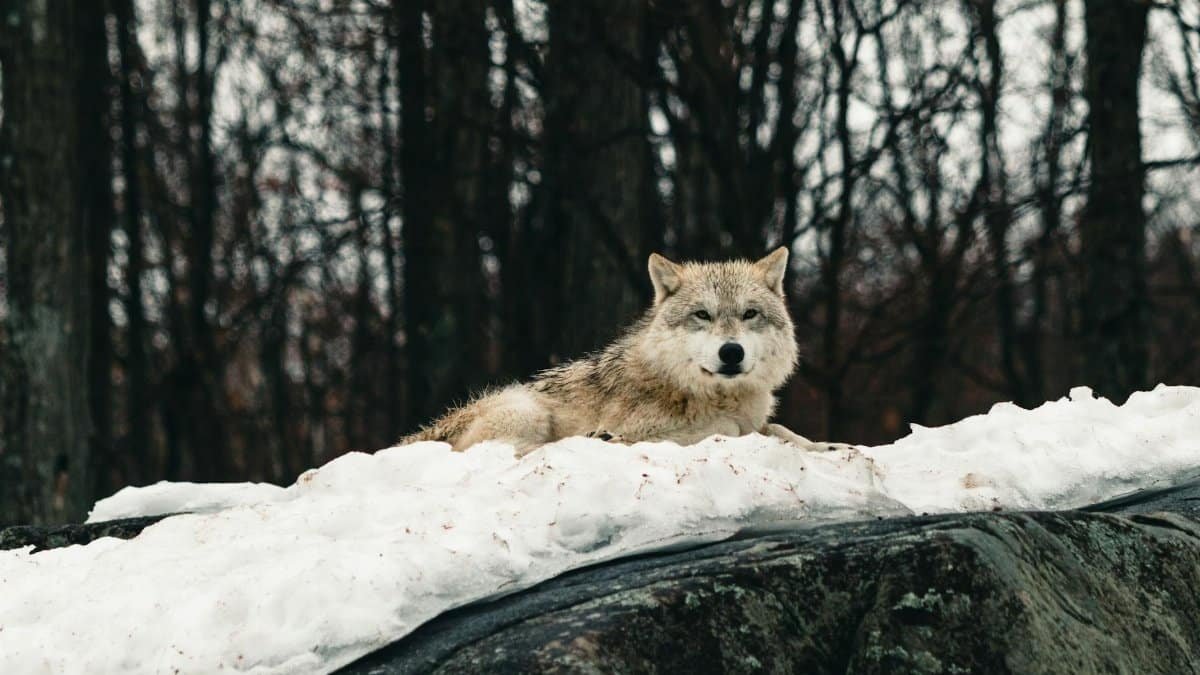
Start with a scene from Yellowstone’s vast expanses. A wolf pack moves as one, communicating through subtle howls and gestures, maintaining order without dominance overwhelming the group. This cooperative dynamic illustrates emotional balance through connection. Wolves teach that isolation breeds imbalance, while shared burdens lighten the load.
Emotional highs and lows often stem from fractured relationships. Drawing from wolf behavior, prioritizing pack-like bonds can stabilize us. A study by the U.S. Geological Survey on wolf social structures shows how hierarchy paired with empathy ensures survival, a model for human interactions.
Online discussions often reveal frustrations with modern isolation; one recent account described feeling adrift until joining a community group, mirroring wolf pack support. It transformed their stress into shared strength. But harmony isn’t effortless. Conflicts erupt, yet wolves resolve them swiftly, teaching forgiveness as a tool for equilibrium. Embrace this: nurture ties, forgive slights, and watch balance emerge.
3. Bear Hibernation and Restful Renewal
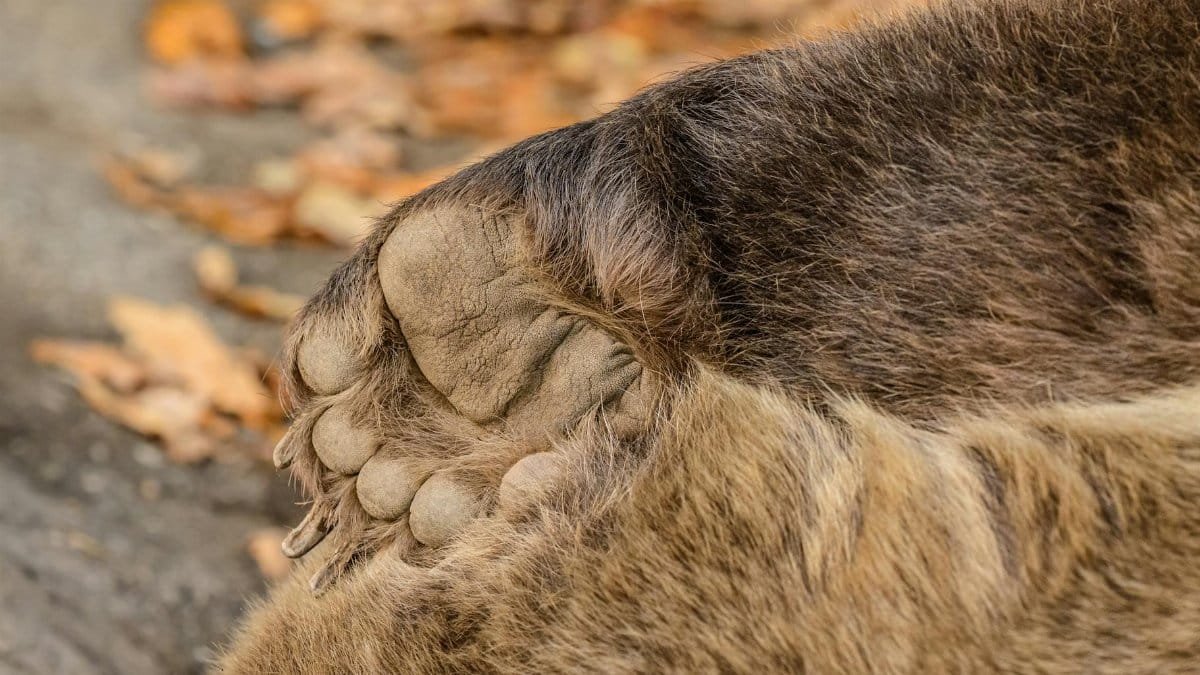
Imagine a grizzly retreating to its den as winter bites, slowing its metabolism to conserve energy. This hibernation isn’t laziness; it’s strategic rest, allowing the bear to emerge stronger in spring. Wildlife behaviors teach emotional balance by emphasizing recovery periods amid life’s demands.
In our always-on culture, burnout looms large. Bears model how stepping back recharges the spirit. According to findings from the USDA Forest Service, this dormancy regulates physiological stress, a parallel to human needs for downtime.
Reflect on a colleague who, overwhelmed, took a brief sabbatical. Returning refreshed, they handled pressures with newfound poise. Yet the challenge: society equates rest with weakness. Push back by scheduling intentional pauses, letting wildlife’s wisdom guide you toward sustained vitality. Short bursts of activity follow deep rest, creating a balanced cycle.
Complexity creeps in when rest feels unattainable. Bears adapt to their environment; so can we, by carving out micro-hibernations, like a quiet evening walk, to restore inner peace.
4. Elephant Mourning Rituals

Elephants gather around a fallen herd member, touching trunks gently, lingering in quiet vigil. This mourning process acknowledges loss without denial, teaching us to process grief for emotional steadiness. Denying pain disrupts balance; elephants show how facing it head-on fosters healing.
Grief’s weight can unmoor anyone. By observing these giants, we learn rituals that honor emotions. A report from the Elephant Sanctuary details how such behaviors build resilience, echoing human therapeutic practices.
Picture a family navigating loss; inspired by elephant ways, they created a shared remembrance, easing their sorrow. But what of suppressed feelings? Wildlife behaviors teach integration over avoidance. Allow space for mourning, then move forward, lighter and more centered.
Tensions surface in cultural expectations to “get over it.” Elephants linger as needed, reminding us balance comes from authentic expression, not rushed recovery.
5. Bee Hives and Role Adaptation
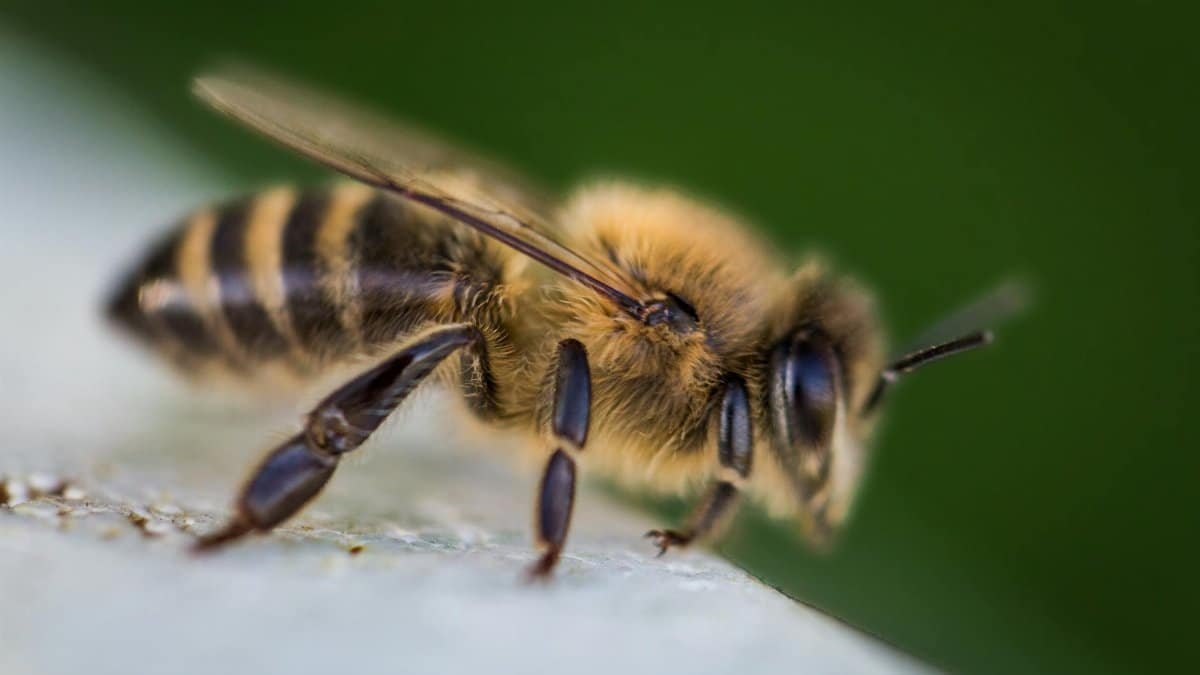
Dive into a hive’s hum: bees shift roles fluidly, from forager to nurse, adapting to the colony’s needs. This flexibility underscores emotional balance through versatility, avoiding rigidity that leads to frustration.
When life throws curveballs, clinging to one identity stifles growth. Bees demonstrate seamless transitions, a lesson in resilience. Insights from the USDA Agricultural Research Service highlight how this adaptability ensures hive survival, applicable to personal equilibrium.
An entrepreneur, facing market shifts, recalled bee behaviors and pivoted careers, finding unexpected fulfillment. Online, similar stories surface of people embracing change for stability. Yet adaptation demands vulnerability. Wildlife behaviors teach that bending, not breaking, maintains harmony.
Mix in the nuance: over-adapting risks losing self. Bees maintain core functions; mirror that by evolving while honoring your essence.
6. Otter Hand-Holding for Security

Otters float together, clasping paws to avoid drifting apart in sleep. This simple act symbolizes security through connection, teaching emotional balance by warding off loneliness’s drift.
In turbulent times, anchors matter. Otters’ behavior reminds us that physical or emotional ties prevent isolation. Studies from the U.S. Fish and Wildlife Service note how this bonding reduces stress in the species, a cue for humans.
Consider friends who, during a crisis, made a pact for daily check-ins; it steadied them like otters in currents. But dependency can tip into codependence. Balance it by fostering mutual support, ensuring connections empower rather than confine.
Wildlife behaviors teach that vulnerability in linking up yields strength, a gentle nudge toward relational equilibrium in 2025’s fragmented world.
7. Butterfly Metamorphosis and Transformation
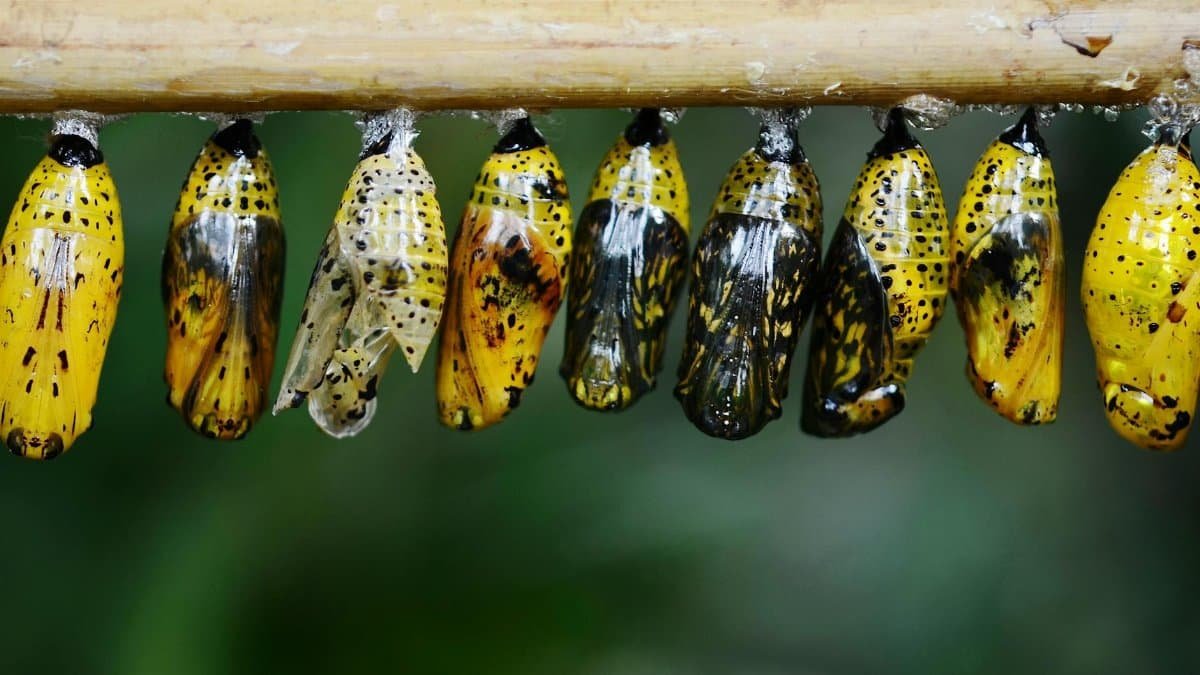
A caterpillar dissolves into a chrysalis, emerging as a butterfly, embodying profound change. This metamorphosis teaches emotional balance through embracing transformation, turning upheaval into growth.
Change often feels chaotic, yet butterflies show it’s a pathway to freedom. Research from the National Wildlife Federation explores how this process mirrors adaptive strategies in nature.
One person’s journey through career loss echoed this: cocooned in reflection, they emerged renewed. Tensions? The dissolution phase terrifies. Wildlife behaviors teach patience in the unknown, promising balance on the other side.
Wrap this with reflection: in a year like 2025, where shifts abound, let butterflies guide your evolution, maintaining poise amid flux.