
In a world buzzing with constant demands, it’s startling to learn that over 70 percent of Americans report feeling overwhelmed by stress, according to a 2024 survey from the American Psychological Association. This figure underscores a growing disconnect from our innate abilities to regulate emotions. Yet, turning to nature offers unexpected insights. Wildlife, actions, nervous—these elements reveal how animals navigate tension with an elegance that speaks to nervous-system wisdom. From the deliberate pauses of a deer sensing danger to the rhythmic breathing of marine life under pressure, these behaviors aren’t just survival tactics; they’re lessons in emotional clarity. As we step into 2025, observing these patterns could help us reclaim a sense of calm amid chaos, blending ancient instincts with modern life.
1. The Freeze Response in Rabbits
Rabbits, those swift creatures of fields and forests, have mastered a counterintuitive art: freezing in place when danger looms. It’s not paralysis from fear, but a calculated pause that lets their nervous system assess threats without rash action. Picture a cottontail in a meadow, ears twitching as a shadow passes overhead. In that stillness, adrenaline surges, yet the body holds steady, conserving energy for the right moment to bolt.
This behavior mirrors what neuroscientists describe as the polyvagal theory, where the vagus nerve plays a key role in shifting from fight-or-flight to a more regulated state. For humans, emulating this could mean taking a breath before reacting in a heated meeting. One anonymous account shared publicly online captured it well: feeling cornered in a family argument, the person paused, much like a rabbit, and found the words flowed clearer afterward. It’s a reminder that wisdom often lies in waiting.
Studies from the American Psychological Association’s stress resources highlight how such pauses reduce cortisol levels, fostering long-term resilience. In 2025, with rising workplace pressures, this wildlife action invites us to rethink impulsivity.
2. Grooming Rituals Among Primates

Watch a group of chimpanzees in the wild, and you’ll see them meticulously picking through each other’s fur. This isn’t mere hygiene; it’s a social balm that soothes the nervous system. The gentle touches release oxytocin, dialing down stress hormones and building trust within the troop.
Researchers have long noted how these rituals strengthen bonds, much like a quiet conversation over coffee does for us. But dive deeper, and there’s tension: not all grooming is equal; dominant members often receive more, revealing hierarchies that can spike anxiety in subordinates. Yet, the act persists, a testament to its calming power.
A vivid snapshot comes from field observations in Tanzania, where a young chimp, agitated after a skirmish, sought grooming and visibly relaxed, muscles loosening as if melting away the day’s strife. Humans might draw from this by incorporating touch-based routines, like a evening wind-down with loved ones. The National Institutes of Health’s research on oxytocin supports how such actions enhance emotional clarity, a trend gaining traction in U.S. wellness circles this year.
3. Migratory Birds’ Intuitive Navigation
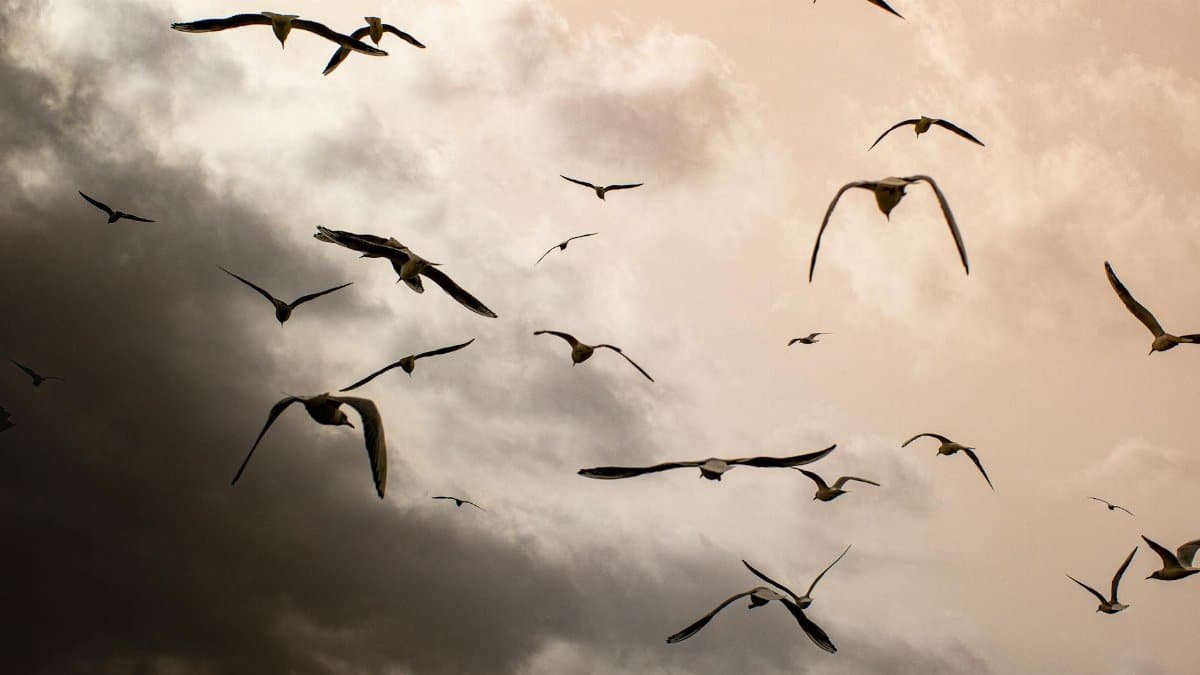
Birds embarking on epic migrations don’t second-guess their paths; they tap into an internal compass guided by the Earth’s magnetic fields, a nervous-system feat that demands unwavering focus. It’s as if their bodies hum with an ancient wisdom, steering through storms without panic.
What if we considered the underlying tension? These journeys aren’t without risk—exhaustion, predators, changing climates. Yet, the birds persist, their actions a blend of instinct and adaptation. A flock of Arctic terns, for instance, covers 44,000 miles annually, resting only when necessary, their nervous systems attuned to subtle cues.
This resilience echoes in human stories, like that of a hiker lost in the Appalachians who, by tuning into bodily signals, found their way back. In 2025, with navigation apps dominating, rediscovering this inner sense could counter digital overload. Insights from U.S. Geological Survey’s geomagnetic studies explain the science, urging us to trust our own navigational wisdom.
4. Camouflage Mastery in Octopuses

Octopuses change color in a blink, blending seamlessly with their surroundings to evade threats. This isn’t just skin deep; it’s a nervous-system symphony, where rapid signals from the brain adjust pigments, showcasing adaptability under pressure.
Start with the spectacle: an octopus on a coral reef spots a shark and morphs into a rocky outcrop, heart pounding yet actions precise. The complexity arises in the energy cost—such shifts demand quick recovery, a balance of alertness and rest.
For people, this translates to emotional camouflage in social settings, like masking anxiety at a networking event. But true wisdom comes from authenticity, as one reflective tale described: after years of hiding stress, embracing vulnerability led to deeper connections. The Nature journal’s study on cephalopod neurology delves into this, highlighting parallels for human stress management in our fast-paced era.
5. Hibernation Strategies of Bears
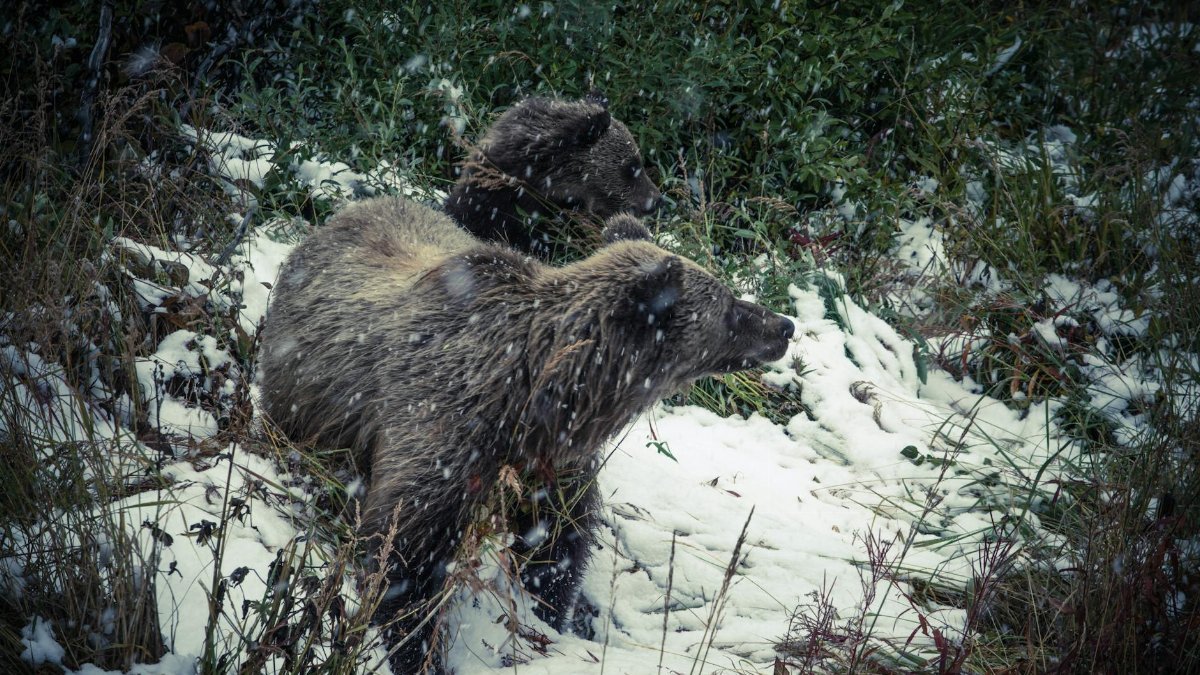
Bears retreating into dens for winter embody a profound nervous-system reset. Their metabolism slows, heart rates drop, and they enter a state of torpor that preserves energy through scarcity, emerging renewed in spring.
Imagine a grizzly in Yellowstone, burrowing in as snow falls, its body intuitively downshifting. There’s nuance here: not all bears hibernate fully; some stir, adapting to milder conditions, which speaks to flexible wisdom.
Humans, facing burnout, might learn from this by scheduling intentional downtime. A brief anecdote from a park ranger’s log notes a bear’s calm emergence, mirroring a professional who, after a sabbatical, tackled challenges with fresh vigor. As 2025 brings discussions on work-life balance, resources from the National Park Service on bear hibernation offer practical analogies for emotional recovery.
6. Pack Dynamics in Wolves

Wolves thrive through coordinated hunts, their nervous systems syncing in a dance of signals—howls, postures—that minimize chaos and maximize efficiency. It’s collective wisdom, where individual jitters dissolve into group strength.
Yet, tensions simmer: alpha disputes can rattle the pack, demanding quick resolutions to restore harmony. Observe a Yellowstone pack encircling prey; each wolf’s role is clear, nerves steady amid the thrill.
This mirrors team dynamics in offices, where shared goals calm personal anxieties. One shared experience anonymously online recounted joining a community group, feeling initial nerves ease into confidence through collaboration. The U.S. Fish and Wildlife Service’s wolf ecology page provides data on these behaviors, relevant for fostering calm in 2025’s collaborative workspaces.
7. Playful Behaviors in Dolphins
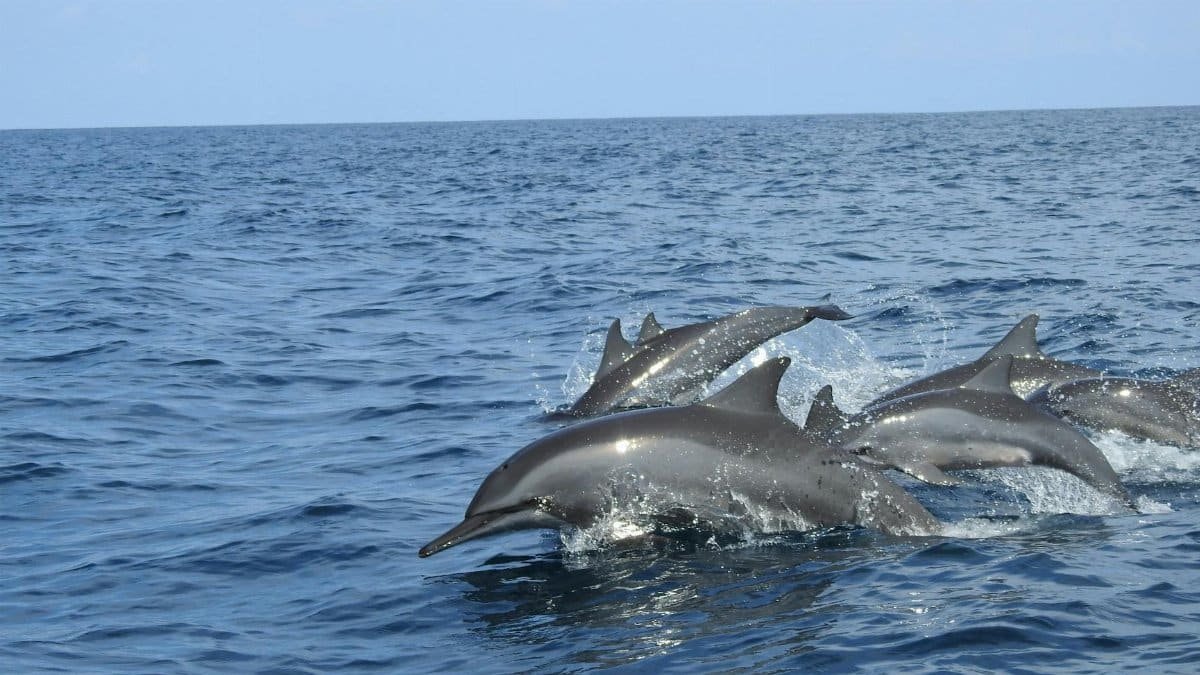
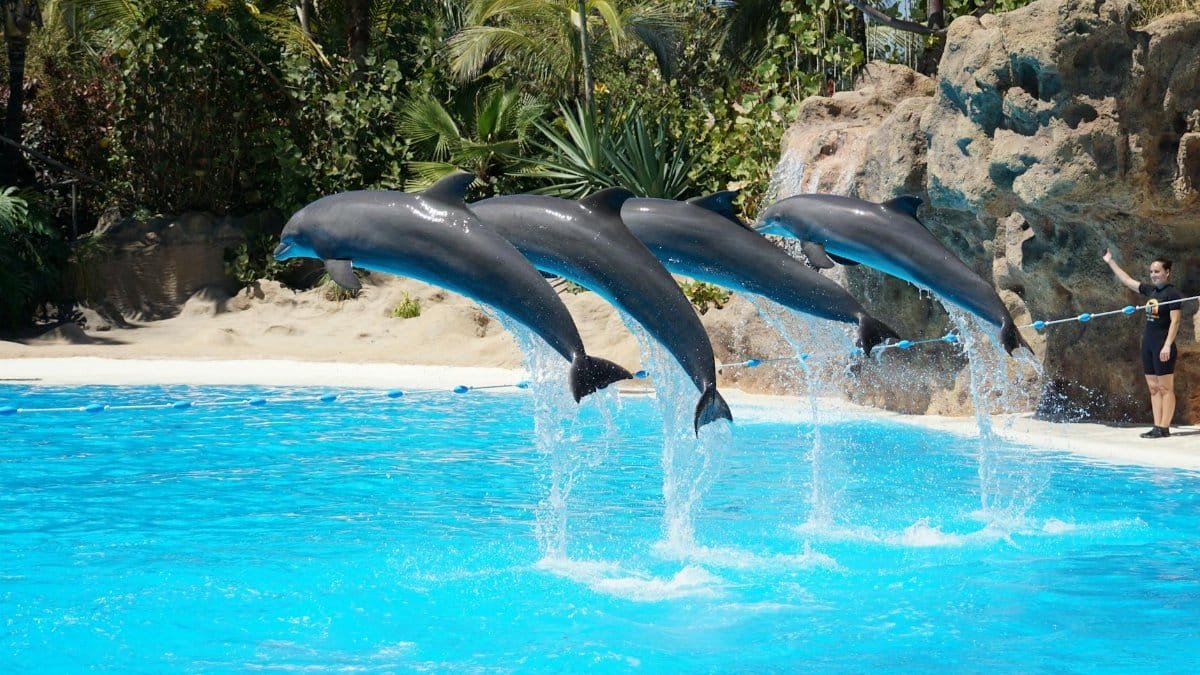
Dolphins leap and chase in open waters, engaging in play that sharpens their nervous systems, building resilience against stressors like predators or environmental shifts. This joy-infused action isn’t frivolous; it’s essential training.
Consider a pod off California’s coast, flipping through waves in synchronized games. The play reveals layers: it strengthens social ties while honing reflexes, a buffer against isolation’s toll.
For us, incorporating play could counteract daily grind. Think of a family rediscovering board games, laughter easing built-up tension. As trends in 2025 emphasize mental health, findings from the NOAA’s marine mammal resources underscore how such actions promote nervous-system balance, inviting us to embrace whimsy for deeper clarity.